Executive Overview
The pursuit of ageless, resilient skin has long driven the multi-billion-dollar cosmetic industry, yet navigating the crowded shelves of skincare aisles remains a daunting task for consumers. Amid a sea of moisturizers, toners, and physical treatments, the anti-aging facial serum has emerged as the undisputed heavyweight champion of targeted skincare. But beneath the polished marketing campaigns, high-end packaging, and complex nomenclature lies a fundamental question: Do anti-aging serums actually work, or are they an expensive exercise in wishful thinking?
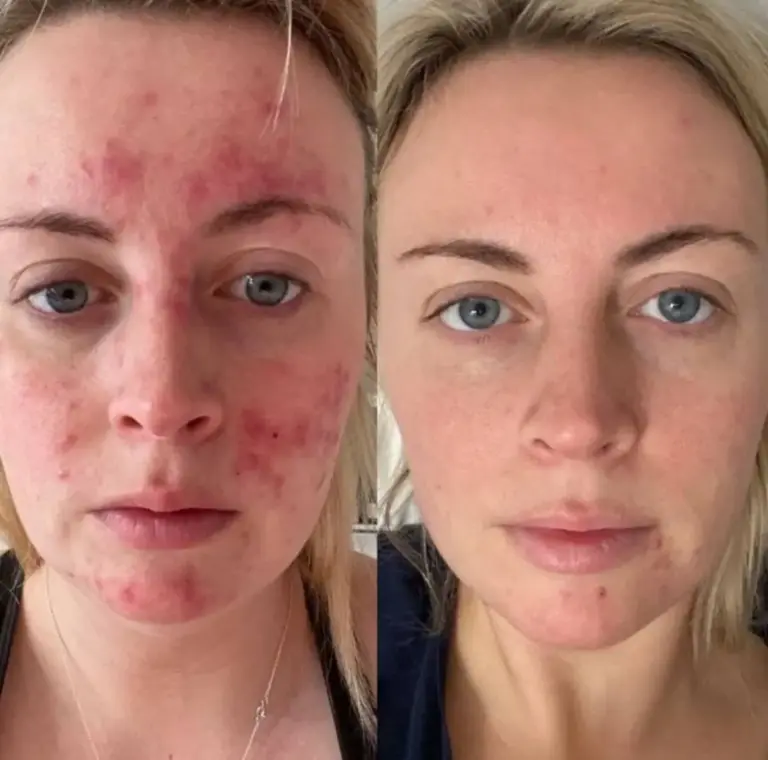
According to leading board-certified dermatologists, the answer is a resounding yes—provided that the formula is scientifically sound, contains proven active ingredients, and is applied with unwavering consistency. Unlike traditional lotions, which primarily focus on surface-level hydration, serums are engineered with lightweight, high-concentration molecular delivery systems. These formulations are designed to penetrate deeper layers of the epidermis, directly targeting the biological mechanisms responsible for fine lines, hyperpigmentation, loss of elasticity, and environmental damage.
However, achieving a glowing, youthful complexion is not a passive endeavor. Modern dermatology emphasizes a tailored approach dictated by skin type, individual concerns, and chemical compatibility. Whether addressing crow’s feet, uneven skin texture, or stubborn age spots, understanding the science behind components such as retinoids, hyaluronic acid, vitamin C, and epidermal growth factors is paramount. This comprehensive investigation explores the inner workings of anti-aging serums, evaluates the clinical truths behind high-performance ingredients, examines how to safely treat sensitive skin, and details the rigorous evaluation methodologies required to separate marketing hype from genuine biological results.
Detailed Chronology & The Evolution of Topical Anti-Aging Science
To truly appreciate the advanced formulations found in today’s dropper bottles, it is necessary to examine how topical anti-aging science has evolved over the past several decades. Skincare has transitioned from an era of heavy, occlusive cold creams to an age of molecular precision, bio-engineering, and clinically tested biochemistry.
The Era of Simple Hydration (Pre-1980s)
For generations, anti-aging routines were rudimentary. The primary objective was moisture retention using petroleum-based occlusives, animal fats, and basic plant oils. While these formulations prevented trans-epidermal water loss, they did nothing to stimulate cellular turnover, reverse photo-aging, or repair degraded collagen matrices. Aging was accepted as an inevitable biological decline, and topical products acted merely as a temporary band-aid against dryness.
The Retinoid Revolution (1980s–1990s)
The landscape of dermatology shifted dramatically with the medical community’s recognition of topical retinoids. Originally developed to treat severe acne, prescription-strength tretinoin revealed a remarkable side effect: patients observed smoother skin texture, reduced fine lines, and fading hyperpigmentation. This discovery catalyzed decades of clinical research, eventually leading to the introduction of over-the-counter retinol and advanced retinoid derivatives. For the first time, topical skincare products could actively signal skin cells to behave younger, marking the birth of modern preventative and corrective anti-aging science.
The Antioxidant and Stability Breakthroughs (2000s)
As molecular biology advanced, researchers turned their attention to the role of free radicals—unstable molecules generated by UV radiation and environmental pollution that destroy collagen and elastin. This era introduced stabilized L-ascorbic acid (vitamin C), vitamin E, and ferulic acid into daily regimens. Skincare chemists learned how to formulate lightweight vehicles that could deliver these fragile antioxidants deep into the skin before oxidizing, revolutionizing environmental protection and brightening treatments.
The Age of Advanced Bio-Engineering and Serums (2010s–Present)
Today, we live in the era of high-tech serums, multi-weight hyaluronic acid complexes, peptides, and epidermal growth factors. Modern chemistry has solved long-standing formulation challenges, allowing potent actives to be delivered without triggering prohibitive irritation. Encapsulation technologies now release active ingredients slowly over time, making gold-standard ingredients like retinol accessible even to those with delicate or reactive skin types.
Supporting Context & Metrics: The Biology of Aging Skin
Understanding why specific anti-aging serums work requires an examination of the biological changes that occur within human skin over time. As we age, two primary processes dictate skin degradation: intrinsic aging (our genetically programmed timeline) and extrinsic aging (environmental factors like UV exposure, pollution, and lifestyle habits).
[Intrinsic & Extrinsic Aging Factors]
       │
       ├──> Decline in Fibroblast Activity ──> Reduced Collagen & Elastin ──> Loss of Firmness / Wrinkles
       ├──> Decreased Lipid Production ─────> Impaired Moisture Retention ──> Dryness & Micro-Tears
       └──> Cumulative UV / Free Radicals ──> Cellular Damage & Pigmentation ──> Age Spots & Dullness
The Breakdown of Structural Proteins
At the cellular level, youthful skin is sustained by an abundance of collagen and elastin—fibrous proteins produced by specialized cells known as fibroblasts. Collagen provides structural scaffolding and firmness, while elastin grants the skin its ability to snap back into place after stretching.
Starting in our mid-twenties, human collagen production drops by approximately 1% each year. Compounded by chronological aging, ultraviolet radiation activates enzymes called matrix metalloproteinases (MMPs), which actively break down existing collagen fibers faster than the body can synthesize them. The visible result of this structural deficit is the formation of fine lines, deep wrinkles, and skin laxity.
Moisture Depletion and Barrier Dysfunction
Mature skin also undergoes structural changes in its lipid matrix. The skin’s natural ability to produce ceramides, fatty acids, and hyaluronic acid diminishes over time. Consequently, mature skin struggles to retain moisture efficiently, leading to chronic dryness, a compromised skin barrier, and accentuated fine lines. When the skin barrier is impaired, it becomes increasingly vulnerable to irritants, pathogens, and accelerated aging.
The Role of Pigmentation and Free Radicals
Cumulative sun exposure over decades leads to localized overproduction of melanin, resulting in solar lentigines (age spots), uneven skin tone, and hyperpigmentation. Simultaneously, reactive oxygen species (free radicals) bombard cellular DNA, proteins, and lipids, resulting in a dull, lackluster complexion and degraded skin texture.
Expert Insights and Official Dermatological Perspectives
To separate empirical science from commercial marketing claims, leading dermatologists emphasize that the efficacy of any facial serum relies entirely on formulation integrity, targeted ingredient selection, and disciplined, long-term application.
Dr. Hadley King on Formula Efficacy and Consistency
According to renowned dermatological experts, consumers often sabotage their own skincare journeys by expecting instant transformations. "Serums that contain ingredients to target the causes and visible markers of aging can, and do, work—provided they are well-formulated and used consistently," explains Dr. Engelman.
Echoing this sentiment, Dr. Garshick notes that results are entirely dependent on matching the correct active ingredient to the specific skin concern—whether treating stubborn crow’s feet, uneven tone, or loss of firmness. "You shouldn’t expect results overnight," Dr. Garshick cautions. "Serums work best with consistent, long-term use, with many helping to both prevent and treat signs of skin aging."
The Power Players: Retinol, Hyaluronic Acid, and Growth Factors
When building an anti-aging protocol, dermatologists frequently point to a select group of powerhouse ingredients backed by decades of clinical data:
- Retinoids (Vitamin A): Widely regarded by the medical community as the gold standard of anti-aging skincare. Board-certified dermatologist Dr. Ashley Magovern explains that retinol signals cells to act like younger, healthier counterparts. "With consistent use, skin looks firmer, smoother, and more even," Dr. Magovern states. By accelerating cell turnover, stimulating collagen production, and clearing pores, retinoids address multiple signs of aging simultaneously. Furthermore, modern advancements in encapsulated formulas allow sensitive skin types to reap these benefits without debilitating irritation.
- Hyaluronic Acid: As skin loses its internal hydration reserves, hyaluronic acid acts as a vital moisture magnet. Dr. Garshick highlights its utility: "Hyaluronic acid can be helpful for aging skin, as it helps to boost hydration as well as plump the skin. As we age, our skin becomes dry, so boosting moisture can help to keep the skin looking and feeling healthy."
- Epidermal Growth Factors (EGFs): For deep cellular repair, Dr. Engelman recommends growth factors. "Epidermal growth factors stimulate cells in the skin called fibroblasts, which help with cellular repair and renewal," she notes. "Similar to retinol, they trigger cell turnover and signal the body to produce more collagen and elastin, supporting firmer, bouncier skin and a brighter, more even complexion."
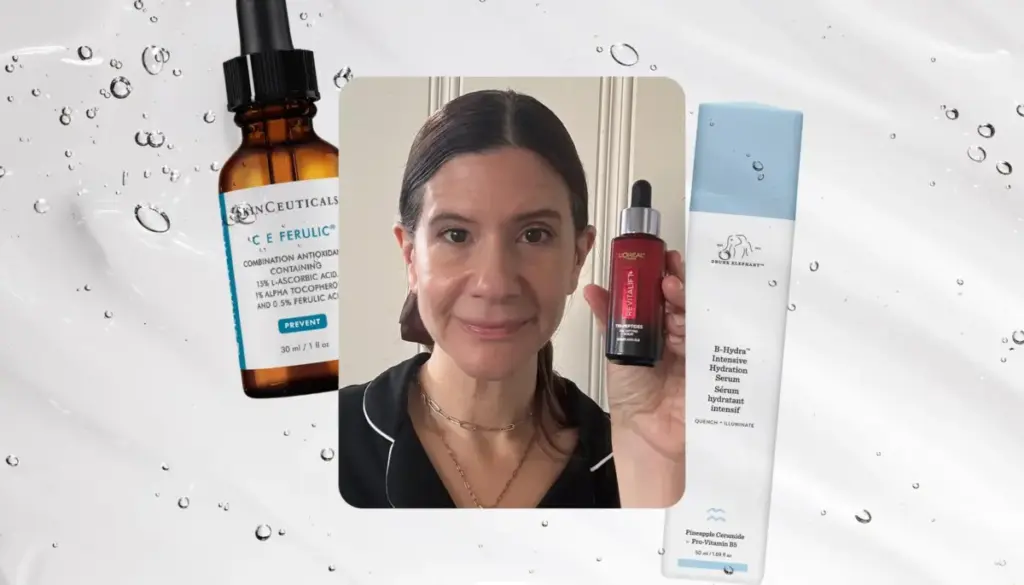
- Vitamin C and Antioxidants: Dr. Garshick emphasizes that vitamin C serves as a crucial defensive shield against free radical damage caused by environmental stressors, while simultaneously brightening dull, fatigued complexions. For comprehensive antioxidant protection, dermatologists also recommend combinations involving vitamin E and ferulic acid.
Navigating Sensitive Skin
A common misconception is that those with delicate or reactive skin must abandon anti-aging regimens altogether. Dr. Haskin addresses this directly: "Having sensitive skin does not preclude the use of anti-aging skin care products; however, extra caution has to be taken." Potentially irritating formulations—such as high-strength retinoids, alpha-hydroxy acids (AHAs), beta-hydroxy acids (BHAs), and potent niacinamide concentrations—require a strategic, gradual introduction.
Dr. Haskin recommends a conservative approach: initiating use just a few times a week and pairing active serums with barrier-repairing moisturizers to buffer against irritation while maintaining optimal skin health.
Future Outlook: The Next Frontier in Anti-Aging Dermatological Care
As cosmetic chemistry and biotechnology continue to converge, the future of anti-aging serums promises unprecedented levels of efficacy, precision, and personalization.
Personalized Epigenetic Skincare
The next generation of anti-aging treatments is moving away from a one-size-fits-all model toward personalized regimens informed by genetic and epigenetic testing. Future serums will likely be custom-compounded based on an individual’s unique DNA markers, rate of collagen degradation, and environmental exposure levels, maximizing results while virtually eliminating the trial-and-error phase of skincare.
Advanced Delivery Systems and Drone Technology
While traditional liposomes and encapsulation have improved stability and reduced irritation, emerging delivery technologies utilize microscopic "smart delivery drones." These bio-compatible peptide carriers are programmed to navigate the skin’s layers and release active ingredients exclusively into targeted senescent (aging) cells, preserving healthy surrounding tissue and optimizing the biochemical response.
Sustainable Marine and Plant Biotechnology
With growing consumer demand for clean, sustainable beauty, future anti-aging formulations will increasingly rely on bio-fermented marine peptides, extremophile plant extracts (derived from plants surviving in harsh, high-UV environments), and lab-grown cellular components. These sustainable alternatives offer powerful antioxidant and regenerative properties without placing a burden on natural ecosystems.
Ultimately, while the science of aging is complex, the path forward is clear. By combining rigorous scientific formulations, disciplined daily routines, and expert dermatological guidance, modern anti-aging serums have evolved from simple cosmetic novelties into sophisticated, science-backed tools capable of fundamentally transforming skin health across a lifetime.