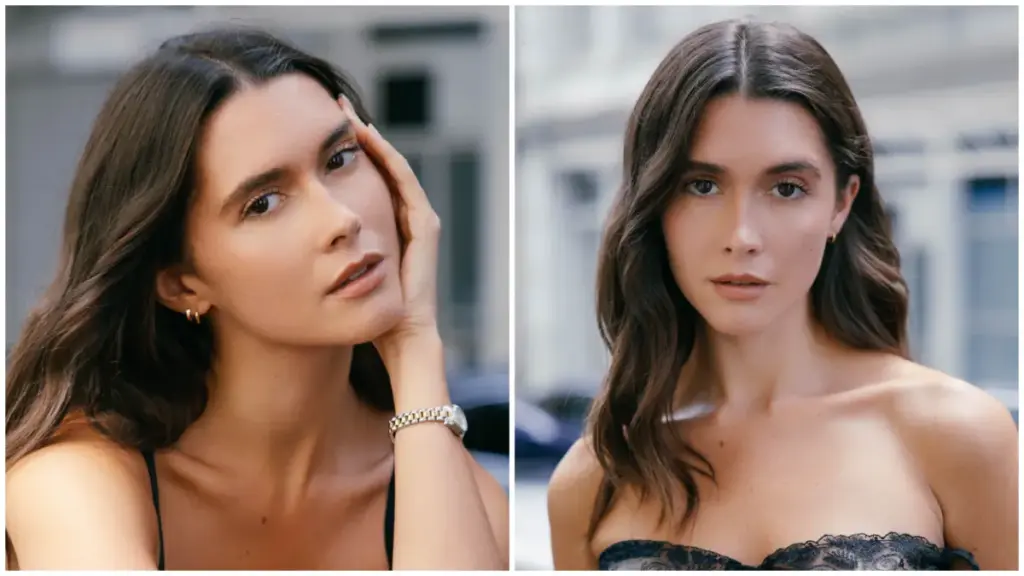
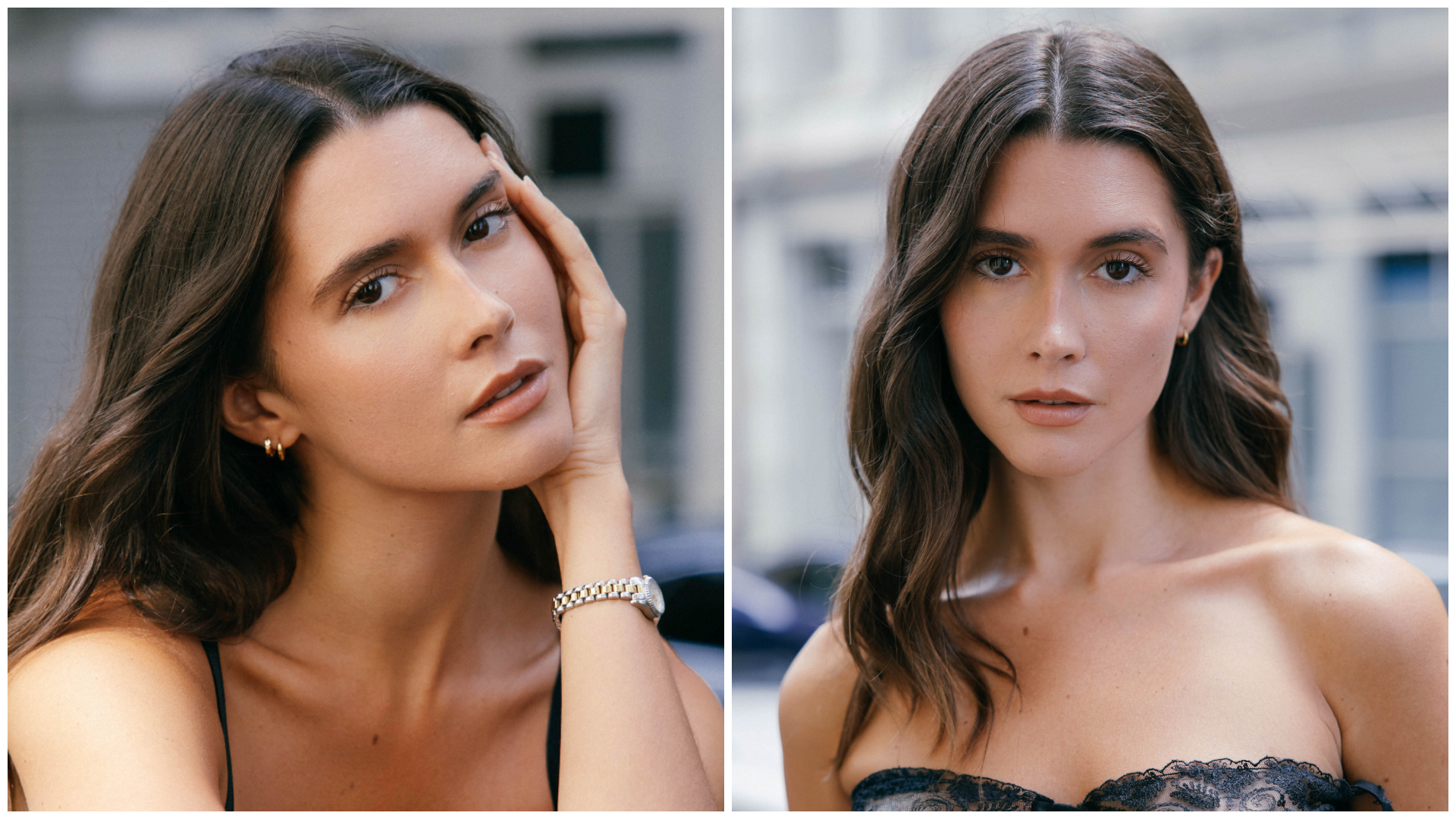
In an era dominated by hyper-curated feeds, algorithmic validation, and the relentless pursuit of digital perfection, British content creator and actress Chiara King has carved out a distinct space by choosing transparency over unattainable polish. As she transitions from the small screen of mobile devices to the silver screen with The Influencer Project—a psychological thriller hailing from the producers of The Blair Witch Project, slated for theatrical release on October 2—King is uniquely positioned to dissect the psychological toll of modern visibility.
For nearly a decade, digital creators have operated as both the architects and the subjects of their own media empires. Yet, behind the ring lights and aesthetic backdrops lies a complex psychological landscape. In this exclusive interview and investigative overview, we explore what happens when an individual’s livelihood depends on perpetual self-editing. King offers an unflinching look at how living life under a microscope alters one’s relationship with beauty, self-worth, and personal privacy. By examining the friction between curated personas and authentic existence, this article delves into the broader societal implications of filter-driven beauty standards, the hazards of public relationships, and the liberation found in disconnecting from the digital matrix.
Detailed Chronology: From Digital Pioneer to Psychological Thriller Star
The trajectory of Chiara King’s career mirrors the rapid evolution of the creator economy itself. Understanding her current perspective requires tracing the timeline of how digital platforms transformed from casual hobby spaces into high-stakes psychological battlegrounds.
Phase One: The Rise of the Digital Creator
When King initially entered the digital content space, the platform ecosystem was vastly different. Creators operated with fewer preconceived notions of branding, and the barrier between "online persona" and "real life" was porous. Over time, as algorithms began favoring hyper-aesthetically pleasing, high-frequency content, King built a devoted, organic following. However, increased visibility brought an unprecedented level of self-observation.
As King notes, building a career rooted in being seen fundamentally alters one’s relationship with their own reflection:
"On camera, I’ve definitely had to learn to love myself more because I see myself more than I ever have. I notice everything. The freckle in my eye, which is actually a sunspot, my slightly crooked lower teeth, my frown lines when I raise my eyebrows. Instead of being critical of those things, I’m learning to see them as the things that make me different. And different is cool, at least in my opinion, especially in a world where we’re all constantly striving to look the same."
Phase Two: The Perils of Over-Sharing
As King’s audience expanded, she faced the classic trap of the modern influencer: the pressure to monetize and broadcast every facet of personal life to maintain engagement. During the mid-stages of her digital career, King made the conscious decision to document her romantic relationships online in the name of absolute transparency.
This experiment yielded a harsh psychological lesson. Because the relationships were subjected to the court of public opinion, they became performative. King found herself constantly managing how her private life appeared to strangers rather than simply living it. Recognizing the erosion of her personal boundaries, she shifted her content strategy toward universally relatable, non-romantic themes—a pivot that ultimately restored her peace of mind and proved that vulnerability does not require surrendering one’s entire private life.
Phase Three: Transition to Narrative Cinema and The Influencer Project
King’s lived experience with the dark side of digital exposure served as vital preparation for her role in The Influencer Project. Produced by the minds behind The Blair Witch Project, the film leans heavily into documentary-style horror and psychological suspense, holding up a mirror to the dangers of online obsession, identity fragmentation, and the parasocial relationships that bind creators to their followers.
For King, stepping into the shoes of a protagonist fighting for justice against digital exploitation felt both cathartic and challenging. While her cinematic character, "Chiara King," possesses an unyielding, ballsy resilience that refuses to play the victim, King admits that real-life self-advocacy is a continuous learning curve.
Supporting Context & Metrics: The Psychology of the Screen
The mental health ramifications of content creation are no longer speculative; they are the subject of rigorous psychological research. As filters, AI enhancement tools, and editing applications redefine public perception of a "normal" face, the psychological cost on both creators and consumers continues to skyrocket.
The Illusion of the "Normal" Face
Industry data indicates that over 90% of young adults regularly use photo-editing tools or filters before posting images online. This normalization of digital alteration has birthed conditions such as "Snapchat dysmorphia"—a psychological phenomenon where individuals seek cosmetic procedures to resemble their filtered digital avatars.
Yet, King remains remarkably grounded amid this cultural shift. By consciously opting out of heavy-handed editing apps like FaceApp and intentionally posting non-traditional or unpolished imagery, she actively rebels against homogenized beauty standards:
"I have to remind myself that people aren’t following me solely because of how I look; they’re following me for the message I’m putting out into the world. Knowing that takes so much pressure off. It reminds me that my value online and in life isn’t dependent on my appearance. I don’t think any woman or man should feel like their looks are where their value comes from."
Boundaries and Digital Detoxification
The boundary between work and leisure is notoriously porous for modern creators, whose smartphones serve as both social lifelines and production studios. King combats burnout by strictly compartmentalizing her device usage:
"Off camera, I actually try to spend as little time on my phone as possible when I’m with close friends and family. My phone is my work, so when I put it away… I’m able to truly switch off. I find that having that downtime also makes me much more creative."
This philosophy aligns with mounting neurological evidence suggesting that constant digital stimulation exhausts the brain’s prefrontal cortex, stifling organic creativity and heightening anxiety.
Official Statements & Insights from Chiara King
In our comprehensive dialogue, King offered candid reflections on beauty, authenticity, the duality of performance, and the harsh realities behind the curated grid.
On Redefining Beauty and "Armor"
Far from rejecting the beauty industry, King maintains a healthy, pragmatic relationship with cosmetics. Rather than viewing makeup as a mask to hide perceived flaws, she frames it as a conscious tool of empowerment:
"Waking up, taking my dog for a walk in sweats with no makeup and letting my skin breathe for at least a little while… And I actually love makeup! A light, effortless makeup look makes me feel more comfortable and, in a way, feels like putting on my armor. But not a mask, a piece of armor that is soft and breathable and still me."
On Performing Confidence Versus Experiencing It
The paradox of the influencer economy is that creators are frequently expected to project unshakeable self-assurance to an audience while privately battling imposter syndrome. King acknowledges this psychological dissonance head-on:
"The character ‘Chiara King’ is way more ballsy and confident than I am. She refuses to play the victim and stands up for what she believes… For me, on the other hand, I am still learning how to do that. To stand firmly on my own two feet and stand up for myself. I definitely still allow fear to take over sometimes, but that’s okay. I’m still learning and growing and making mistakes. It’s all part of the process."
The Ultimate Reality Check for Consumers
When asked what single message she would impart to consumers scrolling through heavily stylized feeds on a daily basis, King offered a grounding manifesto for digital wellness:
"Take everything you see online with a grain of salt. So much of what we see is curated, even when it’s presented as completely authentic. And don’t believe that one product or one beauty routine is going to magically change your life just because someone online said it did.
What can actually change your life is learning to accept yourself for who you are and spending a little less time online. When you focus more on yourself and less on everyone else… you start to feel so much more fulfilled. You stop thinking as much about who you should be or what you should look like.
You are you. Don’t change that. You’re beautiful inside and out, and I hope you can trust that."
Future Outlook: The Intersection of Entertainment and Digital Reality
As The Influencer Project prepares to hit theaters on October 2, the cultural conversation surrounding digital authenticity is reaching a fever pitch. Audiences are increasingly fatigued by hollow perfection, demanding narratives that reflect the messy, unfiltered reality of human existence.
Chiara King’s dual journey—navigating the treacherous waters of real-world content creation while starring in a cinematic exploration of its psychological hazards—cements her status as a vital voice for her generation. Her trajectory signals a broader industry shift: the future of entertainment and digital media belongs not to those who manufacture flawless illusions, but to those courageous enough to embrace imperfection, set firm boundaries, and reclaim their humanity from the algorithm.