
Executive Overview
As pop culture has long maintained—most famously immortalized by the 2004 teen classic Mean Girls—Halloween occupies a unique space in the modern festive calendar. It is a rare cultural sanctioned window where adults can unapologetically flout standard sartorial conventions, leveraging the costume-centric holiday as a socially acceptable excuse to dress in ways that aggressively toe the line of local decency laws.
Yet, while the visual landscape of Halloween has always leaned heavily into the realm of the sultry and suggestive, its acoustic counterpart has remained stubbornly wholesome. Aside from the undisputed king of campy, high-energy party tracks like Bobby "Boris" Pickett’s "Monster Mash" and the undeniable, slithering undercurrent of sensuality pulsing through Michael Jackson’s iconic "Thriller," Halloween-themed music is historically characterized by novelty, child-friendly spookiness, and deep, unsexy earnestness.
Until now.
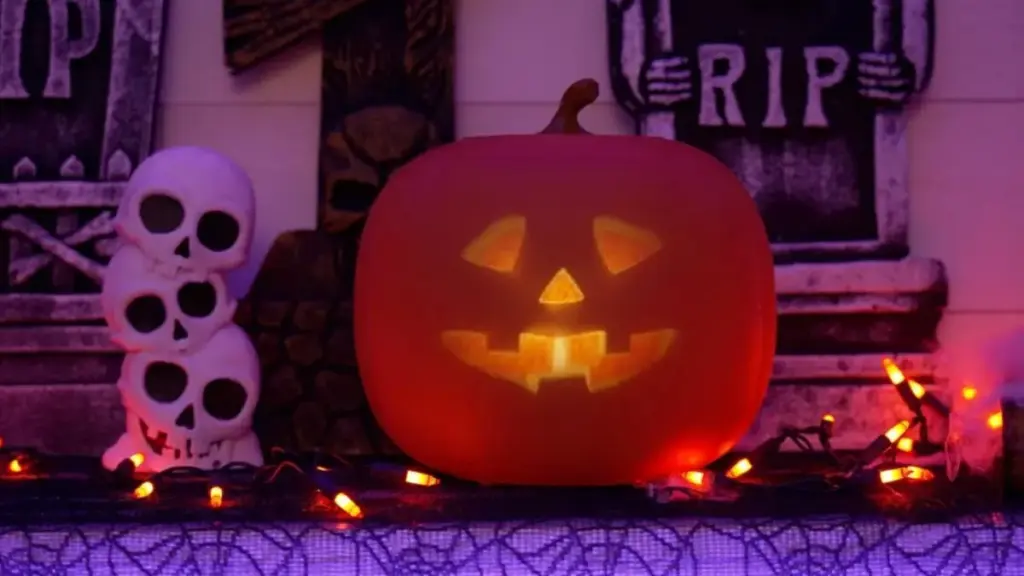
Enter the "Jabberin’ Jack"—an animated, glowing plastic jack-o’-lantern decoration manufactured by Mindscope Products. Designed ostensibly as family-friendly autumnal decor, the device features a dynamic, LED-projected face that animates in sync with three pre-loaded musical tracks. While two of the tracks offer standard holiday fare, the third has taken consumers completely by surprise, sparking widespread viral amusement, bewildered internet discourse, and ultimately, corporate contrition.
The song, titled "Wicked for One Night," is a breezy, samba-infused tune that, on first pass, sounds like any typical piece of innocuous seasonal background noise. However, upon closer inspection of the lyrics, listeners are met with an unexpected reality: the animatronic plastic pumpkin is unashamedly, unmistakably, and shockingly horny.
Packed with breathless double entendres, pumpkin-themed anatomical puns, and sultry propositions, the track transforms a harmless piece of front-porch decor into an overly enthusiastic suitor. While the song’s creator finds the viral uproar hysterical, the manufacturer, faced with a sudden wave of bewildered consumer feedback, has issued an official apology and vowed to scrub the track from future product iterations. This investigative feature explores the origins of the viral gourd, the anatomy of its surprisingly spicy lyrics, the creative mastermind behind the madness, and the broader cultural implications of policing sexiness in unexpected places.
Detailed Chronology: From Concept to Viral Infamy
The 2019 Genesis: Writing a "Lonely Pumpkin"
Long before the Jabberin’ Jack became a viral sensation on TikTok and X (formerly Twitter), the song at the center of the storm was born in a recording studio. Back in 2019, songwriter and composer Peter McEvilley was approached to write a series of tracks for a new interactive holiday novelty item.
According to interviews given to Business Insider, McEvilley was handed a modest budget—a few thousand dollars—and a creative brief that essentially called for seasonal music to accompany an animated pumpkin decoration. Rather than playing it completely straight, McEvilley leaned into a conceptual angle that he believed would give the plastic toy a bit more personality: a lonely pumpkin desperately looking for love.
Writing with tongue firmly planted in cheek, McEvilley crafted "Wicked for One Night," intentionally lacing the lyrics with playful double entendres. To McEvilley, it was a harmless creative exercise—a funny juxtaposition between the inanimate object of a jack-o’-lantern and the hyper-earnest passion of a late-night romantic plea. The song was recorded, mastered, and embedded into the software chips of the Jabberin’ Jack units alongside other tracks.
The Slow Burn to 2023 and Beyond
For reasons that remain slightly baffling to retail analysts and cultural commentators alike, the Jabberin’ Jack decoration has been on store shelves and front porches since roughly 2023 without immediately triggering mass hysteria. Millions of households across North America purchased the glowing orange spheres, setting them out on front porches, living room coffee tables, and classrooms to greet trick-or-treaters.
For months, children listened to it, parents walked past it, and neighborhood pets barked at it, all while the plastic gourd quietly delivered its sultry gospel. It was not until the audio began being clipped and shared in isolation on short-form video platforms that the broader internet truly began to listen to the words. Once social media users started isolating the lyrics and syncing them to viral video formats, the joke caught fire. What was once an overlooked piece of background firmware became a certified meme, forcing thousands of adults to double-take at their lawn decorations.
Supporting Context & Metrics: The Anatomy of a Gourd’s Advance
To understand why "Wicked for One Night" caused such a stir, one must examine the lyrical content itself. Clocking in at under two minutes, the song wastes absolutely no time diving straight into the deep end of botanical seduction.
Set against a jaunty, unexpected samba rhythm—a genre historically associated with romance and dance, far removed from the spooky theramins and pipe organs of traditional Halloween music—the plastic singer smoothly croons lines that read less like a children’s party tune and more like late-night adult contemporary radio:
"Come closer, I have a kiss for you, and it tastes like pumpkin pie…"
The verse establishes an immediate, intimate dynamic, breaking the fourth wall between the decoration and anyone unfortunate—or fortunate—enough to be standing within earshot. But the track quickly escalates from cozy fall imagery into territory that forces listeners to re-evaluate what they thought they knew about autumnal produce:
"We’ll be wicked for one night, morbid and nefarious, and when the sun goes down, till morning it will just be us…"
Here, the tone shifts from playful seasonal mischief to an exclusive, after-hours tryst. The phrasing—“till morning it will just be us”—carries the distinct weight of a romantic ultimatum delivered across a dimly lit bar, rather than a plastic toy sitting next to a pile of miniature gourds.
However, the climax of the song—pun intended—arrives in the final verses, where the double entendres reach a crescendo that left internet users howling with laughter:
"How would you like to scream all night? I’ll fill you full of fright. I’ll spoil you with my roasted pumpkin seeds."
The transition from "scream all night" (a classic horror trope repurposed with unmistakable adult subtext) to the offering of "roasted pumpkin seeds" is a masterclass in comedic writing. It is this precise lyrical pivot that transformed the Jabberin’ Jack from a simple manufacturing quirk into an internet legend.
Official Statements and Corporate Retreat
As the clips continued to rack up millions of views across social media platforms, the public reaction split neatly into two camps: those who found the entire ordeal utterly hilarious, and those who felt genuinely unsettled by their holiday decor attempting to seduce them.
Songwriter Peter McEvilley has made no secret of his amusement regarding the viral resurrection of his 2019 composition. In statements to media outlets, McEvilley expressed sheer delight that his tongue-in-cheek creation had finally found its audience, viewing the internet’s collective double-take as a validation of comedic subversion.
Mindscope Products, the manufacturer behind the Jabberin’ Jack, took a decidedly more conservative approach. Faced with a wave of viral notoriety and inquiries from confused consumers, the company issued a formal corporate apology to anyone made uncomfortable by the unexpectedly suggestive nature of their product.
In a statement addressing the controversy, Mindscope confirmed that they are actively scrubbing "Wicked for One Night" from their upcoming product slates, ensuring that future iterations of the Jabberin’ Jack will stick strictly to family-friendly, G-rated novelty tunes.
Future Outlook: The Death—and Potential Rebirth—of the Horny Halloween Anthem
The corporate capitulation by Mindscope Products marks a swift end to the era of the sultry jack-o’-lantern, but it leaves a fascinating cultural vacuum in its wake.
On one hand, it is entirely understandable why a manufacturer of mass-market children’s holiday toys would want to distance themselves from a product that accidentally serenades porch-bound families with lines about "screaming all night" and tasting like pumpkin pie. The risk of parental backlash in the modern retail market is swift and unforgiving.
On the other hand, cultural critics have pointed out a delightful hypocrisy in the situation. Society routinely celebrates, embraces, and commercializes horniness during Halloween—from the proliferation of aggressively revealing costumes to pop culture’s endless fascination with vampires, succubi, and monsters of the night who thrive on seduction. Yet, when it comes to the acoustic landscape of the holiday, society demands absolute chastity.
We are flooded with wholesome monster jams, but we receive virtually zero dedicated, high-concept horny Halloween anthems. Jabberin’ Jack’s "Wicked for One Night" accidentally filled that exact, unserved niche. Even if the song has now been permanently retired from its plastic jack-o’-lantern home, its legacy is secure. It serves as a reminder that creativity often thrives in the strangest places—even if those places are hollowed-out gourds whispering sweet nothings about roasted seeds under the autumn moon.