London Fashion Week (LFW) has once again arrived, transforming the British capital into a vibrant epicentre of avant-garde creativity, sartorial experimentation, and global industry focus. As editors, buyers, influencers, and photographers descend upon the city, the atmosphere crackles with a distinct energy that only London can produce—one that aggressively balances centuries of tailoring tradition with unbridled, youthful subversion.
This season’s calendar is defined by a compelling juxtaposition: the highly anticipated runway debuts of fresh creative voices alongside the steadfast presentations of British fashion royalty. Brands such as A Letter and Steve O Smith are making their official footprint on the LFW schedule, introducing new design lexicons to a global audience. Simultaneously, beloved mainstays like Burberry and Simone Rocha continue to anchor the week, offering masterclasses in why London remains an indispensable incubator for international fashion.
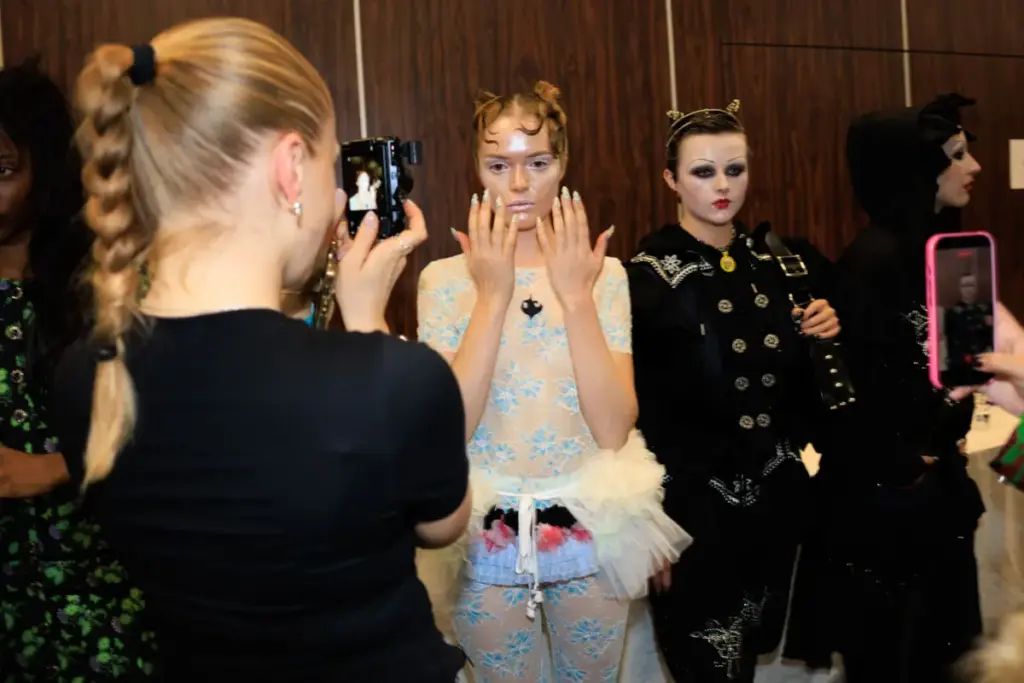
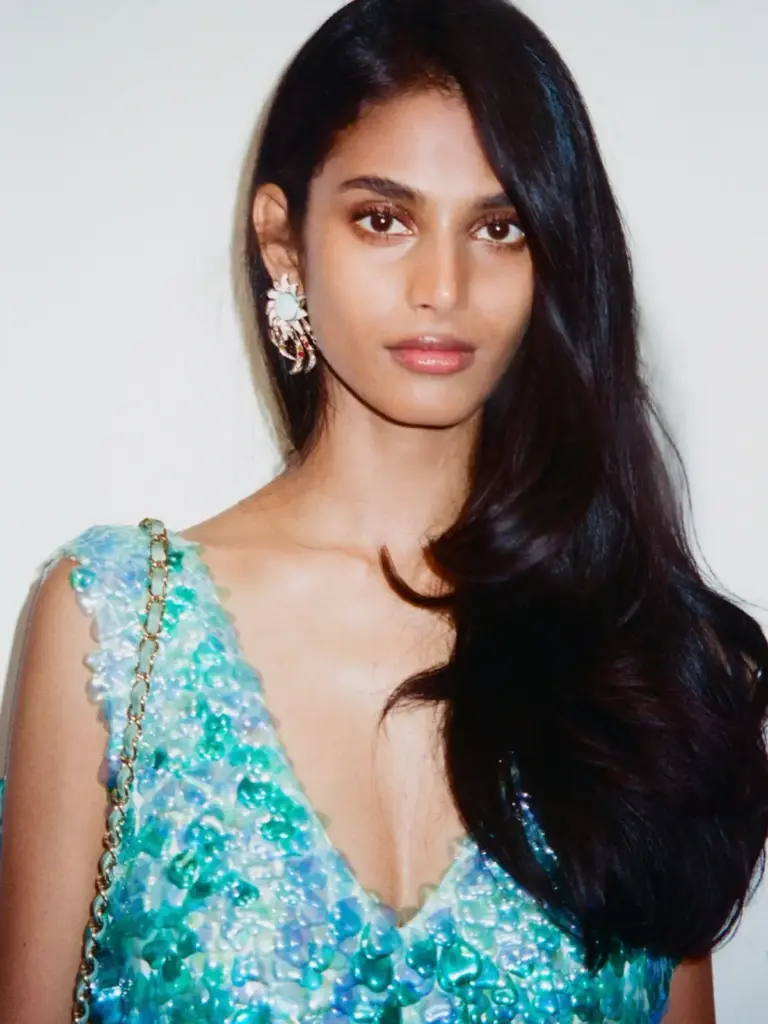
Beyond the polished glaze of the front row and the pristine geometry of the runways lies the frantic, electric reality of backstage life. Renowned street-style and backstage photographer Acielle Tanbetova—operating under the banner of Style Du Monde—has captured this raw, unfiltered chaos. Through her lens, the frantic adjustments of tailors, the quiet focus of hair and makeup artists, and the fleeting, candid moments of models before they step into the limelight are preserved. This comprehensive review explores the dynamic tensions, the creative forces, and the underlying cultural currents shaping this pivotal season at London Fashion Week.
Detailed Chronology: A Season of Contrasts and Revelations
The schedule for this London Fashion Week season is structured as a delicate dialogue between established heritage and disruptive innovation. Understanding the rhythm of the week requires mapping out how these distinct forces interact across the city’s diverse architectural and cultural backdrops.
Day One: Setting the Tone
The opening day traditionally sets the mood for the days to follow, establishing visual motifs and emotional cadences that designers will explore. This season, the early hours were marked by a palpable anticipation for fresh blood. While legacy brands utilized the morning slots to host intimate press previews and collection walkthroughs, the late afternoon gave way to the much-anticipated arrival of the season’s breakthrough debuts.
Emerging labels like A Letter stepped into the spotlight, presenting collections that challenged conventional pattern-cutting and textile pairing. The debut was characterized by a raw, unpolished energy—a hallmark of London’s independent design scene that often prioritizes conceptual depth over commercial safety. Reviewers noted the clever manipulation of deadstock fabrics and structural silhouettes, signaling that the new wave of London designers remains deeply committed to sustainability and artisanal craft, even amidst economic uncertainty.
The Mid-Week Crescendo: Heritage Meets Subversion
As the week progressed into its core days, the energy shifted toward established houses that define the global perception of British style. Burberry, under its current creative direction, continued its journey of redefining contemporary British luxury. Staged in unexpected, atmospheric venues across the city, the brand’s presentation leaned heavily into weather-resistant outerwear, rich heritage checks, and a subdued yet deeply confident color palette that spoke to a sophisticated, global clientele.
In sharp contrast, Simone Rocha delivered a collection that was equal parts ethereal and visceral. Known for her signature romanticism laced with dark undertones, Rocha’s runway featured voluminous tulle, intricate pearl embellishments, and unexpected hardware accents. The clothes told a story of complex femininity—delicate yet armored. The juxtaposition between Burberry’s structured utility and Rocha’s romantic surrealism encapsulated the duality that makes London Fashion Week uniquely compelling.
The Undercurrents: Steve O Smith and the Artisanal Wave
Another focal point of the week was the runway introduction of Steve O Smith. Known for challenging traditional tailoring norms through sculptural draping and fluid gender-neutral silhouettes, the brand’s debut was met with critical acclaim. Observers praised the meticulous hand-finished details and the emotional resonance of the garments, which moved away from mass-produced trends in favor of bespoke, slow-fashion methodologies.
Throughout these presentations, the backstage areas operated as parallel universes. Acielle Tanbetova’s lens documented the transition from quiet concentration to high-octane performance. In the makeup chairs, teams led by industry-leading artists experimented with neon accents, stripped-back skin, and graphic liners that mirrored the structural themes of the clothes. Hair stylists utilized damp textures and sculptural gels, ensuring that beauty looked lived-in rather than overly perfected.
Supporting Context & Metrics: The Economic and Cultural Pulse of LFW
To fully appreciate the significance of London Fashion Week, one must examine the broader socioeconomic and cultural framework within which it operates. LFW is not merely an aesthetic exhibition; it is a vital engine of the United Kingdom’s creative economy.
Economic Impact and the Creative Sector
According to data compiled by the British Fashion Council (BFC), the UK fashion industry contributes tens of billions of pounds to the national economy and employs hundreds of thousands of people. London Fashion Week serves as its primary global shop window.
Metric Category
Estimated Figure / Context
Significance to LFW
Direct Economic Contribution
Billions of pounds annually to UK GDP
Underpins retail, hospitality, and tourism sectors during show weeks.
Global Media Value (GMV)
Hundreds of millions per season
Amplifies brand reach across digital platforms, driving e-commerce conversion.
Independent Designer Representation
~40–50% of the official schedule
Ensures London remains a global incubator for raw, unfiltered talent.
International Buyer Attendance
Thousands of buyers from 30+ countries
Translates runway concepts into global retail orders and strategic partnerships.
Despite ongoing macroeconomic headwinds—including inflationary pressures on material costs, shifting post-Brexit trade logistics, and changes in consumer spending habits—London continues to punch above its weight class. The secret to its resilience lies in its institutional support for grassroots talent. Programs run by the BFC, such as NEWGEN, continue to provide financial backing, mentorship, and logistical infrastructure to designers who might otherwise struggle to bring their visions to the runway.
The Evolution of Digital Reach and Backstage Journalism
In recent years, the consumption of fashion weeks has undergone a seismic shift. While physical front-row seats remain the ultimate status symbol, the digital audience commands unprecedented influence. Live-streamed runways, real-time TikTok commentary, and curated Instagram galleries dictate trends long before garments hit store floors.
Within this digital ecosystem, backstage photography has evolved from a supplementary archive into a primary narrative tool. Acielle Tanbetova’s work for Style Du Monde exemplifies this shift. By capturing the human element—a model laughing between fittings, a designer nervously adjusting a hemline seconds before showtime, or the intricate close-ups of textile weaves—these images humanize an industry often criticized for being exclusionary and detached. This behind-the-scenes transparency satisfies a modern consumer appetite for authenticity, bridging the gap between high fashion and everyday reality.
Official Statements and Industry Insights
The discourse surrounding this season of London Fashion Week has been dominated by conversations regarding sustainability, the pressures placed on young designers, and the enduring allure of British creativity.
Perspectives from the British Fashion Council
In a pre-show address, representatives from the British Fashion Council emphasized the importance of resilience and collaboration within the UK creative sector.
"London Fashion Week has always thrived on adversity. Our designers do not create in a vacuum; they respond to the world around them with courage, wit, and uncompromising vision. As we welcome exciting new talents like A Letter and Steve O Smith alongside our globally revered houses, we are reminded that London is, and always will be, the spiritual home of creative freedom."
Designer Reflections on the Runway
Speaking backstage ahead of their respective presentations, several designers touched upon the emotional weight of showing in London. The sentiment was overwhelmingly centered on community over commercialization.
One prominent designer noted, "Showcasing in London gives you permission to take risks that you simply couldn’t afford to take anywhere else. There is an expectation here that you will push boundaries, that you will ask questions rather than simply provide answers. That freedom is intoxicating, even when the logistics keep you up at night."
Another emerging voice highlighted the challenges and rewards of a debut season: "Getting to this stage requires an army of supporters, artisans, and mentors. When the lights go down and the first model steps out, all the financial anxiety and sleepless nights dissolve into pure, kinetic energy."
Future Outlook: Where is British Fashion Heading?
As the curtains close on another exhilarating chapter of London Fashion Week, industry analysts are already looking ahead to assess the long-term trajectory of the British fashion landscape. Several key trends and structural shifts are poised to define the coming years:
1. The Imperative of Sustainable Innovation
Sustainability has transitioned from a marketing buzzword into an operational necessity. With tighter regulations on textile waste and an increasingly discerning consumer base, London’s independent designers are pioneering circular fashion models. Expect to see greater reliance on deadstock upcycling, local supply chains, and biodegradable textiles in upcoming seasons. The challenge for the BFC and industry leaders will be scaling these grassroots sustainable practices so they can be adopted by larger commercial houses without losing their artisanal integrity.
2. The Redefinition of the Runway Format
The traditional runway show is no longer the sole method of collection presentation. Designers are increasingly experimenting with immersive art installations, cinematic short films, intimate dinner presentations, and interactive digital showrooms. This diversification allows brands to tailor their storytelling to specific audiences, optimizing their return on investment while minimizing the carbon footprint associated with massive physical productions.
3. Nurturing the Next Generation of Talent
The lifeblood of London Fashion Week is its perpetual renewal. However, escalating operational costs in London—ranging from studio space rentals to production expenses—pose a severe threat to emerging talent. Ensuring the long-term vitality of LFW will require increased philanthropic investment, government backing, and strategic corporate sponsorships that protect independent designers from financial precarity.
Conclusion
London Fashion Week remains an irreplaceable pillar of the global style calendar. By fearlessly celebrating both its storied heritage and its most disruptive newcomers, the British capital proves season after season that fashion is not merely about clothing—it is a vital cultural barometer. Through the lens of artists like Acielle Tanbetova and the tireless creativity of designers old and new, the world is reminded that in London, fashion is alive, evolving, and infinitely passionate.