Executive Overview
To reach an 85-year milestone in the volatile, fast-moving landscape of global fashion is a rare achievement. This year, legendary American leather goods house Coach shares that prestigious birth year with cultural icons like Bob Dylan and Martha Stewart. While invitations to the private celebrations of Dylan and Stewart remained strictly limited, Coach flung its doors wide open, ensuring the entire fashion and pop-culture ecosystem could participate in its golden anniversary.
The stage for this historic moment was set on September 9 along the East Side of Manhattan at Pier 36. Transformed into an immersive, high-fashion nightclub, the venue hosted a blockbuster runway show followed by an all-night extravaganza. Under the creative direction of Stuart Vevers, the brand utilized the milestone not as a moment for passive retrospection, but as an energetic bridge connecting its storied heritage to the next 85 years of youth culture and innovation.
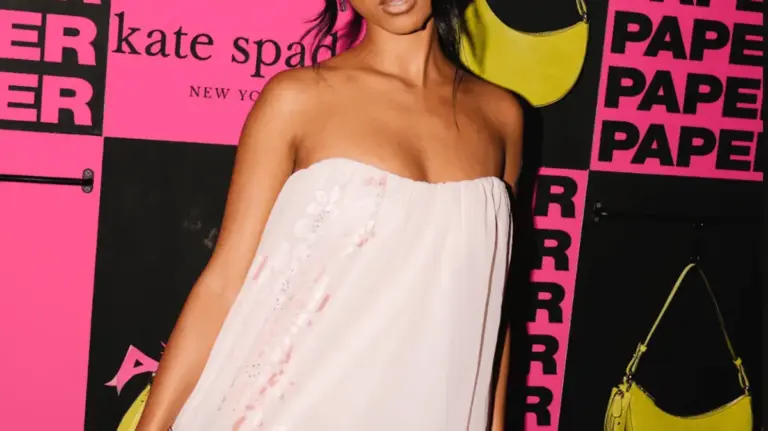
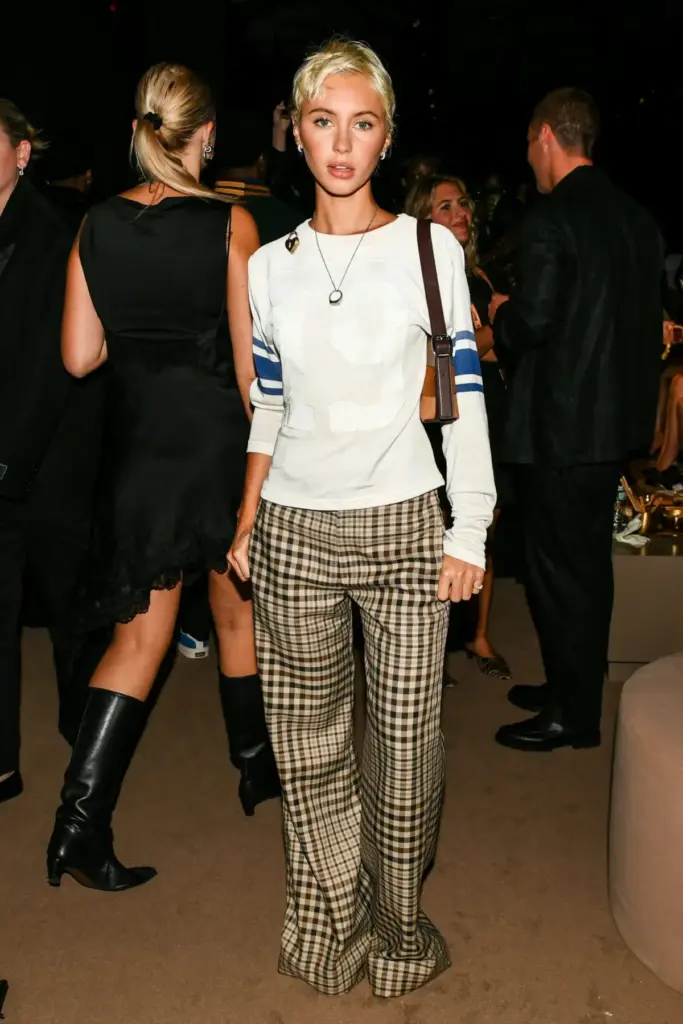
The guest list read like a who’s who of contemporary Gen-Z and millennial culture, featuring campaign star Elle Fanning, leather-clad pop auteur Troye Sivan, Storm Reid, Iris Law, and rising K-pop sensations KiiKii. More than a simple clothing presentation, the evening served as an authoritative masterclass in brand revitalization, demonstrating how a legacy heritage house founded in 1941 can continuously reinvent itself to remain at the pulsing heart of modern style.
Detailed Chronology: From Velvet Lounges to Disco Floors
The evening’s narrative unfolded in distinct, highly curated chapters, blending immersive hospitality with forward-thinking sartorial design. Guests arriving at Pier 36 were immediately enveloped in an atmosphere that blurred the lines between exclusive lounge and high-octane fashion show.
The Atmosphere and Arrival
Stepping inside, attendees were greeted by an environment designed to evoke intimacy amidst scale. Swanky tan velvet couches and low-set cocktail tables dotted the perimeter, offering artisanal bar snacks and bespoke Tanqueray Gin cocktails. The buzz of anticipation reached a fever pitch as high-profile guests settled into their front-row seats. Elle Fanning commanded the room’s attention in a striking leopard-print coat paired with a chic beret, while Troye Sivan leaned into industrial edge with a head-to-toe leather ensemble. They were joined by Storm Reid, Iris Law, and the members of KiiKii—a rising K-pop ensemble poised for global crossover stardom—alongside top-tier editors from across the American fashion landscape.
The Runway Presentation: Deconstruction and Duality
The runway show itself commenced with deceptive simplicity. The opening looks featured long, lean suiting rendered in restrained shades of tan, gray, and navy. Styled with crisp white sneakers and statement pendant necklaces—a signature championed by Vevers and stylist Olivier Rizzo—these ensembles initially appeared understated for a diamond anniversary celebration.
However, a closer inspection revealed the meticulous deconstruction underpinning the collection. The backs of tailored dresses and tops exposed raw seams, intricate linings, and functional zippers, offering the audience a literal and metaphorical peek behind the curtain of garment construction.
As the presentation progressed, the tone shifted dynamically. The subdued, sophisticated opening gave way to unadulterated revelry. Models emerged wearing metallic party hats tilted at playful angles. The restrained tailoring of the first half was suddenly reimagined in high-octane gold and silver, featuring cropped vests, elongated sleeves, and fluid maxi skirts.
The accessories echoed this celebratory pivot. The brand debuted the new Turnlock Tote—a see-now-buy-now style made available to consumers immediately following the show—completely encrusted in party glitter. The final dozen models walked the runway as if they had physically navigated a stylish party store on their way out. Carrying wrapped presents, wearing cowboy boots and low-rise sneakers dripping with confetti, and trailing massive taffeta bows off red, multicolor, and opalescent party dresses, the cast embodied the physical manifestation of a night well celebrated.
The Afterparty and Spectacular Finale
Following a sentimental finale set to the timeless strains of "Love Is The Message," the heavy curtains at the back of the runway parted to reveal the source of the evening’s energy: a sprawling, fully realized party space.
Featuring a expansive disco-style floor, a massive revolving disco ball, multiple bustling bars, and a cozy VIP section, the room was engineered for maximum euphoria. Culinary offerings matched the scale of the production, highlighted by a towering shrimp cocktail tower and a gargantuan, multi-foot-wide bowl of onion dip served alongside artisanal chips and towering piles of breadsticks.
Musical curation was entrusted to Bridge, Zack Fox, and SG Lewis, whose seamless genre-blending kept the dance floor packed. Senior industry editors were spotted twirl-dancing alongside pop royalty like Fanning and Sivan, underscoring the egalitarian, high-energy ethos that Vevers has infused into the brand.
The climax of the night arrived when a massive birthday cake was wheeled onto the dance floor, out of which emerged performance artist and style icon Violet Chachki to belt out a sultry, theatrical rendition of "Happy Birthday" dedicated to Coach. While some guests filtered out into the cool New York night with confetti clinging to their clothes and lingering in their hair, the parting sentiment was clear: Coach understands that leaving a trail of sequins and shimmer behind is the ultimate signature of a legendary evening.
Supporting Context & Metrics: The Vevers Era and Gen-Z Dominance
To fully appreciate the cultural weight of the 85th-anniversary show, one must examine the transformative trajectory Coach has undergone over the past decade. Founded in a Manhattan loft in 1941 as a family-run workshop specializing in supple, glove-tanned leather goods, Coach established its reputation on durability, classic American craftsmanship, and timeless silhouettes.
For decades, the brand maintained its status as a reliable luxury staple. However, the appointment of Stuart Vevers as Creative Director marked a watershed moment. Vevers successfully engineered a comprehensive brand metamorphosis, shifting Coach from a traditional heritage handbag maker into an indisputable pillar of contemporary pop and Gen-Z culture.
Strategic Expansion: Coachtopia and Circular Fashion
A key metric of this modern success is the brand’s ability to balance its core luxury offerings with forward-thinking, accessible initiatives. Chief among these is Coachtopia, a sub-brand launched under Vevers’ tenure that focuses on circular fashion. By reworking existing scraps, deadstock fabrics, and pre-loved materials, Coachtopia provides affordably priced, eco-conscious bags and apparel that resonate deeply with younger, sustainability-minded consumers.
Market Positioning and Digital Integration
The brand’s financial and cultural resilience is further evidenced by its aggressive embrace of modern retail technology, specifically the "see-now-buy-now" model. By making runway-debuted items—such as the glitter-encrusted Turnlock Tote—instantly available for purchase via digital platforms and flagship stores concurrently with the show, Coach bridges the gap between high-concept runway artistry and immediate consumer gratification. This agility has secured Coach’s position as a dominant force in digital engagement metrics, consistently outperforming legacy competitors in youth-demographic mindshare across platforms like TikTok and Instagram.
Official Statements and Design Philosophy
In press materials accompanying the landmark collection, Stuart Vevers offered deep insight into the intellectual framework guiding the 85th-anniversary designs. Rather than relying on nostalgic reissues of vintage archives, Vevers chose to deconstruct the familiar elements that have defined the brand for nearly a century.
"We turned familiar Coach ideas inside out, exposed their construction, softened them, and left traces of a celebration on them," Vevers explained via press release. "Having 85 years behind us gives us the confidence to look forward."
This design philosophy manifests as a physical manifestation of transparency and maturity. By exposing the seams, linings, and internal architecture of garments, Vevers honors the rigorous craftsmanship that built the house while injecting a subversive, youthful irony. The clothes do not hide their construction; instead, they wear their history and their festivities openly.
The integration of party elements—confetti-strewn sneakers, metallic finishes, and structural taffeta bows—serves as an ongoing dialogue between heritage utility and spontaneous joy. It is a philosophy that posits luxury is no longer about untouchable perfection, but about lived-in experiences, emotional resonance, and shared moments of celebration.
Future Outlook: Charting the Next 85 Years
As the confetti settles on Pier 36 and the fashion world turns its collective gaze toward the remainder of the season, Coach stands at a fascinating juncture of legacy and innovation. The 85th-anniversary runway show was not merely a retrospective gala; it was a definitive manifesto for the future.
Looking ahead, Coach is strategically positioned to navigate the shifting currents of the global luxury market by doubling down on three core pillars:
- Authentic Youth Culture Alignment: Continuing to foster deep, organic relationships with multidisciplinary artists, musicians, and actors (such as Elle Fanning, Troye Sivan, and KiiKii) ensures that the brand remains culturally relevant rather than historically stagnant.
- Commitment to Sustainable Innovation: Expanding initiatives like Coachtopia will be vital in capturing the loyalty of environmentally conscious consumers who demand circularity without sacrificing aesthetic rigor.
- Experiential Retail: Transforming traditional runway presentations into immersive cultural events—complete with bespoke dining, live musical performances, and immediate retail integration—signals a blueprint for how legacy houses must engage audiences in the digital age.
By honoring its foundational roots in Manhattan leather craftsmanship while fearlessly embracing deconstruction, inclusivity, and unbridled celebration, Coach has proven that an 85-year-old brand can possess the cultural agility of a startup. As Stuart Vevers and his team look toward the horizon, the message is unmistakable: Coach’s best and most vibrant chapters are still being written.