Executive Overview
In the hyper-connected expanse of modern social media, complete transparency has long been the default currency. From meticulously documented home renovations down to the most granular nutritional breakdowns, lifestyle influencers lay bare the blueprint of their daily routines. Yet, a conspicuous blind spot persists in the digital ether: the signature scent.
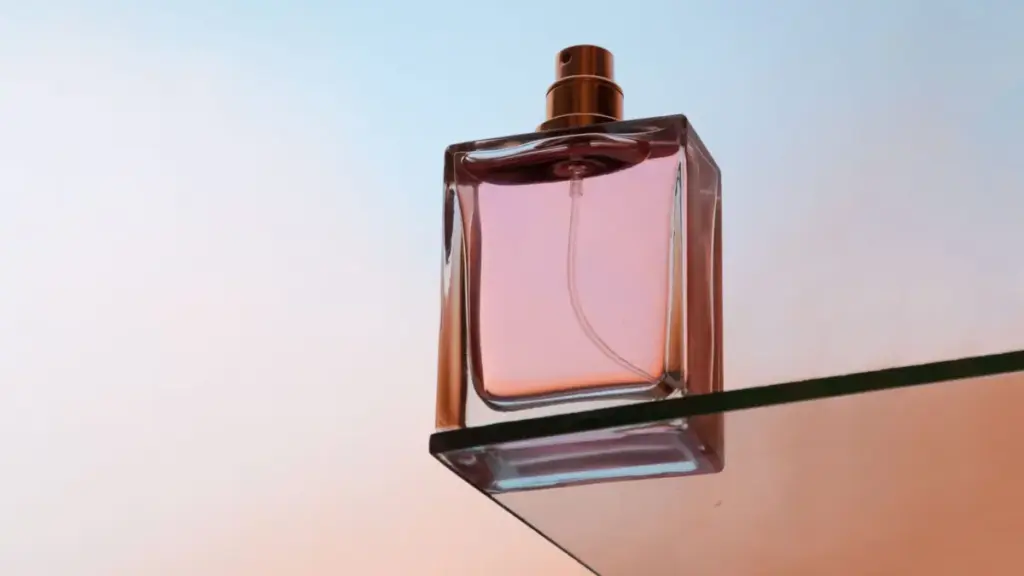
Across TikTok, Instagram, and specialized fragrance forums, a phenomenon known as "parfum gatekeeping" has ignited fierce digital debates. Content creators routinely mist themselves with high-end, intoxicating aromas in viral "Get Ready With Me" (GRWM) videos—often using unlabelled bottles—while intentionally withholding the name of the fragrance from the hundreds of thousands, or even millions, of viewers pleading for answers in the comments.
While critics dismiss the practice as immature, petulant, or overly elitist, fragrance experts, historians, and consumer psychologists argue that perfume gatekeeping is much more than petty online behavior. It is a complex defense mechanism rooted in personal identity, the psychology of scent, the fear of olfactory oversaturation, and socio-economic anxieties tied to luxury pricing and the burgeoning "dupe" market. This investigative feature explores why protecting the identity of your signature scent has become the most contentious battleground in digital beauty culture.
Detailed Chronology: The Evolution of the Scent Secret
To understand how withholding the name of a fragrance transformed from a casual social faux pas into a viral cultural touchstone, one must trace the trajectory of modern digital beauty culture over the past half-decade.
- The Pre-TikTok Era (Pre-2019): Historically, discovering someone’s perfume was an intimate, analog experience. A compliment whispered across a dinner table or a soft trail left in an elevator led to a polite exchange of brand names. Fragrance was largely viewed as an intimate accessory rather than algorithmic content.
- The Rise of Fragrance TikTok (2020–2021): Lockdowns accelerated digital consumption, propelling niches like "PerfumeTok" into the mainstream. Creators began reviewing artisanal, niche, and luxury houses. Simultaneously, virality struck specific emotional scents—such as Phlur’s Missing Person—causing massive sell-outs and establishing the blueprint for the viral perfume phenomenon.
- The Oversaturation Crisis (2022–2023): As fragrances like Maison Francis Kurkdjian’s Baccarat Rouge 540 and Le Labo’s Santal 33 achieved universal ubiquity, wearing a luxury scent lost its exclusivity. Commuters began smelling identical on trains, in gyms, and at restaurants. The backlash was swift: a visceral desire to reclaim individual olfactory identity through secrecy.
- The Mainstreaming of "Gatekeeping" (2024–Present): The hashtag
#gatekeepingmyperfumeamassed tens of millions of views on TikTok. Comment sections transformed into battlegrounds between eager consumers demanding transparency and creators deliberately hiding their bottles, cementing "gatekeeping" as both a tongue-in-cheek digital strategy and a genuinely polarizing social debate.
Supporting Context & Metrics: Decoding the Psychology of Scent
The numbers behind the trend reveal a massive cultural obsession. On TikTok alone, the concept of keeping one’s fragrance private commands over 33 million views. But why do we react so defensively to a simple question about a brand name?
Identity, Intimacy, and Olfactory Signatures
Pia Long, co-founder of independent fragrance house Olfiction Limited, notes that a person’s choice of perfume is deeply intertwined with their core identity. "As a perfume manufacturer, I should probably be advocating for us all to loudly proclaim what we wear," Long explains. "However, I totally respect that not everyone wants to share their personal perfume choice—whether online or in person."
Unlike fashion, which can be visually scanned and easily duplicated, scent interacts directly with human biology. It communicates facets of personality, mood, and memory without a single word. When an individual adopts a specific fragrance, it functions as an invisible shield or an aura. Sharing it casually feels, to some, like letting a stranger borrow a deeply personal facet of self-expression.
The Fear of the "Olfactory Uniform"
The backlash against transparency is largely driven by the fear of homogenization. When a fragrance achieves viral status—as was the case with Baccarat Rouge 540—it ceases to be a personalized signature and becomes an olfactory uniform.
"It’s like turning up to a party wearing the exact same outfit as someone else," notes one consumer in a viral TikTok discussion. "It’s embarrassing." For many digital creators, refusing to name a perfume is an active resistance against the flattening effects of the algorithm, ensuring that their immediate physical space remains uniquely theirs.
Official Statements & Expert Perspectives
Industry insiders hold contrasting views on whether withholding a fragrance name constitutes harmless self-preservation or exclusionary gatekeeping.
- The Official Definition vs. Modern Slang: According to the Cambridge Dictionary, gatekeeping historically refers to the systemic control over who gets access to resources or opportunities—a term rooted in socio-political sociology. However, the Urban Dictionary definition reflects its modern digital mutation: withholding interests to prevent them from entering the mainstream. Parfum gatekeeping sits squarely in this modern, colloquial camp.
- The Quest for Exclusivity: Eudora Nwasike, a fragrance specialist at The Fragrance Foundation, suggests that the primary driver behind scent secrecy is the desire for exclusivity. While imitation may be the highest form of flattery, the reality of modern consumerism is that true exclusivity is virtually impossible.
- The Illusion of Uniqueness: Marina Barcenilla, founder of AromAtom: The Smell of Space, argues that absolute exclusivity in perfumery is a myth. "Whether you bought a mass-produced product or an ‘insider tip,’ hundreds, thousands, or even hundreds of thousands of other people are wearing that exact same scent," Barcenilla points out. She emphasizes that it is the wearer’s subjective interpretation, skin chemistry, and personal narrative that makes a fragrance unique, not the liquid inside the bottle itself.
Economic Anxieties: Price Tags, Dupes, and Classism
Beyond the desire for aesthetic uniqueness, conversations with industry experts and consumers reveal a secondary, more pragmatic reason behind perfume secrecy: economic vulnerability.
The Shame of High Costs
In an era of rising living costs, revealing that a perfume costs a quarter of a month’s rent can invite severe online backlash. As one survey respondent noted: "I don’t want to be judged or berated for spending a huge chunk of my salary on a bottle of perfume." Conversely, individuals wearing hyper-affordable alternatives may experience equal discomfort admitting their budget-friendly roots in spaces dominated by luxury wealth signaling.
The Rise (and Controversy) of the "Dupe" Economy
At the opposite end of the spectrum lies the booming market for perfume "dupes"—affordable alternatives mimicking high-end formulations, such as Aldi’s Lacura line emulating Tom Ford and Yves Saint Laurent. While proponents argue that dupes democratize beauty by making luxury accessible, purists and indie creators argue that direct copies border on plagiarism. This economic polarization turns every inquiry into a potential socioeconomic minefield.
Future Outlook: Personalization and the Next Era of Fragrance
As we look toward the future of the fragrance industry, the tension between shared digital trends and individual identity is pushing the market toward radical personalization.
- The Rise of Custom Profiling: Driven by consumer demand for uniqueness, brands are increasingly investing in bespoke experiences. British heritage house Penhaligon’s offers "fragrance profiling"—a digital speed-dating questionnaire designed to match consumers with tailored scent profiles.
- Bespoke Blending Labs: High-end houses like Ex Nihilo (with The Osmologue) and independent entities like the Experimental Perfume Club allow consumers to mix custom formulations in-store or at home, effectively bypassing the need to gatekeep mass-market scents by creating entirely singular concoctions.
- Layering as an Art Form: For those priced out of bespoke blending, fragrance experts recommend "scent layering"—combining multiple accessible perfumes to forge an unpredictable, highly personalized olfactory footprint that cannot be easily replicated or identified by curious onlookers.
Conclusion
Ultimately, whether you choose to proudly broadcast the exact formulation gracing your pulse points or guard the name like a state secret, the perfume gatekeeping debate highlights a fundamental truth about human nature. Scent is visceral, emotional, and profoundly intimate. While the internet demands infinite access and relentless sharing, the human desire to retain a shred of untamed, un-algorithmized mystery is not only understandable—it is entirely essential.