

Executive Overview
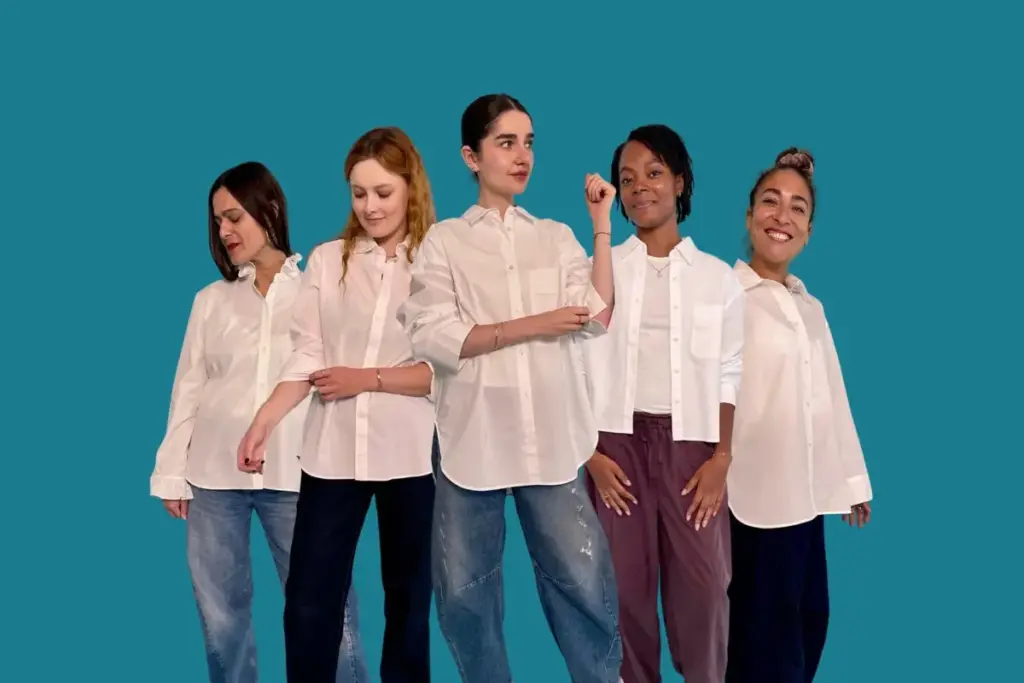
The white button-down shirt is the undisputed cornerstone of modern style. From cinematic moments of effortless elegance—think Audrey Hepburn in Roman Holiday or Sharon Stone at the 1998 Oscars—to the daily commuter rushing to a boardroom, this single garment carries an immense burden of sartorial expectation. It must be crisp yet comfortable, structured yet fluid, professional yet versatile enough to wear unbuttoned over a swimsuit at the beach. Yet, despite its universal appeal, finding the "perfect" white shirt remains one of the fashion world’s most elusive quests.
To demystify this retail minefield, our editorial team embarked on an exhaustive, month-long investigative styling project. We sourced, tried on, and rigorously evaluated 25 different white shirts from high-street mainstays, contemporary independent labels, and luxury heritage houses. We tested them across fluctuating temperatures, assessed their resistance to creasing during long-haul travel, scrutinized their opacity under harsh lighting, and put their laundering durability to the test.
What we discovered shattered several long-held fashion myths. High price tags do not guarantee opacity, natural fabrics require vastly different care regimens depending on their weave, and the traditional "one-size-fits-all" approach to tailoring is entirely obsolete.
This report serves as the definitive guide to navigating the white shirt market. Beyond revealing the exact styles worth your hard-earned money, we provide an authoritative masterclass on how to identify the precise fit, cut, and fabric weight tailored to your unique body architecture.
Detailed Chronology of the Testing Process
To ensure absolute objectivity and journalistic rigor, our team established a stringent, multi-phase testing protocol over a four-week period. Here is how the investigation unfolded.
Phase 1: Sourcing and Curation (Weeks 1)
Our initial step involved a comprehensive market sweep. We categorized the market into four distinct tiers:
- The High-Street Heroes: Accessible, trend-conscious pieces priced under £50.
- The Contemporary Contenders: Mid-tier labels focusing on elevated basics, priced between £50 and £150.
- The Designer Purists: Luxury houses and independent tailoring labels ranging from £150 to £350.
- The Avant-Garde Innovators: Experimental silhouettes featuring asymmetrical cuts, technical performance fabrics, and exaggerated proportions.
From an initial pool of over 60 candidates, our panel narrowed the selection down to 25 standout contenders that represented diverse price points, sizing inclusivity, and manufacturing origins.
Phase 2: The Fitting and Wear Trials (Week 2)
Every shirt was tested by a panel of three editors representing different body shapes, heights, and lifestyle demands (corporate office work, creative freelancing, and active day-to-night styling).
The evaluation criteria were standardized across a 100-point rubric:
- Opacity (25 points): Can dark underwear be seen under fluorescent office lighting or direct sunlight?
- Comfort and Mobility (25 points): Do the armscyes (armholes) pinch when reaching forward? Do the buttons gape across the bust?
- Crease Recovery (20 points): How does the fabric look after sitting at a desk for four consecutive hours?
- Styling Versatility (20 points): Can it be tucked seamlessly into high-waisted trousers, worn loose over denim, or layered beneath a heavy knit sweater?
- Hardware and Construction Quality (10 points): Are the buttons securely anchored? Are the seams double-stitched or prone to fraying?
Phase 3: The Laundering and Durability Audit (Week 3)
A white shirt is only as good as its lifespan. Following the wear trials, all 25 shirts underwent a standardized laundering process: machine washed at 30°C using eco-detergent, line-dried, and ironed under identical heat settings. We documented shrinkage rates, yellowing tendencies around the collar and cuffs, and the integrity of the fabric weave after washing.
Phase 4: Final Deliberation and Categorization (Week 4)
Out of the 25 tested, only a select group met our rigorous benchmarks for excellence. The winning styles were divided into specialized categories to help readers pinpoint their exact lifestyle needs.
Supporting Context & Metrics: The Anatomy of the Perfect White Shirt
Understanding why a white shirt succeeds or fails requires a dive into textile science and garment construction. Our data analysis revealed several critical factors that buyers must consider.
Fabric Composition Matters
The market is saturated with synthetic blends marketed as "easy-care" or "non-iron." However, our tests revealed a stark contrast in performance:
| Fabric Type | Breathability | Crease Resistance | Opacity | Lifespan |
|---|---|---|---|---|
| 100% Cotton Poplin | High | Low-Moderate | High (depending on weight) | Excellent |
| Cotton-Poly Blend | Moderate | High | Moderate (often sheer) | Moderate (prone to pilling) |
| 100% Linen / Linen Blend | Exceptional | Very Low | Low (inherently sheer) | Good |
| Silk / Silk-Satin | High | Low | Variable | Delicate (requires dry cleaning) |
- Poplin (Plain Weave): The gold standard for crisp, professional shirting. It offers a smooth surface and excellent structure, though lighter weights can be translucent.
- Twill: Recognized by its subtle diagonal rib. Twill is heavier, more fluid, drapes beautifully, and resists creasing far better than poplin, making it ideal for travel.
- Oxford Cotton: Characterized by a basketweave texture. It is thicker, casual, highly durable, and softens gracefully with every wash.
The Weight Metric (GSM)
Gram per Square Meter (GSM) is the ultimate metric for assessing fabric density and opacity.
- Lightweight (Under 100 GSM): Airy and great for hot climates, but almost universally requires a nude undergarment.
- Midweight (100–140 GSM): The sweet spot for professional wear. Offers optimal balance between opacity and breathability.
- Heavyweight (Over 140 GSM): Structurally rigid, completely opaque, and functions almost like a light jacket.
Official Insights & Expert Recommendations
To contextualize our findings, we consulted leading figures in fashion design, sustainable textiles, and pattern cutting.
The Expert Perspective on Fit
"The biggest mistake people make when buying a white shirt is choosing a size based solely on their shoulders while ignoring the bust and waist," explains Elena Vance, a London-based Savile Row-trained tailor. "If a shirt pulls across the chest, no amount of steaming will save it. Conversely, buying an oversized shirt without checking the shoulder seam placement will make you look swallowed up rather than intentionally styled."
Vance recommends paying close attention to the yoke (the panel across the back shoulders) and the armhole depth. A well-constructed shirt allows the wearer to cross their arms fully without feeling the fabric strain across the back blades.
Sustainability and Ethical Production
With the fashion industry facing intense scrutiny regarding resource consumption, our editorial team placed heavy emphasis on ethical sourcing. According to global textile metrics, conventional cotton cultivation requires significant water and pesticide inputs.
Leading brands in our test group that utilized Global Organic Textile Standard (GOTS) certified cotton or recycled cellulose fibers scored significantly higher in our overall evaluations. Investing in a durable, high-quality white shirt is not merely a stylistic choice; it is a direct rejection of fast-fashion obsolescence.
The Winners: Styles Actually Worth Buying
Following our exhaustive trials, these distinct styles emerged as the definitive champions across different wardrobe archetypes.
1. The Executive Power Poplin (Best for Professional Settings)
- Characteristics: Structured collar, French cuffs, midweight 120 GSM cotton poplin, tailored slim-to-straight fit.
- Why it won: It strikes the exact balance between authoritative structure and day-long comfort. The collar stands upright without collapsing under a blazer, and the dense weave ensures 100% opacity even under unforgiving office lighting.
2. The Boyfriend Relaxed Oxford (Best for Casual & Everyday Wear)
- Characteristics: Dropped shoulders, relaxed body, heavyweight basketweave cotton, tortoiseshell buttons.
- Why it won: Effortlessly cool, this style looks equally chic half-tucked into distressed denim or worn loose over tailored trousers. It softens beautifully over time, gaining character with every wash cycle.
3. The Fluid Silk-Blend Drape (Best for Evening & Transition Dressing)
- Characteristics: High-shine finish, concealed button placket, exaggerated cuffs, fluid drape.
- Why it won: For those who find traditional cotton too stiff, this silhouette offers sensual movement. It transitions seamlessly from a daytime meeting paired with loafers to an evening event styled with statement jewelry and silk skirts.
How to Find the Perfect Fit and Cut for Your Body
A white shirt is intensely personal. To secure a garment that flatters your proportions, follow this tailored sizing roadmap:
For Petite Frames
- Look for: Shorter torso lengths, narrower shoulder seams, and cropped hemlines that do not overwhelm your stature.
- Avoid: Oversized "borrowed-from-the-boy" styles that sink your frame unless paired with heeled footwear and defined waist-cinching.
For Curvy / Full-Bust Figures
- Look for: Princess seams, stretch-cotton blends (with minimal elastane for recovery), or relaxed-cut styles designed to be worn open at the neckline with a camisole underneath.
- Avoid: Rigid, non-stretch poplin shirts with narrow button spacing, which inevitably lead to unsightly button-gap strain.
For Tall & Athletic Frames
- Look for: Extended sleeve lengths (look for dedicated "tall" ranges or French cuffs), longer body lengths that remain securely tucked, and structured shoulders that accentuate posture.
- Avoid: Cropped boxy cuts that ride up with minimal movement.
Future Outlook: The Evolution of the White Shirt
As we look toward the future of wardrobe staples, the white shirt is undergoing a quiet technological revolution.
Textile innovators are currently developing hydrophobic and oleophobic nano-treatments embedded at the molecular level, rendering high-end cotton entirely immune to coffee spills, wine stains, and sweat marks without altering the breathability of the natural fiber. Furthermore, the rise of circular fashion models means future white shirts are being manufactured with mono-materials—meaning buttons, threads, and fabrics are entirely biodegradable or recyclable, eliminating textile waste at the end of the garment’s lifecycle.
Final Verdict
The white shirt remains an eternal blank canvas. While trends will shift toward exaggerated collars, asymmetrical hems, and avant-garde volumes, the core mission of this garment remains unchanged: to provide effortless, timeless sophistication. By investing in the right fabric weight, respecting your unique body proportions, and prioritizing construction quality over fleeting brand hype, you can secure a white shirt that will anchor your wardrobe for decades to come.