The multi-hyphenate cultural force Rina Sawayama is officially back in the spotlight. Following a deliberate and much-needed hiatus beginning in 2024 to recalibrate after enduring severe professional burnout, Sawayama is charting an ambitious course toward 2027. Her return spans multiple major creative domains: she is gearing up for the release of her highly anticipated third studio album, reprising her celebrated role as Shimazu Akira in the upcoming John Wick spinoff series Caine, and securing a prominent recurring role in Apple TV+’s forthcoming series Prodigies, starring alongside Ayo Edebiri and Will Sharpe.
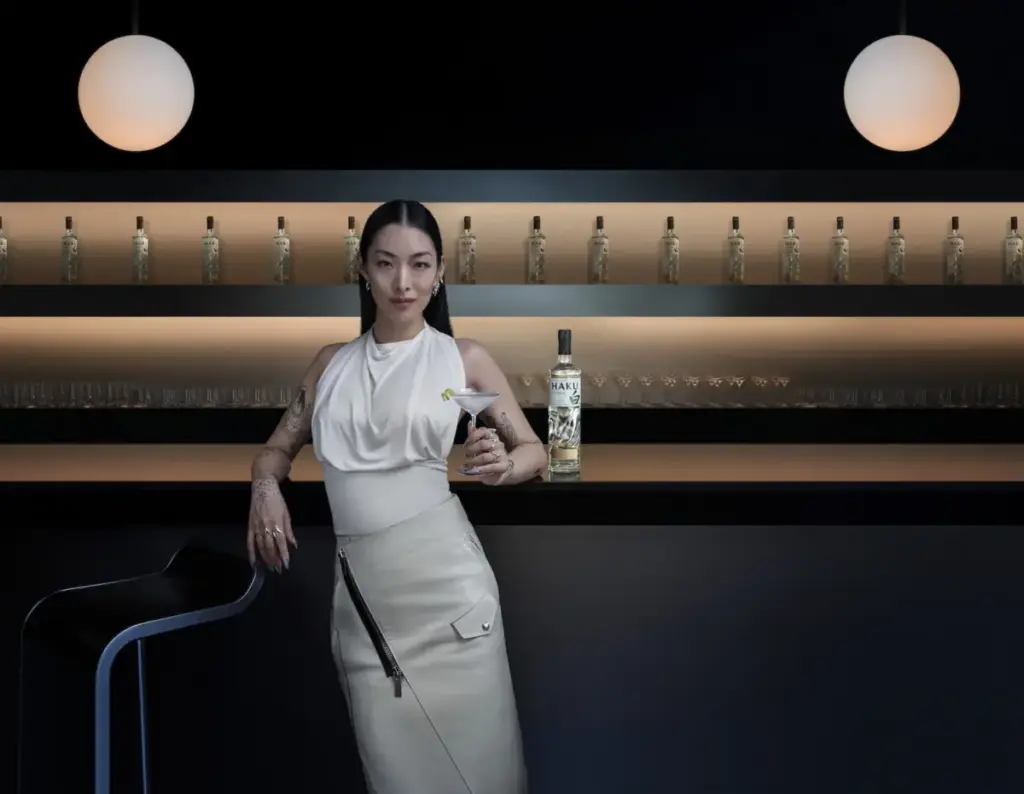
Amidst this heavy slate of production, Sawayama has also broken new commercial ground by being named Haku Vodka’s inaugural global brand ambassador. Marking this milestone, the Japanese craft vodka brand has rolled out its first major campaign, “Made to Shine,” which aims to celebrate individuality, ingenuity, and a departure from the familiar.
In an exclusive interview with Variety, Sawayama opened up about her hard-fought recovery from burnout, the arduous two-year journey through writer’s block that ultimately revived her love for music, her creative collaboration with the historic House of Suntory, and the surprisingly methodical travel and set essentials that keep her grounded while traversing the globe.
Detailed Chronology: From Burnout to Rebirth
The 2024 Hiatus and Relocation to Tokyo
To understand Sawayama’s impending 2027 renaissance, one must first look back at the breaking point that forced her pause. In 2024, at the height of an unrelenting global touring and promotional schedule, the singer-songwriter and actress made the executive decision to step back entirely from the public eye.

“I took time away starting in 2024. I just felt so overwhelmed and pretty exhausted,” Sawayama revealed. She described the insidious nature of modern creative burnout—a psychological and physical state where dreams-come-true morph into exhausting physical tolls. “It’s this weird thing where every day, you’re doing something incredible, like a mind-blowing dream come true, yet the more I pushed myself to do a month with no break—as in no weekend for several weeks—because every opportunity was exciting, the more I lost sensation. Physical sensation, emotional sensitivity, I just lost it.”
Seeking a profound environmental and psychological reset, Sawayama relocated to Tokyo, a city she had not lived in for three decades. This return to her roots served as the catalyst for her recovery. Moving away from the Western entertainment ecosystem allowed her to unmoor from the relentless cycle of content production and reconnect with her personal and ancestral history.
Navigating Writer’s Block and Reclaiming the Craft
The path back to music was far from instantaneous. For the first six months to a year following her exit from the spotlight, Sawayama doubted whether she would ever make music again.
“There was a time, fresh out of that burnout feeling, that I didn’t think I could do it. I felt like I couldn’t write the music. I felt like I couldn’t promote the music,” she explained.

What followed was a grueling, two-year battle with writer’s block. Rather than forcing inspiration, Sawayama treated creativity as an athletic discipline. She committed to showing up at the piano or the notebook even when the emotional reservoir felt completely dry. This methodical rebuilding of her artistic stamina—training the muscle to "show up for the art when you fucking don’t want to"—ultimately unlocked a renewed passion. By the time she had accumulated 30 to 40 new demos, the spark had returned, paving the way for her forthcoming third studio album.
Supporting Context & Metrics: The Intersection of Art, Activism, and Commerce
Bridging East and West: The Haku Vodka Partnership
Sawayama’s appointment as Haku Vodka’s inaugural Brand Ambassador represents a carefully curated synergy between her personal identity and corporate storytelling. As part of the House of Suntory—a brand steeped in legendary cultural resonance, particularly in the realm of Japanese whisky—Haku represents a masterclass in craft distillation.
When approached by the brand, Sawayama noted that she had never tried vodka before, but upon tasting it, she genuinely connected with the product. Crucially, her involvement went far beyond merely lending her face to a marketing poster. Sawayama embedded herself directly into the creative direction of the launch campaign and the event’s execution.
“They wanted to do a launch party. I said I want to be involved in the cocktails, and I really want to make sure that we’re getting Japanese DJs, and honoring the fact that it’s a Japanese brand, I’m a Japanese ambassador, and that the bridge between the West and the East is happening in a way that’s respectful,” she emphasized.

This commitment to authentic representation mirrors her artistic worldview. When asked which contemporary figures excel at bridging Eastern and Western cultural paradigms, Sawayama pointed directly to fellow musical auteur Mitski and tennis icon Naomi Osaka. She praised Mitski’s uncompromising artistic integrity and lauded Osaka for her fearless displays of personal expression and boundary-pushing fashion on the global athletic stage.
The Anatomy of a Hyper-Organized Creative: Travel & Set Essentials
Balancing recording sessions for her third studio album with high-stakes television and film shoots for Caine and Prodigies requires military-grade organization. Known for her exacting standards—or as she playfully puts it, being “so anal”—Sawayama relies on an intensely structured system of travel essentials to keep her grounded on set and in the studio.
- Moleskine Notebooks: Sawayama travels with multiple classic ruled Moleskine notebooks, maintaining a distinct journal for every discrete aspect of her life and projects. Because they are globally ubiquitous, she can easily replenish her stash wherever her schedule takes her.
- The Stanley Quencher Tumbler: A permanent fixture in her studio sessions and on-set trailers, keeping her hydrated amidst chaotic production schedules.
- Muji Storage & Wardrobe Systems: To streamline packing, Sawayama pre-organizes her socks and undergarments into Muji fabric storage boxes at home, allowing her to transfer them directly into her suitcase with minimal friction. She also packs clothes pre-hung, bypassing traditional folding to maximize efficiency.
- Literary Companions: A voracious reader who actively participates on Goodreads, Sawayama refuses to compromise her reading habits while traveling. Her mobile library typically consists of a Kindle Paperwhite for heavy or expansive reads, paired with physical copies of a non-fiction title, a volume of poetry, and contemporary speculative fiction like Octavia Butler’s Dawn.
Official Statements and Industry Impact
The announcement of Sawayama’s partnership with Haku Vodka and her multifaceted return to entertainment underscores a calculated repositioning within the pop culture landscape.
“Made to Shine,” the inaugural campaign developed alongside Sawayama, positions the artist as a living embodiment of the brand’s core tenets: independence, ingenuity, and the courage to deviate from established scripts. Industry analysts note that contemporary brand partnerships increasingly demand deep creative integration rather than passive endorsement—a standard that Sawayama championed by co-designing the launch event’s cocktail menu, curating its sonic landscape with Japanese DJs, and steering the overarching aesthetic narrative.

Concurrently, television and film executives are eagerly anticipating her return to the screen. Her reprisal of Shimazu Akira in the John Wick television expansion Caine ensures her continued dominance in the action-thriller genre, while her casting in Apple TV+’s Prodigies places her alongside critically acclaimed talents Ayo Edebiri and Will Sharpe, signaling a major elevation in her dramatic acting portfolio.
Future Outlook: Looking Toward 2027
As the entertainment industry looks ahead to 2027, Rina Sawayama stands as a masterclass in creative reclamation. By recognizing the physical and emotional hazards of unrelenting professional output, she chose preservation over perpetual motion.
Her relocation to Tokyo, her painstaking two-year rehabilitation from writer’s block, and her deliberate curation of brand partnerships like Haku Vodka reflect an artist operating with absolute autonomy. With a deeply personal, activist-rooted third studio album on the horizon, major television projects slated for release, and an uncompromising approach to her craft, Sawayama is not merely returning to the spotlight—she is redefining what it means to shine on her own terms.