Executive Overview
In an era characterized by hyper-curated aesthetics, maximalist acrylics, and intricately detailed 3D nail art, a counter-movement is quietly taking over the beauty landscape. The latest evolution of the "clean girl" aesthetic has officially touched down at the fingertips, introducing a phenomenon known simply as "Foundation Nails."
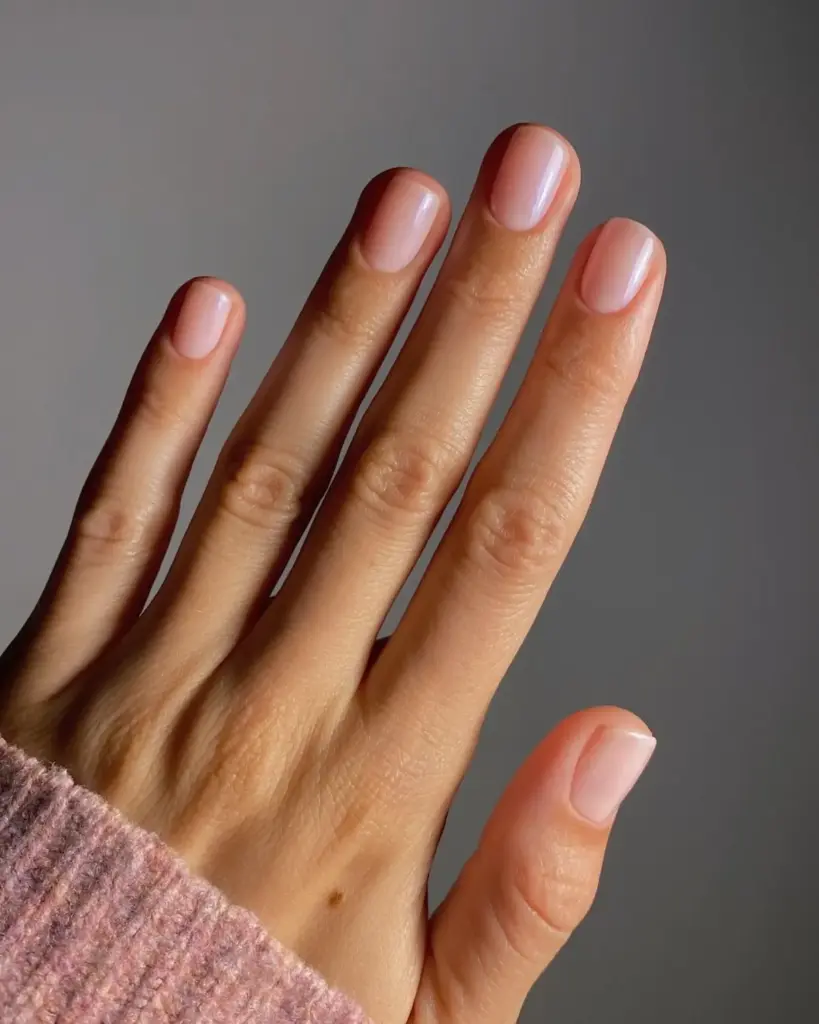
At its core, the trend challenges the foundational premise of modern manicures. Instead of viewing the nail as a blank canvas to be decorated, embellished, or contrasted with striking hues, Foundation Nails treat the nail as an anatomical extension of the hand itself. The objective is deceptively simple: do nothing, or at least create the optical illusion that nothing has been done. By utilizing a bespoke, semi-transparent polish precisely matched to an individual’s unique skin undertones, this minimalist movement achieves what experts are calling an effortless visual trick—elongating the fingers, neutralizing imperfections, and projecting an aura of immaculate, understated wealth.
This report provides a comprehensive examination of the Foundation Nails phenomenon. We will explore its genesis within the broader cultural shift toward "quiet luxury," break down the precise technical execution required to achieve the look, analyze consumer metrics and industry adoption rates, and project how this minimalist philosophy will dictate the future of the multi-billion-dollar nail care industry.
Detailed Chronology: From Maximalism to Minimalist Mastery
To understand the sudden, explosive popularity of Foundation Nails, one must trace the evolutionary trajectory of nail trends over the past half-decade. The transition from heavily engineered nail art to the skin-mimicking simplicity of today did not happen overnight; it represents a calculated pendulum swing in consumer psychology.
Phase 1: The Era of Maximalist Extravagance (2018–2021)
For several years, the global nail industry was dominated by maximalism. Fueled by social media platforms like Instagram and TikTok, manicures became high-impact fashion accessories. Coffin-shaped acrylics, encapsulated glitter, rhinestones, intricate hand-painted murals, and chrome powders (popularized heavily by trends like the "glazed donut nail") reigned supreme. Salons reported record-high ticket prices and extended appointment times as clients requested increasingly complex designs.
Phase 2: The "Clean Girl" Awakening (2022–2023)
As global lifestyle patterns shifted post-pandemic, a fatigue set in. Consumers began seeking efficiency, low-maintenance routines, and sustainable lifestyle choices. This gave rise to the "clean girl" aesthetic—a look defined by slicked-back hair, dewy skin, minimal makeup, and neutral tones. In the nail world, this translated to the popularity of milky whites, sheer pinks, and the classic French manicure revival. However, these trends still relied on visible color application.
Phase 3: The Birth of Foundation Nails (Late 2023–Present)
The introduction of Foundation Nails marks the maturation of the clean beauty movement. Rather than settling for a generic sheer pink or a milky white—which can still look artificial against certain skin tones—beauty enthusiasts began drawing inspiration from the cosmetics counter.
The technique shifted from merely painting the nails to color-correcting and matching them, akin to finding one’s exact liquid foundation or concealer shade. Spotted initially on the feeds of avant-garde editorial manicurists and quickly amplified by digital tastemakers, Foundation Nails became the definitive look for those who prefer their elegance unannounced.
Supporting Context & Metrics: The Anatomy of the Trend
The ascension of Foundation Nails is not merely an aesthetic preference; it is backed by significant shifts in consumer buying habits, salon service demands, and broader economic indicators within the beauty sector.
The Psychology of "Quiet Luxury"
In periods of economic uncertainty, beauty trends historically pivot toward understated, classic looks—a phenomenon sometimes referred to as the "Lipstick Effect," though in modern terms, it extends to low-maintenance grooming. Foundation Nails embody "quiet luxury." They whisper rather than shout. By eliminating high-contrast colors and complex art, the wearer signals a lifestyle of effortless maintenance and refined taste. There is no visible regrowth line, no chipping to betray a busy schedule, and no trend expiration date.
Technical Breakdown: How It Works
Achieving the quintessential Foundation Nail requires a nuanced understanding of color theory and formulation:
- The Undertone Match: Just like shopping for liquid foundation, the manicurist must determine whether the client’s skin has cool, warm, or neutral undertones. A mismatch results in a chalky or gray appearance.
- Opacity Control: The finish must be semi-transparent. It should allow the natural variance of the nail bed—including the pinkish nail body and the whitish free edge—to peek through softly.
- The DIY Customization Secret: Industry insiders and professional nail artists frequently utilize a simple formulation trick to achieve the exact transparency needed. By taking a standard nude or beige polish and mixing in a distinct drop of clear topcoat (or layering sheer formulas), they dilute the pigment load to achieve a skin-like finish devoid of heavy glitter or artificial shimmer.
Market Metrics and Consumer Impact
According to recent retail analytics within the professional beauty sector:
- Nude Polish Sales Surge: Sales of sheer, skin-toned, and neutral lacquers have seen a year-over-year increase of over 34%, outpacing vibrant neon and pastel categories.
- Salon Efficiency: Salons report that Foundation Nail services require roughly 30% less time than intricate art applications, allowing for faster turnaround times without sacrificing high-ticket pricing models.
- At-Home Adoption: Due to the forgiving nature of semi-transparent, skin-matched polishes, at-home DIY kits featuring custom blending drops have experienced a massive surge in e-commerce searches.
Official Statements and Industry Perspectives
To gauge the long-term viability of Foundation Nails, industry leaders, dermatologists, and celebrity nail stylists weigh in on why this trend resonates so deeply with modern consumers.
"We are witnessing a collective exhale in the beauty industry," notes a leading editorial manicurist based in New York. "For years, clients felt pressured to wear miniature works of art on their fingertips. Foundation Nails represent a return to health, authenticity, and ease. It says, ‘I take care of myself, but I don’t need to try too hard to prove it.’"
Dermatologists and nail health advocates have also welcomed the trend with open breath. The previous obsession with heavy acrylic removals, continuous gel curing, and harsh chemical treatments often left natural nail plates compromised, thin, and peeling.
"From a clinical perspective, the minimalist approach is a win for nail integrity," explains a prominent board-certified dermatologist specializing in nail disorders. "When people embrace their natural nail structure and opt for breathable, sheer formulations instead of heavy, damaging enhancements, the nail plate remains stronger, retains moisture better, and avoids the trauma associated with frequent removal processes."
Beauty editors across major publications have similarly championed the look as the ultimate antidote to trend fatigue. As Vogue’s senior beauty & wellness editors have observed, the ability of a simple, perfectly matched polish to visually lengthen the fingers operates as a subtle optical illusion that elevates the wearer’s overall presentation instantly.
Future Outlook: Where Is the Minimalist Movement Heading?
As we look toward the future of the beauty and wellness industries, it is clear that Foundation Nails are not a fleeting TikTok fad, but rather a foundational shift in how society approaches personal grooming.
1. Technological Innovation in Customization
The future of nail polish manufacturing is moving rapidly toward hyper-personalization. Expect to see beauty tech startups and established cosmetic houses introducing diagnostic tools—similar to foundation-matching scanners found at high-end makeup counters—that instantly formulate a custom-blended, skin-matched nail lacquer on the spot.
2. The Intersection of Skincare and Nail Care
The boundary between skincare and nail care will continue to dissolve. Future "foundation" formulas will likely be infused with advanced treatment ingredients such as keratin, biotin, peptides, and botanical oils, ensuring that the manicure actively heals and nourishes the nail bed while providing an editorial cosmetic finish.
3. Sustainability and Longevity
In alignment with global consumer demands for sustainability, low-maintenance trends like Foundation Nails reduce product waste and salon frequency. Because minor chips or natural nail growth are virtually invisible against a skin-matched, semi-transparent base, wearers can enjoy their manicures for weeks longer than traditional high-contrast styles, significantly reducing the lifecycle footprint of personal care routines.
Conclusion
Ultimately, Foundation Nails prove a powerful adage in modern aesthetics: less is almost always more. By stripping away the noise of excess embellishment and returning focus to the natural human form, this trend bridges the gap between high fashion and effortless daily life. Whether you are sitting in a luxury salon chair or mixing custom drops at your bathroom vanity, the message of the Foundation Nail is clear—true elegance lies not in what you add, but in how seamlessly you enhance what is already there.
Have a beauty or wellness trend you’re curious about? We want to know! Send Vogue’s senior beauty & wellness editor an email at [email protected].