Executive Overview
What do Tom Brady, Rico Nasty, and Sophia Lamar have in common? Until very recently, the answer would have been an absolute nothing. They inhabit entirely different spheres of contemporary culture—spanning the meticulous, high-stakes discipline of professional American football, the avant-garde, boundary-pushing universe of modern hip-hop, and the foundational, deeply historical roots of downtown New York performance art. Yet, in a masterstroke of modern casting that continues to redefine the boundaries of luxury fashion, they now share a singular, highly coveted they are the faces of Gucci.
Alongside a global superstar cast featuring Shawn Mendes, Jin of BTS, Ningning of aespa, Kate Moss, and Alex Consani, this eclectic trio anchors the Italian luxury house’s latest cultural pivot. Under the creative direction of Demna, the brand’s aesthetic has long been characterized by a dizzying velocity. It has been slick, sexy, fast, furious, and larger than life. Demna, acting as equal parts couturier and cultural sociologist, has never shied away from holding up a mirror to contemporary society. He has relentlessly interrogated the digital alteration and AI-ification of the human face, deconstructed the raw sex appeal that continues to drive the multi-billion-dollar luxury sector, and even staged a literal shutdown of Times Square in an ultimate display of late-capitalist, panoptic spectacle.
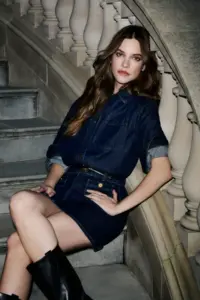
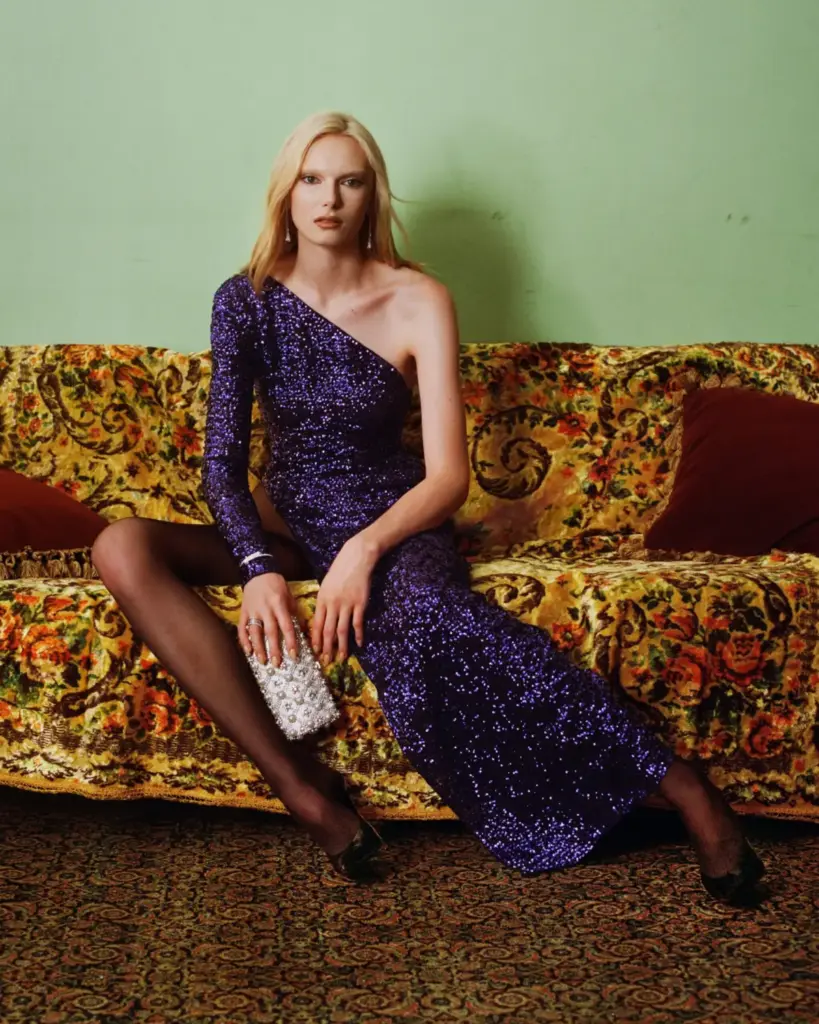
Given this history of high-octane provocation, his Primavera campaign for the Fall/Winter 2026 collection represents a fascinating, calculated left turn. Eschewing pure shock value for something profoundly more intimate, the campaign places its primary focus on the art of human connection, vulnerability, and love. Ten striking, culturally disparate individuals were photographed by Michal Chelbin, striking poses that invoke the classical angles, rich color palettes, and heavy textures of the Italian Renaissance. Yet, this historical pastiche is jarringly and brilliantly juxtaposed with hyper-modern silhouettes: ultra-tight jersey tops, distressed leather jackets, and shimmering, sequined party dresses dreamed up by Demna for the season.
This comprehensive report examines the genesis, execution, and cultural implications of Gucci’s Fall/Winter 2026 Primavera campaign. Through a detailed chronology of the launch, contextual metrics of modern luxury marketing, an analysis of the creative forces involved, and a forward-looking assessment of Demna’s trajectory at the helm of the storied Florentine house, we explore how fashion is pivoting away from digital detachment and back toward tangible, human communion.
Detailed Chronology
The Prelude: The Primavera Runway Show (February 2026)
The groundwork for the Fall/Winter 2026 campaign was laid months prior during the initial presentation of the Primavera collection in Milan. Set inside a vast, museum-like interior dominated by towering marble busts and classical architecture, the runway show immediately established a dialogue between antiquity and the hyper-present.
Musician Shawn Mendes sat front row, observing as a diverse roster of modern icons—including breakout star Alex Consani—brought Demna’s casual-yet-singular vision to life. The styling was a masterclass in contrasts. Opulent spaces played host to a remarkably democratic, wildly eclectic casting pool. The runway featured the goth-inflected edge of Gabbriette, the svelte, paparazzi-dodging elegance of Emily Ratajkowski, and the enduring, fiercely protective mystique of supermodel Kate Moss. The presentation signaled that while Gucci under Demna remained deeply glamorous, its doors were open to an increasingly wide spectrum of archetypes.
The Stills: Michal Chelbin’s Renaissance Revival
As the campaign rolled out globally, the first wave of media focused on the print and digital imagery shot by renowned photographer Michal Chelbin. Known for her poignant, psychologically charged portraits that frequently bridge the gap between theatrical staging and gritty realism, Chelbin captured the ten campaign stars against moody, painterly backdrops.
Tom Brady, Rico Nasty, and Sophia Lamar—alongside Mendes, Jin, Ningning, and Consani—were arranged in compositions that directly referenced Renaissance portraiture. The lighting mimics the dramatic chiaroscuro of Caravaggio, while the fabrics catch the light in a manner reminiscent of Venetian masters. However, the models’ expressions remain resolutely modern: bored, intense, defiant, or detached. This tension between historical reverence and contemporary ennui became the defining visual signature of the campaign’s print rollout.
The Centerpiece: The Johan Renck Short Film
While the still portraits commanded immediate attention across digital billboards and magazine spreads, the true pièce de résistance of the launch debuted in late spring: a narrative-driven campaign video directed by legendary music-video visionary Johan Renck.
Renck, whose iconic filmography includes the hypnotic, fluorescent-drenched videos for Madonna’s "Hung Up" and Kylie Minogue’s "Love At First Sight," brought his cinematic mastery to a dimly lit, wood-paneled room filled with strangers. At the center of the space stands Kate Moss. Rather than appearing in a still-life photograph, Moss takes absolute command of the narrative, delivering a haunting, emotional lip-sync performance of Chris Isaak’s timeless torch song, “Wicked Game,” to an audience of uneasy, silent onlookers.
As the video begins, the atmosphere is thick with social anxiety. The attendees—a cross-section of the campaign’s diverse cast—exchange wary, guarded glances. Moss itself settles into the performance, her face registering the raw vulnerability of the lyrics. However, as the song builds toward its emotional crescendo and Moss delivers the iconic, aching line, "Oh I, don’t wanna fall in love," the psychological dynamic of the room undergoes a radical transformation.
Instead of driving people apart, the confession of emotional armor paradoxically brings them together. The room thaws; the strangers begin to pair off, making direct eye contact, holding hands, and forging physical connections.
Film and fashion critics immediately drew parallels between Renck’s direction here and his seminal work on The Knife’s 2003 music video for “Pass This On,” which similarly utilized a moody, intimate interior space and a charismatic blonde performer captivating an awkward, observant crowd. By translating this trope into a luxury fashion campaign, Demna and Renck crafted a poignant meta-commentary on the state of contemporary socialization—suggesting that even within the hyper-curated, transactional world of fashion, the ultimate luxury is genuine human touch.
Supporting Context & Metrics
The Evolution of Gucci Under Demna
To fully understand the weight of the Primavera campaign, one must examine the trajectory of Gucci since Demna assumed the creative mantle. Following a hyper-romantic, maximalist era defined by historical pastiche and vintage eclecticism, Demna’s arrival injected the house with a jolt of contemporary sociological commentary.
Where previous eras celebrated the collector, Demna celebrated the commuter, the club kid, the corporate worker, and the internet-poisoned youth. His collections have consistently used clothing as a satirical and celebratory lens through which to view modern habits.
| Campaign Era / Show | Primary Aesthetic Focus | Key Cultural Commentary |
|---|---|---|
| Debut Collections | Subverted Corporate & Streetwear | The democratization and commodification of everyday uniforms. |
| Times Square Takeover | High-Glamour Specularity | The panoptic nature of modern surveillance and urban spectacle. |
| Primavera (FW 2026) | Historical Textures & Intimacy | The counter-movement against digital isolation; the art of IRL connection. |
The Power of Cross-Generational Casting
The inclusion of figures like Tom Brady, Jin of BTS, and Rico Nasty highlights a sophisticated, data-driven approach to global audience segmentation. In the luxury sector, relying on a singular demographic or regional market is no longer viable.
- The Sports Icon: Tom Brady bridges the gap between traditional American prestige, wellness culture, and mainstream global recognition, pulling in demographics that typically do not engage with high-fashion editorial.
- The K-Pop Powerhouse: Jin of BTS represents the unstoppable economic and cultural force of South Korean pop culture. K-pop ambassadors routinely generate millions of dollars in earned media value (EMV) within hours of an announcement, driving massive engagement across Asian markets.
- The Avant-Garde Edge: Artists like Rico Nasty and cultural fixtures like Sophia Lamar ensure that Gucci maintains its subcultural credibility, appealing to Gen Z consumers who prioritize authenticity, counter-cultural identity, and inclusivity.
Official Statements & Industry Reception
While traditional press releases from luxury conglomerates often rely on boilerplate hyperbole, the discourse surrounding Demna’s Gucci Fall/Winter 2026 campaign has sparked deeper conversations among fashion editors, cultural critics, and consumers alike.
In statements accompanying the launch, representatives for the house emphasized that the Primavera collection was conceived as an antidote to screen fatigue. "We live in an era where every interaction is mediated by glass, pixels, and algorithms," a brand spokesperson noted during the Milan preview. "Demna wanted to return to the root of why people gather. Fashion has always been a social armor, but it is also an invitation to touch, to look, and to feel."
Industry analysts have praised the campaign’s emotional depth. Writing in leading trade publications, fashion critics noted that while Demna’s past stunts—such as halting traffic in the heart of Manhattan—proved his mastery over external spectacle, the Primavera campaign reveals a maturing designer willing to quiet the noise.
"By utilizing Kate Moss as an emotional vessel rather than just a static clothes horse, Gucci has bypassed traditional marketing tropes," wrote one prominent fashion commentator. "It’s a campaign that acknowledges our collective loneliness while offering a shimmering, sequined path out of it."
Future Outlook
As the Gucci Primavera collection hits boutiques and digital storefronts worldwide via gucci.com, the broader implications of this campaign will likely shape luxury marketing strategies for seasons to come.
The pivot from detached, digital-first irony toward warm, narrative-driven human connection signals a broader cultural pendulum swing. As artificial intelligence threatens to flood the commercial landscape with frictionless, synthetic perfection, consumers are increasingly placing a premium on flaws, emotional resonance, and physical presence.
Demna’s genius has always resided in his ability to read the room—often before the room even realizes it is being observed. By forecasting a collective exhaustion with digital alienation and replacing it with the raw, acoustic vulnerability of a Chris Isaak cover sung by Kate Moss, Gucci has not only sold a collection of gold lamé pants, micro-minis, and Horsebit heels; it has sold an emotional narrative.
Whether this newfound romance will permanently temper Demna’s penchant for apocalyptic runway spectacles remains to be seen. However, for a fashion industry perpetually searching for its next emotional fix, the Primavera campaign offers a compelling blueprint: come one, come all, and don’t be afraid to fall in love—preferably while wearing the absolute best clothes in the room.