Executive Overview
By the dawning of the 1990s, the landscape of American popular music was bloated, predictable, and rapidly running on fumes. The mainstream rock sphere was utterly dominated by theatrical hair metal bands—synthesized anthems of excess characterized by high-pitched wails, relentless guitar solos, teased hair, and leather pants. While commercially viable, this genre had become a sterile caricature of rock-and-roll rebellion. The future of the genre felt intensely obscured, trapped in an identity crisis, and alienated from the socio-cultural realities of disillusioned youth.
Then came September 10, 1991.
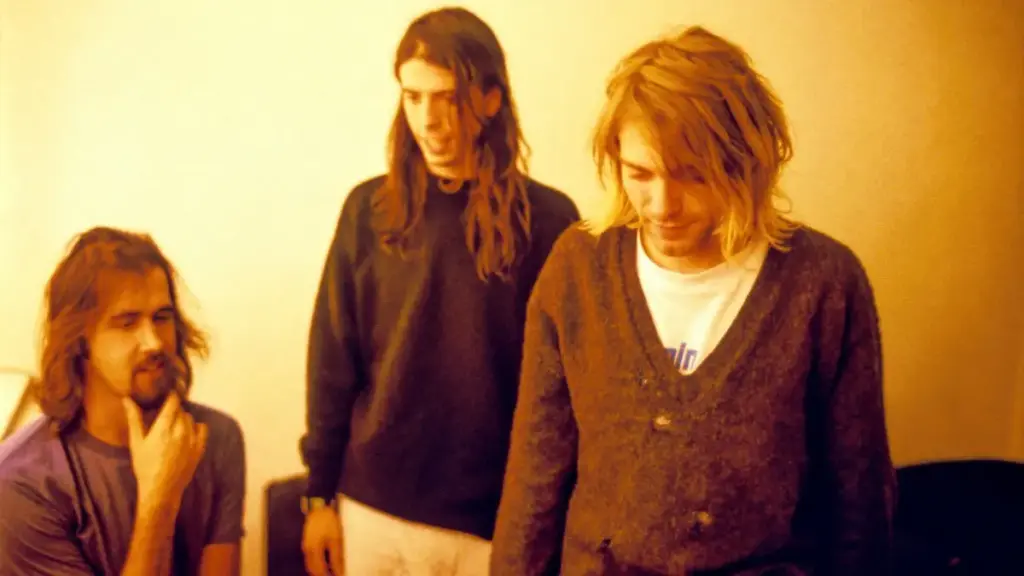
With the release of a single, jagged track titled "Smells Like Teen Spirit," followed closely by their sophomore studio album Nevermind, a trio from Aberdeen, Washington, fundamentally altered the trajectory of contemporary music. Nirvana—comprising frontman and primary songwriter Kurt Cobain, bassist Krist Novoselic, and powerhouse drummer Dave Grohl—catapulted a raw, moody, and insular subculture known as "grunge" out of the damp, underground basements of Seattle and onto the global stage.
What followed was not merely a commercial triumph, but a complete paradigm shift. Nirvana’s ascension dismantled the old guard of the music industry almost overnight. It replaced stadium-sized ego with vulnerable introspection, polished production with muddy distortion, and manufactured gloss with genuine angst. In January 1992, Nevermind achieved the unthinkable by dethroning pop royalty Michael Jackson’s Dangerous at the apex of the Billboard 200 chart. This moment signaled more than just a passing commercial victory; it was a cultural coup d’état. This in-depth retrospective explores the anatomy of that revolution—tracing Nirvana’s trajectory from Seattle obscurity to global ubiquity, analyzing the meticulous architecture of their breakthrough material, and assessing the enduring, generational legacy of a movement that forever redefined the sound of modern rebellion.
Detailed Chronology: From the Underground to the Pinnacle
The Seattle Incubator and the Sub Pop Era
Long before they were headlining international arenas, Nirvana was just another struggling outfit navigating the vibrant, insular Pacific Northwest music scene. Throughout the late 1980s, Seattle had been quietly brewing a potent sonic cocktail, fusing the sludgy guitar tones of Black Sabbath with the aggressive, fast-paced ethos of punk rock. This nascent movement found a natural home at Sub Pop Records, an independent label spearheaded by Jonathan Poneman and Bruce Pavitt.
Nirvana’s 1989 debut album, Bleach, recorded on a shoestring budget of just over $600, was a moderate underground success. It established the band’s heavy, abrasive aesthetic. However, Kurt Cobain quickly grew frustrated with Sub Pop’s limited distribution capabilities and financial instability. Cobain realized that if the band’s message was to reach beyond regional borders, they needed to enter the ecosystem of a major record label.
The turning point arrived through the counsel of Kim Gordon of Sonic Youth. Recognizing the raw, generational talent bottled inside Nirvana, Gordon urged Cobain to pursue a major-label distributor. The band heeded this advice, setting into motion a high-stakes corporate transition.
The DGC Signing and the Genesis at Sound City
On April 30, 1991, Nirvana officially inked a recording contract with DGC Records (Geffen Records), signaling a monumental leap from the independent underground to corporate rock machinery. As part of the negotiation, Sub Pop was offered a buyout for the group along with a percentage of album sales from Nirvana’s forthcoming major-label debut. In a nod to their indie roots, early pressings of the album featured the Sub Pop logo alongside DGC Records—a final, fleeting bridge to their D.I.Y. origins.
Between May and June of 1991, the band entered Sound City Studios in Los Angeles, California, to record the album that would become Nevermind. Crucially, these sessions marked the recorded debut of Dave Grohl on drums. Grohl had officially joined the band in September 1990, bringing an explosive, physically punishing drumming style and soaring vocal harmonies that completed Nirvana’s signature dynamic.
Working alongside producer Butch Vig, the band crafted a sound that balanced subterranean heaviness with undeniable, radio-friendly melodic hooks. Vig smoothed out the raw edges of Bleach without neutering the band’s visceral power, capturing lightning in a bottle across tracks like "Come As You Are," "In Bloom," and "Lithium."
The August-September 1991 Rollout
In early 1991, Cobain famously set out to write the "ultimate pop song," deliberately drawing inspiration from the jagged, dynamic songwriting structures of Boston alternative pioneers the Pixies. The resulting track, "Smells Like Teen Spirit," served as the lead single for Nevermind.
Before the single hit store shelves, DGC pushed the track out to radio stations on August 27, 1991, hoping to build early buzz within the alternative rock community. When the physical single dropped on September 10, 1991, its initial commercial impact was surprisingly modest. In fact, the band and their management anticipated that the more melodic, mid-tempo follow-up single, "Come As You Are," would be the track to break them into the mainstream consciousness.
Instead, "Smells Like Teen Spirit" caught fire on alternative radio stations, fueled by an organic wave of youthful fervor. Just two weeks after the single’s release, coinciding with the arrival of Nevermind in stores, MTV broadcasted the music video during its late-night alternative showcase, 120 Minutes.
The Tipping Point and Chart Supremacy
The music video—directed by Samuel Bayer and shot on a soundstage in Culver City for less than $50,000—captured the anarchic spirit of a high school pep rally devolving into a riot. Featuring a bored janitor wearing a smirk and a sweater, cheerleaders sporting anarchy symbols, and a surging, moshing crowd, the visual was an instant masterclass in anti-establishment cool.
"Smells Like Teen Spirit" quickly transitioned from a late-night novelty into a heavy-rotation daytime fixture on MTV. Album sales skyrocketed exponentially. By January 1992, Nevermind achieved an unthinkable milestone: it knocked Michael Jackson’s undisputed pop juggernaut, Dangerous, out of the No. 1 spot on the Billboard 200 chart. The underground had officially overthrown the mainstream.
Supporting Context & Metrics: The Anatomy of a Cultural Earthquake
To fully grasp the magnitude of Nirvana’s breakthrough, one must examine the socio-economic and cultural metrics of the music industry in 1991.
- Commercial Velocity: Nevermind was initially shipped by Geffen Records with modest expectations of roughly 250,000 copies—standard projections for a promising alternative act. Within months, the album was selling over 400,000 copies a week at its peak. To date, Nevermind has sold over 30 million copies worldwide, cementing its status as one of the best-selling albums of all time.
- The Death of Hair Metal: The charts of 1989 and 1990 were populated by multi-platinum releases from bands like Poison, W.A.S.P., Warrant, and Motley Crue. Within eighteen months of Nevermind‘s release, major record labels systematically dropped hair metal bands from their rosters. Guitar solos were suddenly replaced by raw power chords, and leather-and-spandex wardrobes were discarded in favor of flannel shirts, ripped jeans, and thrift-store cardigans.
- The Demographics of Disillusionment: Generation X was coming of age in an era defined by economic recession, the end of the Cold War, and a growing cynicism toward institutional authority. Nirvana’s music provided a collective voice for this demographic. Cobain’s lyrics—opaque, emotional, and laced with self-loathing and irony—spoke directly to an audience that felt deeply misunderstood by the hyper-optimistic, consumerist ethos of the 1980s.
Official Statements and Personal Testimonies
The profound impact of Nevermind was recognized even before the album hit shelves, as those closest to Kurt Cobain understood that the music possessed a transformative, gravity-defying power.
In the poignant 2015 documentary Montage of Heck, Cobain’s mother, Wendy O’Connor, recalled the exact moment she first heard the master cut of the album. Recognizing the undeniable cultural tidal wave bearing down on her son, she offered a stark, prophetic warning:
"This is going to change everything. You better buckle up because you’re not ready for this."
History proved her warning entirely accurate. Cobain himself often wrestled publicly with the dizzying velocity of his newfound fame, expressing a persistent ambivalence toward stadium-sized stardom. In a 1992 interview with Rolling Stone, reflecting on the commercial monster he had created, Cobain articulated the paradoxical burden of success:
"Success doesn’t suck, but the attention that comes with it does. It’s nice to be able to pay the rent and not have to worry about buying food, but the media scrutiny is something else entirely."
Producer Butch Vig noted the unique chemistry within the studio that allowed these lightning-in-a-bottle moments to occur:
"Kurt had this uncanny ability to switch from a whisper to a scream in a fraction of a second. When we recorded at Sound City, we didn’t use massive, over-engineered vocal trickery. We just captured his raw intensity. You could feel the walls shaking."
Future Outlook: The Enduring Echoes of Grunge
Decades after the amplifiers fell silent following Kurt Cobain’s tragic death in April 1994, the shockwaves of Nirvana’s brief, brilliant reign continue to reverberate through the global music ecosystem.
The immediate aftermath of Nevermind opened the floodgates for the entire Seattle grunge diaspora—Pearl Jam, Soundgarden, and Alice in Chains—transforming regional alternative scenes into a dominant global genre. More broadly, Nirvana shattered the rigid boundaries between independent underground music and major-label commerce. They proved that artistic integrity, abrasive noise, and deeply personal vulnerability could capture the hearts of millions without compromising their core ethos.
Today, the legacy of "Smells Like Teen Spirit" and Nevermind extends far beyond nostalgia. Modern alternative, indie rock, and even contemporary hip-hop artists frequently cite Nirvana as a foundational blueprint for emotional authenticity and anti-establishment posture. The band taught subsequent generations that pop music doesn’t need to be polished to perfection to connect deeply; sometimes, the most enduring anthems are born out of dissonance, doubt, and raw, unfiltered human emotion.
As the music industry continues to evolve through digital streaming algorithms and hyper-curated playlists, the explosive spark of September 1991 remains a powerful reminder: music still possesses the capacity to tear down walls, unite a generation, and change the world overnight.