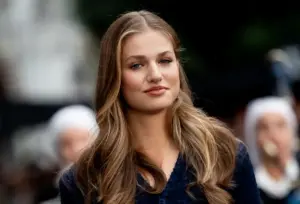
As autumn leaves begin to turn across the British Isles, the nation’s television landscape is preparing for one of its most seismic shifts in modern broadcasting history. Strictly Come Dancing—the BBC’s crown jewel of weekend entertainment—is returning to screens for its latest series with a dramatically overhauled identity. After years of stability under the beloved stewardship of Tess Daly and Claudia Winkleman, the primetime behemoth is stepping into uncharted territory.
Out with the old guard, and in with a fresh, unpredictable triumvirate: television veteran Emma Willis, comedian Josh Widdicombe, and professional dancer turned broadcasting sensation Johannes Radebe.
The transition has been anything but ordinary. In a move designed to mirror the covert operations of a Cold War espionage thriller, the BBC orchestrated a selection process shrouded in absolute secrecy. Hopeful presenters were smuggled into undisclosed locations in unmarked cars under the guise of filming a fictional gardening program called The Great Garden Glow Up.
This comprehensive deep-dive explores the high-stakes casting process, the internal dynamics of the new hosting trio, the personal and professional stakes for Willis, Widdicombe, and Radebe, and what this radical reinvention means for the future of British Saturday night television.
Detailed Chronology: From Cold War Auditions to Ballroom Reveal
The journey toward the new Strictly presenting lineup began months before the public announcement, characterized by a level of operational paranoia that surprised even the seasoned television personalities involved.
The Cloak-and-Dagger Casting Process
When the BBC first approached prospective hosts, the production team went to extraordinary lengths to prevent leaks from piercing the media bubble. Josh Widdicombe, recounting the audition phase to the press, described the experience with wry amusement.
"It was like being a spy in the Cold War," Widdicombe shared. "I was pretending I was in a John le Carré book."
Drivers dispatched to pick up the high-profile candidates were given strict, deceptive instructions. They were explicitly told—and expected to relay to anyone who asked—that they were transporting talent for The Great Garden Glow Up.
Initially, the audition structure did not involve a trio. Hopefuls were brought into the process in pairs, testing various chemistry combinations behind closed doors. Widdicombe noted that he was informed early on that the show would not be utilizing a trio format, a revelation that initially dampened his competitive expectations. "I remember thinking, that’s a shame because that would give me more chance to get it," he laughed.
The Accidental Triumvirate
The turning point in the casting process occurred entirely by chance. Widdicombe was waiting in a callback room—an environment he vividly described as being filled with tension, "pacing and sweating"—when Johannes Radebe casually walked through the door.
The initial reaction was one of mutual bewilderment. "I was like, are they pitching us against each other?" Radebe recalled. Widdicombe shared the sentiment, wondering if producers were pitting "the two weirdos against each other" to see who would emerge victorious.
It was only then that producers introduced Emma Willis into the mix, marking the very first time the three future co-hosts occupied the same room.
“They said, listen, this is just kind of last minute," Willis explained. “What we’ve seen across the week, we just wondered, could it work as a three, and how would you three be together? We were like, don’t know, hopefully good.”
Despite having spent little time together prior to that fateful afternoon, the chemistry was immediate. Widdicombe likened the experience to a remarkably successful first date: "It was like when you go on a date and you’re like, that was good." To commemorate a moment they suspected might change their lives, the trio snapped a quick selfie—though none of them can now remember whose phone holds the photographic evidence of their historic first meeting.
Supporting Context & Metrics: The Anatomy of a Primetime Transformation
Replacing a presenting duo as entrenched in British popular culture as Tess Daly and Claudia Winkleman is no small feat. Daly and Winkleman defined an era of television, guiding viewers through tears, triumphs, and the occasional navigational disaster on the dance floor for nearly two decades.
The Burden of Legacy
Strictly Come Dancing is not merely a television show; it is a cultural institution that routinely pulls in audience figures exceeding 10 million viewers per episode during its peak run. The show anchors the BBC’s autumn and winter schedules, driving engagement across iPlayer, radio, and social media platforms.
Historically, the show’s format has relied on a distinct division of labor: one presenter stationed near the judges to banter and manage the scores, and another backstage in the Clauditorium, comforting weeping contestants and hyping up the professional dancers.
However, the incoming trio has made it clear they intend to rewrite the operational rulebook.
“It’s not like you’re Tess, you’re Claudia,” Widdicombe noted during rehearsals, gesturing toward his co-hosts. “We don’t want it to feel like those roles are divided and different. We want it to feel like a team.”
The Stakes for the BBC
The decision to alter a winning formula comes at a critical time for public service broadcasting. As linear television faces mounting pressure from on-demand streaming giants, the BBC relies heavily on live event television to retain viewer loyalty. By injecting fresh energy into Strictly, the corporation is betting that a dynamic, cross-genre trio can capture a younger, more diverse demographic while respecting the core traditions that loyal fans hold dear.
Official Statements & Personal Perspectives
The pressure of stepping into the Strictly spotlight varies wildly among the three new hosts, each bringing a unique background in television, comedy, and dance.
Emma Willis: Unfazed by the Scrutiny
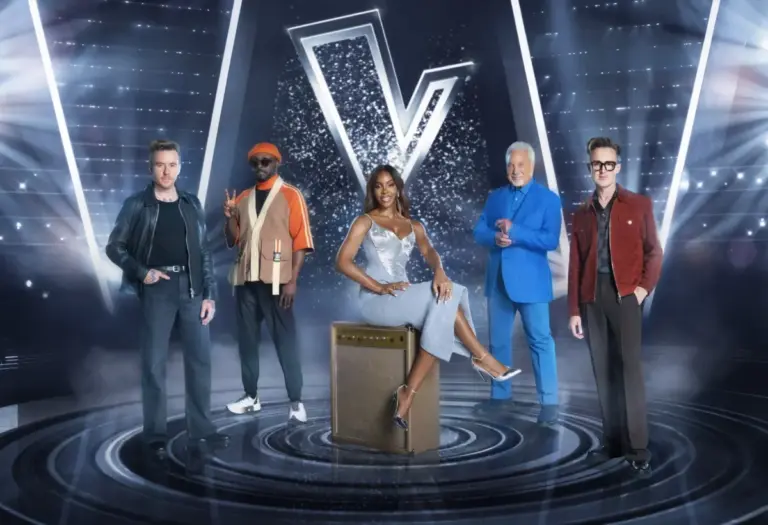
Of the trio, Emma Willis arrives with the most extensive live television pedigree, having fronted major juggernauts such as Big Brother, The Voice UK, and Love Is Blind. When asked about the inevitable scrutiny and fan backlash that accompanies high-profile television changes, Willis is remarkably sanguine.
“I don’t know if it helps, but I definitely know what to expect,” she said. “I’m ready for the comparisons. I am ready for the negative things, opinions that can come with these things. But on the flip side, those things I don’t engage with or read, and there are always positives as well.”
Turning 50 this year has imbued Willis with a renewed sense of professional liberation. When a journalist gently raised the topic of her age, she bristled slightly before offering a powerful meditation on longevity in the entertainment industry.
"I’m more sure of myself. I know what I want to do. I’m not going to apologise for myself and my successes, like I’ve done for the last 25 years," Willis stated firmly. "We’re incredibly lucky to be doing what we do, and I’m not about to step down and slow down for anything. I say, bring it on. Life is short. So take these opportunities when they come your way, because at some point they’ll stop."
Despite the magnitude of the role, hesitation was never an option. "There’s obviously a fear, because of the enormity of it and you have nerves about being good enough to step into the role," she reflected. "But there’s definitely no hesitation. As a presenter, there are few shows on for that length of time that are live television… so it was definitely a positive aspect of it for me."
Johannes Radebe: Overcoming Imposter Syndrome
For Johannes Radebe, making the leap from professional dancer—where he has spent years guiding celebrity partners across the floor—to main-stage presenter required a psychological adjustment.
“I had to sit with myself and say, ‘What? Who do you think you are?’” Radebe confessed, recalling the moment he received the offer.
Salvation came via a pep talk from his agent, who reminded him of the unique authenticity he brings to the table. "He was the one that said to me, ‘Nothing ventured, nothing gained’. If anybody was afforded this opportunity amongst my peers, any one of them would jump on it… You’re speaking about your passion.”
Demonstrating the quick-witted banter that will likely define the new series, Josh Widdicombe immediately chimed in with a quip: "And that’s why you turned down Match of the Day, isn’t it?"
Josh Widdicombe: Embracing the Glitter
As a celebrated comedian and team captain, Widdicombe brings self-deprecating humor to the ballroom. When pressed on whether he plans to fully immerse himself in the aesthetic excesses of the show, his answer was definitive.
“I am going to dabble in fake tan,” Widdicombe declared with a grin. “Why not?”
Future Outlook: A New Era Begins
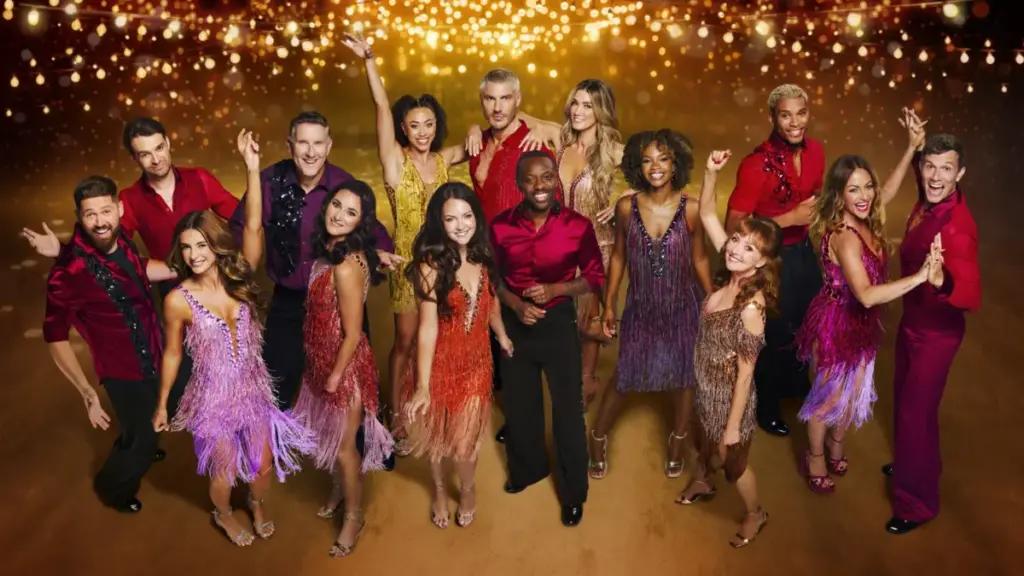
As the countdown to opening night ticks down, the anticipation surrounding the September 19 premiere is palpable. Fifteen new celebrities are waiting in the wings, rehearsing their routines under the watchful eyes of the professional choreography team.
Yet, all eyes will undoubtedly be fixed on the main stage to see how Willis, Widdicombe, and Radebe handle the white-hot heat of live Saturday night television.
Summarizing the collective philosophy of the new presenting team, Willis offered a grounded perspective that should reassure even the most skeptical purists:
"We aren’t reinventing the wheel. We’re not rocket scientists. We’re working on an entertainment show about dancing that is meant to bring joy to everybody watching it. Hopefully we can be a small part of that joy and have a really lovely time doing it."
The glitter cannons are loaded, the band is tuning up, and the ballroom doors are finally swinging open.
*Strictly Come Dancing starts at 7:25pm on BBC One and iPlayer on Saturday, September 19.*