Executive Overview
Navigating body hair grooming routines is an inherently personal journey, yet few areas invite as many questions—or carry as many misconceptions—as shaving the pubic region. While gliding a razor across shins, calves, or underarms becomes second nature over time, the delicate anatomy of the vulva presents an entirely different set of physiological challenges. From razor burn and contact dermatitis to stubborn, painful ingrown hairs, improper hair removal techniques in this sensitive zone can quickly lead to discomfort.
Crucially, experts emphasize that hair removal is entirely optional. Pubic hair serves a biological purpose, acting as a natural cushion and protective barrier for the genitals. Despite this, many individuals choose to groom, trim, or entirely remove their pubic hair for personal comfort, aesthetic preferences, ease during swimsuit season, or general hygiene routines.
To demystify the process and prioritize skin health, this guide compiles authoritative insights from board-certified dermatologists. By blending clinical expertise with practical step-by-step instructions, this article serves as a comprehensive manual for safe, effective, and irritation-free pubic hair grooming.
Detailed Chronology: A Step-by-Step Guide to Safe Pubic Shaving
Achieving a smooth, irritation-free shave in the pubic region requires far more than simply grabbing a razor in the shower. To minimize the risk of nicks, cuts, and inflammation, dermatologists recommend a deliberate, multi-step process.

Step 1: Pre-Trim the Hair
Before introducing a razor to the area, tackle excess length. Long pubic hairs can quickly clog razor blades, pulling at the hair follicles and increasing the likelihood of painful nicks or uneven results.
- Use a pair of clean safety scissors or an electric trimmer specifically designed for sensitive areas.
- Carefully shorten the hair down to a few centimeters. This foundational step ensures your razor can make direct contact with the skin rather than battling dense tangles.
Step 2: Gentle Exfoliation
Dead skin cells accumulate on the surface of the skin, where they can trap newly shaved hairs and cause ingrowns.
- Prior to shaving, use a soft washcloth to gently exfoliate the external pubic region.
- Avoid coarse materials, loofahs, or harsh chemical scrubs, which can micro-tear delicate skin.
- Alternatively, board-certified dermatologist Dr. Mona Gohara recommends applying a mild salicylic acid pad to the area before shaving to chemically exfoliate and clear out hair follicles proactively.
Step 3: Lather Up with the Right Product
Never dry-shave the pubic area—or any part of the body, for that matter. Dry shaving strips the skin’s natural moisture barrier, leading to immediate irritation, micro-abrasions, and razor burn.
- Spend a few minutes in a warm shower or bath first; the warm water opens pores and softens hair follicles.
- Opt for a fragrance-free shaving cream, gel, or a gentle, fragrance-free body wash. Fragrances are a leading cause of contact dermatitis in sensitive regions.
- Ensure the product creates a thick, protective lather that acts as a physical buffer between the sharp razor blade and your skin.
Step 4: Choose the Right Tool and Inspect It
Many people assume that a multi-blade razor (four or five blades) yields the best results. However, dermatologists advise otherwise for the pubic area.

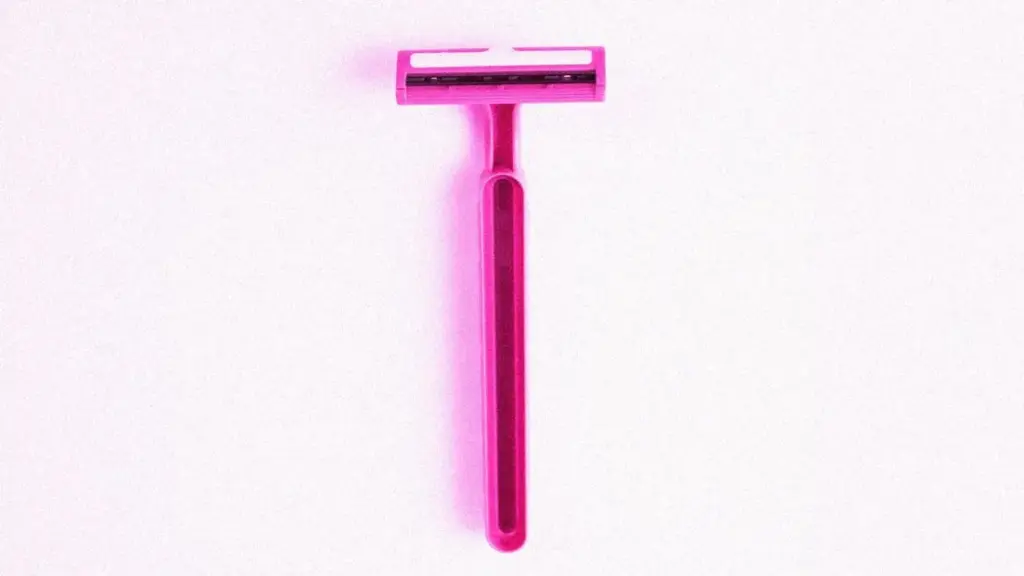
- Blade Count: Dr. Gohara suggests sticking to a clean one- or two-blade razor. Multiple blades cut hair too close to or even beneath the skin’s surface, exponentially increasing the risk of ingrown hairs.
- Sharpness: Do not use a dull blade. While it seems counterintuitive—much like a kitchen knife—a sharp blade requires less downward pressure, reducing the risk of slips, cuts, and ragged skin trauma.
Step 5: Shave Carefully and in the Direction of Hair Growth
Visibility and precision are paramount when grooming the nether regions.
- Get a Good View: Dr. Amy Wechsler strongly recommends taking a small, fog-free mirror into the shower to ensure you have a clear, unobstructed view of what you are doing. Never shave blind.
- Technique: Pull the surrounding skin taut—gently, without over-stretching—and shave slowly in the direction of hair growth. Shaving against the grain pulls the hair shaft at an unnatural angle, frequently resulting in razor burn and ingrown hairs.
- Rinse Often: Rinse your razor blade frequently under warm water to clear away trapped hair and shaving cream. Take special care around the labia, only removing hair where desired.
Step 6: Post-Shave Care and Moisturization
Once you have finished shaving, thoroughly rinse away all remaining shaving cream with warm water. Gently pat the skin dry with a clean towel—do not rub, as freshly shaved skin is particularly fragile.
- Follow up by applying a thin layer of a fragrance-free lotion, ointment, or a soothing protectant like Aquaphor or Vaseline to lock in moisture and calm the skin barrier.
Supporting Context & Metrics: Physiology, Risks, and Anatomy
Understanding the biological context of pubic hair helps reframe grooming from an arbitrary chore into an informed personal choice.
Why Does Pubic Hair Grow?
According to dermatological consensus, pubic hair is an evolutionary adaptation. Dr. Gohara notes that it acts as a natural "cushion and protective barrier" for the genitalia. Its primary functions include:

- Reducing friction during physical movement and friction-heavy activities.
- Trapping environmental debris, dust, and pathogens.
- Providing a measure of protection against localized irritation and bacterial or fungal infections.
When individuals choose to shave or remove pubic hair, they temporarily compromise this protective barrier, leaving the skin more vulnerable to friction and microbial entry. This makes post-shave skin care critically important.
Common Risks Associated with Pubic Shaving
According to data from clinical institutions like the Cleveland Clinic, the primary complications arising from pubic hair removal include:
- Ingrown Hairs: Occur when a severed hair curls backward or sideways into the skin instead of growing outward. The body perceives this trapped hair as a foreign object, mounting an inflammatory immune response that manifests as a swollen, red, painful bump.
- Cider Cuts and Nicks: Caused by poor visibility, rushed movements, or dull blades.
- Razor Burn: Widespread skin irritation characterized by redness, stinging, and small red bumps.
- Contact Dermatitis: An allergic or irritant-induced skin reaction triggered by artificial fragrances or harsh surfactants found in commercial shaving creams, soaps, or lotions.
Official Statements and Dermatological Guidance
When complications arise despite best efforts, expert intervention is required. Leading dermatologists offer targeted advice for managing common post-shave mishaps:
Managing Ingrown Hairs
If you develop an ingrown hair around the pubic region, patience is your best ally.

- Warm Compresses: Dr. Gohara recommends applying warm compresses to the affected area. This softens the epidermis and encourages the trapped hair to naturally work its way to the surface.
- Topical Treatments: A low-strength hydrocortisone cream can help calm localized inflammation, while topical salicylic acid gently exfoliates dead skin cells blocking the follicle.
- The Golden Rule: Put down the tweezers. Dr. Gohara strongly warns against picking, squeezing, or digging at ingrown hairs, as this dramatically increases the risk of secondary bacterial infections and permanent scarring.
Treating Nicks and Cuts
Accidents happen. If you nick your skin while shaving:
- Apply immediate, gentle pressure with a clean cloth or tissue to halt the bleeding.
- Clean the area thoroughly with mild, fragrance-free soap and warm water.
- Apply a thin layer of a protective occlusive, such as Vaseline or Aquaphor, to create a sterile barrier and accelerate the skin’s natural healing process.
Soothing Razor Burn and Avoiding Wardrobe Traps
Particularly during summer months—when trips to chlorinated pools and sandy beaches frequently exacerbate skin sensitivity—razor burn can become a persistent annoyance.
- Rest the Skin: If razor burn develops, give the affected skin an immediate break from all hair removal techniques until the inflammation completely resolves.
- Wardrobe Adjustments: Clothing choices play a massive role in post-shave health. Dr. Gohara cautions against wearing tight, occlusive clothing—such as spandex yoga pants or tight leggings worn without cotton underwear immediately after shaving. This creates excessive friction, traps sweat against raw pores, and exponentially raises the likelihood of developing painful ingrown hairs and contact dermatitis.
Future Outlook: Empowered Grooming and Skin Health
Ultimately, the future of body hair grooming trends toward autonomy, education, and skin positivity. The medical and wellness communities increasingly emphasize that grooming is entirely a matter of personal preference. Whether an individual chooses a completely smooth Brazilian wax style, prefers a neatly trimmed aesthetic, or decides to leave their pubic hair completely natural, the underlying goal remains individual comfort and bodily autonomy.
As beauty and personal care brands continue to formulate specialized, fragrance-free, and pH-balanced intimate skincare lines (such as gentle exfoliating gels and sensitive-skin razors), consumers are better equipped than ever to maintain their grooming routines safely. By adhering to sound dermatological principles—prioritizing sharp blades, proper lubrication, directional shaving, and attentive post-care—individuals can navigate pubic hair grooming with confidence, ensuring that comfort and skin health always take center stage.