Executive Overview
Personal grooming habits have evolved significantly over the past few decades, shifting from cultural taboos to open, health-centric conversations. Among these routines, pubic hair maintenance—specifically shaving—stands out as an area fraught with both personal preference and clinical considerations. Unlike shaving legs, arms, or underarms, removing hair from the vulva and pubic region presents distinct anatomical and dermatological challenges. The skin in this zone is exceptionally delicate, highly sensitive, and densely populated with nerve endings, sweat glands, and hair follicles prone to inflammation.
Despite the widespread prevalence of pubic grooming—driven by a variety of factors including aesthetic preference, athletic convenience, or seasonal readiness like swimsuit season—comprehensive, medically sound guidance has historically been difficult to access. Misinformation regarding razor sharpness, improper technique, and the biological purpose of pubic hair often leads to preventable complications, such as severe razor burn, contact dermatitis, ingrown hairs, and painful micro-cuts.
To demystify this routine and prioritize safety, leading dermatologists emphasize that pubic grooming is a completely individual decision. Whether one chooses a completely smooth aesthetic, a neatly trimmed appearance, or to leave pubic hair entirely untouched, the overarching goal should be comfort, bodily autonomy, and skin health. This comprehensive guide synthesizes expert insights from board-certified dermatologists, exploring the biological functions of pubic hair, the inherent risks of hair removal, a step-by-step methodology for safe shaving, and proactive troubleshooting protocols for common post-shave complications.
Detailed Chronology: A Step-by-Step Methodology for Safe Pubic Shaving
Achieving a comfortable, irritation-free shave in the pubic region requires meticulous preparation, precise execution, and thoughtful aftercare. Dermatology professionals outline a systematic chronology to minimize trauma to the delicate skin of the vulva.

[1. PREP & TRIM] ➔ [2. EXFOLIATE] ➔ [3. LATHER] ➔ [4. SHAVE WITH GRAIN] ➔ [5. RINSE & DRY] ➔ [6. MOISTURIZE]Step 1: Preparation and Trimming
Attempting to drag a razor through long, dense pubic hair is a primary catalyst for tugging, pulling, and accidental nicks. Before introducing any blade to the area, structural reduction is essential.
- The Technique: Utilize a pair of clean safety scissors or an electric trimmer specifically designed for the bikini area.
- The Goal: Reduce the length of the pubic hair to a few millimeters. This ensures that the razor glides smoothly across the skin surface without becoming clogged or snagging the hair shafts.
Step 2: Gentle Exfoliation
Dead skin cells accumulate rapidly around hair follicles, trapping growing hairs and drastically increasing the likelihood of painful ingrown hairs.
- The Technique: Before applying a razor, use a soft, clean washcloth to gently exfoliate the external pubic area. Alternatively, board-certified dermatologist Dr. Mona Gohara recommends using a mild salicylic acid pad prior to shaving to chemically exfoliate and clear pore pathways.
- The Warning: Avoid coarse loofahs, harsh mechanical scrubs, or highly abrasive materials. The pubic region requires the gentlest possible touch to prevent micro-tears in the epidermal barrier.
Step 3: Softening and Lathering
Dry shaving is strictly contraindicated across all areas of the body, but it is especially dangerous in the pubic region due to the high risk of lacerations and severe irritation.
- The Technique: Spend a few minutes allowing warm water in the shower or bath to open the pores and soften the keratin protein within the hair shafts. Next, apply a generous layer of a fragrance-free shaving cream, shave gel, or gentle, unscented body wash.
- The Rationale: A thick, lubricating lather creates a protective barrier between the razor blade and the sensitive skin, reducing friction and allowing the blade to glide effortlessly.
Step 4: Shaving with the Grain
The direction in which you move the razor dictates how the hair is cut and how it subsequently grows back.

- The Technique: Pull the surrounding skin taut with your free hand—exercise caution not to stretch the skin too tightly, as this can cause the razor to cut the hair below the skin line, inviting ingrown hairs. Shave strictly in the direction of your hair growth. While shaving against the grain yields a closer shave, it dramatically increases the risk of follicular trauma and razor burn.
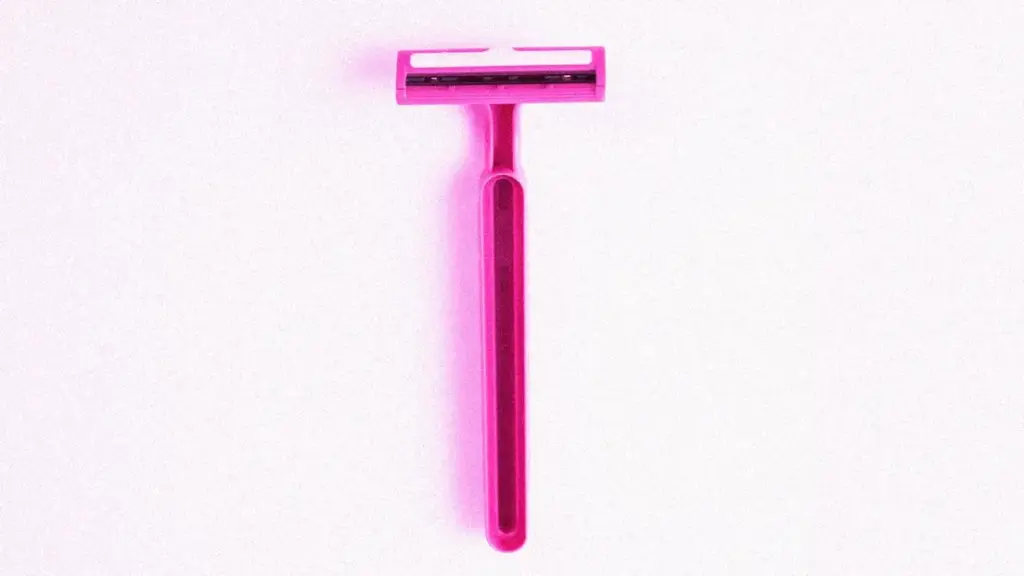
- Tool Selection: Experts recommend utilizing a clean, sharp razor with one or two blades rather than multi-blade systems. Multi-blade razors pull the hair upward before cutting it, slicing below the skin surface and triggering ingrown hairs.
Step 5: Rinsing and Drying
Once the desired areas are groomed, remove all residual shaving cream and loose hairs with warm water.
- The Technique: Gently pat the skin dry with a clean, soft towel. Avoid vigorous rubbing, which can inflame freshly shaven follicles.
Step 6: Post-Shave Moisturization
The final step seals hydration into the epidermal barrier and calms any micro-inflammation caused by the razor.
- The Technique: Apply a thin layer of a fragrance-free moisturizer, body lotion, or occlusive ointment such as Aquaphor or Vaseline to the external pubic skin. Avoid any products containing synthetic fragrances, alcohol, or dyes, as these can cause immediate burning and allergic contact dermatitis on freshly shaven tissue.
Supporting Context & Metrics: The Biology and Risks of Pubic Grooming
To fully understand why specific shaving protocols are necessary, one must examine the biological role of pubic hair and the common dermatological pitfalls associated with its removal.
Why Does Pubic Hair Grow?
From an evolutionary standpoint, pubic hair serves several vital physiological functions. According to Dr. Mona Gohara, associate clinical professor at the Yale School of Medicine, pubic hair acts as a natural "cushion and protective barrier" for the genitourinary region.

- Friction Reduction: The primary mechanical function of pubic hair is to reduce friction caused by skin-to-skin contact during walking, running, and physical activity.
- Debris Trapping: Pubic hair functions as a physical filter, trapping particulate matter, sweat, and environmental debris before they can reach sensitive mucous membranes.
- Pathogen Defense: Hair follicles produce sebum and harbor a unique microbiome that can provide preliminary defense against localized irritation and bacterial colonization.
Removing this hair leaves the skin temporarily more vulnerable to friction and environmental stressors, which underscores why proper pre- and post-shave care is paramount.
Prevalence and Patient Demographics
Clinical surveys and dermatological studies over the past decade highlight that pubic hair removal is a near-ubiquitous practice across diverse demographic groups. Data published in obstetrics and gynecology literature indicates that upwards of 80% of adult women engage in some form of regular pubic hair grooming, driven by motivations ranging from personal hygiene perceptions and sexual aesthetics to athletic comfort.
Clinical Risks of Pubic Shaving
According to data compiled by institutions such as the Cleveland Clinic, the physical act of shaving the pubic region carries distinct medical risks:
- Ingrown Hairs (Pseudofolliculitis Barbae): Occur when a severed hair curls backward or sideways into the skin instead of growing outward. The body mounts an immune response, recognizing the hair as a foreign body, resulting in inflamed, painful papules.
- Lacerations and Nicks: The complex anatomical contours of the labia and pubic mound make accidental cuts common, particularly when visibility is compromised or dull blades are used.
- Contact Dermatitis: An allergic or irritant inflammatory skin reaction triggered by artificial fragrances, preservatives, or surfactants found in conventional shaving creams and body washes.
- Razor Burn: Acute epidermal irritation characterized by erythema (redness), stinging, and small red bumps resulting from friction and micro-trauma to the stratum corneum.
Expert Insights and Clinical Management of Complications
Even with flawless technique, occasional missteps occur. Dermatologists offer authoritative guidance on how to manage and treat common post-shaving complications safely.

| Complication | Primary Cause | Recommended Clinical Treatment | What to Avoid |
|---|---|---|---|
| Ingrown Hairs | Hairs curling back into the skin; tight clothing trapping follicles. | Warm compresses to soften skin; low-strength hydrocortisone cream; topical salicylic acid. | Picking, digging, or attempting to extract the hair with tweezers. |
| Lacerations / Nicks | Dull blades, poor visibility, rushing the process. | Apply gentle direct pressure; cleanse with fragrance-free soap and water; apply Vaseline or Aquaphor. | Applying alcohol-based astringents or perfumes directly to the open wound. |
| Razor Burn | Excessive friction, dull razors, dry shaving, sensitive skin. | Rest the skin from hair removal; apply low-strength hydrocortisone cream to ease inflammation. | Exposing the irritated skin to chlorinated pools or saltwater until healed. |
Managing Ingrown Hairs Without Scarring
When an ingrown hair develops, it manifests as a tender, raised bump. Dr. Amy Wechsler, a board-certified dermatologist in New York, explains that the body perceives the trapped hair as an invader, mounting an inflammatory defense.
- The Healing Protocol: Apply warm compresses to the area to soften the stratum corneum and coax the hair shaft toward the surface. Low-strength hydrocortisone creams can mitigate localized swelling, while salicylic acid encourages gentle exfoliation around the trapped follicle.
- The Golden Rule: Never use tweezers or fingers to dig out an ingrown hair. Picking introduces bacteria from the hands into the micro-wound, drastically elevating the risk of bacterial infection, folliculitis, and permanent hyperpigmentation or scarring.
Clothing Considerations Post-Shave
Dermatologists emphasize that post-shave skin care extends beyond topical products to encompass wardrobe choices. Wearing tight, occlusive synthetic clothing—such as spandex leggings or tight yoga pants worn without breathable cotton underwear immediately after shaving—creates an ideal microclimate for friction, trapped sweat, and bacterial proliferation. This environment significantly amplifies the risk of razor burn and ingrown hairs. Opting for loose-fitting, breathable cotton garments for the first 24 hours post-shave allows the skin barrier to recover undisturbed.
Future Outlook: The Evolution of Personal Grooming and Dermatological Health
As the dialogue surrounding bodily autonomy matures, the future of pubic hair care is trending toward education, inclusivity, and specialized product formulation. The beauty and personal care market has witnessed a notable shift away from generic body grooming products toward specialized "intimate care" lines. These innovations include pH-balanced, fragrance-free exfoliating gels, precision ergonomic trimmers designed specifically for contoured anatomy, and soothing post-shave serums formulated with natural anti-inflammatories like colloidal oatmeal and centella asiatica.
Furthermore, medical professionals anticipate a continuation of the destigmatization of pubic hair choices. Gynecologists and dermatologists increasingly frame grooming not as a clinical necessity, but as a purely personal expression of comfort and style. Educational initiatives led by professional medical societies aim to provide adolescents and adults alike with the scientific facts of skin anatomy, replacing societal pressure with health-conscious best practices.

Ultimately, whether an individual elects to maintain a completely smooth vulva, trim for athletic ease, or leave their natural pubic hair entirely intact, the overarching consensus among dermatological experts remains consistent: the ultimate standard for grooming is personal comfort, bodily empowerment, and the rigorous preservation of skin health. By combining anatomical awareness with proper preparation, high-quality tools, and attentive aftercare, individuals can navigate pubic hair maintenance safely and effectively.