Executive Overview
For decades, the cultural conversation surrounding personal grooming has evolved from a taboo subject into an open, health-centric dialogue. Among the most common yet frequently misunderstood grooming routines is the shaving of pubic hair. While shaving legs, arms, or underarms is often treated as second nature, managing the delicate skin of the pubic region requires a radically different, highly specialized approach.
The motivations behind pubic grooming are as diverse as the individuals performing them. Whether driven by personal aesthetics, athletic comfort, seasonal considerations like swimwear season, or sheer personal preference, hair removal in the intimate zone is entirely optional. However, for those who choose to groom, the stakes for skin health are significantly higher due to the anatomical sensitivity and unique biological environment of the area.
To bridge the gap between aesthetic choices and dermatological safety, this comprehensive guide explores the physiological purpose of pubic hair, the risks associated with its removal, and an authoritative, step-by-step methodology for safe shaving. Backed by insights from leading board-certified dermatologists—including Dr. Mona Gohara, associate clinical professor at the Yale School of Medicine, and Dr. Amy Wechsler, a prominent New York-based dermatologist—this report provides the definitive framework for navigating pubic care safely, effectively, and compassionately.
Detailed Chronology & Step-by-Step Grooming Protocol
Achieving a clean, irritation-free shave in the pubic region is not a rushed endeavor; it is a systematic ritual that requires careful preparation, precise execution, and post-shave recovery. Rushing through the process or utilizing improper tools is a primary catalyst for razor burn, cuts, and painful ingrown hairs.
Phase 1: Pre-Shave Preparation
Before a single blade touches the skin, foundational prep work must be completed to safeguard the delicate barrier of the vulva and surrounding areas.

1. Trim Excess Length
Attempting to shave long, dense pubic hair with a razor is inefficient and virtually guarantees clogged blades and skin tugging. Dermatologists strongly recommend starting with safety scissors or an electric hair trimmer specifically designed for intimate grooming. Carefully reduce the length of the hair to a few centimeters. This initial reduction allows the razor to glide smoothly over the skin surface without catching or pulling at the hair follicles.
2. Soften the Skin and Follicles
Water is essential for softening keratin, the protein that makes up body hair. Spending a few minutes in a warm shower or bath allows the steam and warm water to open pores and soften the hair shafts. Never attempt a dry shave anywhere on the body, least of all in the pubic region, where dry friction can instantly strip the skin barrier and cause micro-abrasions.
3. Gentle Exfoliation
Dead skin cells accumulate rapidly around hair follicles, trapping growing hairs and resulting in painful ingrown hairs. Prior to shaving, use a gentle washcloth to lightly exfoliate the area. Avoid coarse body scrubs or harsh chemical exfoliants, which can cause chemical burns or severe irritation on thin, sensitive vulvar skin. Alternatively, Dr. Mona Gohara recommends applying a mild salicylic acid pad prior to shaving to chemically lift dead skin cells and clear the pathways for hair growth.
4. Lather Up with the Right Product
While specialized shaving creams provide an optimal cushion and close shave, a fragrance-free soap or gentle body wash can suffice in a pinch. The primary requirement is that the product creates a thick, protective lather. Crucially, all products used in this region should be completely free of synthetic fragrances and dyes, which are frequent triggers for contact dermatitis—an uncomfortable, itchy allergic skin reaction.
Phase 2: The Shaving Execution
With the skin prepped and softened, the physical act of shaving demands absolute focus, patience, and the correct hardware.

5. Choose the Right Razor
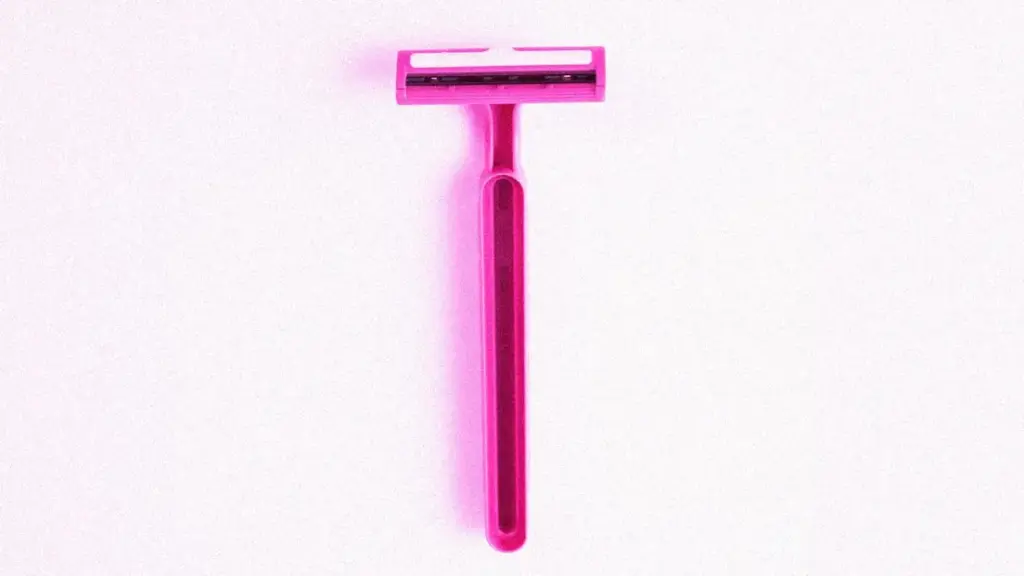
The choice of razor matters immensely. Dermatologists advise steering clear of complex, multi-blade razors that promise an ultra-close shave. While close shaves are desirable on legs, multi-blade razors cut hair below the skin line in the pubic area, dramatically increasing the likelihood of ingrown hairs. Instead, opt for a clean, sharp, single- or double-blade razor.
“Some people think sharp razors are bad,” notes Dr. Wechsler. “It’s the same thing as knives. People think you’re more likely to get hurt with a sharp knife, but a dull knife is more dangerous to use because you have to push harder to get it to work.” A dull blade drags, skips, and tears at the skin; a sharp blade slices cleanly through hair with minimal pressure.
6. Technique, Direction, and Visibility
- Maintain Visibility: You cannot shave what you cannot see. Dr. Wechsler stresses the importance of using a handheld mirror in the shower to ensure a clear line of sight, eliminating guesswork in hard-to-see anatomical areas.
- Pull Skin Taut (Gently): Gently pull the skin taut to create a flat surface for the razor. However, take care not to stretch the skin too tightly, as this can cause the razor to cut the hair at an unnatural angle beneath the surface.
- Shave with the Grain: Always shave in the direction of hair growth. Shaving against the grain (upwards) may yield a smoother immediate result, but it bends the hair follicle and forces it to curl back into the skin as it regrows, precipitating severe ingrown hairs and razor burn.
- Rinse Frequently: Rinse the razor blade under warm water after every single stroke to prevent hair and shaving cream buildup, which compromises the blade’s cutting efficiency.
Phase 3: Post-Shave Care and Recovery
The routine does not end when the razor is put down. Immediate post-shave care determines whether the skin heals smoothly or succumbs to inflammation.
7. Rinse and Pat Dry
Thoroughly rinse away all residual shaving cream and loose hairs with warm water. Once clean, gently pat the area dry with a clean towel. Avoid vigorous rubbing, which can irritate freshly shaved skin.
8. Seal with Moisture
Replenish the skin’s moisture barrier immediately by applying a fragrance-free lotion, or an occlusive ointment like Aquaphor or Vaseline. These products lock in hydration and create a protective shield against friction from clothing.

Supporting Context & Dermatological Metrics
To fully understand why pubic shaving requires such meticulous care, one must examine the biological function of pubic hair and the common physiological complications that arise when it is removed.
Why Does Pubic Hair Exist?
From an evolutionary standpoint, pubic hair is far more than a vestigial trait; it serves vital physiological functions. According to Dr. Gohara, pubic hair acts as a natural "cushion and protective barrier" for the genitourinary system.
- Friction Reduction: The hair minimizes friction between skin-to-skin contact during movement and physical activity.
- Debris Trapping: It acts as a physical filter, trapping dust, sweat, and external debris before they can reach the mucous membranes of the vulva.
- Pathogen Defense: Pubic hair provides localized protection against microbial irritation and certain infections.
When hair is removed, these natural defenses are temporarily diminished, leaving the skin more vulnerable to chafing, bacterial intrusion, and environmental irritants.
Common Risks and Complications
Data from dermatological clinics and organizations such as the Cleveland Clinic highlight several prevalent risks associated with pubic hair removal:
- Ingrown Hairs (Pseudofolliculitis Barbae): Occurring when a severed hair fails to emerge from the pore and instead curls backward into the epidermal layer. The immune system recognizes the trapped hair as a foreign body, triggering localized inflammation, swelling, and tender, acne-like bumps.
- Cuts and Lacerations: Due to the complex contours of the anatomy and restricted visibility, accidental nicks are common.
- Razor Burn and Contact Dermatitis: Red, inflamed patches of skin accompanied by stinging, itching, or small red bumps, often exacerbated by friction from clothing or chemical allergens in grooming products.
Official Statements & Expert Guidance
Navigating the nuances of intimate grooming requires listening to clinical consensus rather than viral social media trends. Leading dermatologists emphasize empowerment, safety, and individual bodily autonomy.

Addressing Complications: What to Do When Things Go Wrong
Even with meticulous technique, mishaps can occur. Dermatologists offer clear protocols for managing post-shave issues:
- Treating Ingrown Hairs: If an ingrown hair develops, Dr. Gohara recommends applying warm compresses to soften the skin and encourage the trapped hair to migrate to the surface. A low-strength hydrocortisone cream can calm acute inflammation, while salicylic acid can gently exfoliate the surrounding dead skin. Crucially, experts issue a universal warning: Never pick, squeeze, or dig at an ingrown hair with tweezers. This dramatically escalates the risk of secondary bacterial infections and permanent scarring. Furthermore, avoid wearing tight, occlusive clothing—such as spandex leggings or yoga pants worn without underwear immediately post-shave—as this traps sweat and increases friction.
- Managing Nicks and Cuts: If the razor nicks the skin, Dr. Wechsler advises applying gentle, direct pressure with a clean cloth until bleeding ceases. Clean the area thoroughly with mild, fragrance-free soap and water. Following this, Dr. Gohara recommends smoothing a thin layer of Vaseline or Aquaphor over the cut to create an optimal healing environment.
- Relieving Razor Burn: If razor burn or a rash develops, the single most effective remedy is abstinence from hair removal. Give the affected skin an extended rest until all inflammation completely resolves. Applying a thin layer of low-strength hydrocortisone cream can provide swift relief from burning and itching sensations.
The Ultimate Rule of Grooming
Summarizing the core philosophy of intimate care, Dr. Gohara notes: "Grooming is a personal choice—whether you remove [hair] or leave it, the goal is to do what feels comfortable and empowering for you."
There is no medical mandate to remove pubic hair. The decision rests entirely with the individual. However, if one chooses to engage in pubic shaving, prioritizing technique, hygiene, and dermatological health ensures that the practice remains a safe, comfortable form of self-care.
Future Outlook
As the beauty and personal care industries continue to mature, the conversation around pubic grooming is shifting further away from rigid societal expectations and moving toward inclusive, health-focused education. Future developments in this space are anticipated to focus heavily on specialized skincare formulations designed specifically for the vulvar and bikini regions—products that prioritize microbiome health, pH balance, and gentle exfoliation without disrupting delicate mucosal tissues.
Moreover, medical professionals expect a continued rise in consumer awareness regarding safe hair removal practices, driven by accessible dermatological education online. As innovative tools—such as advanced precision trimmers and specialized soothing balms—enter the market, individuals will have better access to equipment that minimizes trauma to the skin barrier. Ultimately, the future of pubic grooming is defined by informed choice, destigmatized dialogue, and an unwavering commitment to personal health and bodily autonomy.