The cultural pendulum of beauty and fashion has swung firmly back to the decade of uninhibited bohemian freedom, disco opulence, and rock-and-roll rebellion. For 2026, the global aesthetic landscape is dominated by the enduring influence of 1970s hair trends. Modern interpretations of iconic chops popularized by legends such as Stevie Nicks, Jane Birkin, Diana Ross, Cher, and Farrah Fawcett are no longer isolated nostalgia pieces; they have become mainstream staples on runways, red carpets, and social media feeds alike.
This deep infatuation with 1970s styling represents more than just a fleeting aesthetic cycle. It reflects a broader cultural shift toward liberated, expressive hair that celebrates natural texture, dynamic movement, and a distinct lack of rigid perfection. Whether through the choppy, lived-in layers of a modern shag, the effortless French-girl cool of piecey bangs, or the high-shine drama of "Cher hair," today’s top hairstylists are fusing vintage silhouettes with cutting-edge hair technology. The result is a sophisticated balancing act: the soulful, high-volume attitude of the 1970s meets the polish, health-conscious formulations, and sleek finishes demanded by contemporary consumers.
Detailed Chronology of the 1970s Hair Evolution
To understand why 1970s hair trends are experiencing such a massive resurgence, it is essential to trace how the decade’s unique socio-cultural shifts gave birth to these revolutionary styles in the first place.
The Post-Sixties Transition (1970–1973)
Following the structured, geometric, and often heavily lacquered hairstyles of the Swinging Sixties, the early 1970s ushered in an era of organic liberation. As the hippie counterculture transitioned into mainstream consciousness, rigid hairsprays were abandoned in favor of air-dried textures, center parts, and long, straight locks. The emphasis shifted toward looking effortless, unpretentious, and deeply connected to nature.
The Rise of Rocker and Bohemian Subcultures (1974–1976)
By the mid-1970s, music became the ultimate arbiter of style. Musicians like Stevie Nicks and Debbie Harry (Blondie) popularized the shag haircut—a mussy, heavily layered cut that defied traditional standards of feminine grooming. Simultaneously, international style icons like Jane Birkin cemented the appeal of tousled, imperfect bangs that grazed the eyelashes, creating an aesthetic of effortless, understated elegance.
The Disco Era and High-Impact Glamour (1977–1979)
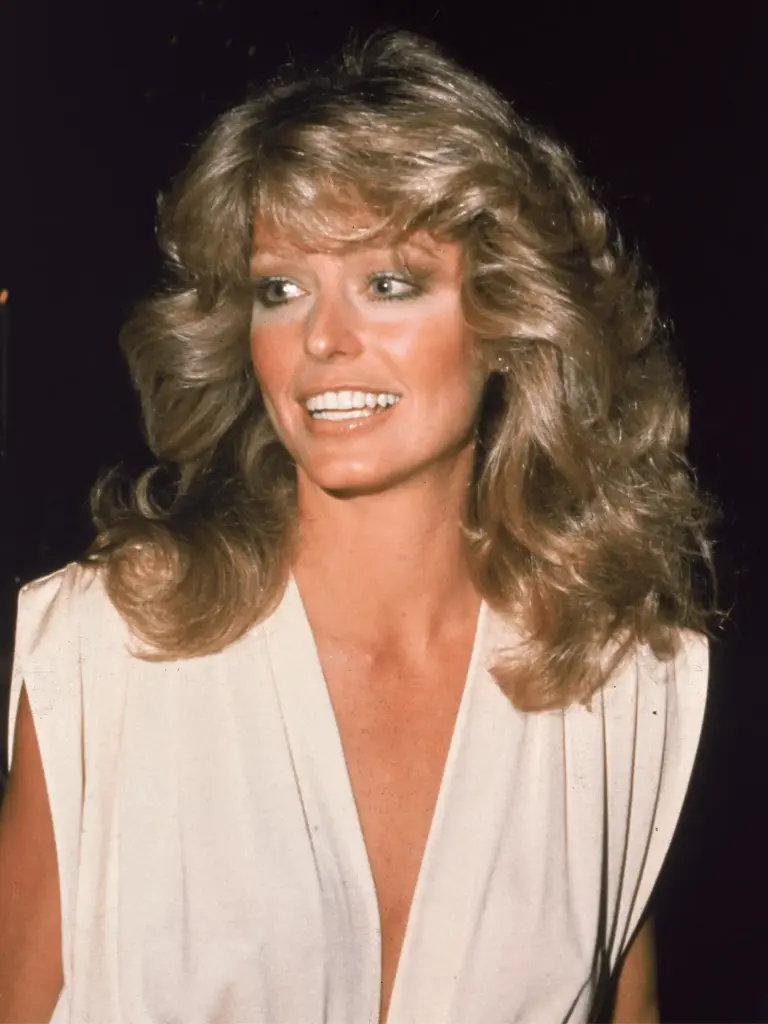
As the decade drew to a close, the nightlife revolution spearheaded by Studio 54 and the dominance of disco brought high-octane glamour to the forefront. This period was defined by two distinct extremes: the gravity-defying, fluffed-out natural textures and voluminous afros celebrated by icons like Diana Ross and Donna Summer, and the sleek, ultra-long "glass hair" popularized by Cher. Meanwhile, television star Farrah Fawcett introduced the world to the feathered, winged blowout, forever changing the way women approached volume and face-framing layers.
Supporting Context & Metrics: The 2026 Style Resurgence
The current revival of 1970s trends extends far beyond the hair salon. The fashion and beauty markets have seen a massive commercial alignment with the decade’s signatures. Over the past several seasons, global searches and retail data have highlighted a meteoric rise in 1980s-and-1970s-adjacent aesthetics:
Apparel and Accessories: High-rise flared jeans, patchwork suede jackets, peasant blouses, pendant necklaces, and chunky clogs have dominated seasonal collections, creating a holistic lifestyle trend that practically demands period-accurate hair pairing.
Social Media Amplification: Hashtags related to "shag haircut," "curtain bangs," and "70s hair blowout" continue to pull in billions of views across short-form video platforms. Creators and influencers are driving unprecedented demand for retro cuts by showcasing easy, modern maintenance routines.
Product Innovations: The resurgence of high-volume, textured styles has fueled a boom in specific product categories, including texturizing salt sprays, lightweight smoothing pomades, and high-shine glossing treatments designed to bridge the gap between vintage volume and modern sleekness.
Official Statements and Expert Insights
To gain a deeper perspective on how these historical cuts are being re-engineered for today’s consumer, leading international hairstylists weigh in on the mechanics of modern 1970s hair.
The Modern Shag
The shag remains one of the most requested transformations in modern salons. Famed hairstylist George Northwood explains the enduring appeal of the cut:
"I’m a big fan of the shag; it’s such an iconic ’70s look. This style adds lots of volume and texture to the hair, which is great for those finer hair types. It’s a very cool-girl cut and can really update your whole style. To give it a bit more of a modern edge, I would ask your hairdresser to stay away from too many layers as that can make it feel quite dated. Instead, make it all about that big statement sweeping fringe."
Modern muses like Suki Waterhouse and Mika Abdalla have successfully championed this look, proving that when paired with softer interior layering, the shag feels fresh rather than costume-like.
Liberated Natural Textures and ’Fros
The celebration of natural coils and curls has found a natural home in the fluffed-out ’fros of the 1970s. Renowned stylist Charlotte Mensah notes the psychological and aesthetic shift driving this trend:
"Seventies hair was fluffed out and allowed to do its own thing. With many of us exploring and learning about our natural hair, it’s no wonder a lot more women want to let their unique textures thrive again."
To maintain the health and structural integrity of these voluminous styles without sacrificing softness, Mensah advocates for targeted moisture integration: "Applying a moisturizing product like Manketti Oil Pomade coats every last curl and coil with intense moisture to instantly eliminate frizz and dryness. Your curls will look defined and feel super soft."
Curtain Bangs and Texturized Fringes
Brigitte Bardot-inspired curtain bangs and sweeping layers continue to dominate salon chairs, championed by modern stars like Sabrina Carpenter and Daisy Edgar-Jones. Dom Seeley, international creative director at Color Wow, elaborates on the architectural impact of the cut:
"A major ’70s comeback trend is curtain bangs and billowing layers to really add drama and width around the face. So many influencers and social media content creators have moved to get this haircut."
However, modernizing these soft styles requires a touch of grit, according to celebrity hairstylist Stefan Bertin:
"For me, I think a way to modernize it is to texturize the hair rather than keeping it fluffy. Using a light salt spray as a finisher will add some modern grit to an otherwise soft and feminine style, making it the best of both worlds."
Cher Hair and Liquid Shine
The ultra-straight, mirror-like middle part originally made famous by Cher—and later modernized by Kim Kardashian—remains a powerful red-carpet statement. Dom Seeley notes:
"Another one of the strongest ’70s hair trends I still see, even though it’s been around for years, is the ’Cher hair’ that Kim Kardashian made famous again. Long, middle-parted glass hair has still got all the momentum and looks great for any occasion. It makes a statement when it’s kept healthy with treatments and shine products."
Farrah Fawcett Flicks and Disco Curls
Whether recreating the iconic feathered blowout of Farrah Fawcett or the bouncy, brushed-out coils seen on Zendaya and Donna Summer, the key to modern execution lies in advanced tools and controlled finishing. Celebrity hairstylist Dionne Smith emphasizes versatility: "Look to the iconic ’70s Farrah Fawcett style with flicks and a curtain fringe. It’s super versatile as it suits most face shapes and lengths."
Dom Seeley adds technical context for achieving the look today:
"Styling-wise, to keep it modern it’s all about the shine and control. Use good curling irons or blow-dryers and boar-bristle brushes, so you get the smoothness and shine while controlling your style. Seventies hair was fluffy and almost frizzy, but with modern-day products and tools, it’s easy to make it look polished."
Future Outlook: Where 1970s Hair Styling Goes From Here
As we look ahead, the intersection of heritage hair aesthetics and modern technology points toward a future of hyper-personalized retro styling. The rigid boundaries separating decades are dissolving; consumers no longer want an exact historical reenactment, but rather a curated remix that honors the spirit of the 1970s while respecting the demands of a fast-paced, contemporary lifestyle.
Smart Formulations Meet Vintage Volume: The future of high-volume styling will rely heavily on bond-building treatments, heat-protectant polymers, and weightless hydration. Consumers will increasingly demand styles that look massive and voluminous while feeling weightless and maintaining structural integrity.
Low-Maintenance Retro Cuts: As economic and lifestyle pressures favor ease of maintenance, haircuts like the modern shag and curtain bangs will evolve to require minimal daily styling. Expect to see wash-and-wear shags that rely on intelligent cutting techniques rather than extensive hot-tool manipulation.
Inclusivity Across Textures: The ongoing 1970s revival has permanently broadened the mainstream definition of vintage glamour. Moving forward, textured hair, coily afros, and natural curl patterns will continue to occupy center stage alongside sleek glass hair and feathered blowouts, ensuring that the 1970s renaissance remains diverse, dynamic, and deeply individual.
Ultimately, the enduring reign of 1970s hair proves that true style transcends time. By honoring an era defined by personal freedom, bold self-expression, and unapologetic attitude, modern hair artistry continues to find its most exciting inspiration in the past.