Executive Overview
As the ephemeral warmth of summer dissolves into the crisp, anticipatory chill of September, the global fashion apparatus undergoes its most dramatic annual psychological shift. Following a whirlwind summer season defined by high-profile soirées across Los Angeles, the Hamptons, and Paris—interspersed with the fleeting, highly technical interludes of the June and July menswear and couture weeks—the industry braces itself for its ultimate marathon. The Spring/Summer 2027 ready-to-wear circuit is officially upon us, promising a grueling, exhilarating four-week pilgrimage through the historic fashion capitals of New York, London, Milan, and Paris.
Yet, this season transcends the traditional back-to-school ritual of past decades. We are witnessing the unfolding consequences of fashion’s great modern-day musical chairs—an unprecedented wave of creative director realignments that occurred over the past several cycles, wherein over a dozen luxury houses swapped the masterminds at their helms. While the initial debut collections of these newly appointed designers served as baptismal trials, the Spring/Summer 2027 season represents the true crucible. The industry is no longer running on the initial adrenaline of novelty; rather, editors, buyers, and consumers alike are demanding commercial viability, narrative consistency, and unmistakable vision.
Compounding these leadership tests are significant geographical migrations, high-stakes brand anniversaries, structural calendar shifts, and sudden open vacancies that have transformed the global fashion map. From European tastemakers making their long-awaited American runway debuts to historic brands returning to their geographical roots, the coming weeks will determine which strategic gambles are paying off and which houses are quietly mapping out their next pivot. What follows is the definitive, comprehensive investigative briefing to navigate the Spring/Summer 2027 fashion month calendar.
Detailed Chronology: City-by-City Breakdown
New York: The Transatlantic Invasion and Heritage Milestones
New York Fashion Week (NYFW) has historically functioned as a celebration of American sportswear, commercial pragmatism, and youthful subculture. However, the September 2026 calendar is rewriting the script by rolling out the red carpet for a formidable contingent of European creative forces looking to stake their claim in the United States.
Chief among these cross-continental crossovers is Conner Ives. The American-born, London-based designer is heading stateside for a triumphant homecoming, marking his very first official runway presentation on home soil on September 12. Ives, celebrated for his upcycled archival aesthetic and sharp commentary on modern American archetypes, is expected to inject a distinct transatlantic perspective into the New York schedule.
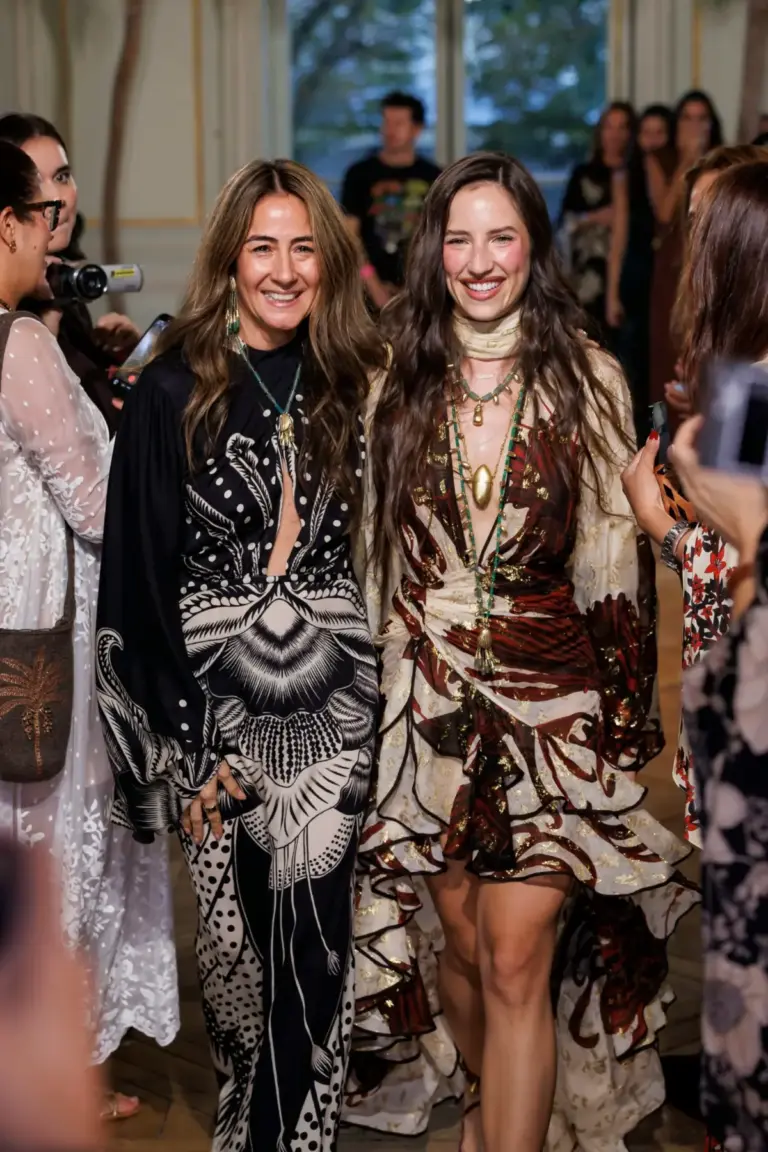
Equally seismic is the arrival of Polish designer Magda Butrym. After years of showing exclusively on the official Paris Fashion Week calendar—where her sultry, rose-adorned tailoring and high-octane eveningwear became a red-carpet staple—Butrym is making her American runway debut on September 13. This strategic move is meticulously timed to coincide with the grand opening of her flagship Soho boutique, signaling a aggressive brick-and-mortar expansion into the lucrative North American luxury market.
Beyond these transatlantic debuts, New York is marking several milestone moments. Coach is officially turning 85, and the storied leather goods house is preparing to commemorate its longevity with an outsized, high-production anniversary runway show that promises to merge Americana heritage with current youth-culture fixations. Meanwhile, Tommy Hilfiger is re-entering the fold, returning to the official schedule after taking a strategic season off to recalibrate.
Kicking off the entire New York sprint is Diane von Furstenberg, a house embarking on a fascinating new chapter under the creative direction of Henry Zankov. Zankov, whose eponymous knitwear label has steadily cultivated a cult following for its vibrant, textural approach to color, brings both a deep institutional understanding (having previously worked within the DVF ecosystem) and a fresh, independent editorial eye to the iconic wrap-dress pioneer.
London: Visceral Energy and Homecoming Icons
If New York, Milan, and Paris are multi-stage marathons, London Fashion Week (LFW) is famously the sprint—short, sweet, and structurally intense. Yet, what London lacks in duration, it more than makes up for in raw creative audacity and punk-infused storytelling.
The undisputed headline of the London season is the historic homecoming of McQueen. Announced in June 2026, the house’s decision to return to the British capital for the Spring/Summer 2027 season marks a monumental emotional and strategic reunion with the city that birthed its visionary founder, Lee Alexander McQueen. Current creative director Seán McGirr has emphasized that the move is an intentional reclamation of the house’s foundational DNA.
This anchor event breathes immense cultural weight into a schedule already anchored by British fixtures such as Simone Rocha, whose romantic theatricality continues to captivate the global press, and Erdem, a master of historical narrative and intricate textile development. Furthermore, Mulberry is orchestrating a high-profile runway revitalization, enlisting former beloved Burberry mastermind Christopher Kane to steer its aesthetic evolution—a pairing that has sent ripples of anticipation through British retail circles. Naturally, Burberry will once again assume its traditional role as the grand closer of the London week, closing out the city’s schedule with its signature blend of weatherproof heritage and contemporary cool.
Milan: The Italian Crucible and Creative Recalibrations
Milan remains the undisputed global capital of artisanal craftsmanship, opulent tailoring, and multi-generational family-run luxury. Yet, the Lombardy capital is currently navigating a period of profound structural suspense, defined as much by high-profile absences as by high-stakes second acts.
For the second consecutive season, Versace will be absent from the official runway schedule. The house is currently operating in a period of calculated silence as incoming designer Pieter Mulier—formerly of Alaïa—prepares to unveil his inaugural vision for the brand. This vacuum leaves a massive spotlight on Milan’s other heavy hitters, particularly those navigating their sophomore outings.
The industry will be watching with bated breath as a trio of high-profile designers present their second ready-to-wear collections in their respective Italian posts: Meryll Rogge at Marni, Maria Grazia Chiuri at Fendi, and Demna at Gucci. Demna, in particular, enters Milan with staggering momentum following his critically acclaimed, blockbuster Times Square spectacle last season. The burning question across Italian fashion circles is whether these newly minted creative directions can successfully translate initial critical intrigue into long-term commercial dominance and front-row fervor.
Compounding the atmosphere of transition, Milan’s creative chairmen continue to shift. Moschino has officially tapped Simone Rizzo and Loris Messina—the founders and former creative directors of Sunnei—to succeed Adrian Appiolaza, who departed after a brief two-and-a-half-year tenure. Meanwhile, Etro remains publicly vacant following Marco de Vincenzo’s departure earlier this year, leaving the historic Italian house searching for its next narrative voice.
Paris: The Marathon Finale and Structural Realignment
If the preceding capitals test speed, brevity, and craftsmanship, Paris serves as the ultimate test of endurance, prestige, and industrial scale. The French capital has officially stretched its "week" into a grueling ten-day marathon, accommodating an ever-expanding roster of emerging visionaries and legacy maisons before culminating the entire global fashion month circuit.
Parisian leadership is experiencing its own seismic tremors. Courrèges welcomes Drew Henry to the creative helm, while Carven installs Kai Nesselrath; both men are preparing to make their highly anticipated debut collections for their respective historic houses this October.
However, the French capital is simultaneously grappling with high-profile vacancies. Alaïa finds itself temporarily without a creative captain following Pieter Mulier’s departure for Versace. Furthermore, in a late-breaking development on August 31, Ib Kamara officially announced his departure from Off-White after a successful four-year collaborative run. In light of this leadership transition—and following seasons of hopping fluidly between New York and Paris—Off-White has confirmed it will sit out the official Spring/Summer 2027 calendar entirely to regroup.
Finally, after years of calendar ping-pong regarding the ultimate closing slot of Fashion Month, Louis Vuitton has cemented its dominance by claiming the final position, wrapping up the global circuit on October 6.
Supporting Context & Metrics: The Mechanics of Modern Fashion
To fully comprehend the chaos and pageantry of the Spring/Summer 2027 season, one must analyze the underlying structural shifts governing the luxury market. The current landscape is dictated by a phenomenon industry analysts refer to as "Creative Fatigue vs. Instant Accountability."
Historically, a luxury designer was granted a multi-season runway grace period—typically three to five years—to establish a distinct silhouette, cultivate a loyal consumer base, and revitalize a brand’s financial health. In the post-pandemic digital economy, that runway has shrunk to a mere two seasons. According to preliminary retail data from major global buyers, consumer conversion rates following a creative director’s debut collection are scrutinized within 72 hours of the runway show, heavily influenced by real-time social media sentiment, search volume spikes, and immediate pre-order metrics.
Furthermore, the geographical realignment observed this season—such as Conner Ives and Magda Butrym migrating to New York, and McQueen returning to London—reflects a broader macroeconomic strategy. Luxury houses are no longer simply broadcasting global brand awareness from a single centralized hub; they are hyper-localizing their physical activations. By timing runway debuts with flagship store openings (as seen with Butrym in Soho) or tapping into regional cultural nationalism (as seen with McQueen in London), brands are prioritizing direct-to-consumer experiential retail over traditional, passive media consumption.
Official Statements and Industry Perspectives
The emotional weight of this season’s geographic and creative shifts has been articulated directly by the architects of these changes. Addressing the strategic home-turf return to London, McQueen Creative Director Seán McGirr encapsulated the psychological tether between a brand’s geography and its output via an official press release:
"London has always been at the heart of McQueen; there’s a uniquely visceral energy to the city that runs throughout the house’s history and continues to inspire everything we do today. Returning to London Fashion Week allows us to deeply engage with that spirit and the creative community that defines both London and this house."
This sentiment of community and historical reclamation is echoed across the board. Industry veterans and incoming talents alike are increasingly viewing the runway not merely as a platform for seasonal garment display, but as an immersive cultural anchor designed to re-establish tactile, emotional connections with an increasingly digitally fatigued consumer base.
Future Outlook: What to Watch For
As the industry packs its steamer trunks, books its transatlantic flights, and prepares for four weeks of relentless documentation, the stakes for Spring/Summer 2027 could not be higher.
The coming month will provide definitive answers to several existential questions hanging over the luxury sector:
- The Sophomore Test: Can designers like Demna at Gucci, Maria Grazia Chiuri at Fendi, and Meryll Rogge at Marni successfully transition from the honeymoon phase of their debut collections to building a cohesive, enduring commercial empire?
- The New York Renaissance: Will the influx of European talent (Ives and Butrym) successfully revitalize New York Fashion Week’s global relevance, proving that the American market is hungry for localized high-fashion theatrics?
- The Vacancy Domino Effect: How will houses currently operating without a permanent creative director—such as Alaïa, Etro, and Off-White—navigate their interim periods without losing cultural market share?
Ultimately, Fashion Month remains the ultimate crucible of style, commerce, and human endurance. Whether viewed from the front row, the digital livestream, or the post-show cocktail circuits of les amis, the Spring/Summer 2027 season is poised to redefine the visual lexicon of the decade. Let the marathon begin.