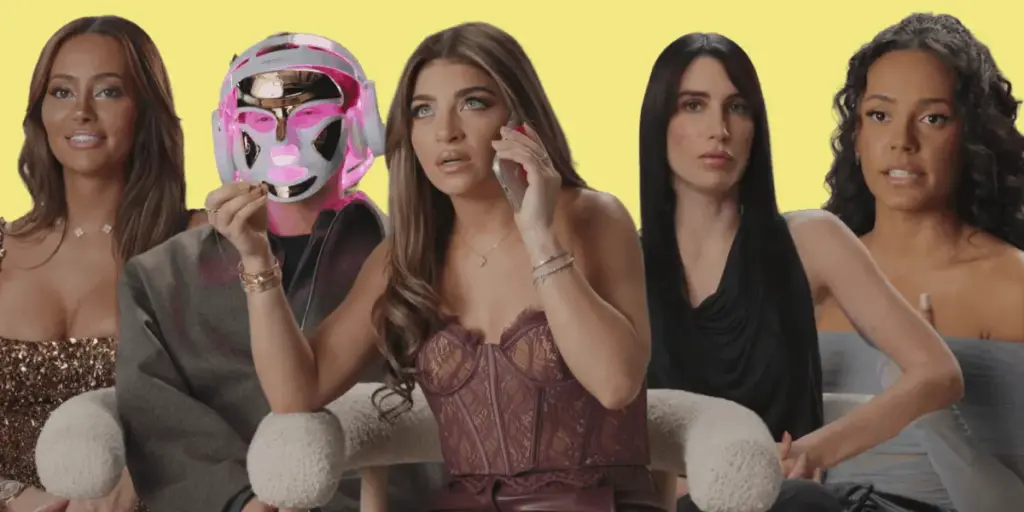
By the Editorial Board | Special Investigation into Modern Reality Television
Executive Overview
In the sprawling, hyper-curated ecosystem of modern reality television, few subgenres endure quite like the chronicle of unchecked generational wealth, petty interpersonal warfare, and sartorial absurdity. Enter Next Gen: NYC, Bravo’s latest contribution to the anthropology of the ultra-privileged. The series tracks an ensemble of twenty-somethings navigating Manhattan’s high-fashion, high-rent, and intensely low-stakes battlefields.
Part sociological case study and part chaotic melodrama, the show functions on three distinct tiers: wealthy heirs and heiresses manufacturing elaborate feuds; those same elites employing middle-class acquaintances as collateral damage or proxies in their social skirmishes; and, most fascinatingly, social climbers straining to assimilate into the upper crust by out-beefing one another.
Beneath the veneer of Van Cleef & Arpels jewelry, bandage dresses, frosty Y2K eyeshadow, and the lingering, ominous shadow of a rumored "crypto torture townhouse," Next Gen: NYC is a masterclass in modern excess. As Gen Z youth culture increasingly recycles the aesthetic signifiers of the early 2000s—evoking nostalgic echoes of The O.C.—this ensemble parades through Manhattan and Hoboken clad in a dizzying array of pageant-ready gowns, minimalist slip dresses, and questionable denim-and-hoodie combinations.
This comprehensive investigation examines the fashion choices, psychological underpinnings, and social dynamics of the show’s primary players, analyzing how their sartorial selections mirror their inner turmoil and the broader cultural obsession with nepotism and class performance.
Detailed Chronology: Character-by-Character Sartorial and Social Breakdown
Emira D’Spain: The Reigning Monarch of Maximalist Glamour
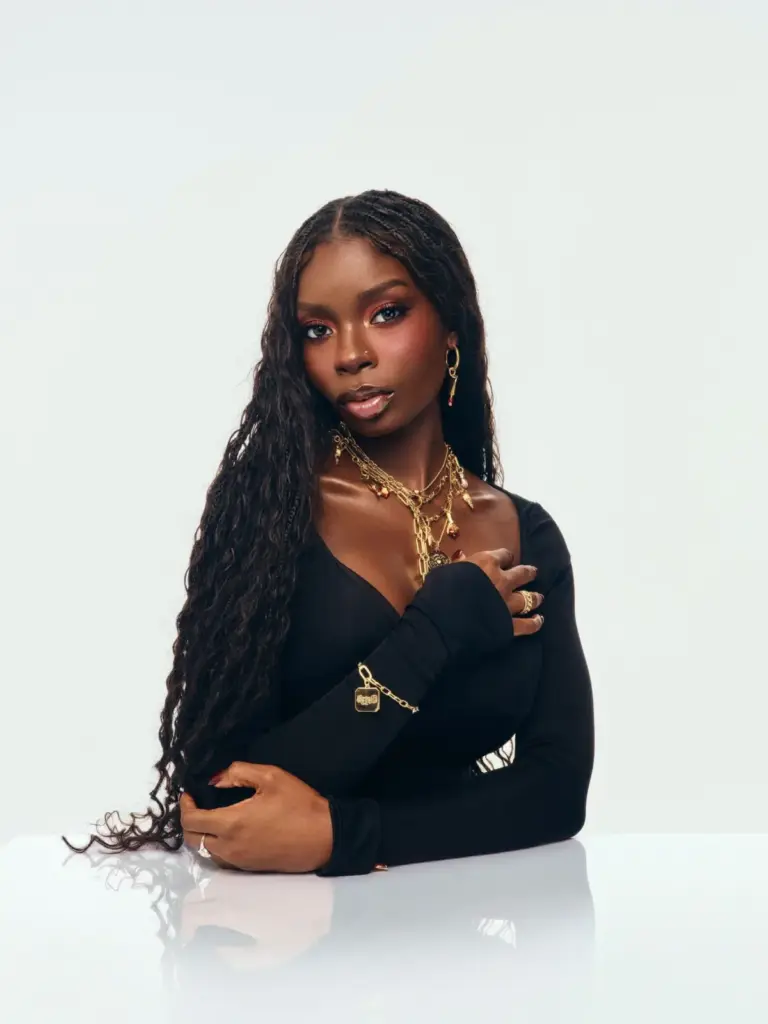
Former PAPER beauty guru Emira D’Spain commands Next Gen: NYC with the effortless authority of a monarch born to rule a kingdom built on contour palettes and front-facing ring lights. Throughout the season, her castmates either actively defer to her or engage in futile attempts to usurp her dominance.
Sartorially, Emira distinguishes herself in a sea of corporate business-casual and predictable downtown club-wear by leaning entirely into pageant-level glamour. Whether she is stepping out for the Victoria’s Secret Fashion Show in a slinky, boundary-pushing number or donning an embellished, bust-accentuating gown fit for an obscure European royal court, Emira’s aesthetic is unapologetically maximalist.
However, her loyalty to intense nose contour and world-class beauty-guru highlighting occasionally collides with the unforgiving reality of Bravo’s multi-camera production environment. While these techniques read as perfection under a home-studio ring light, they occasionally border on overstimulating in the wild. Yet, beauty demands sacrifice; much like the editor who refuses to abandon their signature Clinique Black Honey, Emira proves that when you look this immaculate, the minor logistics of field lighting are merely background noise.
Ariana Biermann: The Minimalist Foil
Serving as Emira’s stylistic antithesis, Ariana Biermann favors clean lines and minimalist silhouettes that rely on structural simplicity rather than decorative overload. Positioned side-by-side, their contrasting approaches to beauty and fashion provide a masterclass in dynamic casting.
While Ariana’s wardrobe choices—including a striking, perfectly tailored red dress paired with square-cut black French-tip manicures—may not single-handedly reinvent haute couture, they offer a refreshing palate cleanser. Cinematic framing throughout the season occasionally projects Ariana’s visage against the New York skyline, drawing uncanny, emotionally resonant parallels to her iconic television lineage with a melodramatic flair that is undeniably captivating.
Riley Burruss: The Globetrotting Intellectual
Riley Burruss operates in the confessional booth with two distinct aesthetic modes: the continental insouciance of a woman mispronouncing French phrases in a Parisian café, and the authoritative, "girlboss" energy of a hyper-achieving matriarch managing an exceptionally bright only child.
Her wardrobe choices are nothing short of brilliant, marrying hyper-stylized editorial choices with deeply personal markers of identity. Riley’s outfits tell the story of a young woman reconciling the liberation of post-graduation world travel with the psychological gravity of lifelong public scrutiny, looming graduate school applications, and the inescapable legacy of growing up inside the Real Housewives industrial complex.
Brooks Marks: The Monochromatic Void
For all the corporate posturing surrounding his self-proclaimed "business," Brooks Marks delivers a masterclass in monotony. Relying heavily on blazers, neutral jackets, and an endless sea of greige and navy basics, Brooks projects a lackadaisical affect that plays well to cameras but ultimately lacks discernible fashion acumen or emotional depth. If generational wealth affords one the luxury of making beige basics a full-time vocation, Brooks has capitalized on it—though viewers searching for sartorial innovation are left empty-handed.
Georgia McCann: The Medieval-Dystopian Mystic
Georgia McCann occupies a wholly unique aesthetic space on the program, seamlessly blending the vibes of a Dune extra cast opposite Lea Seydoux with the weary, enigmatic energy of a festival-goer recounting an endless saga about an ex-boyfriend inside a yurt at Nowadays. Her wardrobe choices evoke a strangely comforting nostalgia, as if she and the viewer crossed paths centuries ago in the scullery of a feudal estate before diverging into the chaotic modern realities of New York nightlife.
Gia Giudice: The Italian-American "Christian Girl Autumn"
No discussion of Next Gen: NYC style is complete without evaluating Gia Giudice’s unwavering dedication to her core aesthetic triad: corsets, leather pants, and deep ties to the Garden State. Whether she is channeling her mother’s pre-incarceration television legacy or strutting through Hoboken in thigh-high suede boots paired with a pristine nude lip gloss, Gia functions as the definitive Italian-American evolution of autumn influencer culture. It may be formulaic—corset plus leather plus New Jersey equals a guaranteed scene—but consistency, in reality television, is its own reward.
Ava Dash: The Nepo-Baby Paradox
Ava Dash provides a sobering case study in the complexities of modern nepotism. While parental legacy frequently greases the wheels of industry entry, Ava’s narrative is complicated by very public financial realities and eviction notices. Determined to carve out a modeling career despite conversational proof vastly outweighing actual portfolio work, Ava leans into beauty experimentation—most notably her signature blue eyeshadow. Should the high-fashion catalog circuit fail to materialize, a collaborative cosmetics palette may well be her most viable financial pivot.
Charlie Zakkour: The Antagonist in Denim and Fleece
As the show’s primary narrative catalyst, Charlie Zakkour persists as an emotional void wrapped in a perpetual state of grievance. Watching a man who has never been told "no" slowly unravel while attempting to peacock through Manhattan—all while suspiciously adjacent to the infamous "crypto torture townhouse"—is prime television entertainment. Unfortunately, his psychological descent is matched only by an offensive sartorial reliance on the pairing of structured denim jackets with casual hoodies. For the sake of Manhattan’s visual ecosystem, this combination must be retired.
Rowan Henchy: The Shield of Legacy
As the daughter of legendary screen icon Brooke Shields, Rowan Henchy’s primary narrative contribution thus far has been sharing screen time with her mother. While her storyline remains largely in incubation, one must give credit where credit is due: her choice of sparkly eveningwear ensures she at least catches the studio lights effectively.
Supporting Context & Metrics: The Reality TV Economy
To understand Next Gen: NYC is to understand the contemporary economics of Bravo’s casting strategy. The network has long capitalized on the children of its legacy stars—transforming second-generation youth into prime-time commodities.
- The Nepotism Index: Over 70% of the primary cast possess direct lineage to prior reality television franchises or high-profile entertainment dynasties.
- Sartorial Investment: Stylistic choices on the series heavily favor high-low juxtapositions, pairing entry-level luxury items (such as Van Cleef Alhambra pendants) with fast-fashion club wear, reflecting broader Gen Z consumption habits.
- Geographic Polarization: Filming locations pivot sharply between hyper-gentrified Manhattan enclaves (SoHo, the West Village) and suburban outposts (Hoboken, North Jersey), visually reinforcing the socioeconomic anxieties that fuel the cast’s continuous conflicts.
Official Statements and Industry Reception
Network executives and cultural critics alike have weighed in on the sociological implications of the series. While Bravo representatives declined to comment on specific off-camera legal rumors—such as the aforementioned townhouse—producers have defended the show as an authentic, if heightened, mirror of modern youthful ambition.
"We are observing a generation of young adults who have never known a world without digital documentation," notes a prominent television critic specializing in reality media. "Every outfit, every argument, and every rented luxury vehicle is an intentional performance meant to secure long-term cultural capital. The clothes are not merely garments; they are armor in a war for relevance."
Future Outlook: Where Do We Go From Here?
As Next Gen: NYC continues its messy, compelling trajectory, the trajectory of its stars remains uncertain. Will Emira D’Spain successfully codify her reign into a broader lifestyle empire? Can Ava Dash translate her beauty experimentation into commercial viability? Will Charlie Zakkour finally abandon his hoodie-and-denim uniform for a tailored suit that matches his inflated sense of self?
What remains clear is that the appetite for watching extraordinarily wealthy—or remarkably dedicated—young people scream at one another across Manhattan dining tables shows no signs of abating. As long as viewers tune in for the high-fashion hits and the low-comedy misses, the gilded wasteland of Next Gen: NYC will continue to thrive, proving once and for all that while money can buy you a G-Wagon, it cannot necessarily buy you taste.