
The modern beauty and wellness landscape has become deeply intertwined with the burgeoning, often unregulated world of specialized peptides. Driven by social media algorithms, podcast deep-dives, and an escalating cultural obsession with biohacking, consumers are increasingly seeking transformative aesthetic interventions. Among these, GHK-Cu—a naturally occurring copper peptide frequently dubbed the internet’s ultimate "beauty peptide"—has captured the public imagination. Originally studied for its profound wound-healing properties, GHK-Cu is widely touted for supporting collagen production, improving skin elasticity, reducing inflammation, and mitigating oxidative stress.
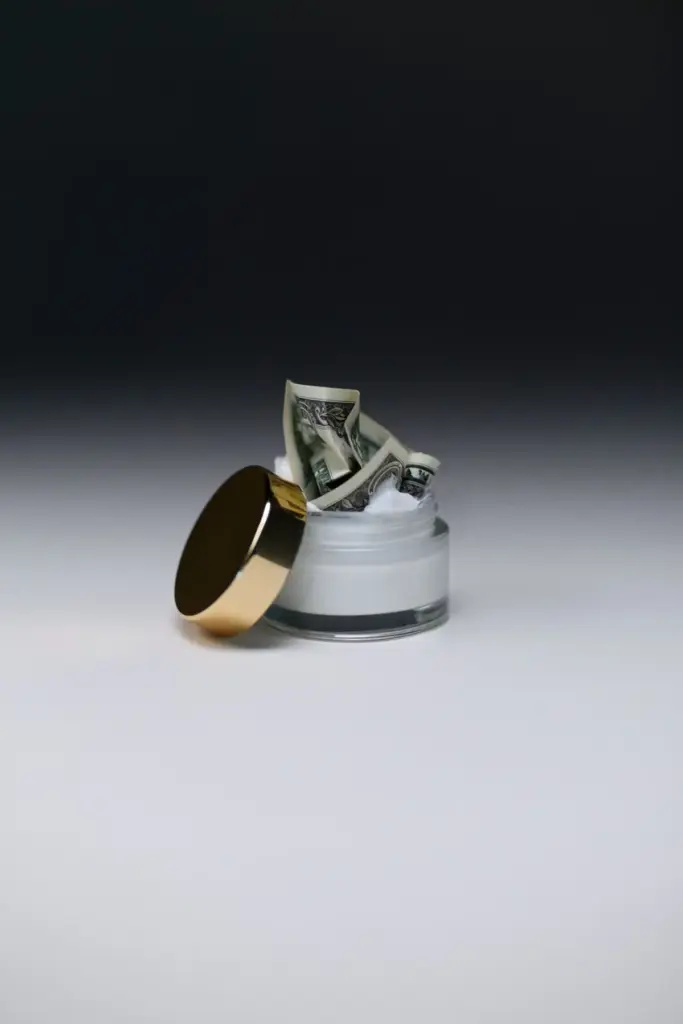
However, a critical chasm exists between internet enthusiasm and rigorous clinical science. While topically applied GHK-Cu falls under safe, non-injectable regulatory pathways, the broader peptide market is seeing a surge in compounded, injectable, and high-cost formulations marketed with minimal human safety data. High-profile endorsements from celebrities like Hailey Bieber have catalyzed demand, leading consumers to question whether exorbitant price tags—such as a $350 compounded face cream—correlate with superior efficacy, or if accessible, over-the-counter alternatives offer equal or better benefits. This investigative report explores the science, the regulatory landscape, the realities of pharmacy compounding, and the actual skin-deep results of embracing the copper peptide trend.
Detailed Chronology: The Journey to Copper Peptide Conversion
To understand the current consumer frenzy surrounding GHK-Cu, one must trace the timeline of how an obscure biochemical compound evolved into a mainstream luxury skincare staple.
- Months 1–3 (The Research Phase): Like many beauty enthusiasts, the initial exposure to peptides begins via digital consumption—scrolling through countless short-form video feeds, binge-listening to wellness podcasts, and cross-referencing everything from weight-loss injectables like semaglutide to tissue-repair peptides like BPC-157. The psychological pull is rooted in the promise of a rapid transformation story. Yet, regulatory warnings continually stack up: the Food & Drug Administration (FDA) points out that most wellness peptides lack comprehensive human safety data and federal approval for injection.
- Month 4 (The Compounding Route): Tempted by the promise of GHK-Cu’s anti-aging prowess, the decision is made to bypass conventional retail shelves in favor of a specialized pathway. Working with Feelin Good Wellness—a peptide therapy provider that connects users with physicians and compounding pharmacies based on health history and intake forms—a prescription is initiated. Unlike traditional dermatology offices, this route heavily emphasizes wellness and hormone optimization through nonclinical patient liaisons who coordinate prescriptions.
- Month 5 (First Impressions and Application): The package arrives: a 0.5% GHK-Cu cream priced at $350. Upon opening, the sensory experience departs sharply from luxury cosmetics. The cream presents a utilitarian gray-green hue and a pronounced metallic scent. Lacking traditional emollients, it functions more like a medicinal serum, requiring a heavier moisturizer layered on top. For eight consecutive weeks, the cream is integrated into a daily routine, specifically tested by someone with dry, sensitive skin who historically cannot tolerate retinoids.
- Month 6 (The Results and Reckoning): Remarkably, the skin reacts with zero irritation, burning, or peeling. Over the weeks, visible improvements manifest: reduced cheek redness, a bouncier texture, and an overall brighter complexion. Yet, the central dilemma emerges: Did these impressive results justify a $350 price tag, or could an over-the-counter alternative deliver identical benefits without the compounding markup?
Supporting Context & Metrics: Science vs. Marketing Hype
To evaluate whether GHK-Cu lives up to its digital reputation, dermatological science and cosmetic chemistry must take center stage.
What the Research Says
Dermatologists examining PubMed for empirical data often find themselves pleasantly surprised by historical trials. One frequently cited review highlights a study of 20 women around the age of 50, where researchers applied various topical creams to their thighs and measured collagen production via skin biopsies. After one month, collagen production increased in:
- 70% of women treated with GHK-Cu.
- 50% of women treated with Vitamin C.
- 40% of women treated with retinoic acid.
While retinoids remain the undisputed gold standard for accelerating cell turnover and preventing collagen breakdown, GHK-Cu acts through an alternative pathway—focusing primarily on skin repair and synthesis. For sensitive skin types unable to tolerate retinoids, copper peptides present a viable, non-irritating alternative.
The Problem with Concentrations and Formulations
Despite these promising figures, cosmetic chemists emphasize that numerical percentages on product labels can be misleading. Dr. Julian Sass, a prominent cosmetic chemist, notes that the industry lacks a robust clinical dose-response curve for topical GHK-Cu. It remains scientifically unproven whether a 0.5% concentration is definitively less effective than a 1% concentration.
Furthermore, formulation chemistry dictates performance. Factors such as pH, vehicle stability, delivery systems, and packaging determine whether a peptide survives long enough to penetrate the skin barrier.
- Commercial Formulators: Invest heavily in research and development (R&D), utilizing encapsulation technologies and rigorous stability testing over several months to ensure the peptide degrades neither in the jar nor on the skin.
- Compounding Pharmacies: Often incorporate raw peptide powders into existing base creams in smaller batches, relying primarily on raw ingredient documentation from bulk suppliers rather than independent finished-product testing.
Official Statements & Expert Perspectives
Navigating the intersection of medicine, aesthetics, and regulation requires insight from board-certified professionals and pharmacotherapy experts.
.jpg)
"The human studies in general with GHK-Cu are small and not randomized controlled trials, so we really need to see more data on this ingredient to accurately describe its benefits. But it seems to have some promise."
— Dr. Nancy Samolitis, Board-Certified Dermatologist, Los Angeles
Dr. Samolitis herself opted to test over-the-counter alternatives rather than relying on expensive compounded versions. She purchased The Ordinary’s Multi-Peptide + Copper Peptides 1% serum ($32) and Biossance’s Squalane + Copper Peptide Rapid Plumping Serum ($69), noting that a high price does not inherently equate to superior biological activity.
"A compounded prescription does not automatically make a copper-peptide product stronger or more effective. The higher price can reflect the medical consultation, pharmacy labor, small-batch preparation, packaging, shipping, and testing—not necessarily a more efficacious ingredient."
— Ethan Melillo, PharmD, CDOE, Assistant Professor of Dermatologic Pharmacotherapy, University of Rhode Island
Melillo adds that while compounding pharmacies are state-licensed, their sourcing and quality-assurance practices vary wildly. Some conduct rigorous independent testing, while others depend entirely on third-party supplier certificates.
"If you’re chasing efficacy, a well-formulated skin-care product from a brand that has done testing on the formulation is going to be a much better option [than a compounded version]."
— Dr. Julian Sass, Cosmetic Chemist
Future Outlook: The Regulatory Landscape and Consumer Choices
As wellness trends continue to evolve, the regulatory and commercial future of peptides hangs in the balance. At the federal level, the debate over compounding intensifies. While health officials like Health Secretary Robert F. Kennedy Jr. have advocated for broader access to compounded and injectable peptides, regulatory bodies like the FDA maintain strict warnings regarding safety risks, particularly concerning injectable GHK-Cu and the potential for immune reactions from impurities.
For topical non-injectable GHK-Cu, the regulatory environment is more lenient, currently sitting under the FDA’s Category 1 interim policy—meaning the agency has not flagged significant safety risks for topical use and permits pharmacies to dispense it without legal action, provided cosmetic brands do not cross the line into making unverified medical claims.
Key Takeaways for Consumers
- Look Beyond the Price Tag: A $350 compounded cream is not inherently purer or more potent than a meticulously formulated $32 or $69 over-the-counter serum from an established brand.
- Prioritize Formulation Over Percentage: High percentages mean little if the vehicle, pH, and delivery mechanisms fail to protect and transport the peptide effectively into the skin.
- Understand Compounding’s True Purpose: Compounding is invaluable when personalized medication combinations (such as mixing tretinoin with hydroquinone) are medically necessary. However, for standalone cosmetic ingredients available over the counter, customized pharmacy creation is rarely required.
Ultimately, while GHK-Cu has rightfully earned its place as a promising, non-irritating anti-aging adjunct—delivering genuine improvements in texture, redness, and bounce—consumers do not need to break the bank on luxury medical compounding to reap its rewards. The future of skincare lies in scientifically backed, stable formulations where elegance meets empirical proof.