Executive Overview
The global fashion landscape is undergoing a quiet, structural revolution from the ground up. For over a decade, the casual sneaker reigned supreme as the undisputed king of footwear, dominating everything from haute couture catwalks to corporate boardrooms. However, a profound shift in consumer psychology and aesthetic preference has signaled the end of an era. As declared by industry critics and substantiated by recent seasonal presentations, sneakers are officially “dead” in the high-fashion vernacular.
In their place, a sophisticated category of hard-bottomed, structured footwear has emerged. Leading this charge is the smart leather lace-up shoe—a versatile hybrid sitting comfortably between the traditional loafer and the athletic trainer. Offering the polished silhouette of a Derby or Oxford combined with the durability, substantial grip, and everyday practicality previously reserved for sneakers, the leather lace-up has captured the attention of designers and consumers alike.
As the fashion calendar pivots toward the cooler months, wardrobes are transforming. The breezy, open-footwear trends of summer—namely ballet flats and strappy sandals—are being systematically packed away. In their stead, fashion enthusiasts are dusting off heavy-duty leather investments, pairing them with long-forgotten socks, and stepping into a new era defined by sartorial gravity. This report provides a comprehensive analysis of this footwear metamorphosis, examining the timeline of the sneaker’s decline, the runway indicators cementing the smart lace-up trend, the economic and cultural drivers behind the shift, and what this means for the future of everyday style.
Detailed Chronology: From Athletic Hegemony to Structured Sophistication
To understand the sudden dominance of the leather lace-up, one must trace the trajectory of modern footwear culture over the past fifteen years.
The Reign of the Sneaker (2010–2022)
The cultural ubiquity of the sneaker was built on a foundation of comfort, streetwear integration, and casualization across all professional sectors. Throughout the 2010s, luxury houses capitalized on this trend, transforming canvas and rubber into four-figure status symbols. Sneakers were worn with bespoke suits, evening wear, and minimalist separates. They became the ultimate egalitarian garment, signaling a modern, fast-paced, and youth-centric lifestyle.
The Turning Point (Winter 2023–2024)
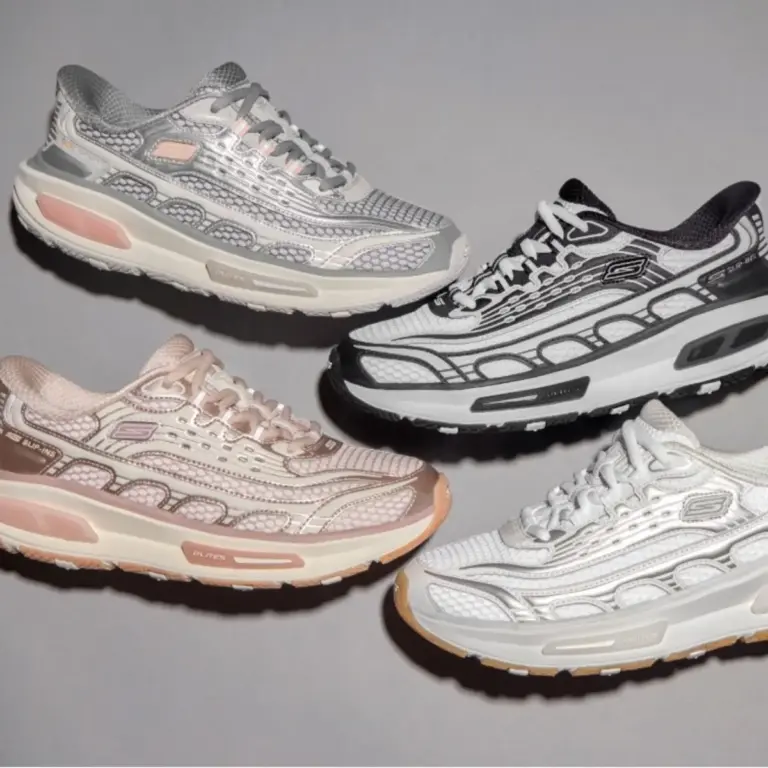
Signs of fatigue began to emerge as the market became oversaturated with chunky "dad shoes," retro runners, and minimalist white leather trainers. The uniformity of sneaker culture sparked a counter-movement among early adopters and industry insiders. The definitive turning point arrived when fashion commentators publicly pronounced the sneaker’s expiration date. Style critics noted a mass exodus from athletic footwear, with tastemakers swapping out soft soles for hard-bottom boots, penny loafers, lug-soled derbies, double-monks, and robust mules.
The Rise of the Hybrid Lace-Up (2025)
As consumers sought alternatives that retained practical comfort without sacrificing polish, the market gravitated toward a middle-ground solution: the smart leather lace-up. This footwear archetype bridged the gap for consumers hesitant to jump straight from ultra-cushioned sneakers to rigid dress shoes. Featuring the structural bulk and functional grip of trainers but rendered in rich calfskin, patent leather, and rich suedes, the lace-up shoe became the essential uniform for transitional weather.
Runway Codification (Autumn/Winter 2026 Collections)
The trend evolved from an underground street-style preference into a global design mandate during the Autumn/Winter 2026 fashion weeks. Major fashion houses embedded structured lace-ups into their core collections, moving the style past a mere novelty and cementing it as the foundational footwear trend of the decade’s second half.

Supporting Context & Metrics: The Anatomy of a Footwear Shift
The transition away from sneakers is not merely a fleeting aesthetic whim; it is supported by shifting consumer spending habits, changing workplace dress codes, and evolving lifestyle needs.
The Practicality Factor
One of the primary reasons sneakers dominated for so long was their resilience against harsh weather and urban environments. Commuters walking through rain-slicked city streets required shoes that offered traction and durability. The modern iteration of the smart lace-up meets these exact demands. Unlike delicate ballet flats or smooth-soled vintage dress shoes, contemporary Derbies, Oxfords, and brogues feature robust, lugged, or heavy-duty rubber soles. They provide the weather-proofing and arch support modern consumers demand, making them ideal for navigating packed commuter networks like the London Underground or the concrete grids of global metropolises.
The Return of the Sock
The resurgence of hard-bottom shoes has simultaneously revived a secondary accessory category: the sock. Following summers dominated by minimalist sandals and bare-foot ballet pumps—where undergarments for the feet were virtually ignored—the shift to lace-ups requires a deliberate styling choice. Fashion enthusiasts are once again investing in statement hosiery: ribbed cotton crews, sheer silk ankle socks, and textured wools that peek out from cropped trousers and pleated skirts, adding an extra layer of textural depth and personality to autumnal outfits.
Runway Highlights from Autumn/Winter 2026
The global design community fully endorsed the lace-up renaissance through diverse interpretations on the runway:
- Emilia Wickstead: Offered a masterclass in timeless elegance with classic, streamlined leather brogues that anchored heritage-inspired tailoring.
- Prada: Delivered a subversive take on the traditional Derby shoe, featuring intentionally scuffed patinas contrasted with brightly colored, vibrant laces that challenged traditional notions of corporate footwear.
- Simone Rocha: Infused the category with romanticism and whimsy, showcasing lace-ups adorned with intricate embroidery and delicate hardware.
- The Jazz Shoe Phenomenon: Softer, ultra-supple leather lace-ups—often referred to as jazz shoes—proliferated across wardrobes globally, largely driven by the influence of houses like Bottega Veneta, Celine, and Dior, which championed a lighter, more flexible approach to smart footwear.
Official Statements and Industry Insights
Fashion insiders, designers, and market analysts have weighed heavily on the death of the sneaker and the ascent of structured footwear.
Daniel Rodgers, writing in British Vogue, encapsulated the collective mood of the industry:
"Almost everyone I know has started weaning them out and replacing them with hard-bottom boots, penny loafers, lug-soled derbies, double-monks, mules—anything leather and substantial."
This sentiment reflects a broader cultural fatigue with casual wear. After years of pandemic-era loungewear and post-pandemic "athleisure" dominance, consumers are signaling a desire to dress with greater intentionality.

Retail buyers note a distinct upward trajectory in sales for heritage footwear brands alongside contemporary high-street offerings. Iconic heritage labels, such as Church’s with their weather-resistant leather Derby lines (exemplified by models like the Shannon WR), are experiencing a renaissance among younger demographics who previously only shopped for limited-edition sneakers. Simultaneously, high-street mainstays like Marks & Spencer report surging interest in accessible leather lace-up flat shoes, proving that the trend spans every tier of the retail market.
Stylists emphasize that the appeal of the leather lace-up lies in its remarkable versatility. Unlike a statement boot or a polarizing clog, a well-crafted Derby or Oxford acts as a blank canvas. It can be paired with wide-leg wool trousers for the office, styled with distressed denim and trench coats for weekend outings, or contrasted against fragile lace dresses for evening events.
Future Outlook: Where Footwear Goes From Here
As the fashion industry looks beyond the current season, the momentum behind structured footwear shows no sign of slowing down. The era of unchecked casualization has reached a saturation point, clearing the path for a sustained period of sartorial refinement.
1. The Evolution of Comfort Engineering
Footwear manufacturers are recognizing that consumers will not easily relinquish the ergonomic benefits experienced during the sneaker boom. Consequently, future iterations of smart lace-ups will increasingly incorporate performance technology hidden beneath traditional leather exteriors. Expect to see memory foam insoles, shock-absorbing midsoles, and lightweight composite materials integrated into classic Oxfords and brogues to meet the demands of active, urban lifestyles.
2. Sustainability and Longevity
In an era of heightened environmental consciousness, the sneaker model—often associated with fast-fashion cycles and synthetic adhesives that degrade quickly—is facing scrutiny. Leather lace-ups, by contrast, champion the principles of slow fashion. High-quality calfskin and Goodyear-welted soles are designed to be repaired, resoled, and polished over decades. This emphasis on durability and longevity aligns perfectly with the values of modern consumers who prioritize investment pieces over disposable trends.
3. The Re-Definition of "Smart-Casual"
The workplace dress code will continue to evolve, with the hard-bottom lace-up establishing itself as the definitive footwear standard for the modern professional. By bridging the gap between formality and comfort, these shoes offer a sophisticated alternative that commands respect in boardrooms while retaining the relaxed versatility demanded by hybrid work environments.
Conclusion
The narrative that sneakers are "dead" is not an obituary for comfort, but rather an invitation to a higher standard of dressing. By trading rubber soles for substantial leather, the fashion world has signaled a collective return to craftsmanship, structure, and enduring style. As commuters step out this autumn in polished Derbies, scuffed brogues, and delicate jazz shoes, one thing is certain: the journey from the ground up has never looked sharper.