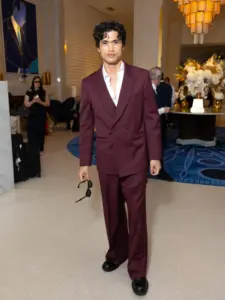
The red carpet has evolved from a ceremonial walk into a high-stakes arena of global commerce, viral media generation, and cultural discourse. Once viewed merely as a secondary promotional venue for film premieres and music awards, the modern red carpet now functions as a multi-billion-dollar marketing ecosystem. In this space, luxury fashion houses, image architects, and entertainment personalities collaborate to construct enduring brand narratives.
Over the past quarter-century, specific sartorial moments have transcended the event horizons of their respective award shows. These looks have altered global internet architecture, dissolved long-standing gender norms in formal wear, pioneered hyper-focused "method dressing" for film marketing, and established new benchmarks for Media Impact Value (MIV).
This analysis examines the structural evolution of red carpet fashion from 2000 through 2024. It explores how curated design choices transformed red carpets from passive celebrity parades into powerful platforms for artistic expression, commercial leverage, and technological innovation.
Detailed Chronology: Two Decades of Red Carpet Transformation (2000–2024)
========================================================================================================================
TIMELINE OF RED CARPET EVOLUTION
========================================================================================================================
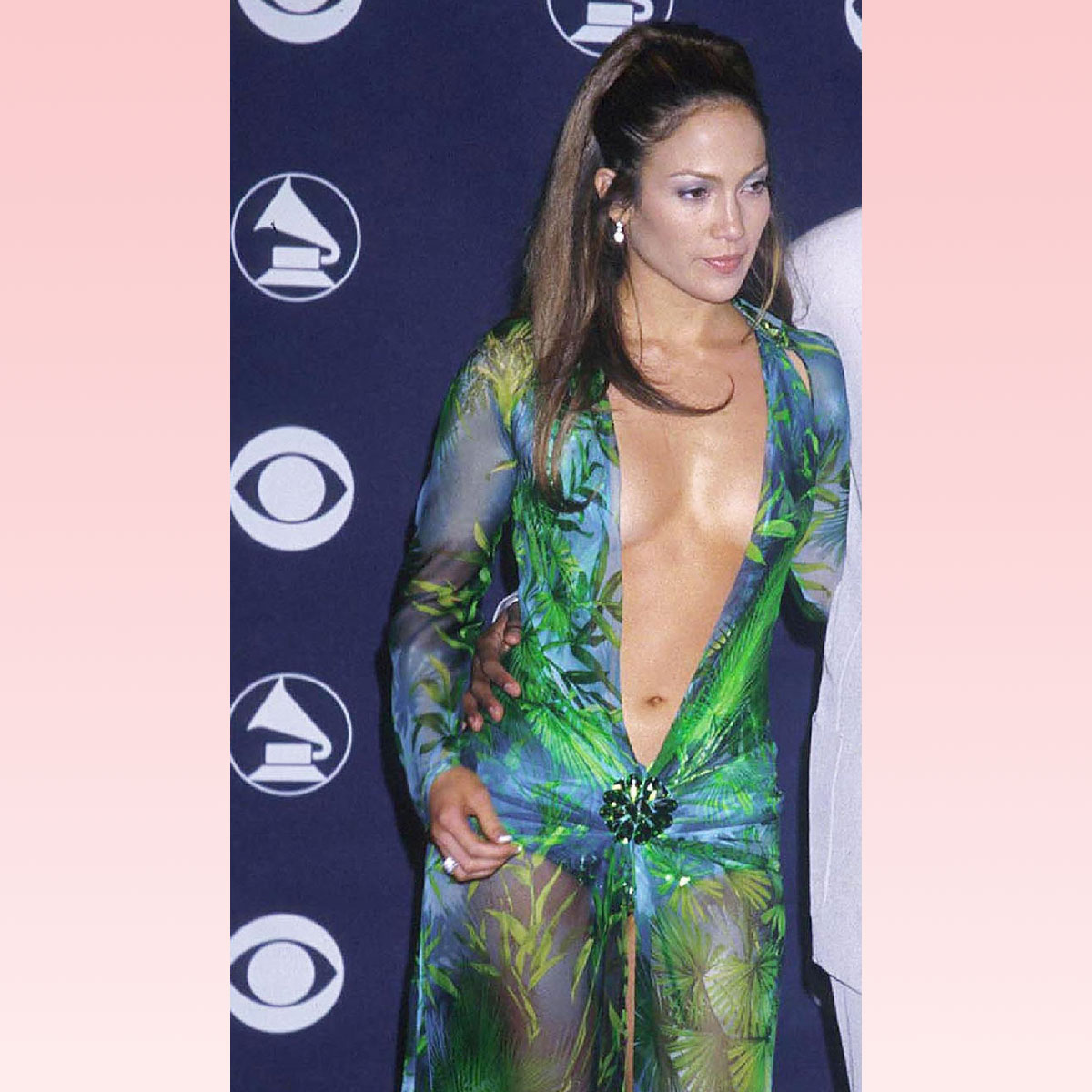
[2000] J.Lo's Silk Chiffon Versace Dress --------> Catalyzes creation of Google Images; proves digital search demand.
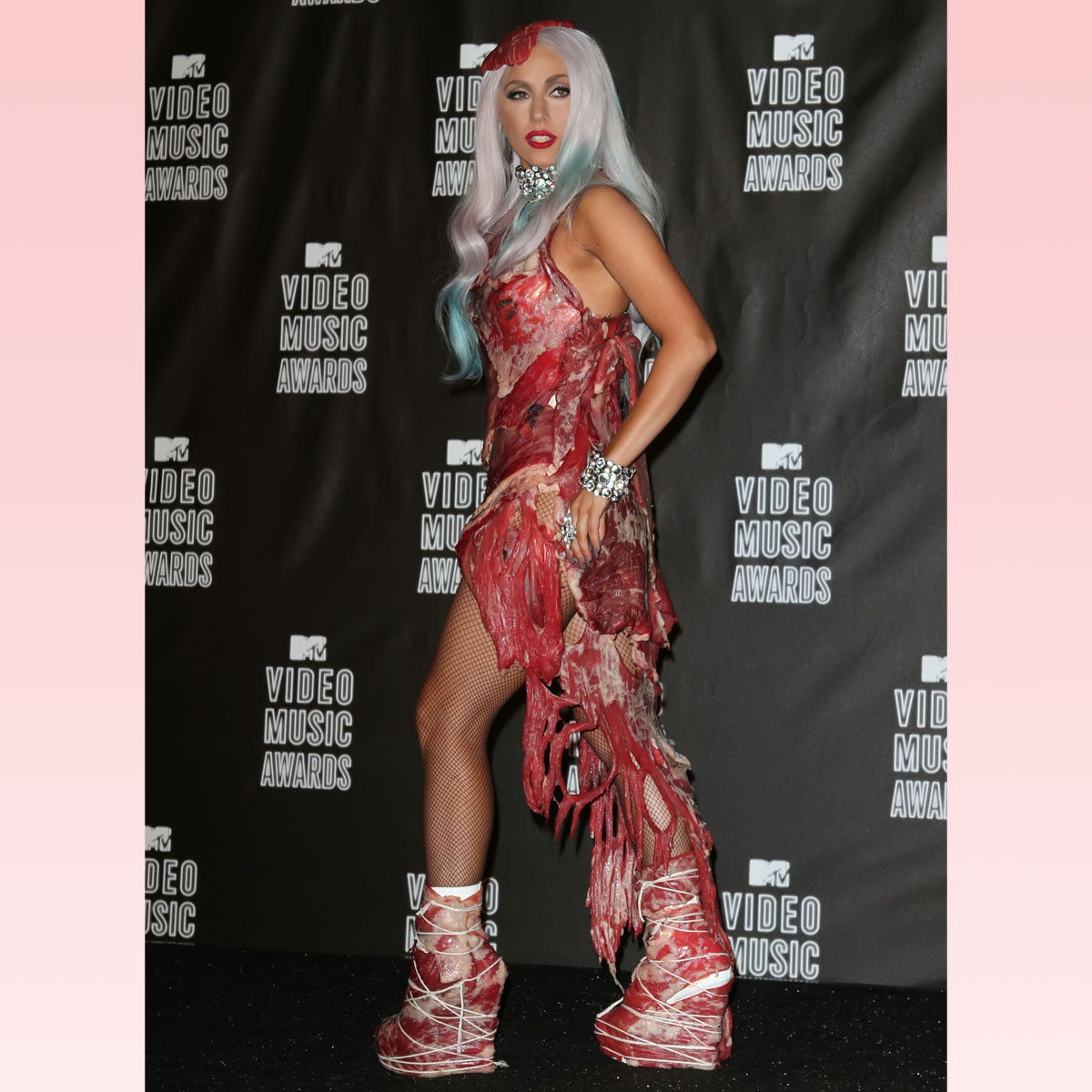
[2010] Lady Gaga's Franc Fernandez Meat Dress ---> Establishes red carpet as a site for political avant-garde art.
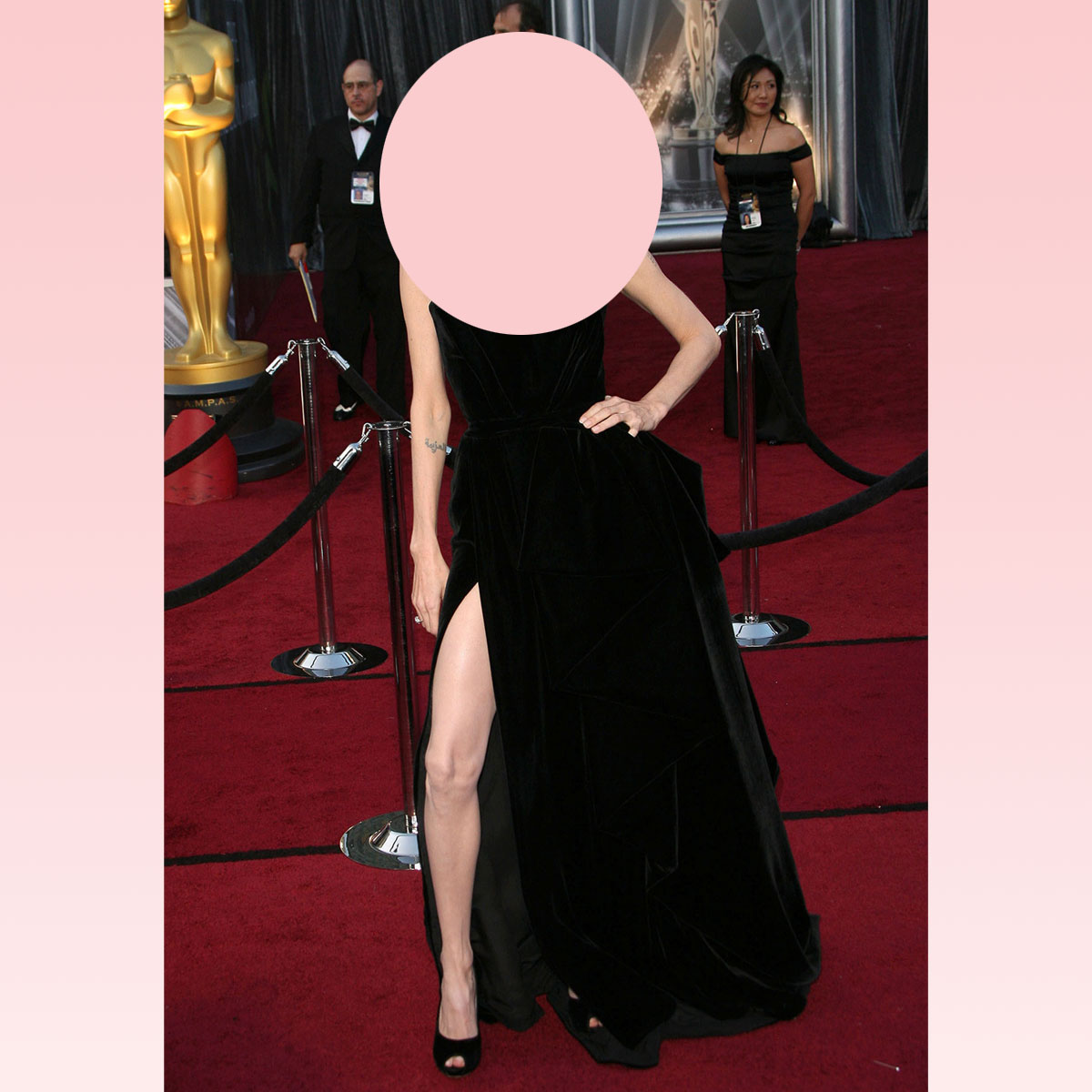
[2012] Angelina Jolie's Atelier Versace Gown ----> Launches early social media memetics via structural posing.
[2014] Lupita Nyong'o's Custom Prada Gown --------> Redefines modern Hollywood royalty and fairytale branding.
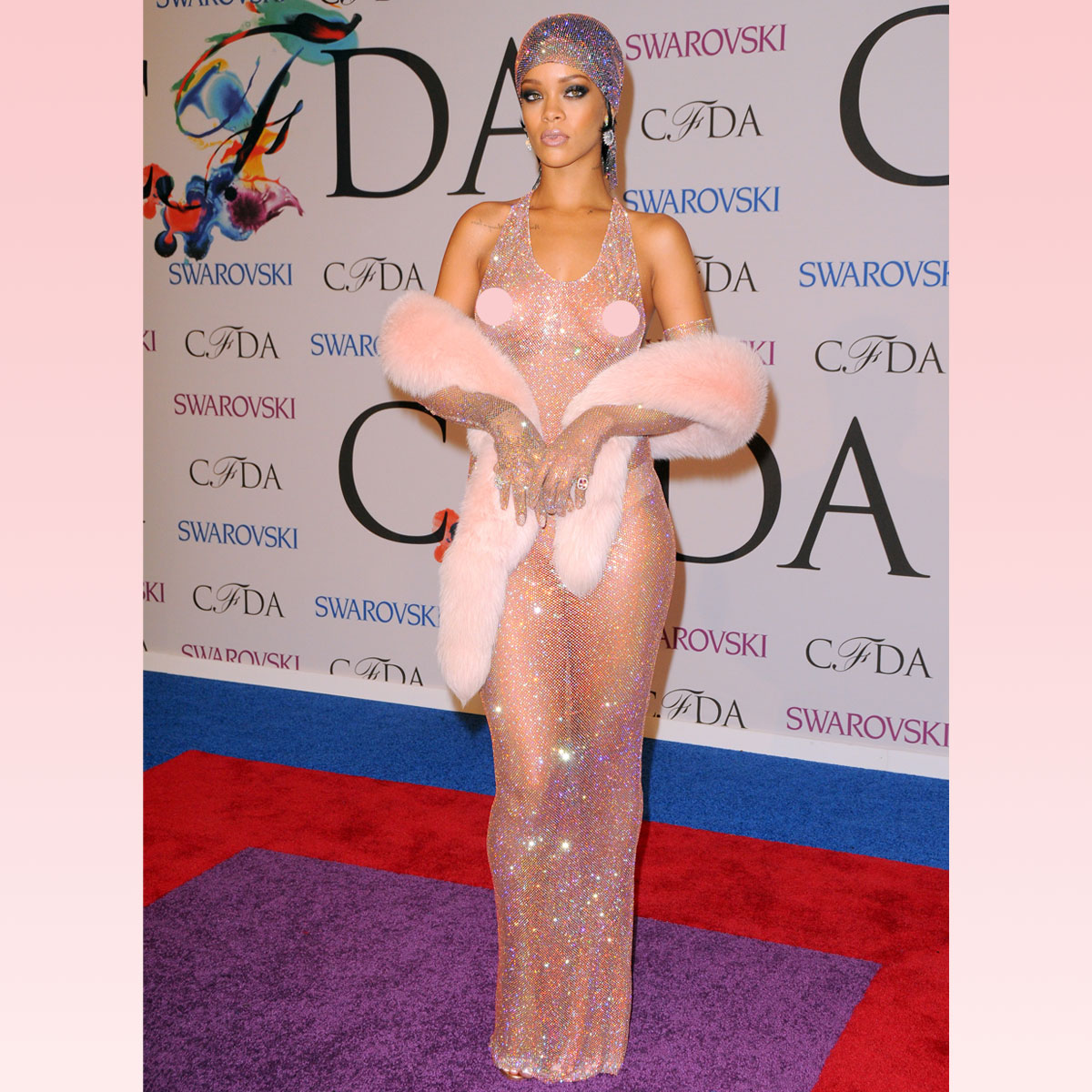
[2014-15] Rihanna & Beyoncé's "Naked Dresses" ----> Establishes modern sheer embellishment trends at CFDA & Met Gala.
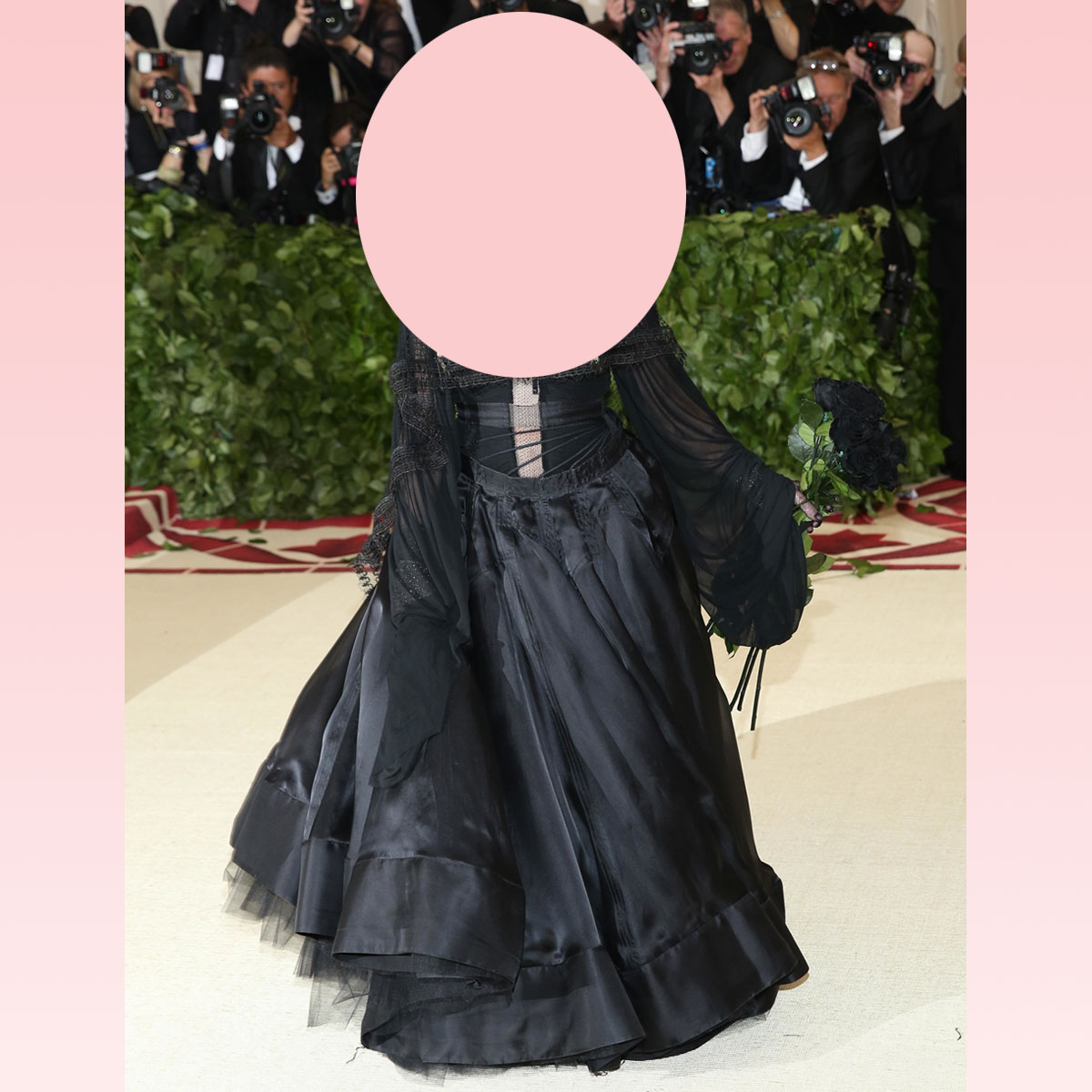
[2018] Madonna's Jean Paul Gaultier Ensemble ---> Exemplifies thematic narrative depth at the Met Gala.
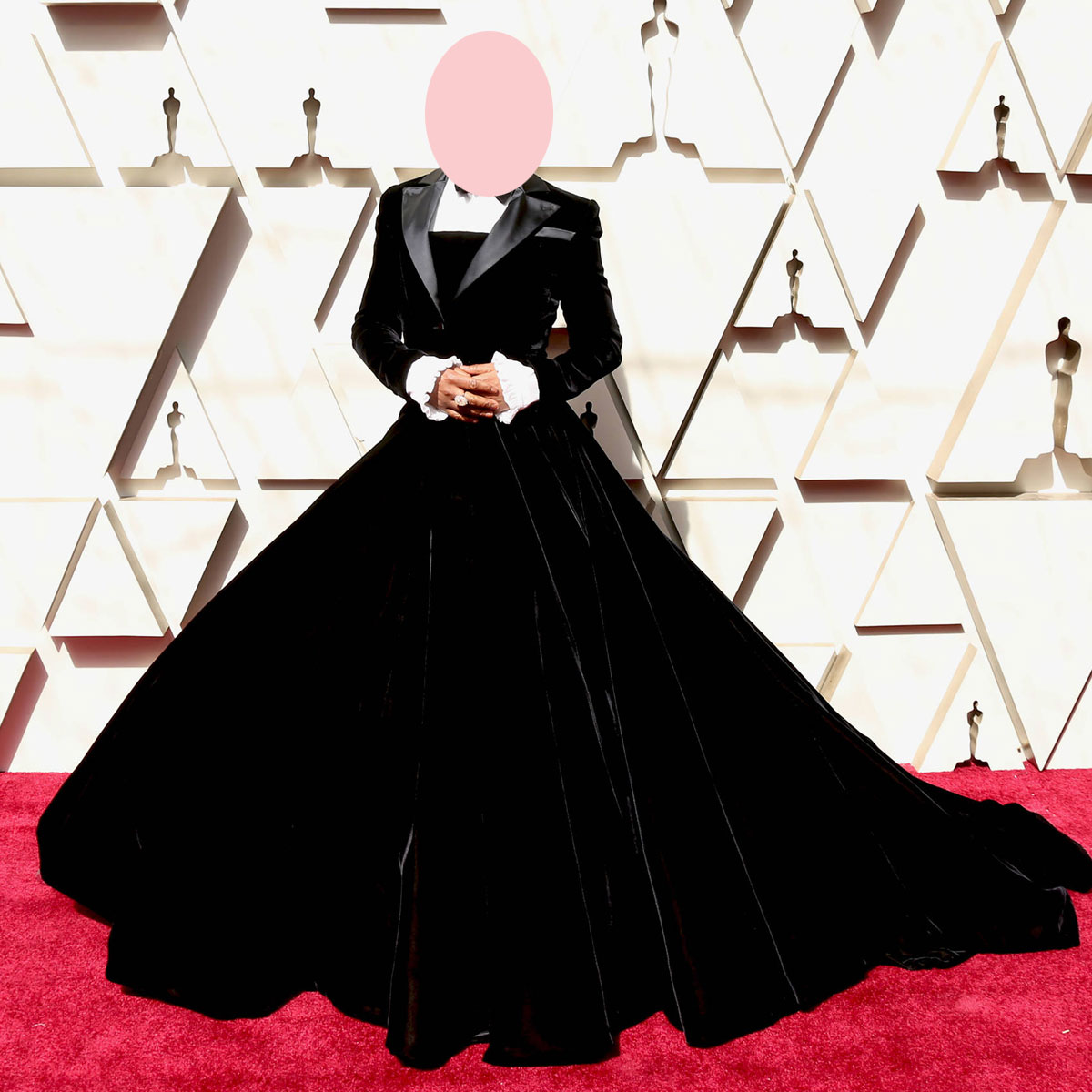
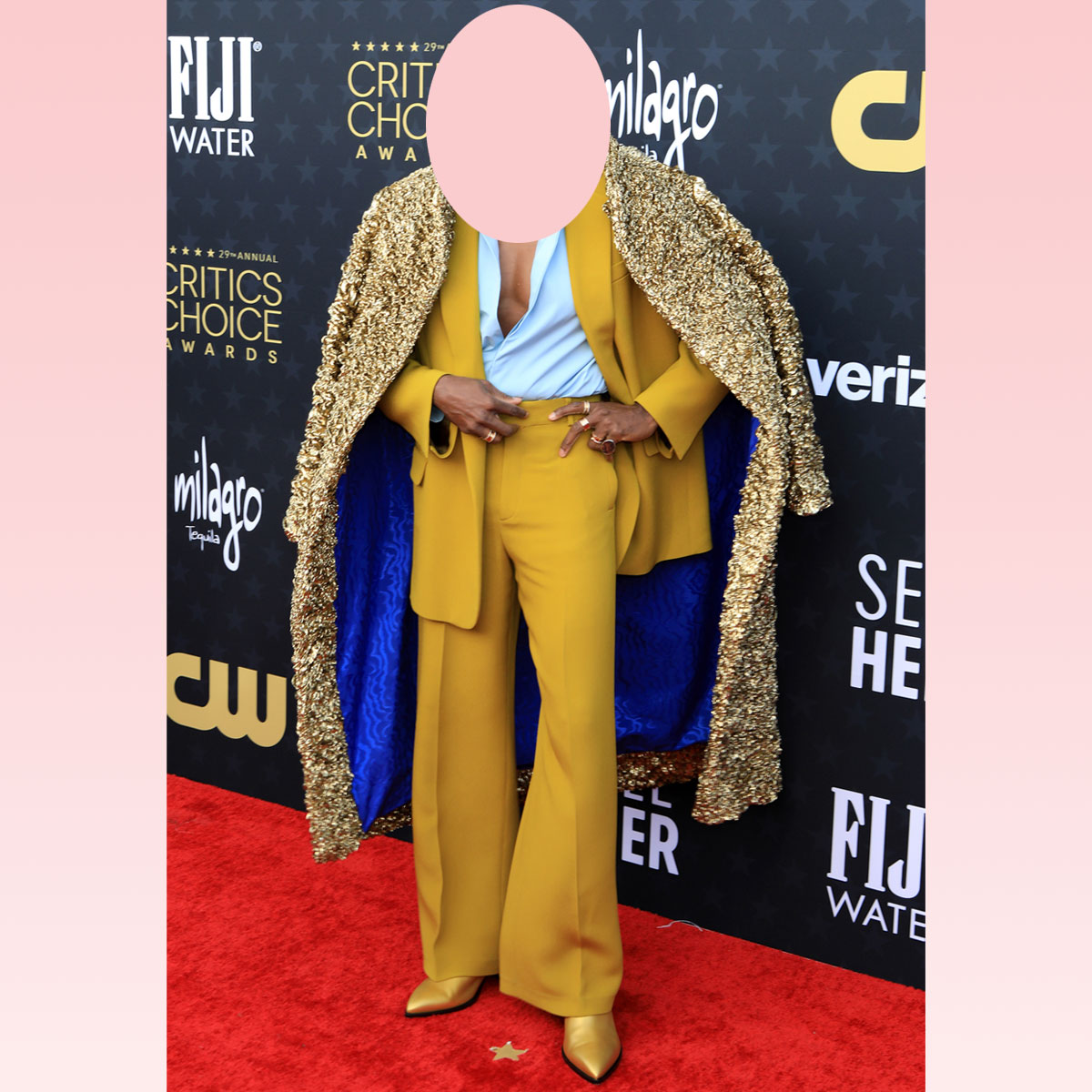
[2019] Billy Porter's Tuxedo Gown (Siriano) -----> Shatters traditional gendered dress codes at the Academy Awards.
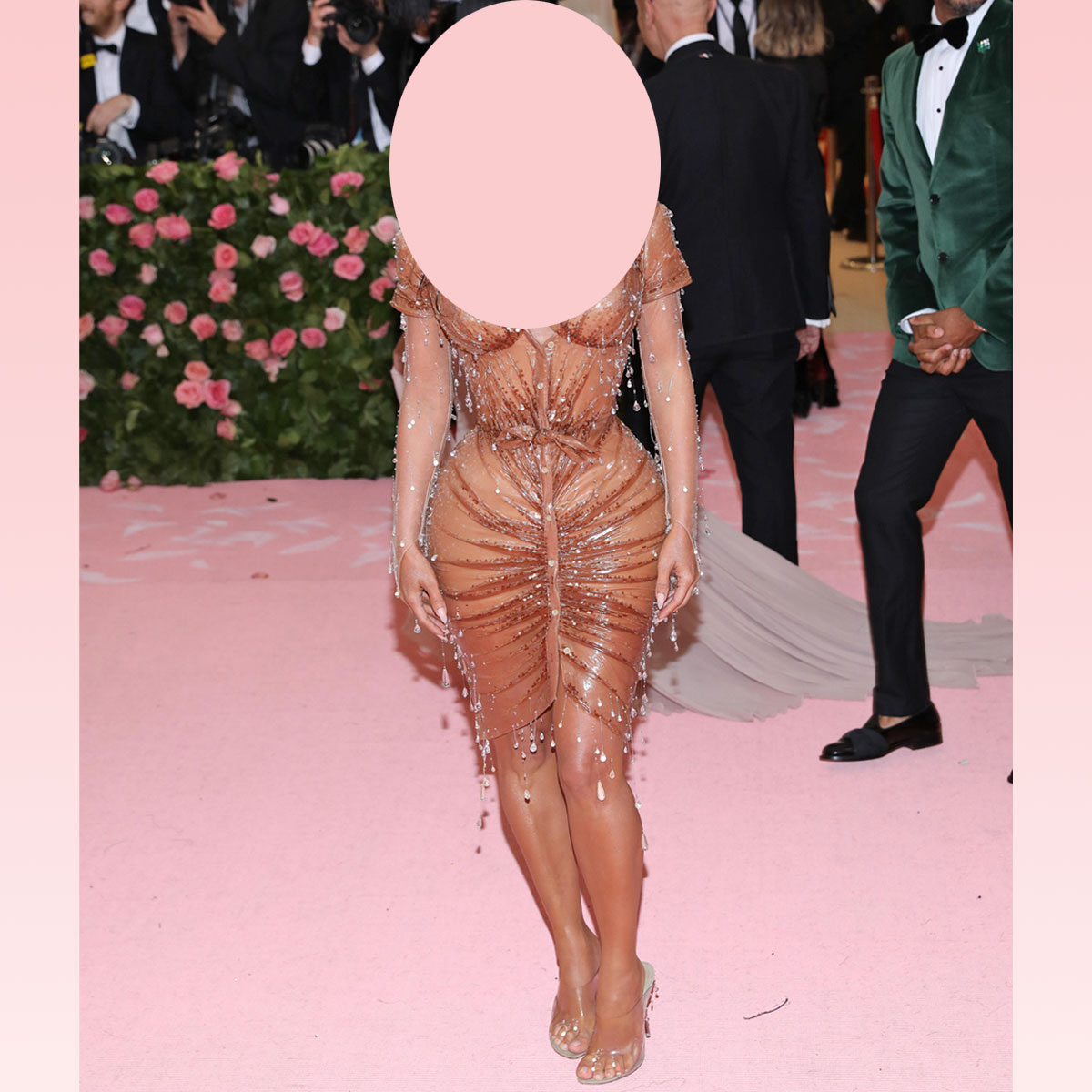
[2019] Kim Kardashian & Cardi B (Mugler/Browne) -> Advance sculptural corsetry and structural garment architecture.
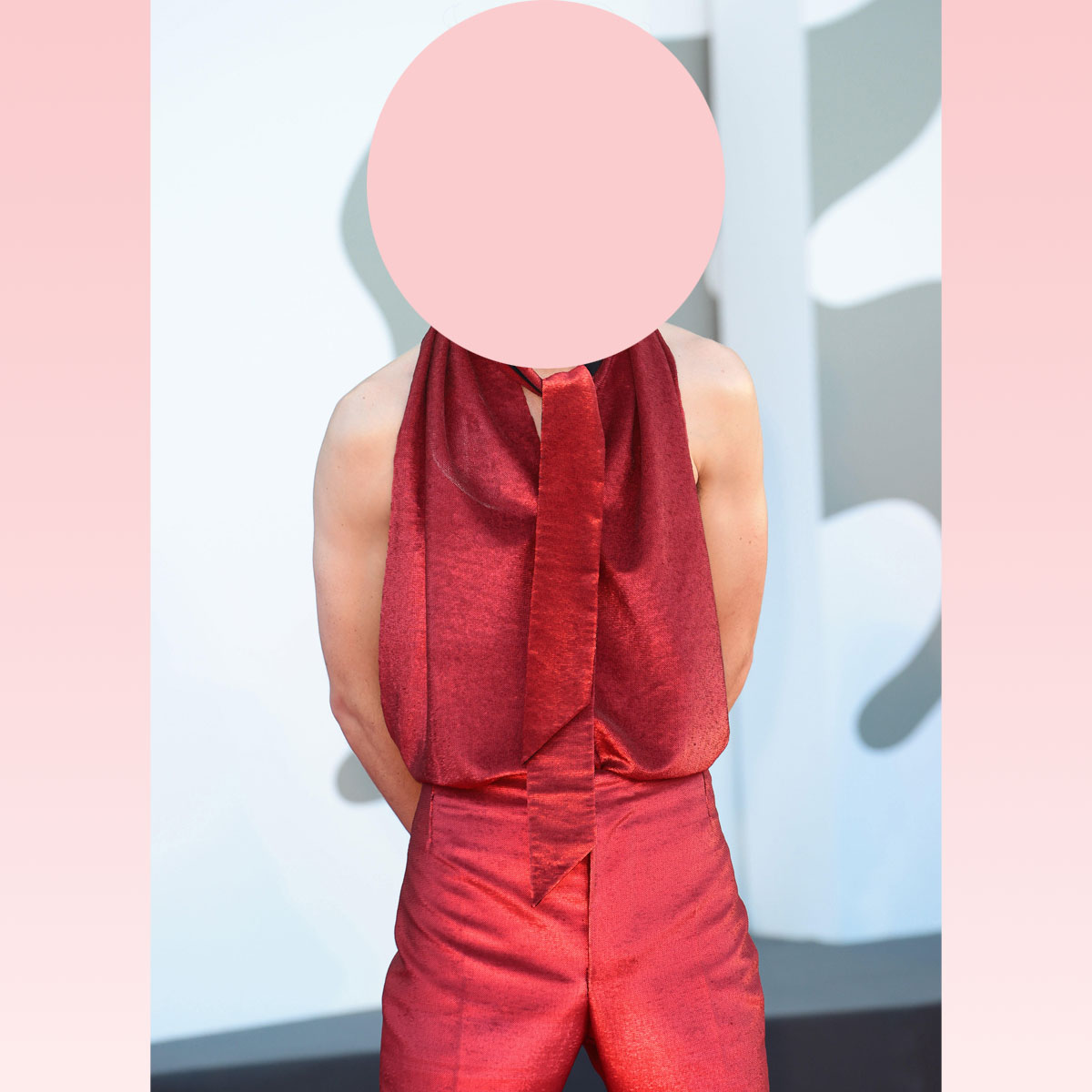
[2022] Timothée Chalamet's Backless Halter Top -> Normalizes fluid, suitless menswear across elite film festivals.
[2023] Doja Cat's Schiaparelli Red Crystals ------> Merges body paint and haute couture into viral performance art.
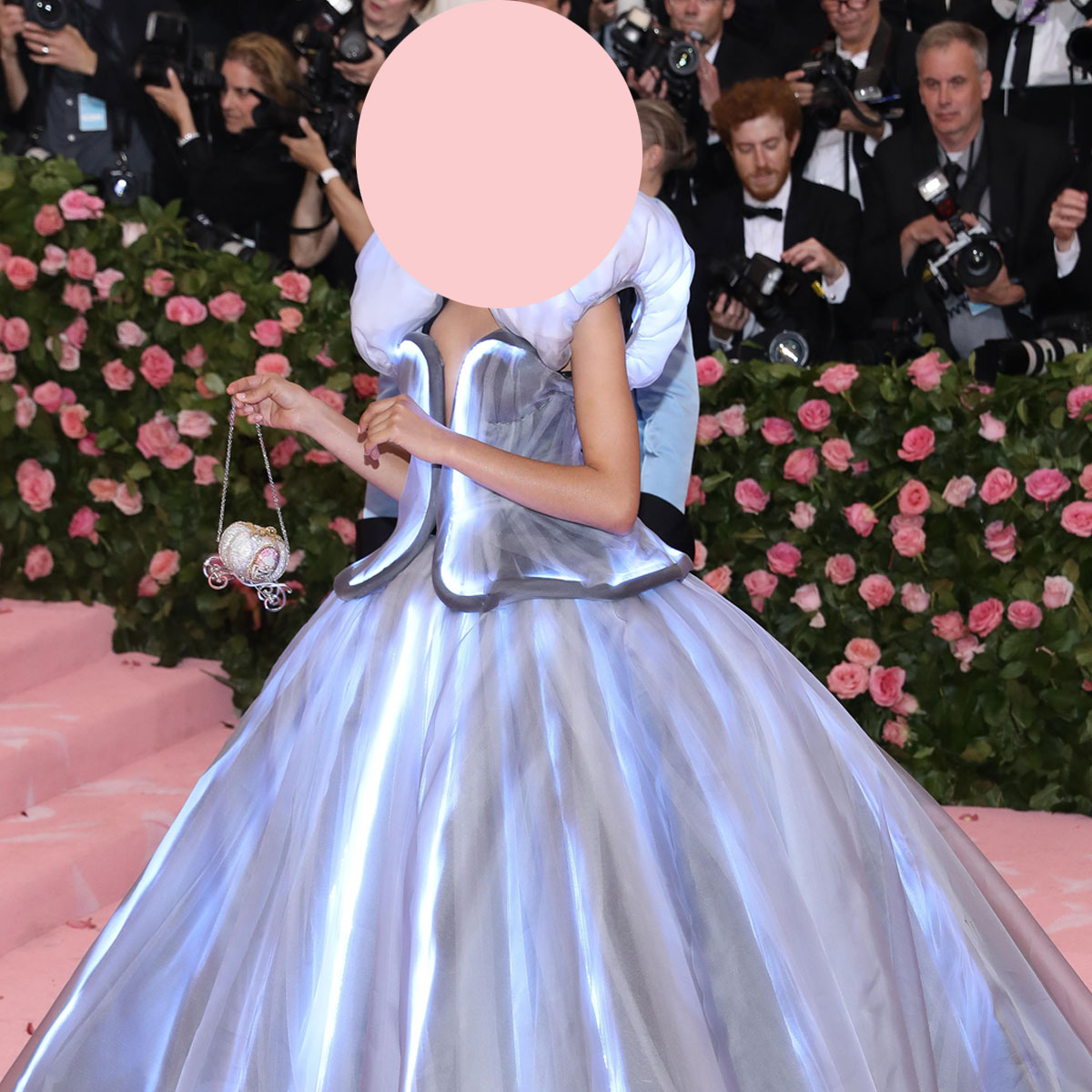
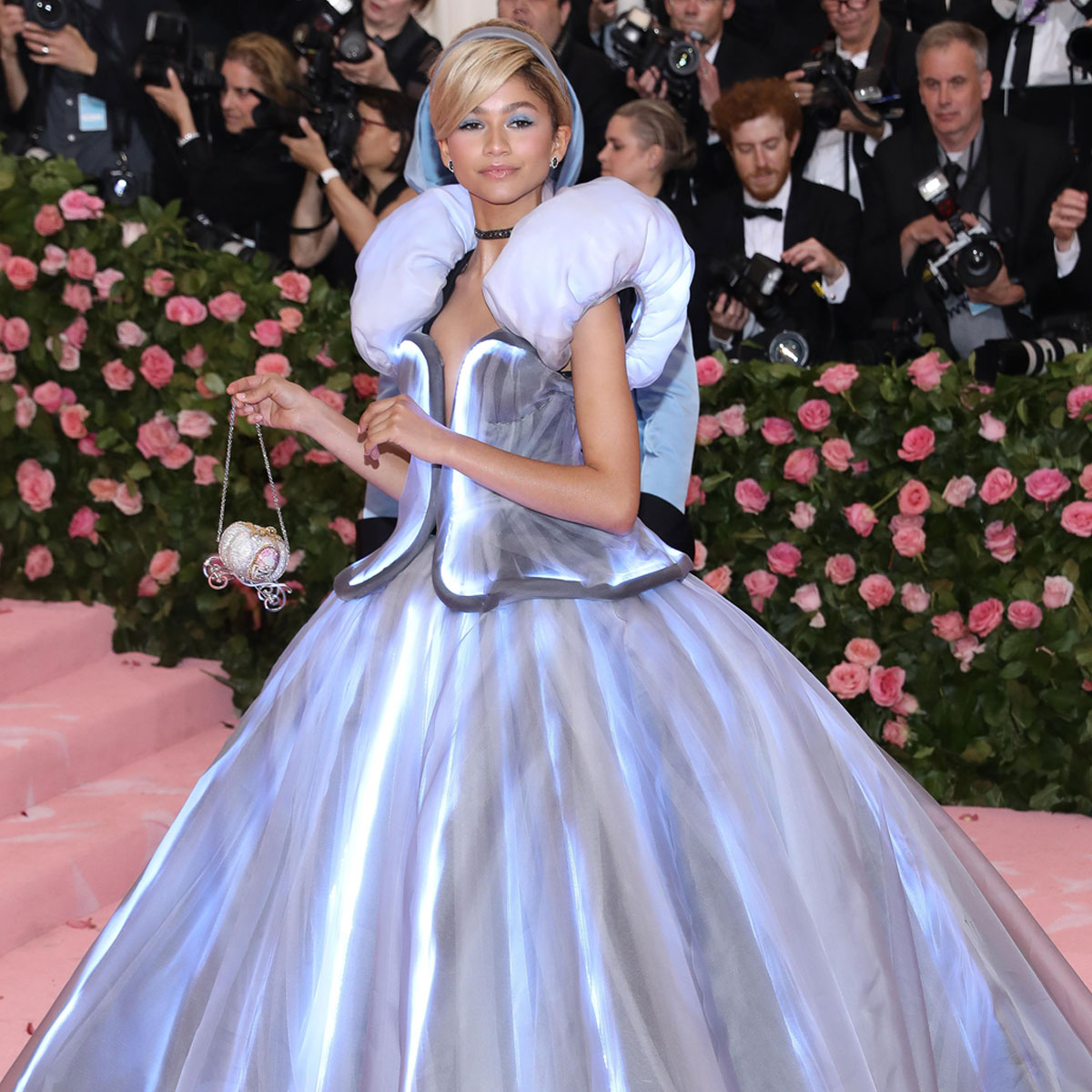
[2023-24] Margot Robbie & Zendaya ----------------> Pioneer "Method Dressing" as an integrated film PR strategy.
========================================================================================================================
1. The Dawn of the Digital Era (2000–2010)
February 2000: The Catalytic Event
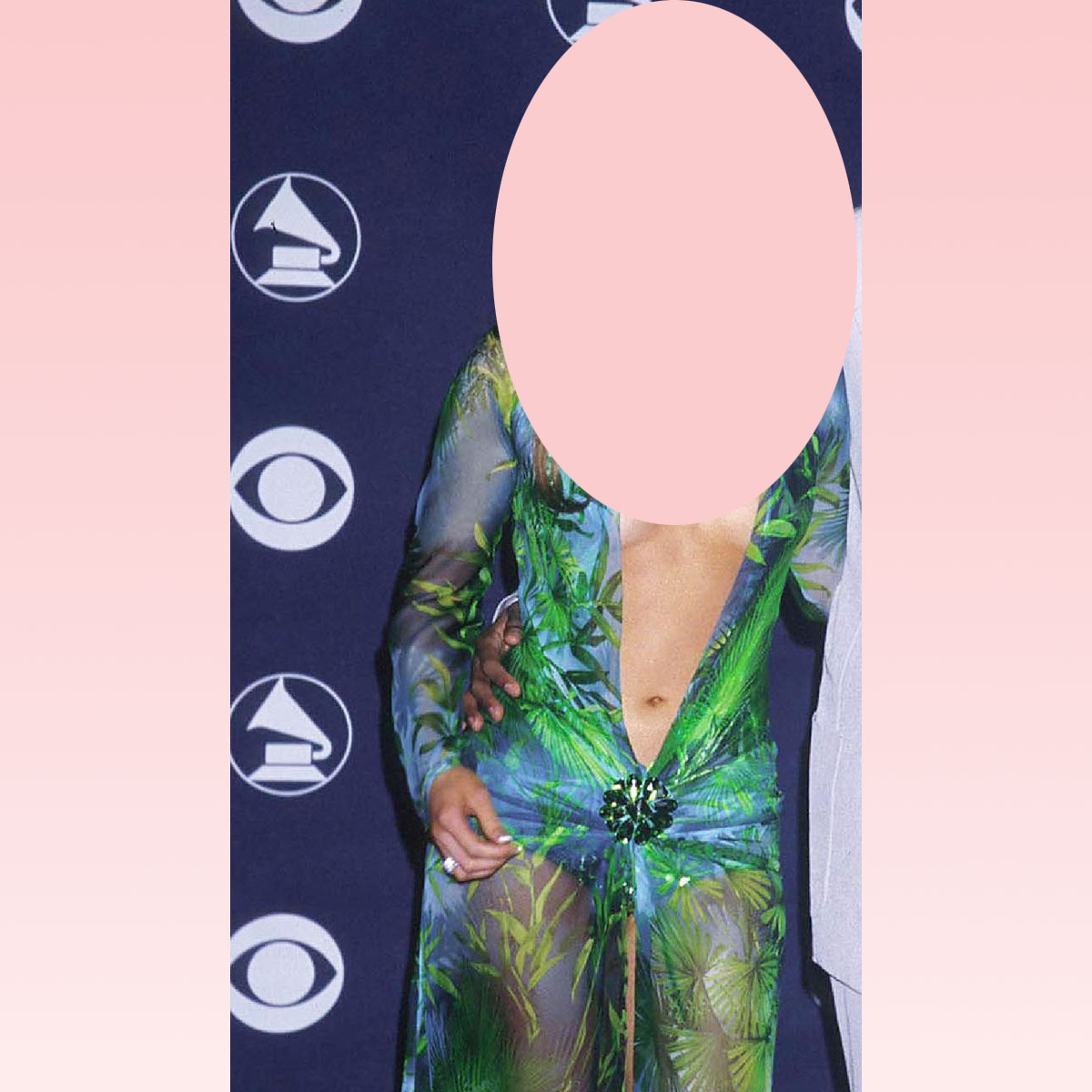
At the 42nd Annual Grammy Awards, Jennifer Lopez stepped onto the red carpet wearing a exotic-print green silk chiffon gown designed by Donatella Versace. Featuring a plunging neckline extending past the navel, the look caused an unprecedented surge in internet search queries. At the time, search results were limited to text, frustrating users seeking images of the garment. This technical bottleneck prompted Google engineers to build Google Images, demonstrating how a single red carpet appearance could shape global digital infrastructure.
+-----------------------------------------------------------------------------------+
|                            THE GOOGLE IMAGES CATALYST                             |
+-----------------------------------------------------------------------------------+
| Event: 42nd Annual Grammy Awards (February 2000)                                  |
| Personality: Jennifer Lopez | Designer: Versace (Green Silk Chiffon)              |
| Impact: Highest Google search query volume in history up to that point.           |
| Outcome: Google co-founders Eric Schmidt & Larry Page direct creation of          |
|          Google Image Search to meet global visual demand.                        |
+-----------------------------------------------------------------------------------+
September 2010: The Political Avant-Garde
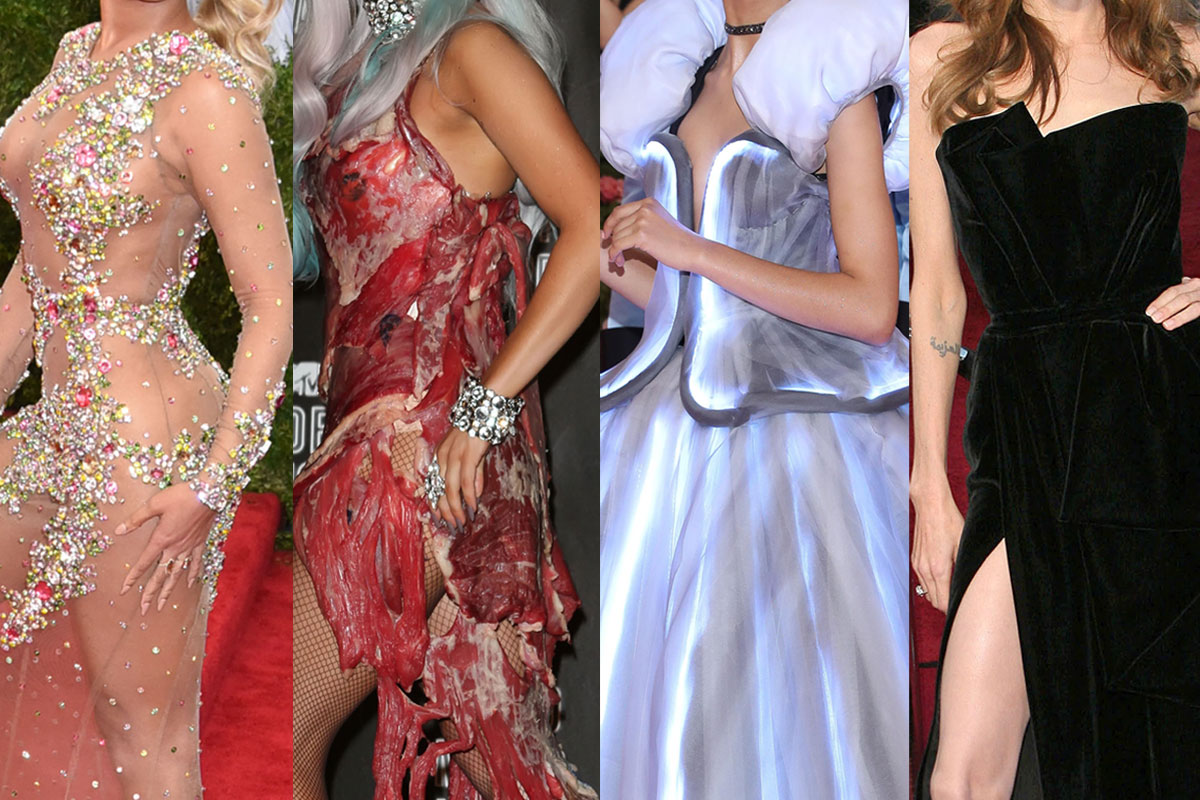
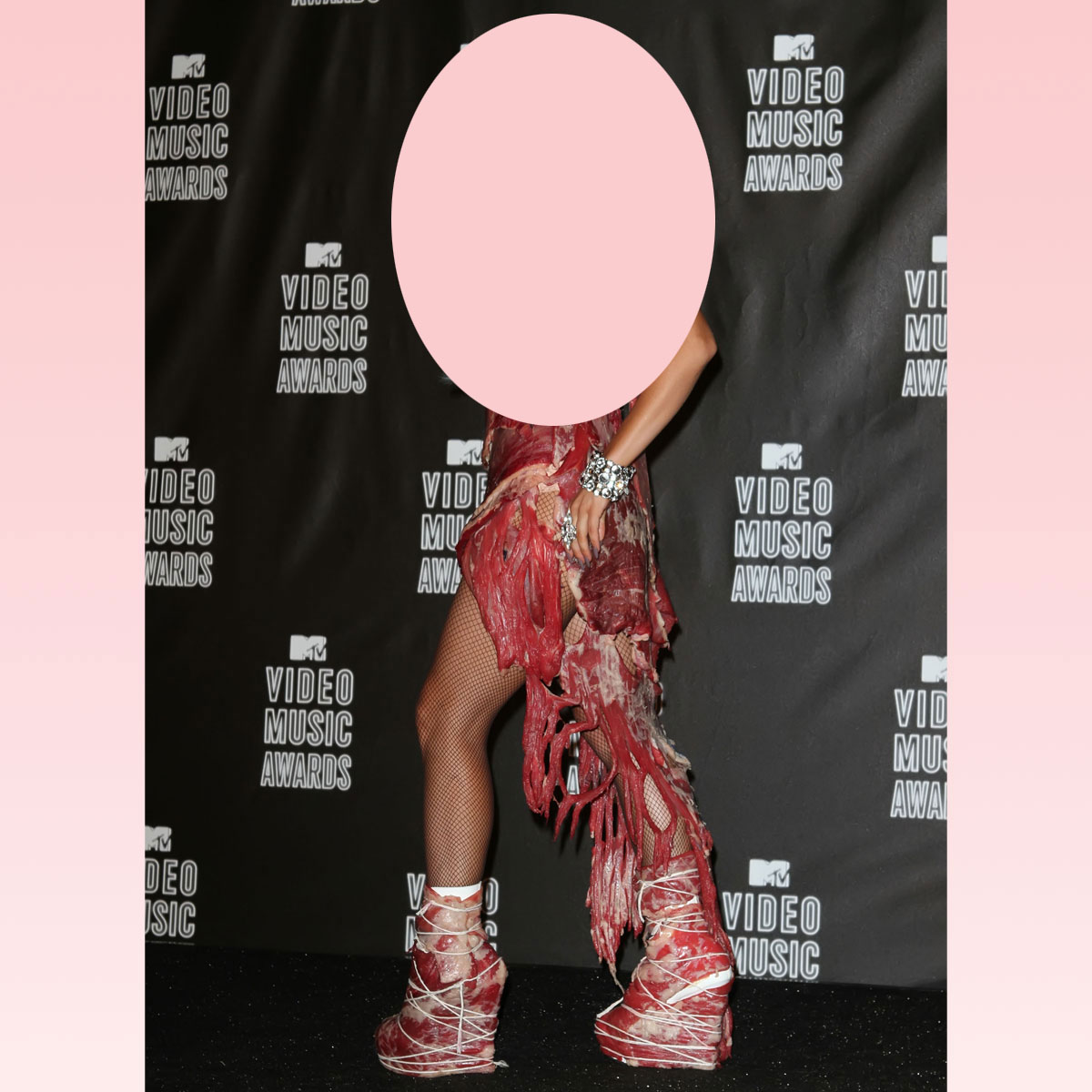
At the 2010 MTV Video Music Awards, Lady Gaga appeared in a dress, boots, purse, and hat made entirely of raw beef, designed by Franc Fernandez and styled by Nicola Formichetti. Beyond its immediate shock value, the garment served as a socio-political statement opposing the U.S. military’s "Don’t Ask, Don’t Tell" policy. This moment signaled a pivot: red carpets were no longer reserved solely for traditional elegance; they could also host radical performance art and political commentary.
May 2010: Cinematic Character Alignment
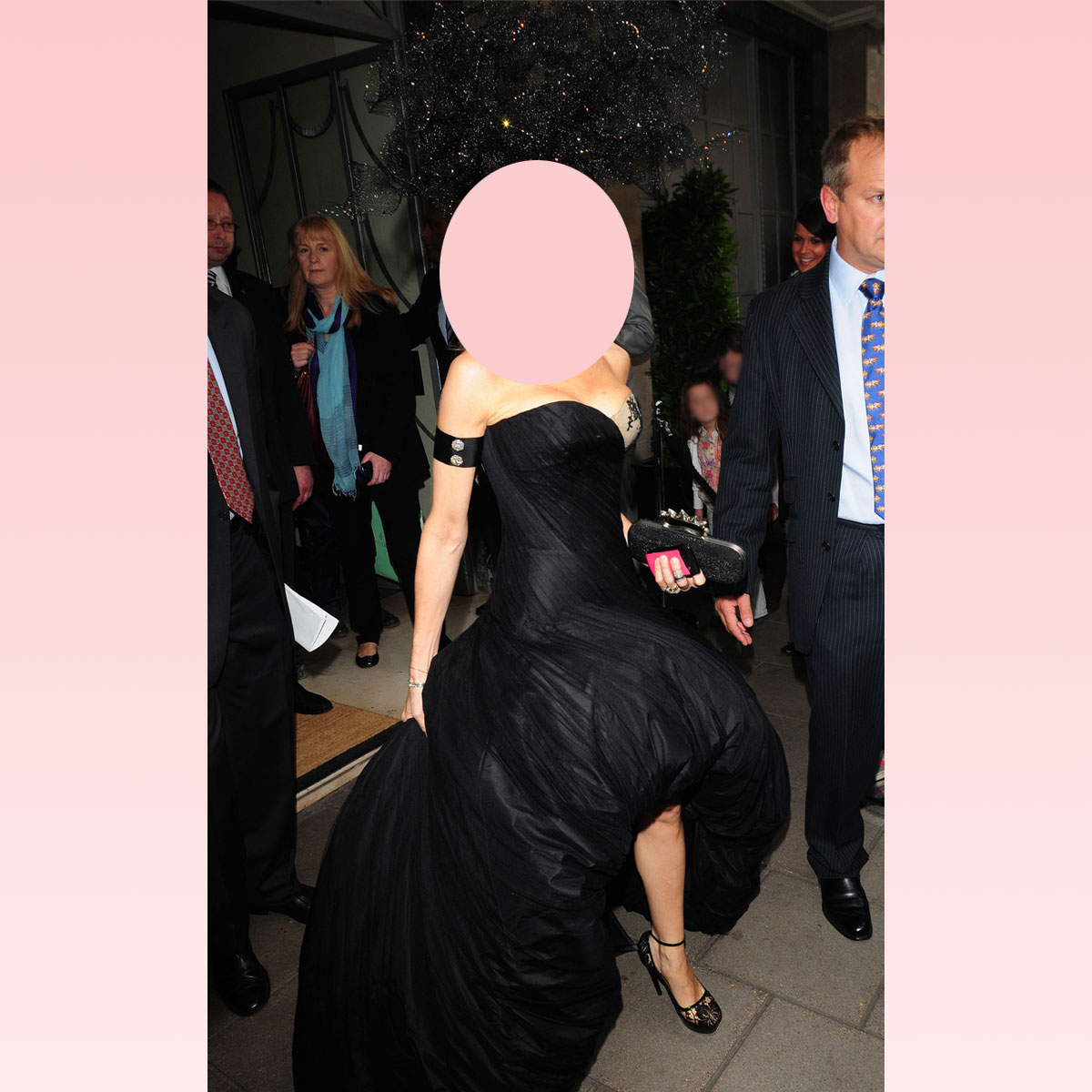
At the London premiere of Sex and the City 2, Sarah Jessica Parker wore an intricate black Alexander McQueen gown paired with a dramatic Philip Treacy headpiece. By bringing high-fashion editorial styling directly to film promotions, Parker blurs the line between her onscreen persona, Carrie Bradshaw, and her personal red-carpet identity.
2. Sculptural Glamour and Memetic Virality (2011–2018)
February 2011 & February 2012: The Power of Form and Stance
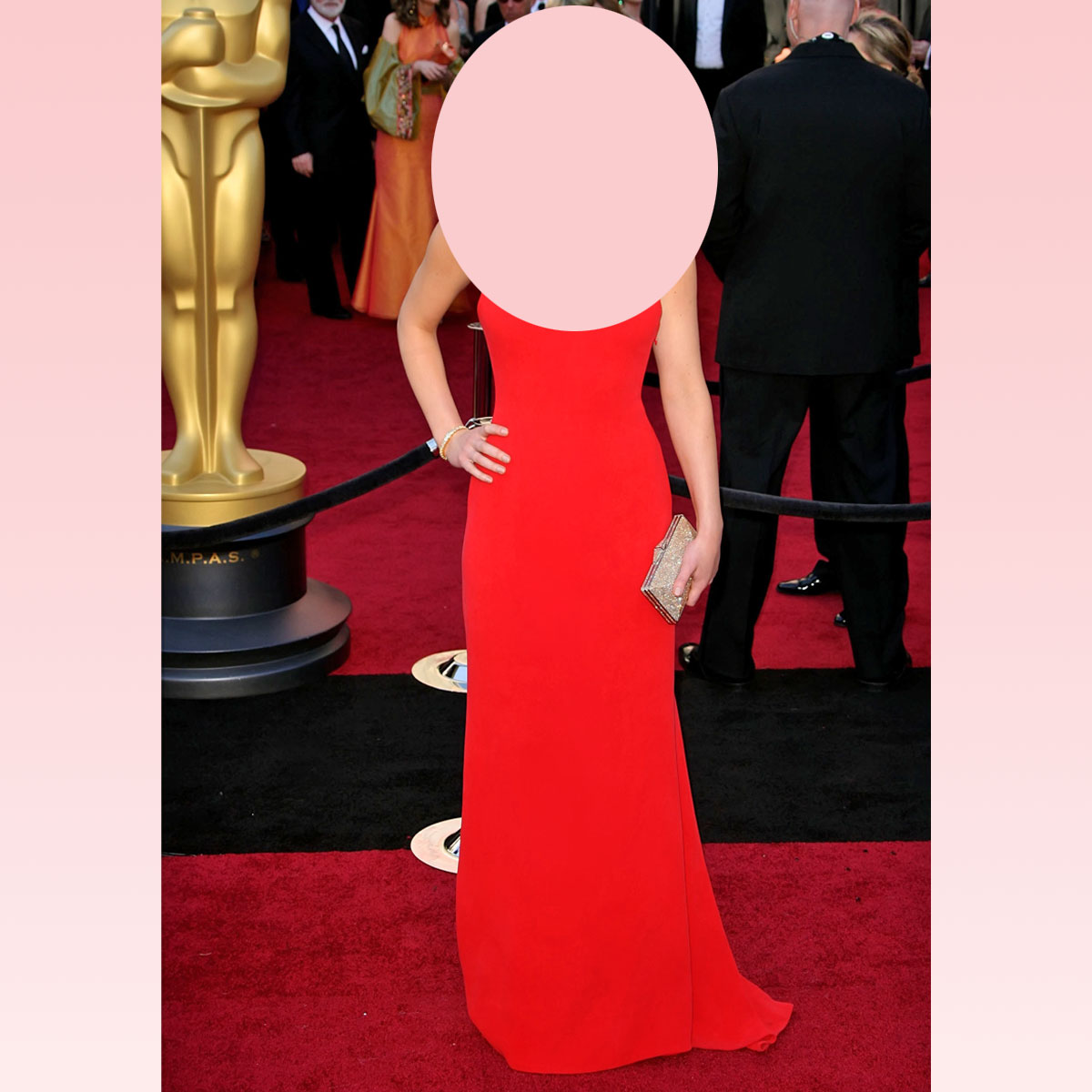
Jennifer Lawrence’s minimalist, custom red Calvin Klein gown at the 2011 Academy Awards proved that clean lines could elevate a rising talent into a household name.
The following year, Angelina Jolie wore a velvet Atelier Versace gown featuring a thigh-high slit to the 84th Academy Awards. Her deliberate pose—extending her right leg through the skirt slit—went viral on platforms like Twitter and Tumblr. This marked the start of the "memetic red carpet era," where specific stances and photo poses were designed for digital parody and rapid social media sharing.
  2011: Minimalist Modernism
  Jennifer Lawrence (Calvin Klein Collection)
  └──> Established clean, simple lines as a path to instant classic status.

  2012: Memetic Stance
  Angelina Jolie (Atelier Versace)
  └──> Gave rise to dedicated meme accounts ("#AngiesRightLeg") and micro-trend discourse.
March 2014: The Birth of a Fashion Icon
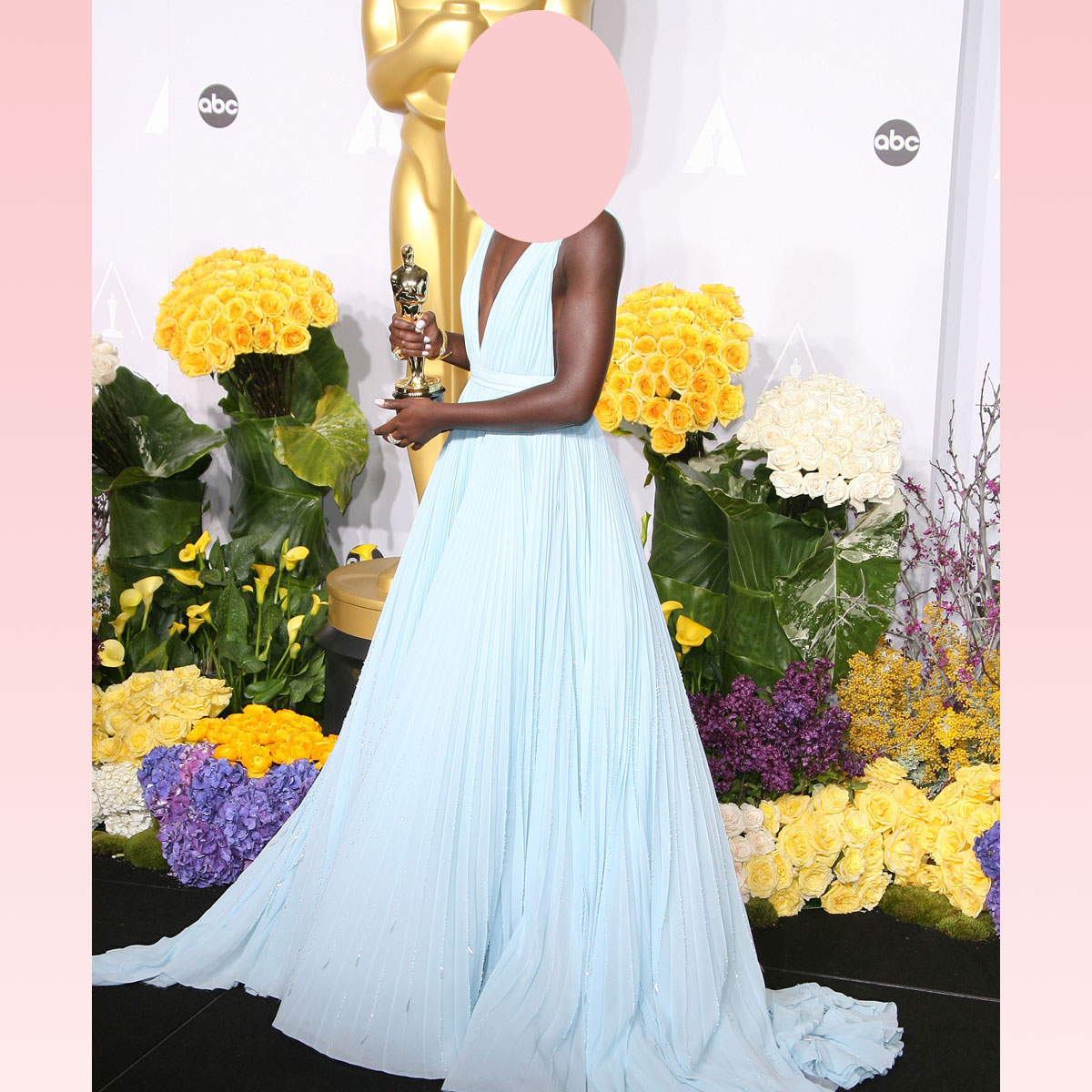
Lupita Nyong’o attended the 86th Academy Awards in a custom, pale-blue chiffon Prada dress designed in collaboration with her stylist, Micaela Erlanger. The gown—dubbed "Nairobi blue" in reference to Nyong’o’s childhood—demonstrated how color choice, narrative storytelling, and tailored design could solidify a newcomer’s position atop the fashion hierarchy on the night of her Best Supporting Actress win.
June 2014 – May 2015: The "Naked Dress" Phenomenon
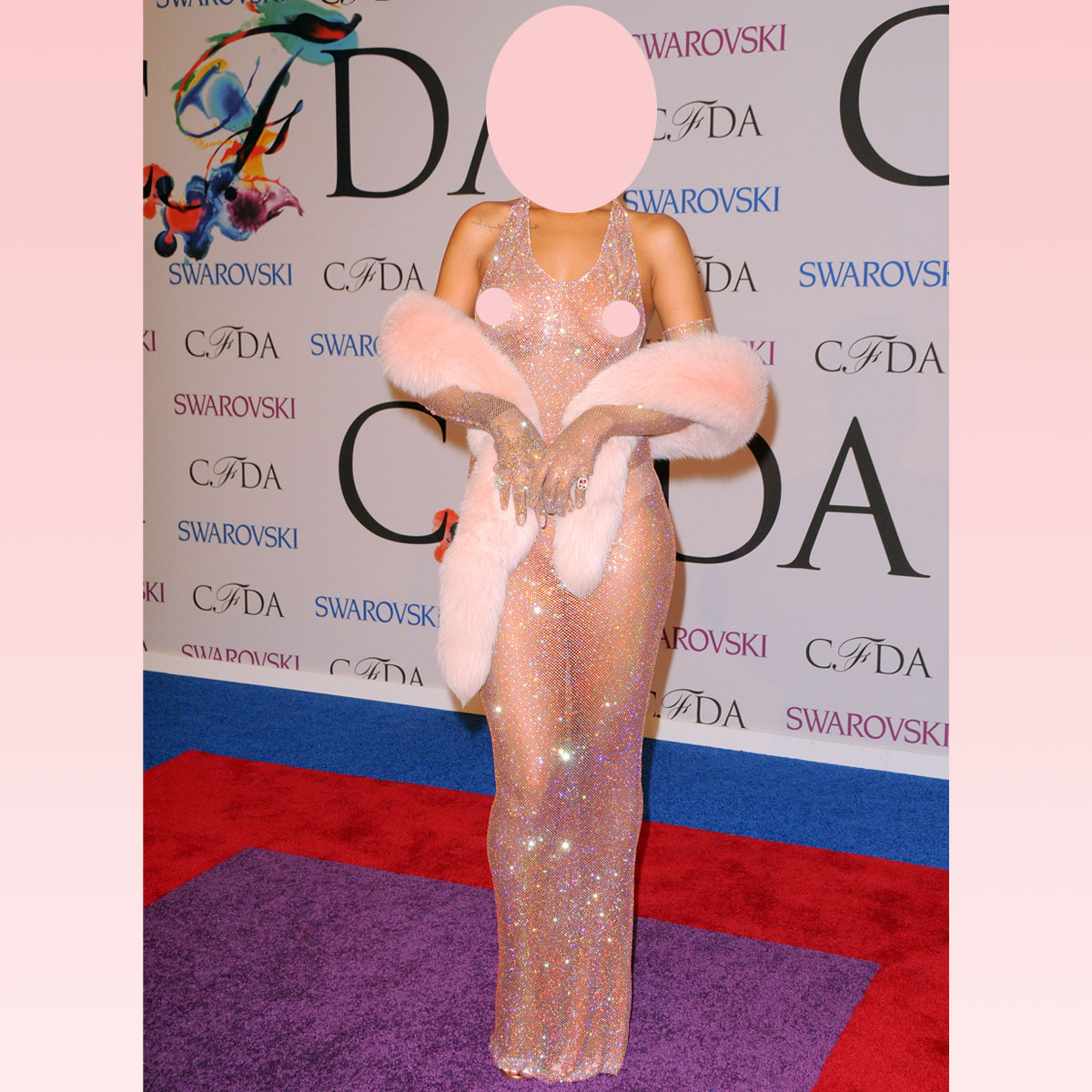
Rihanna (2014 CFDA Awards): Wearing a sheer Adam Selman gown embellished with over 218,000 Swarovski crystals, Rihanna accepted the Fashion Icon Award by taking ownership of body autonomy and sheer fabric design.
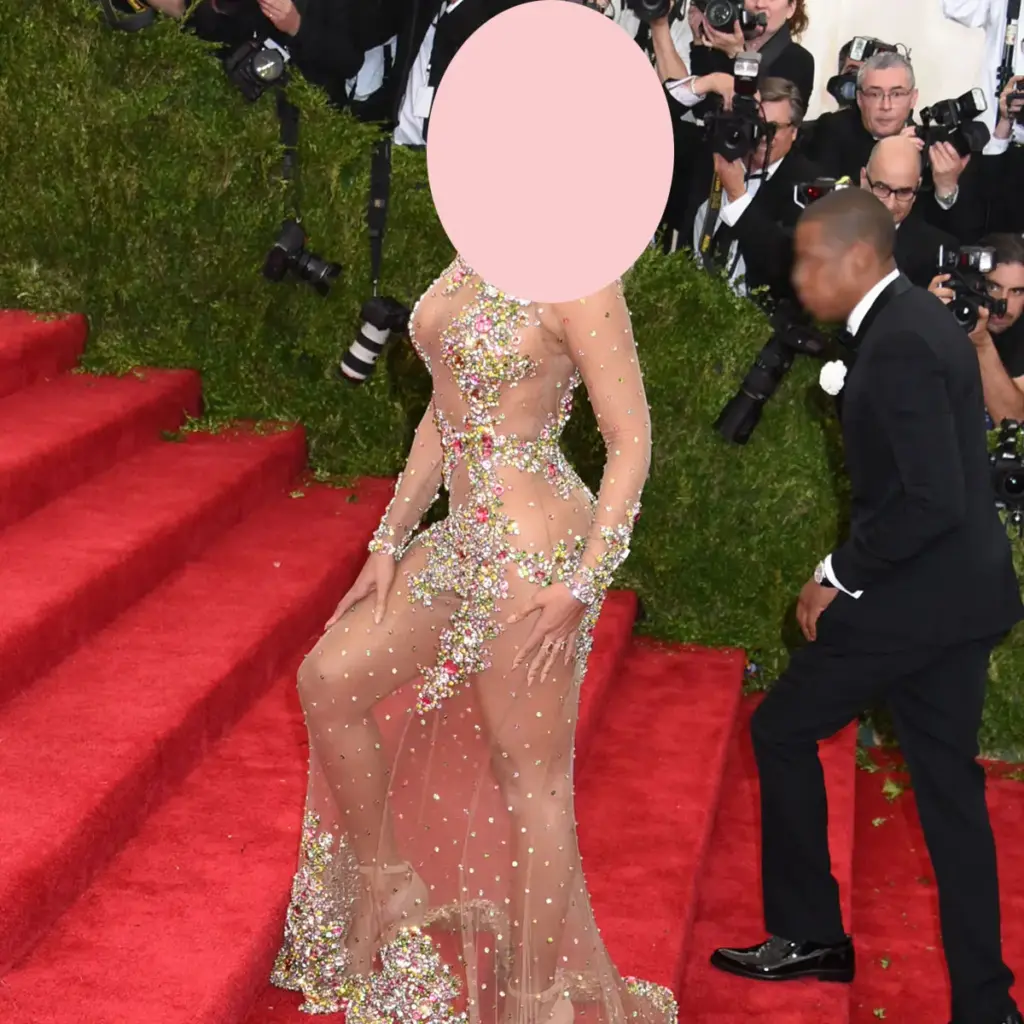
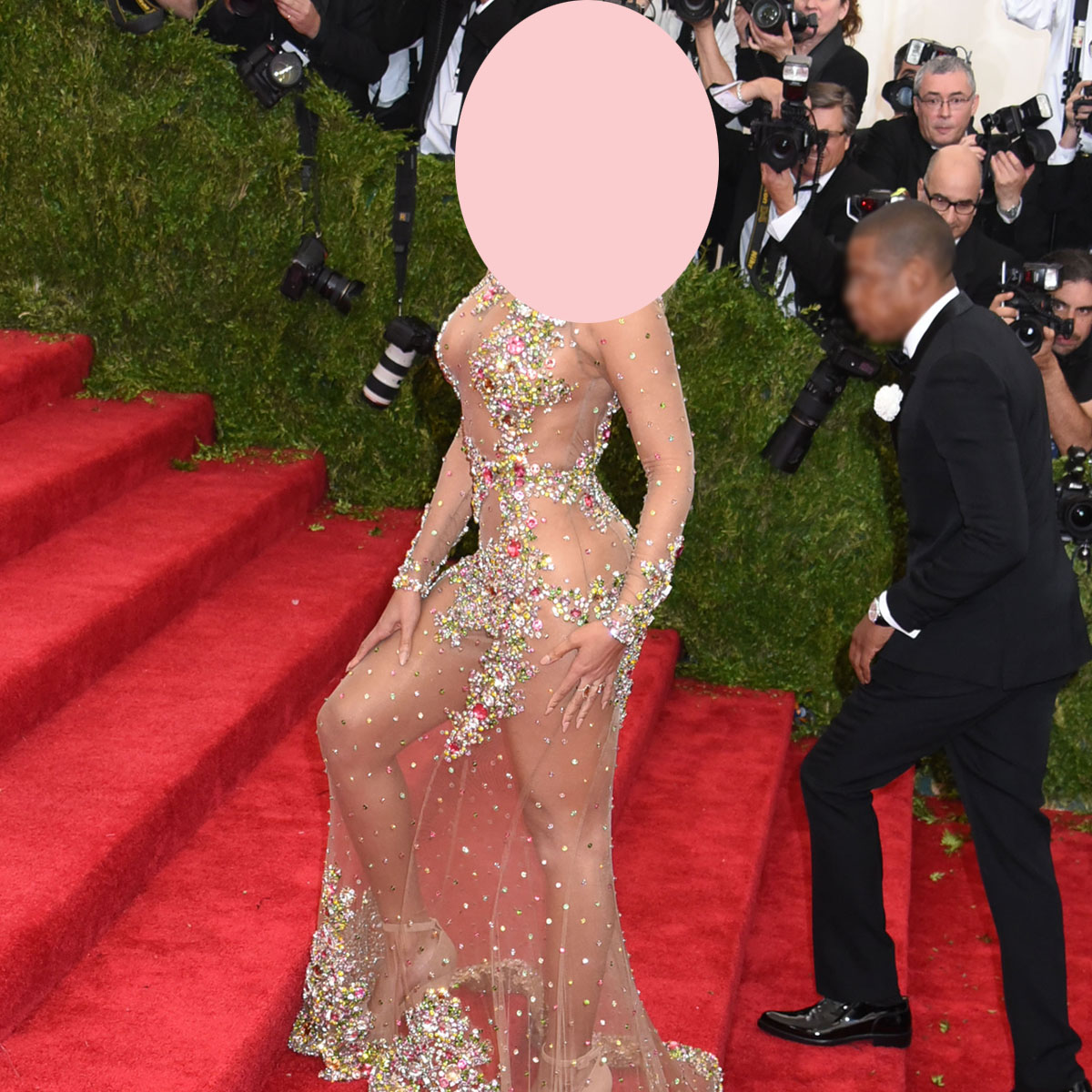
Beyoncé (2015 Met Gala): A year later, Beyoncé wore a custom Givenchy haute couture gown featuring sheer tulle strategically placed with multicolored crystals.
Together, these moments popularized the modern "naked dress" trend, which quickly became a mainstay of luxury red carpet design.
         "NAKED DRESS" DESIGN TIMELINE

   June 2014                       May 2015
   Rihanna (Adam Selman)           Beyoncé (Givenchy Haute Couture)
   218,000 Swarovski Crystals      Strategic Tulle & Colored Gems
   CFDA Fashion Icon Award         Met Gala ("China: Through the Looking Glass")
   +-----------------------+       +------------------------------------------+
   |  Body Positivity &    | ====> |  High-Fashion Met Gala Interpretation &  |
   |  Raw Glamour Statement|       |  Structural Custom Embellishment         |
   +-----------------------+       +------------------------------------------+
May 2018: Narrative Camp and Sacred Architecture
At the 2018 Met Gala ("Heavenly Bodies: Fashion and the Catholic Imagination"), Madonna wore a gothic black ballgown by Jean Paul Gaultier featuring a sheer cross cut-out, a full skirt, a black lace veil, and a crown crafted from gold crosses. The ensemble reflected decades of creative collaboration between Madonna and Gaultier, highlighting how veteran pop icons use red carpets to explore deeper thematic and religious art.
3. Redefining Gender Norms and Structural Architecture (2019–2022)
February 2019: Gender-Fluid Formalwear
At the 91st Academy Awards, actor Billy Porter stepped onto the red carpet in a custom velvet tuxedo gown designed by Christian Siriano. Featuring a traditional tailored tuxedo jacket over a full-skirted ballgown, the look challenged traditional Hollywood dress codes and sparked a broader shift toward gender-fluid attire on high-profile carpets.
May 2019: Sculptural Corsetry and Architectural Camp
The 2019 Met Gala ("Camp: Notes on Fashion") yielded two major structural highlights:
Kim Kardashian: Wore a custom silicone-and-organza "wet dress" by Thierry Mugler—marking the designer’s first new creation for his house in over 20 years. The garment relied on extreme, historic corsetry techniques to achieve a dripping, optical illusion.
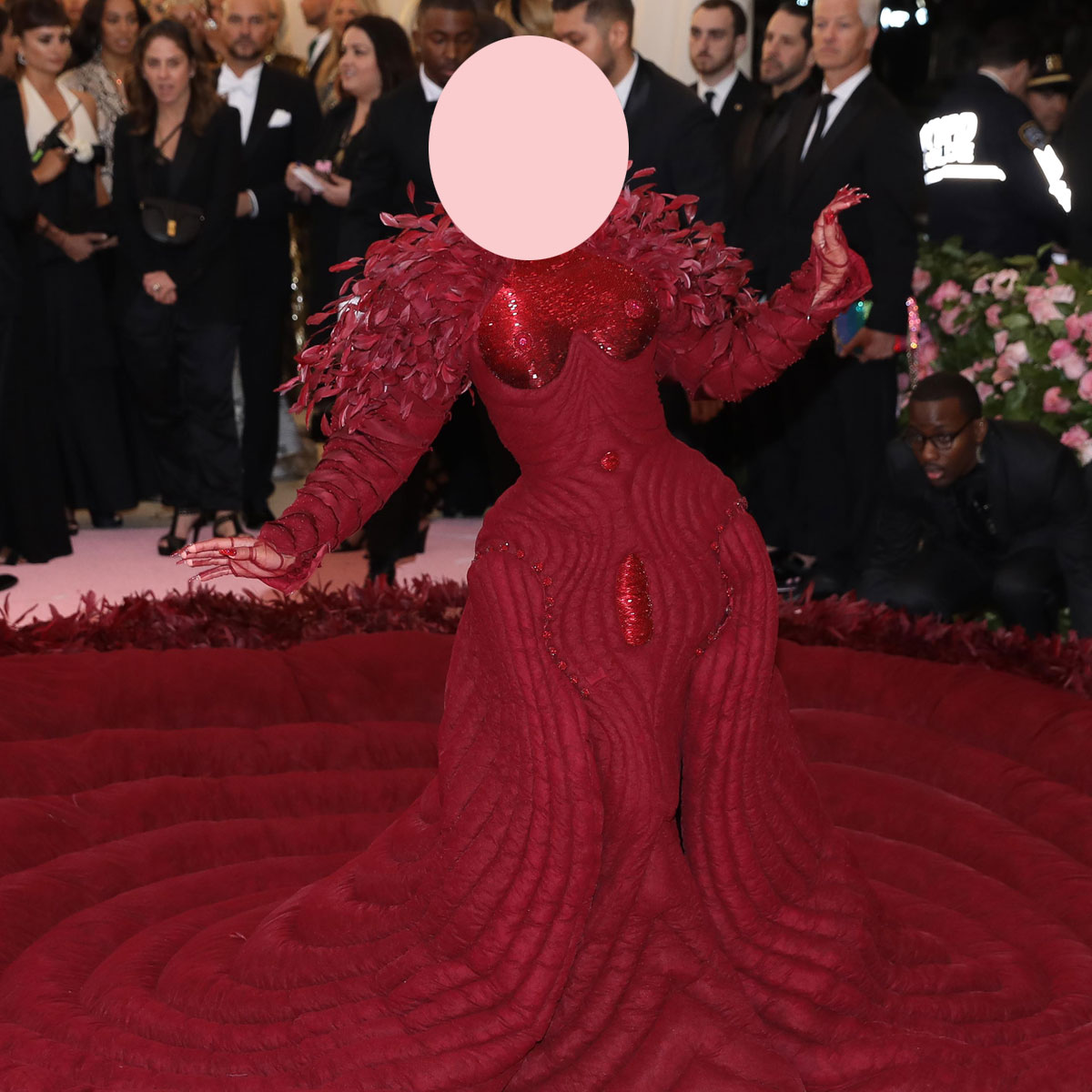
Cardi B: Arrived in a custom Thom Browne down-filled oxblood silk gown that featured a 10-foot train, extended quilting, and 30,000 feathers, requiring a team of five handlers to maneuver up the Met steps.
January 2020: Voluminous Drama
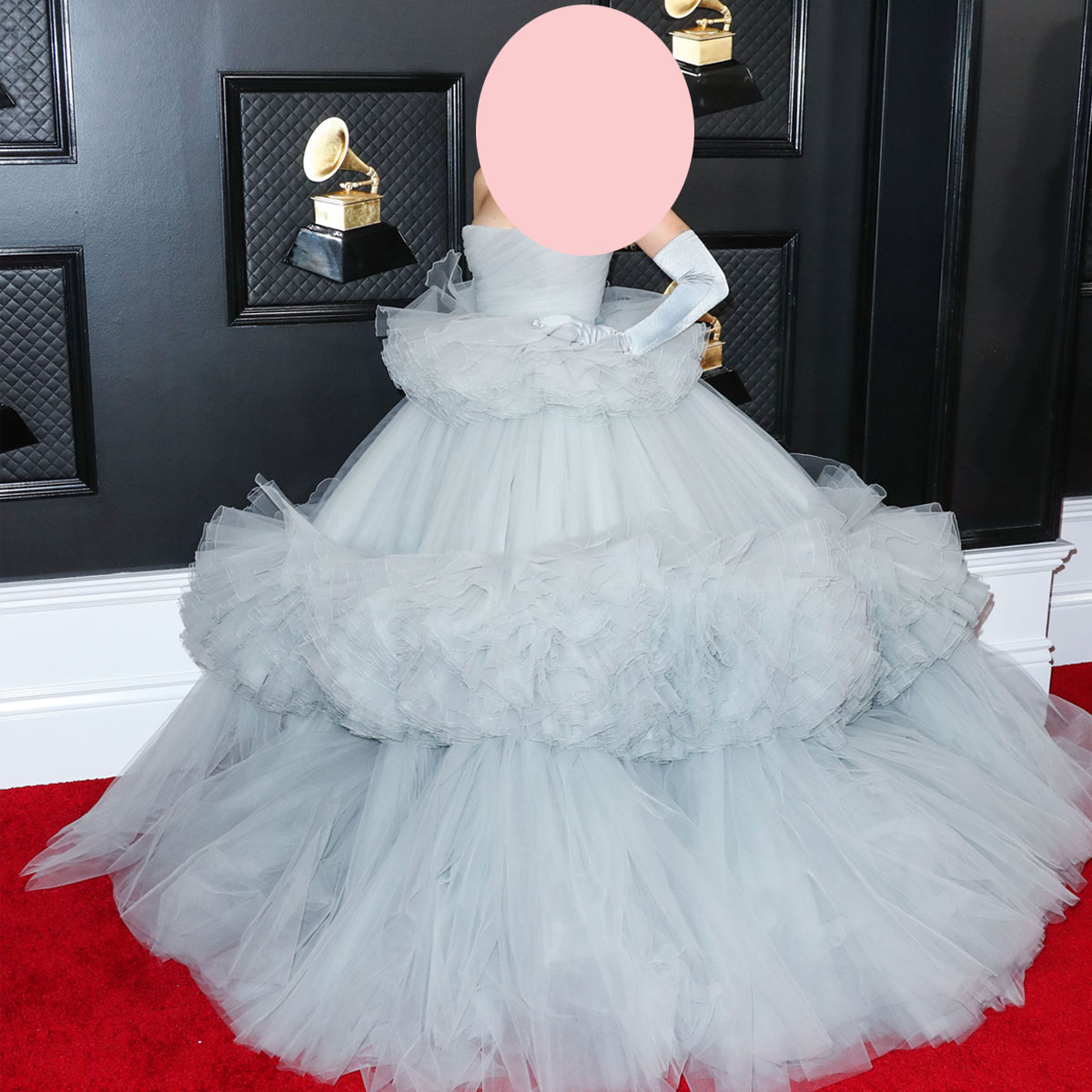
At the 62nd Annual Grammy Awards, Ariana Grande made a dramatic entrance in a custom cloud-gray tulle ballgown designed by Giambattista Valli. Measuring 20 feet in diameter and requiring custom transport logistics, the garment proved that traditional haute couture volumes still held immense storytelling power in modern pop culture.
May 2022 & September 2022: Dynamic Transformation and Modern Menswear
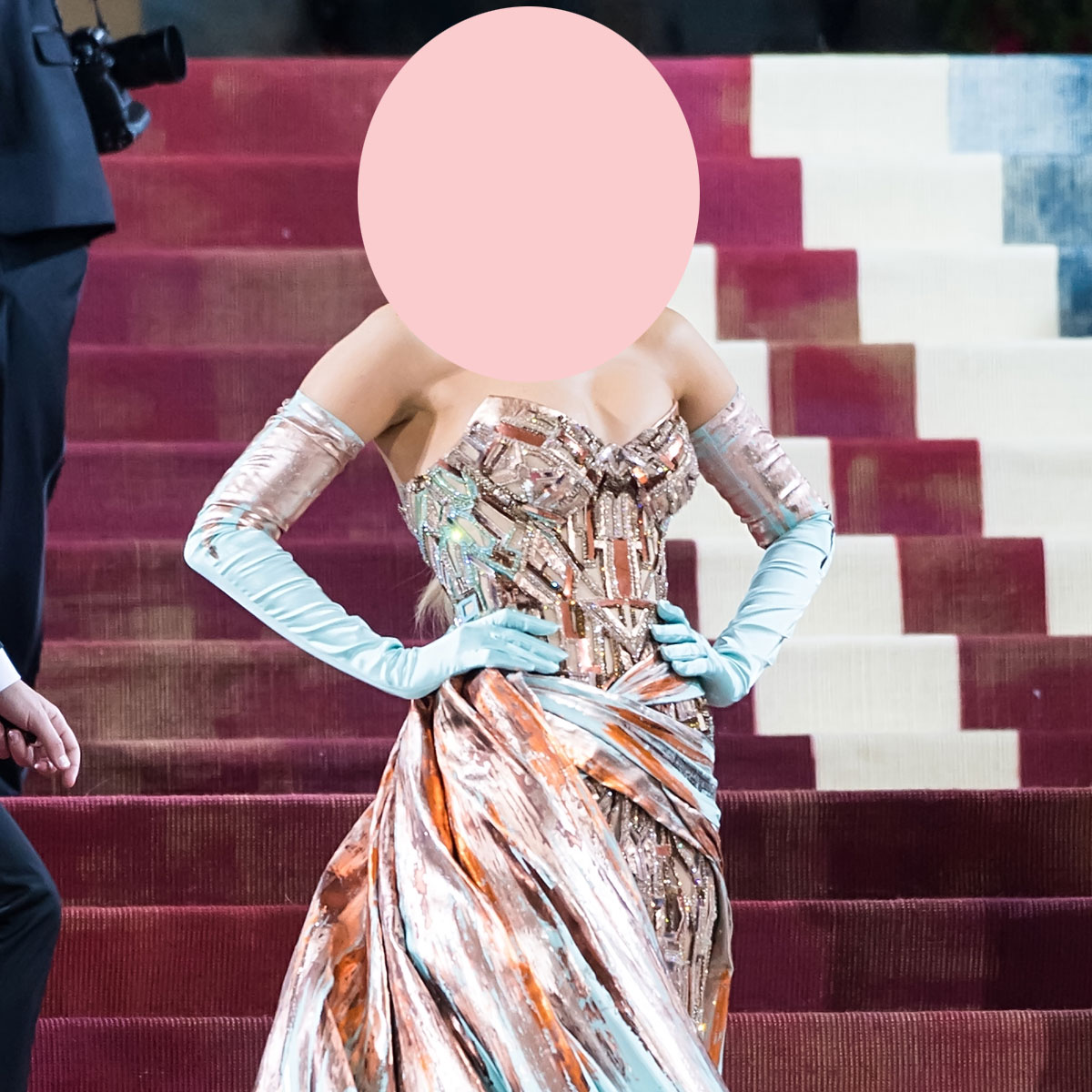
Blake Lively (2022 Met Gala): Wore a custom Atelier Versace gown inspired by New York City architecture. Mid-carpet, handlers unbowed the waist to reveal a transformation from oxidized copper-bronze to patina-green, mirroring the aging process of the Statue of Liberty.
Timothée Chalamet (2022 Venice Film Festival): Attended the premiere of Bones and All in a custom backless, blood-red halter top and matching trousers designed by Haider Ackermann, showing that male stars could step away from traditional suiting altogether.
                     MET GALA TRANSFORMATIONAL ARCHITECTURE

          [ Arrival Phase ]                          [ Reveal Phase ]
    Blake Lively in Atelier Versace             Handlers Release Waist Ribbon
    Bronze Foil & Geometric Bow                 Patina-Green Train Uncurls
    (Represents Untarnished Copper)  ========>  (Represents Oxidized Architecture)
4. Method Dressing, Body Art, and Modern Avant-Garde (2023–2024)
January 2023: Hyper-Avant-Garde Body Art
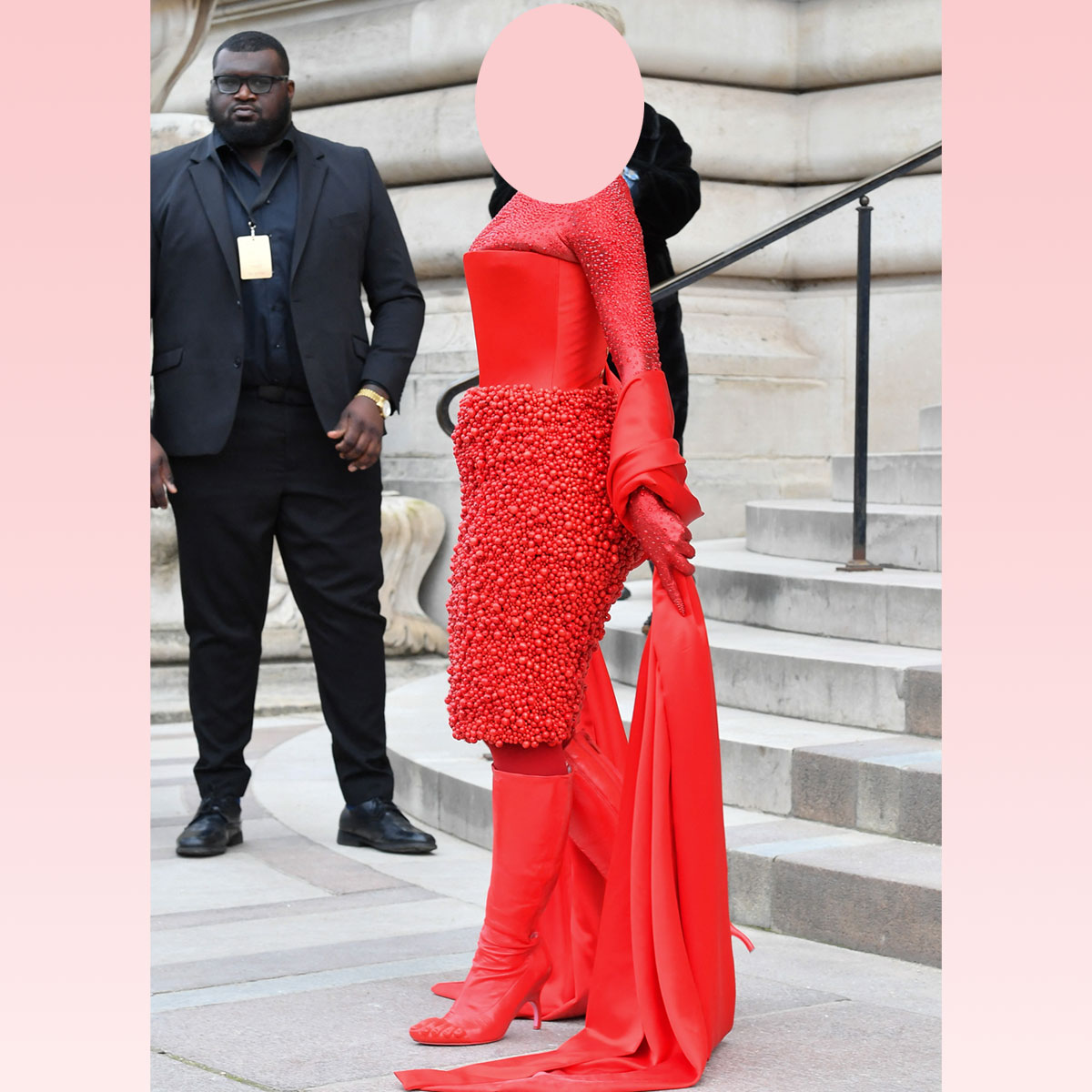
During Schiaparelli’s Haute Couture show at Paris Fashion Week, Doja Cat wore a look styled by Brett Alan Nelson and created by makeup artist Pat McGrath. Covered in 30,000 hand-applied crimson Swarovski crystals paired with a custom Schiaparelli silk bustier and skirt, the look required nearly five hours of application time. It challenged traditional boundaries between clothing, body art, and editorial modeling.
+-----------------------------------------------------------------------------------+
|                           INFERNO ROUGE: DOJA CAT (2023)                          |
+-----------------------------------------------------------------------------------+
| House: Schiaparelli Haute Couture (Daniel Roseberry)                              |
| Lead Artist: Dame Pat McGrath                                                     |
| Execution: 4 Hours 58 Minutes application time                                   |
| Elements: Red pigment, head-to-toe body paint, 30,000 hand-applied crystals.     |
| Significance: Merged high-fashion modeling with theatrical performance art.       |
+-----------------------------------------------------------------------------------+
July 2023: The Apex of Method Dressing
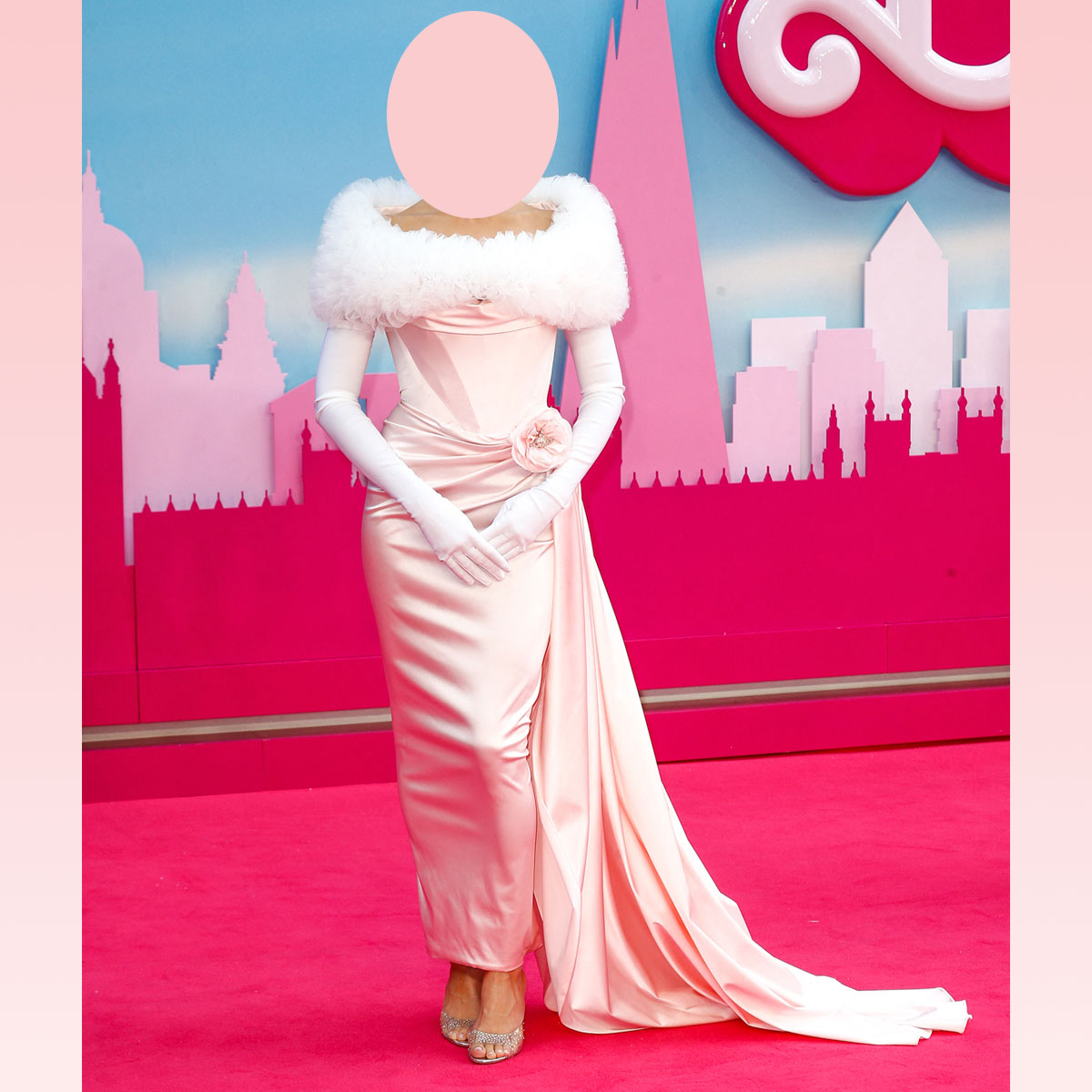
For the global press tour of Barbie, lead actress and producer Margot Robbie, working alongside stylist Andrew Mukamal, engaged in a promotional campaign built around historical re-creations of archival Barbie doll outfits. By wearing bespoke designs from Balmain, Schiaparelli, Vivienne Westwood, and Chanel, Robbie turned every red carpet into an extension of the movie’s set design. This technique—now known as "method dressing"—set a new industry standard for film marketing.
                       METHOD DRESSING WORKFLOW MODEL

  [ Archival IP Research ] ──> [ Designer Collaboration ] ──> [ Red Carpet Execution ]
   Analyses 1950-1990s         Bespoke creations by         Turns premiere into an
   Vintage Mattel Outfits      Chanel, Schiaparelli,        extension of the film's
                               and Vivienne Westwood        promotional narrative.
February 2024: Archival Futurism and Tailored Excellence
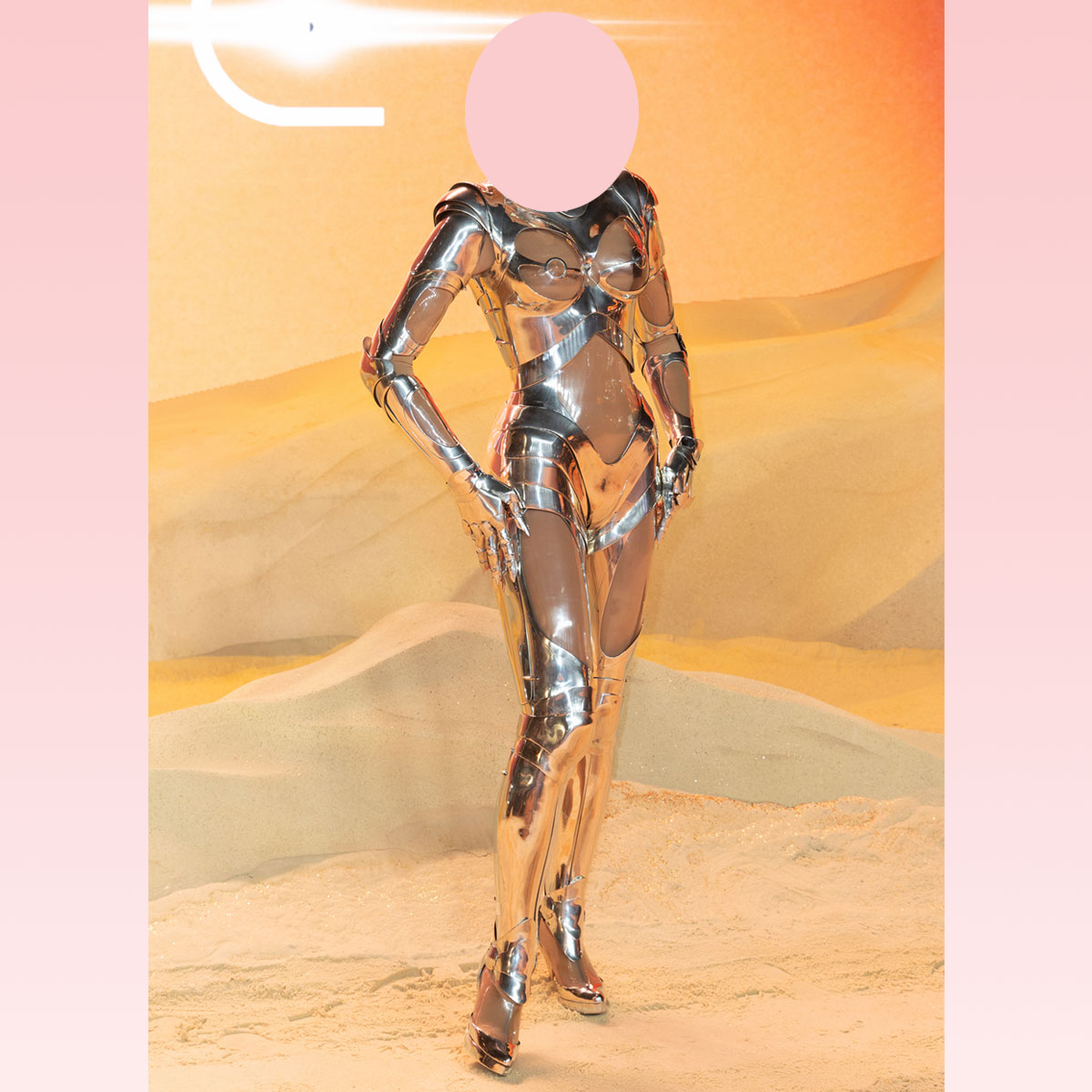
Zendaya (Dune: Part II London Premiere): Stylist Law Roach secured a piece of fashion history: Thierry Mugler’s futuristic 1995 "Cirque d’Hiver" robotic suit, complete with chrome paneling and plexiglass cutouts. The appearance garnered tens of millions of dollars in Media Impact Value (MIV) within 24 hours.
Colman Domingo (2024 Awards Season): Redefined contemporary luxury menswear through custom, impeccably tailored looks by Louis Vuitton, Mustard Boss, and Willy Chavarria. Domingo emphasized bold coats, refined jewelry, and rich fabrics, demonstrating that male formal fashion could be both expressive and sophisticated.
Supporting Context & Metrics: The Business of the Red Carpet
The economic impact of high-profile red carpet appearances is tracked through specialized analytics. Rather than measuring success purely by audience applause, fashion brands now evaluate appearances using Media Impact Value (MIV)—an algorithm that calculates the financial value of media coverage and social media engagements.
+-----------------------------------------------------------------------------------+
|                        EARNED MEDIA VALUE (MIV) DRIVERS                          |
+-----------------------------------------------------------------------------------+
|  1. VIRAL MEMETIC CONTENT                                                         |
|     High-engagement stills, transformational reveals, and reaction media.         |
|                                                                                   |
|  2. ARCHIVAL RARETY & EXCLUSIVITY                                                 |
|     Pulling vintage couture (e.g., Mugler 1995) generates legacy luxury coverage. |
|                                                                                   |
|  3. METHOD-DRESSING CAMPAIGNS                                                     |
|     Consistent thematic fashion stories across a full press tour build sustained   |
|     cultural attention.                                                           |
+-----------------------------------------------------------------------------------+
Key Performance Indicators (KPIs) of Modern Red Carpet Campaigns
Digital Search Trajectory: Major appearances regularly trigger immediate spikes in consumer e-commerce activity, Google search interest, and social mentions for featured designers.
Editorial Amplification: Beyond immediate live coverage, standout looks secure placements across print, digital cover stories, and luxury brand retrospectives.
Synergistic Brand Contracts: Strong performance on the red carpet often leads directly to multi-year global ambassador contracts with cosmetics, jewelry, and luxury apparel conglomerates.
Official Statements and Industry Perspectives
Fashion historians, stylists, and creative directors consistently point out that the red carpet has transformed from a mere backdrop into a primary medium for visual culture.
In discussing the historic impact of Jennifer Lopez’s 2000 Grammy dress, former Google CEO Eric Schmidt highlighted the technical push it provided the tech industry:
"At the time, it was the most popular search query we had ever seen. But we had no foolproof way of getting users exactly what they wanted: J.Lo wearing that dress. Google Image Search was born out of that demand."
Reflecting on the shift toward narrative-driven styling, image architect Law Roach has noted:
"We treat the red carpet like a film set. Every look has to tell a complete story, honor the project, and elevate the client into an icon. It’s not just about wearing a beautiful dress; it’s about creating a moment that lives forever in visual history."
In an era dominated by digital media, creative director Daniel Roseberry of Schiaparelli outlined the house’s philosophy on high-profile styling:
"The red carpet is our opera house. It is where our most extreme fantasies meet the public square. When a garment is worn with true conviction, it stops time."
Future Outlook: Sustainability, AI, and Next-Gen Red Carpets
As the entertainment landscape evolves, red carpet operations are adapting to new technological and environmental demands:
+-----------------------------------------------------------------------------------+
|                          FUTURE RED CARPET TRENDS                                 |
+-----------------------------------------------------------------------------------+
|                                                                                   |
|  [ SUSTAINABILITY & ARCHIVAL PRESERVATION ]                                       |
|  Increasing reliance on vintage haute couture and upcycled fabrics to reduce      |
|  the environmental footprint of single-use custom gowns.                          |
|                                                                                   |
|  [ VIRTUAL & AUGMENTED REALITY FIT ]                                              |
|  AI-driven 3D tailoring, virtual fitting rooms, and real-time digital overlays   |
|  for broadcast audiences.                                                         |
|                                                                                   |
|  [ CINEMATIC METHOD INTEGRATION ]                                                 |
|  Red carpets operating as formal extensions of film and television IP, merging    |
|  costume design with high-fashion marketing campaigns.                            |
|                                                                                   |
+-----------------------------------------------------------------------------------+
Archival Revival vs. Fast Fashion: The trend of pulling directly from fashion archives (as demonstrated by Zendaya, Bella Hadid, and Kim Kardashian) will likely accelerate. Stars are increasingly choosing preserved historic garments over new custom designs to highlight fashion history and sustainability.
AI-Enhanced Styling & Tailoring: Predictive algorithms and digital 3D modeling are beginning to streamline garment fitting and selection. This allows design houses to construct intricate custom pieces across different continents with shorter turnaround times.
Interactive Visual Experiences: Future red carpets will likely integrate dynamic digital technology, such as augmented reality overlays, allowing home viewers to inspect garment details, fabric sourcing, and design histories in real time.
What began as a simple walk into an award show has become a global center for high art, corporate strategy, and cultural identity. The red carpet remains one of the world’s most effective platforms, where a single carefully chosen look can capture global attention, drive technological innovation, and define a career.