Executive Overview
In the cultural landscape of the 21st century, time no longer moves in a straight line; it loops, samples, and remixes itself. As Generation Z deep-dives into cultural eras that predated their births—fueled by TikTok audio snippets, algorithm-driven recommendation engines, and a collective yearning for a more tangible analog past—the 1990s and early 2000s have emerged as the ultimate aesthetic touchstone. The prevailing sentiment among today’s youth echoes the adage, "They don’t make ’em like they used to."
While Millennials paved the way by romanticizing the turn of the millennium, Gen Z has taken this nostalgia and hyper-accelerated it into a full-scale archaeological excavation. Obscure B-sides, long-dormant alternative rock bands, and forgotten sophomore albums are finding new life on streaming platforms and vinyl turntables.
However, while canonical giants like Nirvana, Oasis, and Radiohead’s later electronic masterpieces continue to dominate contemporary playlists, an entire tier of brilliant 1990s alternative rock has been left lingering in the shadows. This cultural inflection point begs for a broader reassessment. This article explores four defining alternative albums from the 1990s that deserve a radical second life among contemporary listeners, tracing their historical weight, sonic architecture, and potential to captivate a generation raised on digital immediacy.
Detailed Chronology: The Evolution of 90s Alternative and Its Modern Re-emergence
To understand why these specific records are ripe for rediscovery, we must trace the timeline of how alternative rock evolved from an underground counter-culture movement into a global commercial behemoth—and how it is currently being re-evaluated through the lens of modern digital culture.
Phase 1: The Pre-Grunge Landscape and Early Experiments (1991)
At the dawn of the 1990s, the music industry was caught in the death rattle of 1980s hair metal and corporate pop. Independent labels and college radio networks were quietly incubating a fractured, guitar-driven sound that married punk ethics with pop melodies.
- The Catalysts: Bands were pulling from varied influences—psychedelia, noise rock, and blues.
- The Shift: Producers like Butch Vig were quietly perfecting a punchy, dynamic recording style that would soon blow the mainstream doors wide open.
Phase 2: The Commercial Saturation and Sonic Backlash (1994–1996)
By the mid-1990s, alternative rock was the mainstream. Every major label was frantically scouring the underground for the next flannel-clad savior. This oversaturation paradoxically created fertile ground for experimentation.
- The Counter-Reactions: While some bands leaned into stadium-sized melancholy, others rebelled against the very definition of "alternative" by incorporating lounge jazz, funk, spoken-word poetry, and baroque arrangements.
- The Label Pressures: The sheer volume of releases meant that even exceptional sophomore records by critically adored bands could slip through the corporate cracks if they didn’t immediately replicate the lightning-in-a-bottle success of a lead single.
Phase 3: The Digital Archiving and Gen Z Discovery (2020s)
Decades later, the physical barrier to entry for music has vanished. A teenager in their bedroom can access the entire recorded history of the 20th century in seconds.
- The Algorithm Effect: Platforms like TikTok have democratized music history, transforming 30-second hooks into viral challenges that transcend generational lines.
- The Counter-Culture Fatigue: As modern pop music becomes increasingly polished and hyper-produced by artificial intelligence and DAW optimization, Gen Z is actively seeking out human imperfection—fuzz pedals, cracked vocals, unpolished angst, and organic instrumentation.
Supporting Context & Metrics: The Mechanics of Modern Nostalgia
The resurgence of 1990s alternative music is not merely an anecdotal trend; it is backed by concrete shifts in consumption habits, industry metrics, and cultural sociology.
| Metric / Trend Area | 1990s Context | Modern Gen Z Context |
|---|---|---|
| Primary Format | Compact Discs (CDs) and Cassette Tapes | Vinyl records, Spotify/Apple Music algorithms, TikTok audio clips |
| Discovery Mechanism | College radio, MTV’s 120 Minutes, print magazines | Algorithmic playlists, digital rabbit holes, short-form video essays |
| Sonic Preference | High-fidelity slickness vs. raw underground grit | High demand for analog warmth, tape saturation, and authentic human flaws |
| Cultural Status | Contemporary cutting-edge counter-culture | Retro-futuristic aesthetic, vintage cool, historical exploration |
According to recent music industry data, vinyl sales have continued a historic upward trajectory, with a significant percentage of buyers coming from Gen Z demographics. Far from treating vinyl as a decorative novelty, young consumers are actively buying physical copies of albums released decades before they were born. This tactile engagement drives them to look past the top five greatest hits of a legacy artist and explore deep-catalog masterworks.
Furthermore, streaming data shows a consistent pattern: when a legacy band goes viral for a single track on social media, listeners routinely dive headfirst into the artist’s sophomore and junior releases—albums that may have underperformed commercially upon their initial release.
Four 90s Alternative Masterpieces Deserving a Second Life
1. The Bends by Radiohead (1995)
[The Bends Era] ---> (Post-Grunge Guitar-Rock) ---> (Shift to Electronic Experimentation)
       |
       +---> Underrated Fan Favorite & Essential Gen Z Bridge
As much as Radiohead’s members have famously attempted to distance themselves from their early guitar-driven incarnation—eventually pivoting toward the glacial electronic experimentation of OK Computer and Kid A—The Bends remains an undisputed masterpiece of 1990s alternative rock.
- The Sonic Landscape: Released in 1995, the album bridges the gap between the angst-ridden alternative explosion of the early decade and the sophisticated, art-rock ambition that would define the band’s later career. Tracks like "Planet Telex" and "The Bends" showcase soaring vocal performances from Thom Yorke coupled with dual-guitar interplay that is both aggressive and emotionally devastating.
- Why Gen Z Needs It: For contemporary listeners who know Radiohead primarily through their ambient, electronic, or avant-garde output, The Bends serves as a vital historical bridge. It provides an accessible, high-energy entry point into the band’s catalog before embarking on a deep dive into their more complex, cerebral later works.
2. Head Trip In Every Key by Superdrag (1998)
[Major Label Pressure] ---> [Imminent Drop Anticipated] ---> [Maximum Creative Output] ---> *Head Trip In Every Key*Superdrag stands as a quintessential case study of the treacherous music industry climate of the late 1990s. After scoring a major alternative radio hit with "Sucked Out" from their debut album, the band found themselves trapped in the machinery of major-label expectations.
- The Backstory: By the time they entered the studio to record their sophomore follow-up, the band was acutely aware that their label was preparing to drop them. Free from the corporate pressure of having to manufacture a radio-friendly single, Superdrag channeled their frustration, anxiety, and unbridled creativity into Head Trip In Every Key.
- The Musical Output: The resulting 1998 album is a criminally overlooked marvel of power-pop, psychedelic rock, and soaring alternative melodies. Tracks like "I’m Expanding My Mind" radiate a brilliant, frayed-at-the-edges energy.
- Why Gen Z Needs It: In an era where legacy acts like Oasis are experiencing massive resurgences among young fans drawn to high-drama, guitar-driven swagger, Head Trip In Every Key offers the exact same underdog grit and melodic brilliance, waiting to be rescued from obscurity.
3. Gish by The Smashing Pumpkins (1991)
[Butch Vig Production] ---> [Pre-Nevermind Grunge] ---> *Gish* (Psychedelic Alternative Blueprint)While The Smashing Pumpkins have enjoyed a massive wave of renewed interest among Gen Z listeners—who are intimately familiar with multi-platinum touchstones like Siamese Dream and Mellon Collie And The Infinite Sadness—the band’s 1991 debut, Gish, is frequently overshadowed by its colossal successors.
- The Production Pedigree: Produced by Butch Vig—who would go on to helm Nirvana’s Nevermind shortly after wrapping sessions for Gish—the album is an ambitious, shimmering contribution to early grunge and alternative psychedelia.
- The Sonic Identity: Billy Corgan’s intricate guitar layering, Jimmy Chamberlin’s powerhouse jazz-trained drumming, and D’arcy Wretzky and James Iha’s hypnotic bass and rhythm foundations created a sound that was heavier than dream pop yet more ethereal than traditional grunge. Songs like "I Am One" pulse with a raw, visceral intensity.
- Why Gen Z Needs It: For younger fans who revere the sludgy distortion of 90s rock, exploring Gish offers a fascinating look at the genre’s genesis. It captures a band fearlessly experimenting with texture and dynamics before the crushing weight of global stardom changed their trajectory forever.
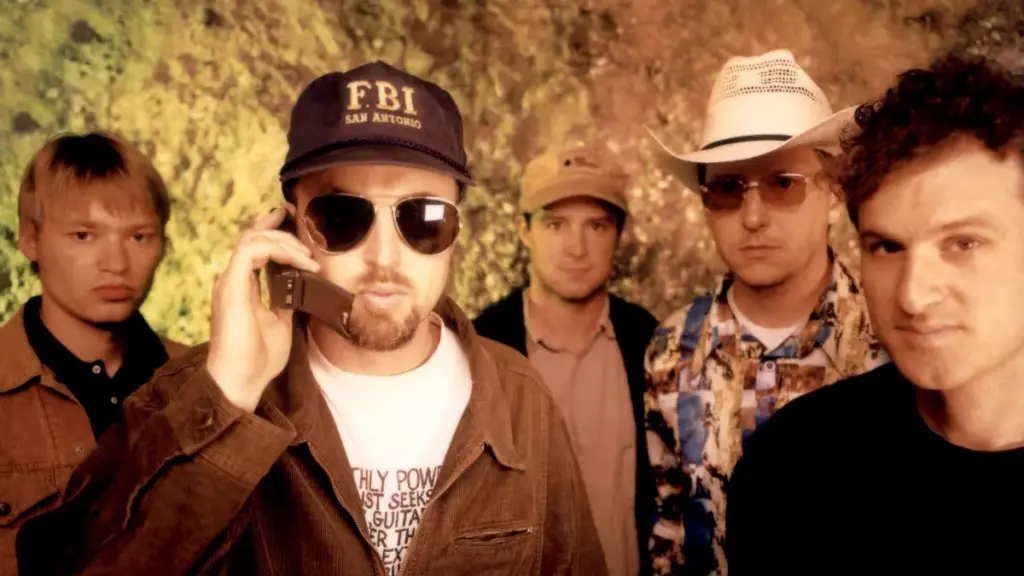
4. Fashion Nugget by Cake (1996)
[Alternative Saturation] ---> [Genre-Bending Hybridization] ---> *Fashion Nugget* (Jazz + Funk + Spoken Word + Rock)By 1996, the alternative rock landscape was thoroughly saturated. Every major city had a dozen bands recycling the standard quiet-verse, loud-chorus dynamic. To stand out required something truly revolutionary: an alternative to alternative music itself. Enter Cake.
- The Genre-Defying Formula: With their sophomore release Fashion Nugget, Cake delivered one of the most eccentric, brilliantly cynical albums of the decade. The Sacramento band seamlessly blended elements of mariachi jazz, country blues, lounge funk, and slam-poetry spoken-word vocals.
- The Instrumentation: Anchored by John McCrea’s deadpan, conversational vocal delivery and Greg Brown’s distinctive vibrato-heavy electric guitar alongside bright, brassy trumpet lines, tracks like "The Distance" and their deadpan cover of "Frank Sinatra" blew open traditional radio formats.
- Why Gen Z Needs It: Gen Z’s cultural diet thrives on irony, genre-fluidity, and subversion of expectations. Fashion Nugget was practically custom-built for this sensibility. Its razor-sharp social commentary, infectious grooves, and utter refusal to take itself too seriously make it as fresh and disruptive today as it was nearly thirty years ago.
Official Statements and Industry Insights
Cultural historians and music executives have increasingly noted the cyclical nature of youth-driven musical reclamation. Industry analysts point out that digital platforms have flattened generational boundaries, allowing young listeners to evaluate art stripped of its original chronological baggage.
"When young listeners discover an album like Gish or Fashion Nugget today, they aren’t listening to it as a relic of 1991 or 1996," notes a prominent musicology archivist. "They are listening to it with the same immediacy and emotional honesty as an album released last Friday. The production techniques, the lyrical anxieties, and the sonic textures feel just as urgent—and often more authentic—than what they encounter in modern sterile pop environments."
Furthermore, independent record store owners report a steady influx of teenage customers seeking out "deep cuts" from 90s alt-rock bands. Rather than purchasing greatest-hits compilations, these consumers are investing in full-length vinyl records, treating the album cover, liner notes, and sequencing as a complete, immersive artistic statement.
Future Outlook: What Lies Ahead for 90s Alt-Rock Preservation
As we look toward the horizon of music consumption, the archival excavation of the 1990s alternative scene shows no signs of slowing down. Several key trends are expected to define the coming years:
- The Rise of Digital Archiving Collectives: Online fan communities on platforms like Reddit, Discord, and TikTok are increasingly acting as independent curators, surfacing lost B-sides, unreleased demos, and forgotten sophomore albums that major labels abandoned decades ago.
- Boutique Vinyl Reissues: Independent record labels will likely continue partnering with legacy artists to press limited-edition, high-fidelity vinyl variants of cult-classic albums like Superdrag’s Head Trip In Every Key, satisfying a market that demands physical ownership and superior audio fidelity.
- Cross-Generational Collaborations: As legacy alternative musicians interact with younger, internet-native artists, the stylistic fingerprints of 90s guitar rock, jazz-infused lounge, and grunge will continue to bleed into modern hyperpop, indie sleaze, and alternative hip-hop.
Ultimately, the enduring appeal of these four records—The Bends, Head Trip In Every Key, Gish, and Fashion Nugget—proves that great art cannot be permanently buried by commercial misfires or shifting industry trends. Whether propelled by a viral algorithm or discovered in the bins of a local record shop, these albums are primed for a second life, ready to resonate with a new generation that knows how to listen closer, deeper, and with more anachronistic appreciation than ever before.