
Executive Overview
As women transition through midlife, the body undergoes a profound biological shift. The natural decline of estrogen during perimenopause and menopause can trigger a cascade of physiological changes—from sudden vasomotor symptoms like hot flushes to altered metabolic function, accelerated bone mineral density loss, and heightened cardiovascular risks. In search of natural remedies, many women have turned to dietary modifications, particularly the incorporation of functional foods rich in plant compounds. Among the most popular nutritional trends is the regular consumption of seeds, driven by the theory that phytoestrogens—plant-derived chemical structures mimicking human estrogen—might help smooth the hormonal rollercoaster.
However, distinguishing between internet health trends and clinical reality requires expert medical and nutritional insight. To demystify the role of seeds in midlife health, we consulted registered dietitian Johannah Katz. While individual seeds are rarely a direct “cure” for menopausal symptoms, Katz emphasizes that they serve as potent powerhouses of micronutrients, healthy fats, and fiber. When integrated into a broader, nutrient-dense diet, specific seeds can safeguard cardiovascular health, support metabolic function, and fortify bones. This report provides an authoritative, in-depth breakdown of the top five seeds for women navigating midlife, examining the scientific evidence, practical applications, and nutritional value of each.
Detailed Chronology and Scientific Context: Understanding Midlife Nutritional Needs
The journey toward menopause is rarely sudden; rather, perimenopause can begin years before a woman’s final menstrual period, often starting in her 40s or even late 30s. Historically, women managed these transitions with limited medical support, often relying on traditional dietary wisdom. In recent decades, however, nutritional science has evolved to closely examine how specific bioactive compounds in whole foods interact with fluctuating hormone receptors.
The Phytoestrogen Hypothesis
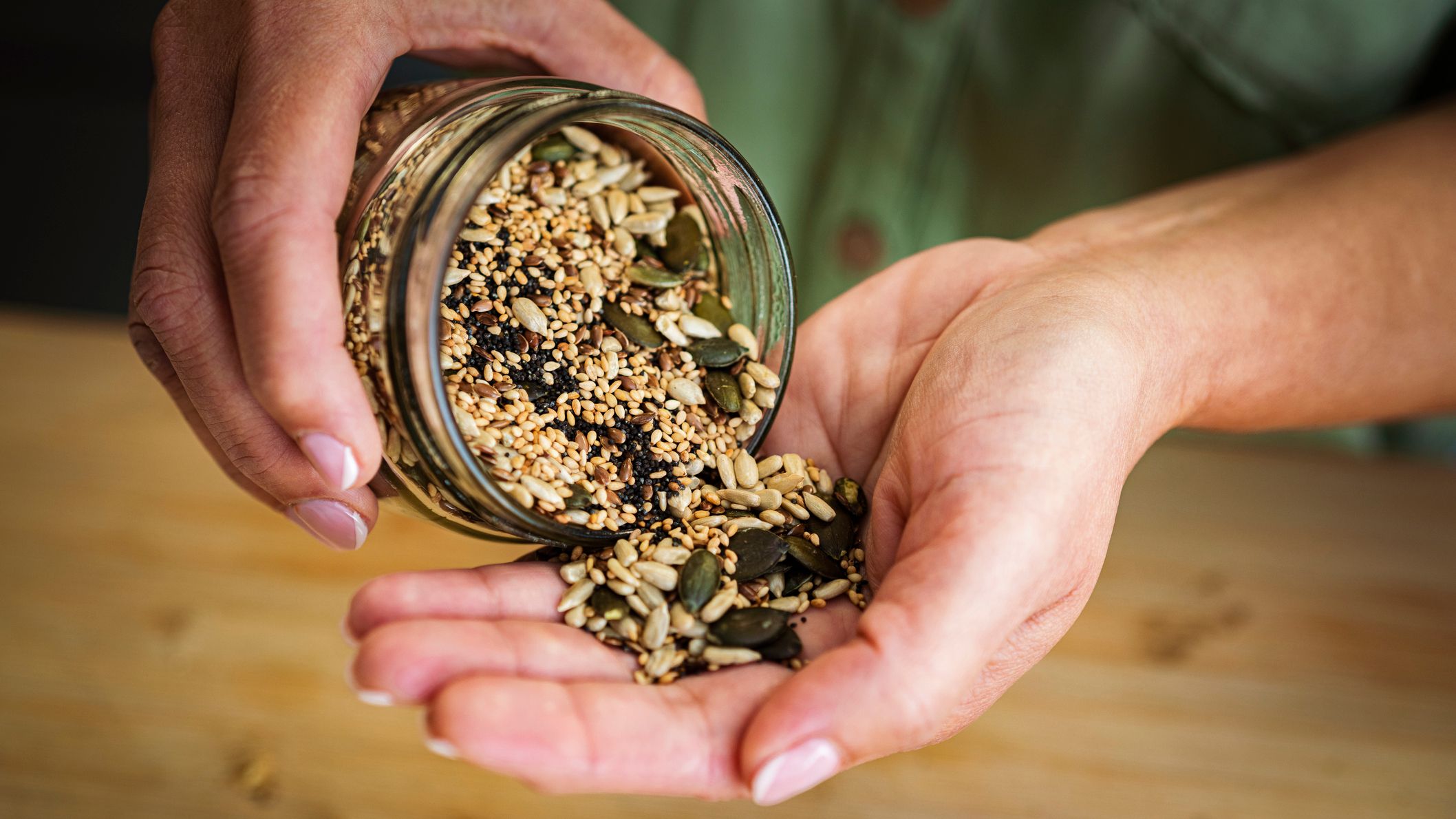
The primary driver behind the seed trend is the presence of phytoestrogens. These naturally occurring plant metabolites possess a phenolic structure similar to 17-beta-estradiol, the primary human estrogen. Because of this structural similarity, phytoestrogens can weakly bind to estrogen receptors in the human body, potentially exerting mild estrogenic or anti-estrogenic effects. Researchers hypothesized that introducing these compounds could alleviate estrogen-deficiency symptoms, such as hot flushes and night sweats.
Yet, clinical findings have remained mixed. While some small-scale randomized controlled trials report a reduction in symptom severity, broader consensus views phytoestrogens as supportive dietary components rather than primary hormone replacement therapies.
The Shift from Symptom Management to Systemic Health
According to Katz, focusing solely on symptom relief overlooks the broader metabolic and structural changes occurring during this life stage.
- Cardiovascular Risk: Estrogen plays a protective role in women’s cardiovascular health, maintaining healthy blood vessel elasticity and favorable blood lipid profiles. As estrogen declines, low-density lipoprotein (LDL) cholesterol and blood pressure often rise, increasing heart disease risk.
- Bone Health: Late perimenopause and early postmenopause mark a period of accelerated bone mineral loss. Without adequate calcium, magnesium, and structural support, the risk of osteopenia and osteoporosis escalates significantly.
- Metabolic Changes: Sarcopenia (age-related muscle loss) and insulin resistance become more common as metabolic rate slows, making adequate protein and fiber intake paramount.
Therefore, the modern nutritional approach shifts from asking, "Will this seed cure my hot flushes?" to "How does this seed contribute to a protective, nutrient-dense midlife dietary pattern?"
The Top Five Seeds for Midlife Health
To help women navigate this complex nutritional landscape, Johannah Katz breaks down her top five recommended seeds, analyzing their specific benefits, scientific backing, and optimal preparation methods.
1. Ground Flaxseed: The Research-Backed Frontrunner
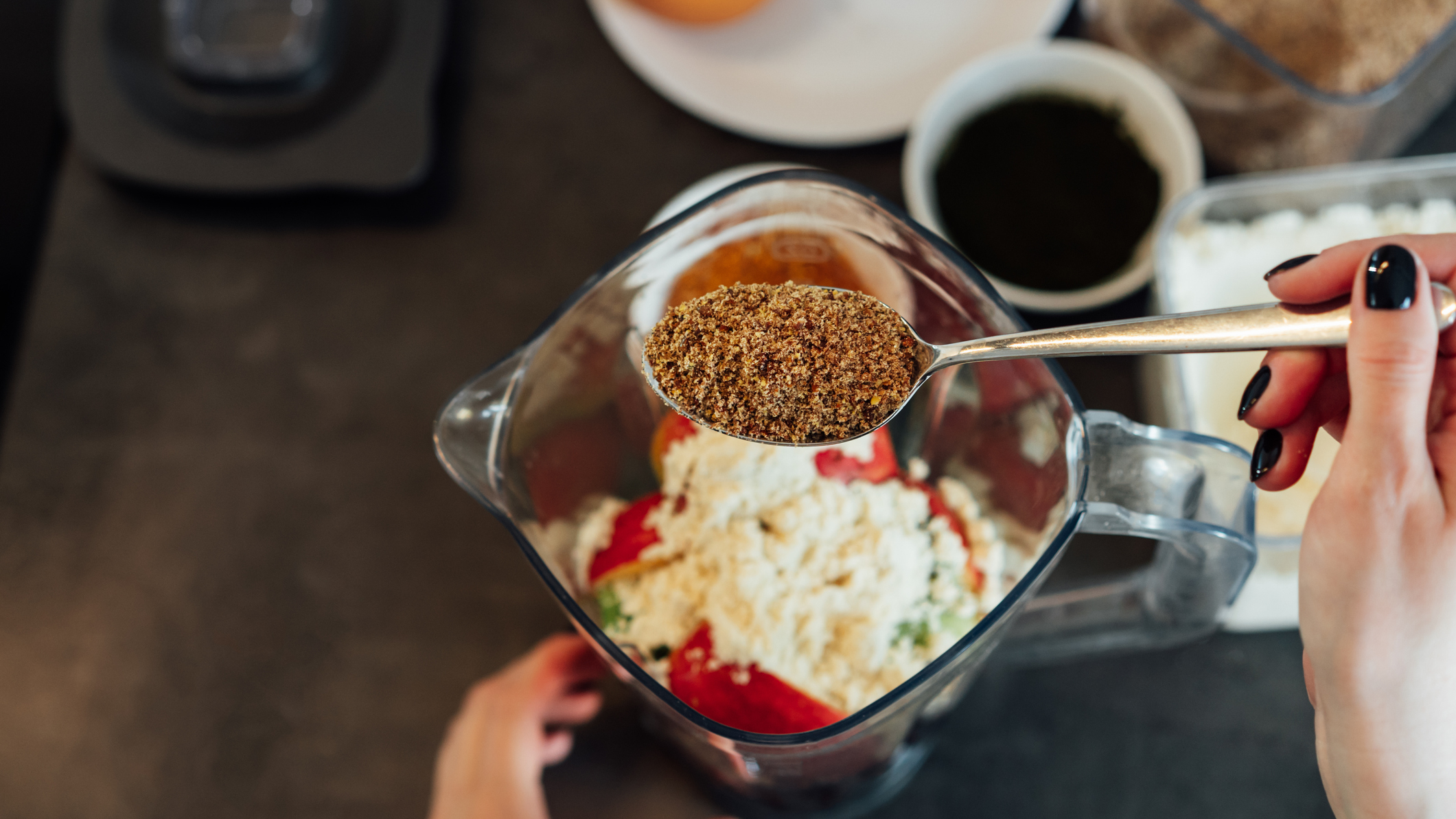
At the very top of Katz’s recommendation list is ground flaxseed, primarily because it boasts the most direct clinical research concerning the menopausal transition.
- Nutritional Profile: Flaxseeds are exceptionally rich in lignans—type 1 polyphenol precursors that gut bacteria metabolize into enterolignans, which structurally resemble human estrogen. Furthermore, they are packed with viscous soluble fiber and alpha-linolenic acid (ALA), a plant-based omega-3 fatty acid.
- The Science: A notable 2024 randomized trial involving 145 perimenopausal women discovered that consuming 10 grams of flaxseed powder daily for 12 weeks significantly improved overall menopausal symptom scores compared to a placebo group. While older trials involving postmenopausal women yielded more mixed results, the cumulative evidence remains promising.
- Why Ground Matters: Katz strongly advises consuming ground rather than whole flaxseeds. Whole seeds possess a tough outer hull that resists human digestion, meaning they pass through the gastrointestinal tract largely intact. Grinding unlocks the bioavailable ALA and lignans, ensuring the body can properly absorb them.
- Practical Application: Aim for one to two tablespoons per day. If you are unaccustomed to a high-fiber diet, start with one tablespoon and gradually increase your intake alongside plenty of water. Stir ground flaxseed into morning oatmeal, blend it into smoothies, fold it into yogurt, or incorporate it into pancake and muffin batters.
2. Chia Seeds: Fiber, Minerals, and Metabolic Support
Originating from Central America, chia seeds have earned a permanent spot in modern pantries due to their impressive hydrophilic (water-absorbing) properties and robust mineral content.
- Nutritional Profile: Chia seeds deliver a substantial dose of dietary fiber, plant-based ALA omega-3s, and essential bone-supporting minerals, including calcium and magnesium.
- The Science: While individual studies on chia seeds demonstrate some variance in outcomes, broader meta-analyses suggest that regular consumption can yield modest benefits for blood pressure regulation and other markers of cardiovascular and metabolic health.
- Managing Expectations: While internet wellness circles frequently promote chia seeds as a direct cure for perimenopausal constipation, Katz notes that clinical evidence specifically linking chia to this symptom is limited. However, as an efficient source of general dietary fiber, they undeniably support healthy bowel regularity, stool consistency, and gut motility.
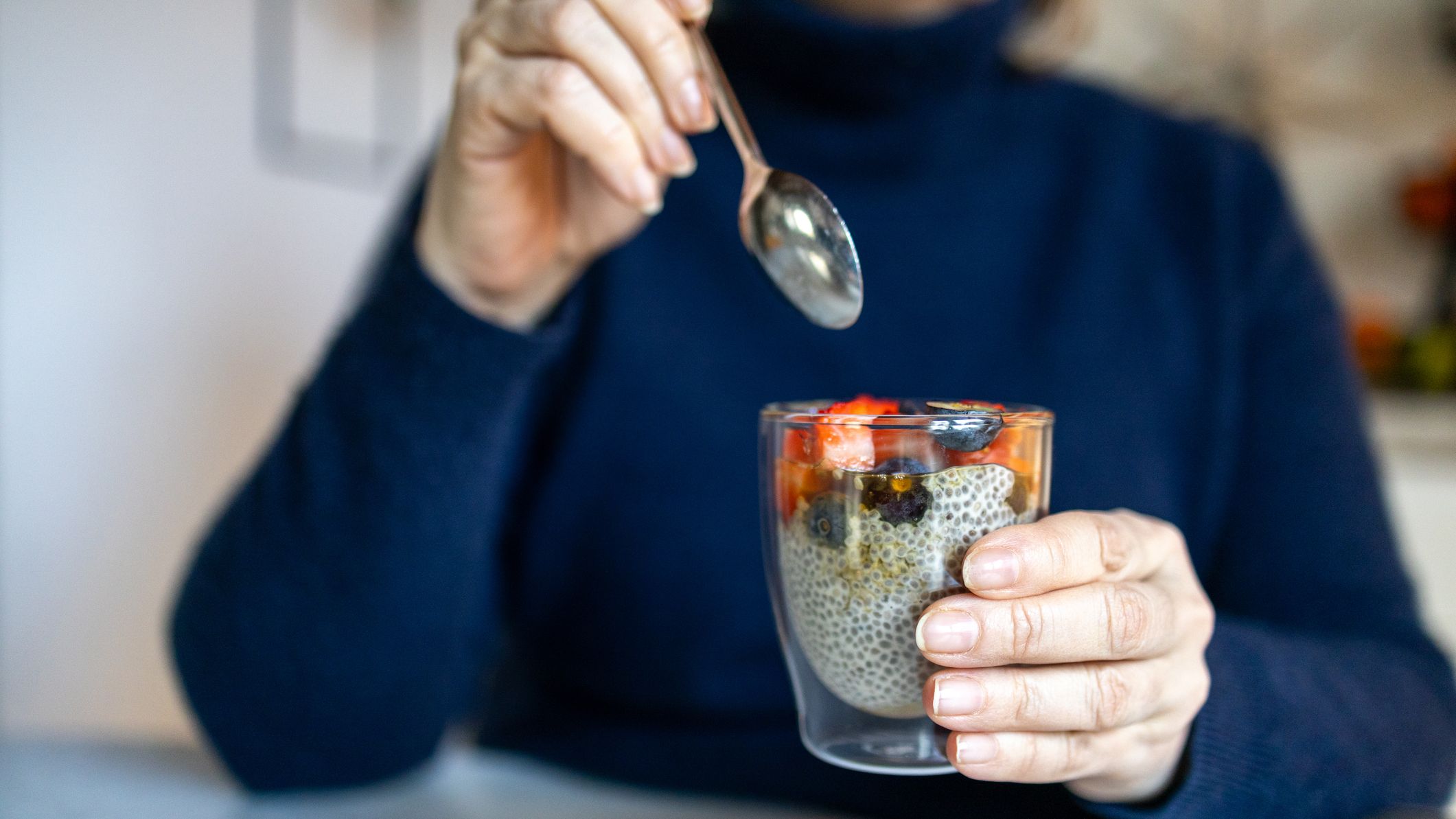
- Practical Application: One to two tablespoons daily is an ideal serving. Because chia seeds can absorb up to 10 times their weight in liquid, Katz warns against consuming them dry. Swallowing dry chia seeds poses a severe choking hazard and risk of esophageal or gastric blockage as they rapidly expand upon contact with moisture. Always mix chia into moist environments, such as overnight oats, chia puddings, smoothies, or yogurt.
3. Pumpkin Seeds: Nutrient-Dense Powerhouses
Pumpkin seeds (pepitas) are celebrated not only as a satisfying snack but also as a nutritional multitasker.
- Nutritional Profile: These seeds are rich in plant-based proteins, healthy unsaturated fats, and critical minerals such as magnesium, zinc, and iron.
- The Science: Direct clinical research investigating whole pumpkin seeds and menopause is relatively sparse. However, a small randomized pilot study involving 35 postmenopausal women evaluated the effects of pumpkin seed oil. The researchers observed improvements in high-density lipoprotein (HDL—the "good" cholesterol) levels, diastolic blood pressure, and specific menopausal symptom scores.
- Nuance: Katz cautions that because that particular study utilized a concentrated oil extract (2 grams daily) rather than whole pumpkin seeds, consumers should not automatically assume that eating a handful of pepitas will directly treat hot flushes or hormonal imbalances. Instead, view them as an exceptional whole-food addition to your daily micronutrient intake.
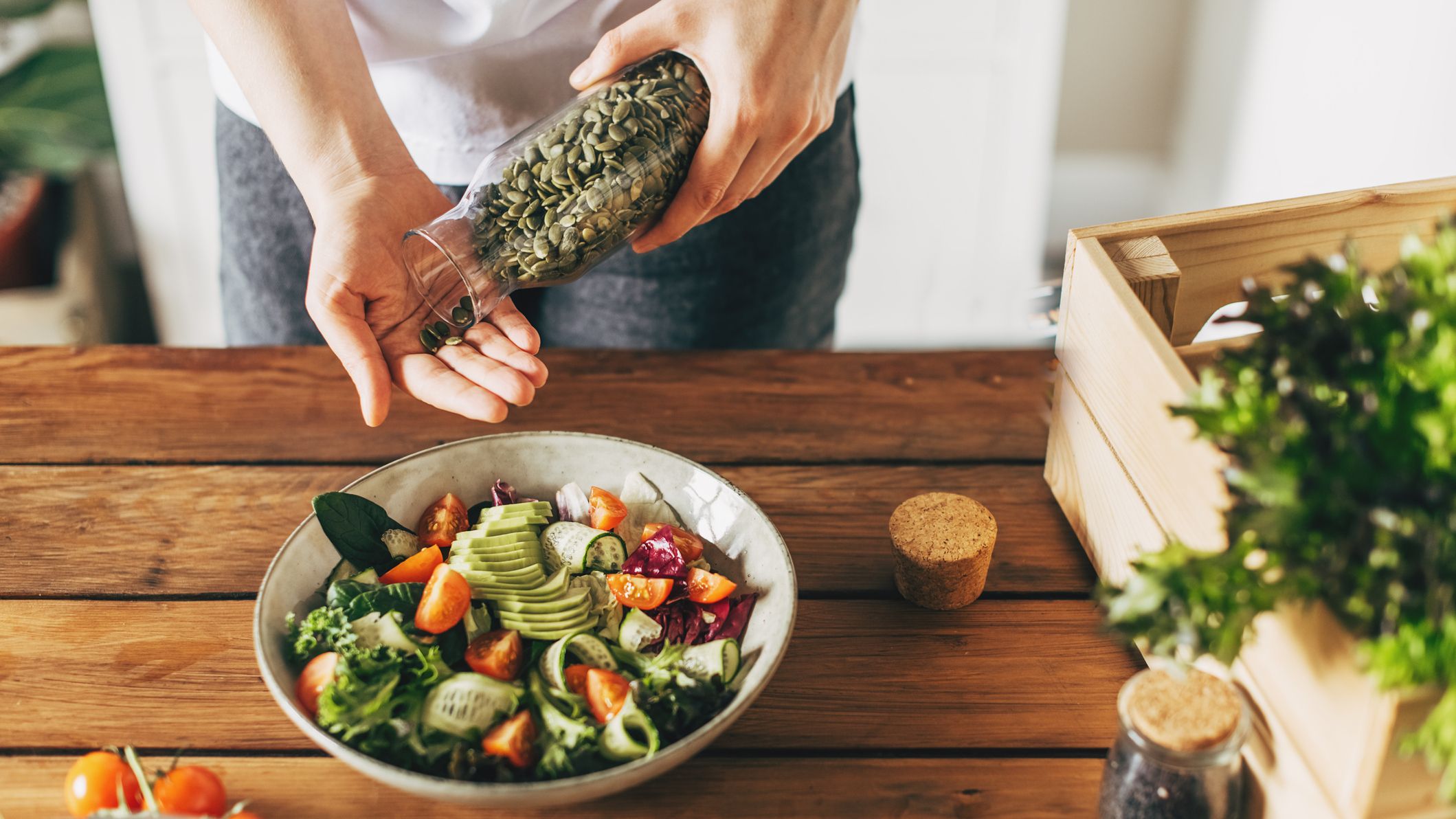
- Practical Application: A small, palm-sized handful (approximately 20 to 30 grams) provides a practical serving size. They are remarkably versatile: enjoy them raw or toasted as a standalone snack, toss them over green salads, stir them into warm soups, or scatter them across roasted root vegetables.
4. Sesame Seeds and Tahini: Cardiovascular and Lipid Support
Sesame seeds—and their smooth paste derivative, tahini—offer unique nutritional compounds that actively support long-term metabolic health.
- Nutritional Profile: Sesame seeds provide healthy unsaturated fats, essential minerals, and specialized lignans known as sesamin and sesamolin.
- The Science: A comprehensive 2025 systematic review and meta-analysis encompassing 11 randomized trials concluded that sesame oil intake significantly improved several blood-lipid profiles in adults managing metabolic conditions. While these studies focused primarily on sesame oil rather than whole seeds or tahini, the underlying lipid-regulating properties are promising.
- Calcium Considerations: Tahini is also praised for contributing to daily calcium intake, though Katz notes that the final mineral bioavailability varies based on processing techniques and whether the hull is retained. Therefore, tahini should complement, rather than replace, established calcium powerhouses like dairy, fortified plant milks, or dark leafy greens.
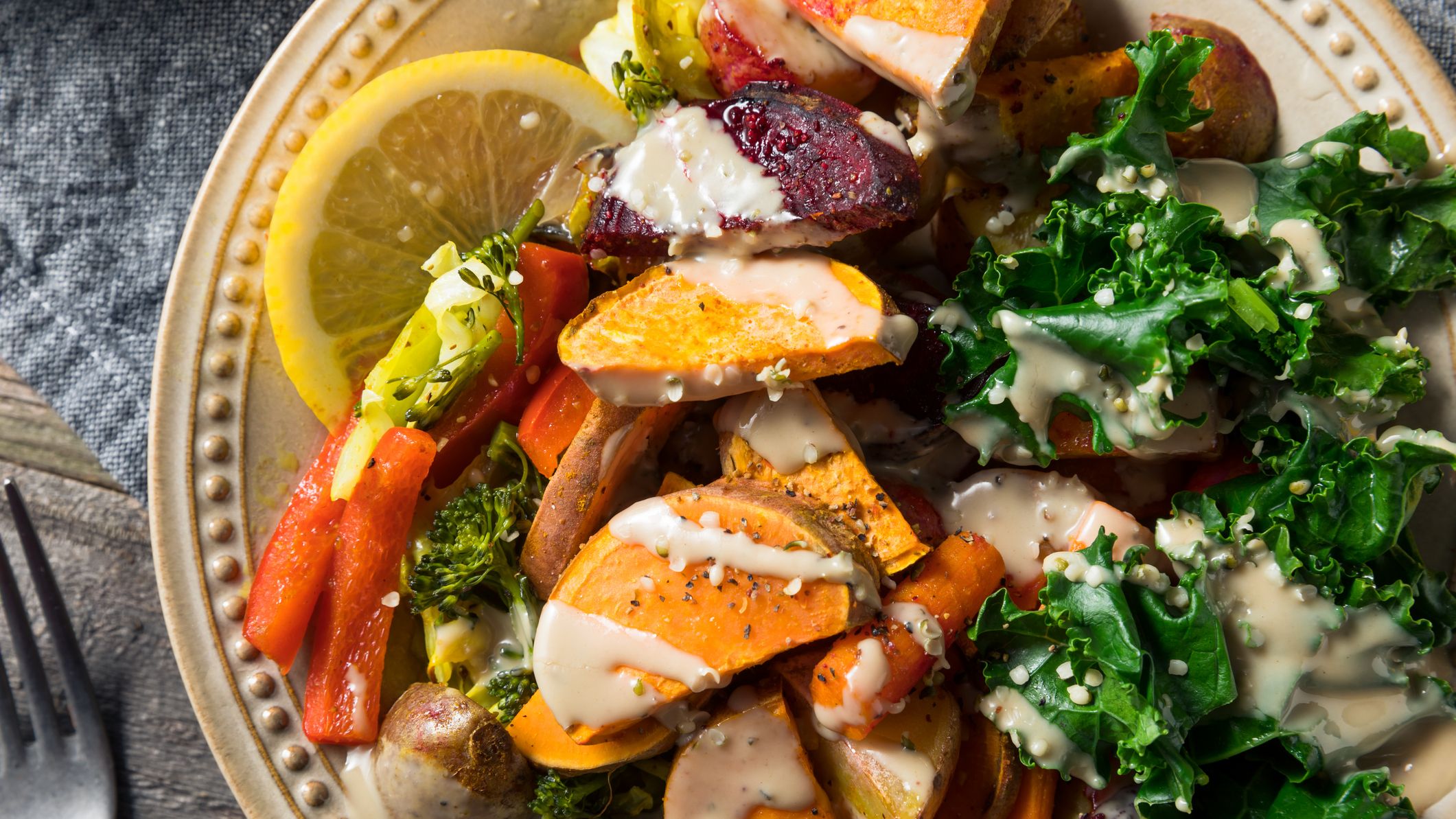
- Practical Application: Incorporate approximately one tablespoon of tahini or one to two tablespoons of whole sesame seeds daily. Tahini serves as a luxurious base for homemade salad dressings, garlic-lemon hummus, yogurt-based dipping sauces, or as a rich drizzle over roasted eggplant and cauliflower.
5. Hemp Seeds (Hemp Hearts): The Protein Alliance
For women in midlife, maintaining lean muscle mass becomes an uphill battle. Declining estrogen levels accelerate age-related muscle loss (sarcopenia), slow basal metabolic rates, and undermine blood sugar stability. Enter hemp hearts.
- Nutritional Profile: Dehulled hemp seeds are exceptionally protein-dense and deliver a full spectrum of essential amino acids.
- The Science: Hemp hearts act as an optimal nutritional support food rather than an endocrine modulator. Because lysine is a slightly limiting amino acid in hemp protein, Katz advises viewing hemp seeds as a valuable contributor to daily protein totals rather than a standalone solution for muscle preservation.
- Practical Application: Consuming two to three tablespoons per day provides a meaningful boost of protein and healthy fats. One of the greatest advantages of hemp hearts is their convenience: unlike flax or chia, they require no grinding, soaking, or special preparation. Simply stir them directly into Greek yogurt, morning porridge, protein smoothies, grain bowls, or harvest salads.
Supporting Context & Nutritional Metrics
To visualize how these superfoods fit into a daily dietary strategy, consider the comparative nutritional overview of incorporating a standard daily serving (roughly 15–20 grams or 1–2 tablespoons) of each seed:
| Seed Variety | Primary Midlife Benefit | Key Active Compounds | Recommended Daily Serving | Best Preparation Method |
|---|---|---|---|---|
| Ground Flaxseed | Symptom support & Lignan intake | ALA Omega-3s, Secoisolariciresinol diglucoside (SDG) | 1–2 Tablespoons | Must be ground for maximum absorption |
| Chia Seeds | Fiber, Bowel regularity, & Minerals | Soluble Fiber, Calcium, Magnesium | 1–2 Tablespoons | Soaked in liquid (Puddings, Oats) |
| Pumpkin Seeds | Cellular repair, Immunity, & Minerals | Magnesium, Zinc, Unsaturated Fats | 20–30 grams (small handful) | Raw, roasted, or as a salad topper |
| Sesame / Tahini | Lipid profile & Cardiovascular health | Sesamin, Sesamolin, Unsaturated Fats | 1 Tbsp Tahini / 1–2 Tbsp Seeds | Blended into dressings or hummus |
| Hemp Hearts | Muscle preservation & Sarcopenia defense | Plant Protein, Essential Amino Acids | 2–3 Tablespoons | Ready-to-eat (No prep required) |
Expert Insights and Official Perspectives
The overarching message from dietary experts is clear: while seeds are nutritional powerhouses, they are not magical elixirs capable of single-handedly reversing the physiological changes of menopause.
Johannah Katz underscores this perspective with a holistic warning:
"The biggest point is that seeds should be viewed as one piece of a much bigger picture. During the menopause transition, cardiovascular risk factors can begin changing and bone loss accelerates in late perimenopause, so the overall diet matters much more than any individual seed."
Katz reiterates that while flaxseed holds the most compelling clinical data regarding symptom reduction, it should still be conceptualized as a nutrient-dense food rather than a clinical hormone replacement therapy. Women experiencing severe vasomotor symptoms, sleep disturbances, or profound mood changes should consult qualified gynecologists or endocrinologists to discuss evidence-based medical interventions, such as Menopausal Hormone Therapy (MHT), alongside lifestyle and dietary refinements.
Future Outlook: The Evolution of Midlife Nutrition Science
As nutritional science progresses, research into plant-based compounds and women’s health is shifting toward personalized nutrition. Future clinical trials aim to understand how individual gut microbiome compositions dictate the efficacy of phytoestrogens like flax lignans. Because human gut bacteria must metabolize lignans into active enterolignans, future dietary guidance may tailor seed recommendations based on an individual’s unique gastrointestinal microbiome profile.
Furthermore, longitudinal studies are increasingly recognizing midlife as a critical window of opportunity. Interventions implemented during perimenopause—such as increasing anti-inflammatory omega-3 fatty acids, optimizing dietary fiber for gut microbiome diversity, and securing adequate mineral intake for bone density—cast a long shadow over long-term health outcomes in postmenopausal decades.
Conclusion
Incorporating seeds into your daily routine is a simple, highly effective way to elevate the nutritional quality of your diet during midlife. Whether you are stirring ground flax into your morning yogurt, blending hemp hearts into a post-workout smoothie, or drizzling tahini over roasted vegetables, these small additions deliver outsized health benefits. By viewing seeds not as medical treatments, but as delicious, functional pillars of a balanced, heart-healthy, and bone-protective lifestyle, women can navigate the transition of perimenopause and beyond with vitality and strength.