By Kevin LeBlanc
Updated: September 27, 2026
Executive Overview
Following a whirlwind month of non-stop sartorial celebrations across New York and London, the international fashion caravan has firmly established itself in Italy’s undisputed style capital for Milan Fashion Week Spring/Summer 2027. While Milan historically offers a more measured, classic counterpoint to the frenetic energy of its transatlantic and island counterparts—anchored by heritage powerhouses like Prada, Gucci, and Fendi—the Italian calendar is currently undergoing an unprecedented structural evolution.
This season is characterized by major creative transitions rather than business-as-usual presentations. Most notably, Glenn Martens is preparing to present his final, highly anticipated collection as the creative director of Diesel, marking the end of an era defined by boundary-pushing denim and theatrical subculture. Simultaneously, the industry is bracing for a shifting of the guard: Versace has opted out of the physical runway schedule as it prepares for Pieter Mulier to helm the iconic house in 2027, while the Sunnei dynamic duo, Loris Messina and Simone Rizzo, are stepping up to deliver their inaugural runway collection as the new creative directors of Moschino.
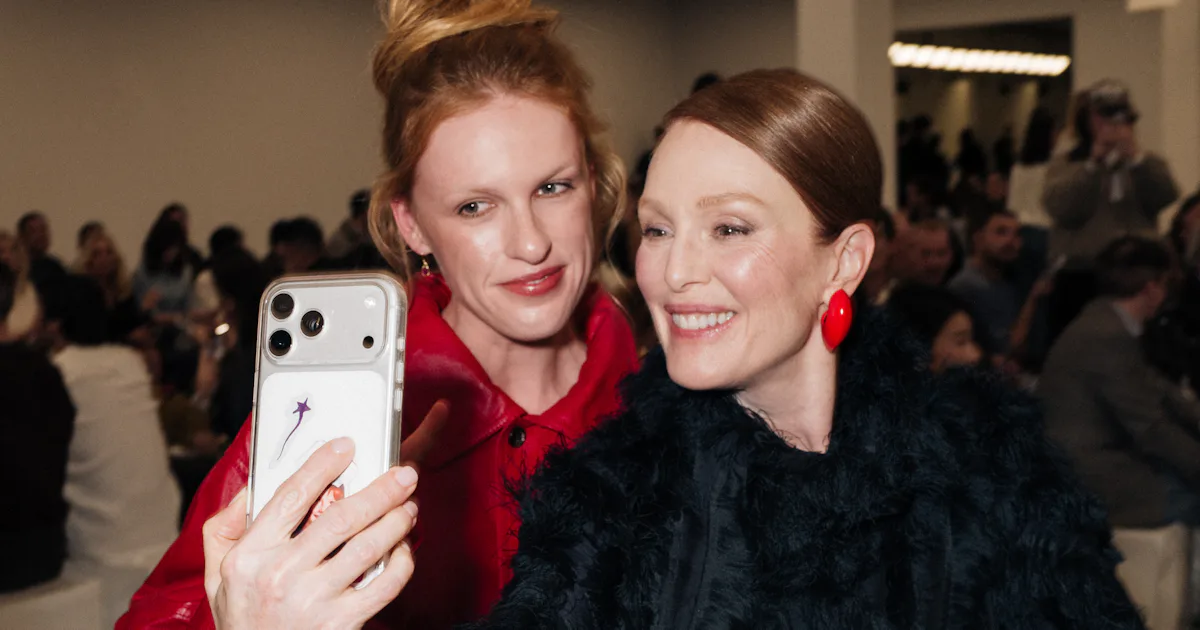
Beyond the atelier shuffles, Milan remains the ultimate global magnet for Hollywood royalty, pop icons, and style disruptors. From Bottega Veneta’s intimately curated coterie—where even Oscar winner Julianne Moore was reportedly captivated by rising star Audrey Hobert—to the star-studded benches of Gucci, Prada, and Fendi, the front rows of Milan Fashion Week SS27 have proven once again that the intersection of cinema, music, and luxury remains sharper than ever.
Detailed Chronology: The Shifts, Shows, and Spectacles
The trajectory of Milan Fashion Week SS27 is best understood through its structural milestones and high-profile presentations. The calendar represents a fascinating collision between the pillars of Italian luxury and the radical visions of a new generation of designers.
The Seismic Shifts in Creative Direction
Before the first stiletto hit the runway, the industry rumor mill had already given way to confirmed shake-ups that will dictate the commercial and aesthetic landscape for the next several years.
- Diesel’s Swan Song: Glenn Martens’ departure from Diesel signifies the conclusion of a tenure that revitalized the brand, turning utilitarian denim into high-art conceptualism. His SS27 final presentation is expected to draw a roaring, bittersweet crowd of loyalists and subculture icons, including early sightings of Kim Petras and Rhian Teasdale.
- The Moschino Takeover: The design duo behind Sunnei—Loris Messina and Simone Rizzo—are making their much-anticipated transition to the helm of Moschino. Their debut runway performance is arguably one of the most scrutinized and anticipated events of the week, tasking the pair with infusing their signature contemporary irony into a house historically defined by Franco Moschino’s theatrical whimsy and Jeremy Scott’s pop-art maximalism.
- The Looming Era of Pieter Mulier at Versace: Though Versace has chosen to sit out the active runway calendar this season, the shadow of the brand’s future looms large. With Pieter Mulier set to present his inaugural collection for Versace in 2027, the fashion ecosystem is treating this season as a holding pattern—a calm before a massive aesthetic storm. Furthermore, Dario Vitale’s recent appointment to a prominent role at Emporio Armani signals that institutional shake-ups are far from over, though the industry must wait until upcoming seasons to witness his vision materialize.
Front-Row Power Dynamics: Brand by Brand
While the designers command the runways, the front rows dictate the cultural currency. Milan’s premier houses rolled out an unprecedented roster of global talent this season.
Prada: Intellectual Cool Meets Hollywood Royalty
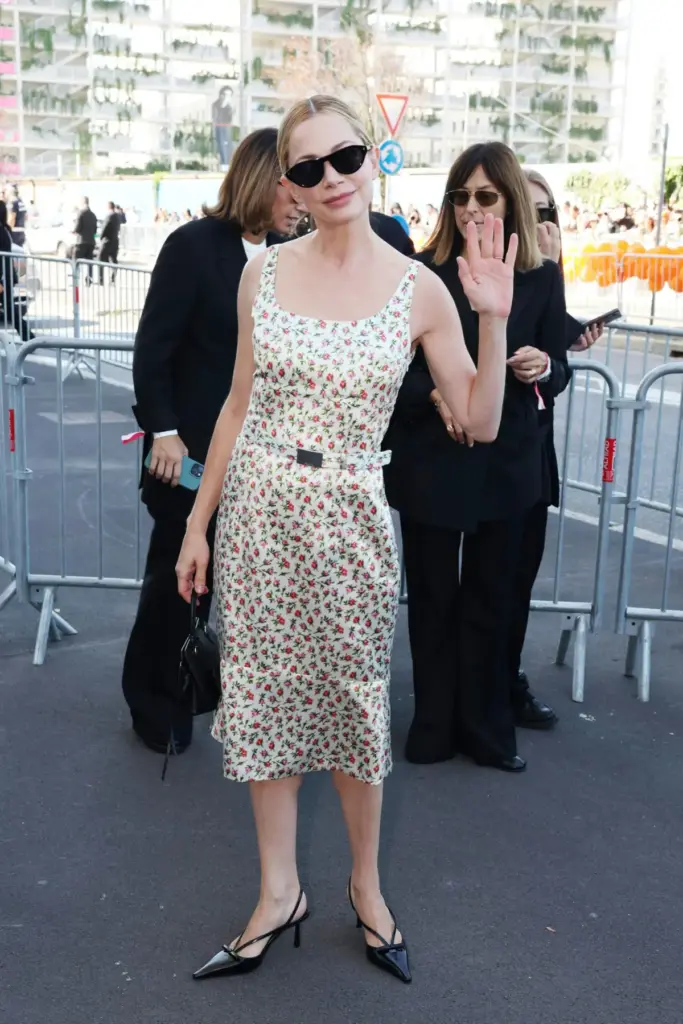
Prada’s front row consistently reads like an intellectual casting call for an auteur-driven film. This season was no exception, drawing a sophisticated assembly of actors, musicians, and digital trendsetters. Notable attendees making waves included:
- Molly Gordon
- Charli D’Amelio
- Alexa Chung
- Michelle Williams
- Hunter Schafer
- Nara Smith
- Benedetta Porcaroli
- Camila Mendes
- Maya Hawke
- Uma Thurman
The blend of classic Hollywood prestige (Thurman, Williams) with Gen Z digital icons (D’Amelio, Smith) underscored Prada’s unique ability to bridge generational divides without losing its cerebral edge.
Gucci: A Massive Convergence of Global Icons
Under Alessandro Michele’s long-standing legacy and the ongoing evolution of the brand’s visual identity, Gucci’s front row remains a sprawling, hyper-visible spectacle. The guest list spanned international tennis courts, pop charts, and silver screens:
- Kai Schreiber, Manu Ríos, and Aryna Sabalenka
- Livia Nunes Marques, Shawn Mendes, and Arca
- Camila Morrone, Cardi B, and Keke Palmer
- Romeo Beckham, The Marías, and Alix Earle
- Anastasia Karanikolaou, Ashtin Earle, Izzi Allain, Sydney Carlson, and Tish Weinstock
Cardi B made multiple high-impact appearances across Milan, also turning heads at The Attico, solidifying her status as a premier fixture of European style weeks.
Fendi, Ferragamo, and Bottega Veneta: Precision and Intimacy
While Gucci and Prada commanded stadium-sized attention, houses like Fendi, Ferragamo, and Bottega Veneta cultivated tighter, highly targeted cultural circles.
- Fendi welcomed a sharp, youthful contingent including Maisie Williams, Iris Law, Rachel Zegler, and Yara Shahidi, mirroring the house’s balance of structural heritage and youthful modernism.
- Ferragamo leaned into contemporary cinematic and literary cool, seating Chase Sui Wonders, Izzi Allain, Myha’la, and Graham Campbell.
- Bottega Veneta maintained its reputation for quiet luxury and artistic patronage. Alongside Eiza Gonzalez and Jacob Elordi, rising style icon Audrey Hobert drew intense scrutiny from style insiders and Hollywood elite alike—reportedly capturing the attention of Oscar winner Julianne Moore, who was thoroughly transfixed by Hobert’s effortless star power.
Supporting Context & Metrics
To fully appreciate the gravity of Milan Fashion Week SS27, one must examine the broader economic and cultural metrics governing the luxury sector in late 2026.
- The Digital-First Front Row: According to early social media analytics firms tracking NYFW and London before the transition to Milan, front-row attendees like Charli D’Amelio, Alix Earle, and Nara Smith generate millions of impressions within the first sixty minutes of a show. For heritage brands, the calculated mix of traditional A-list actors (like Uma Thurman and Michelle Williams) and digital native creators ensures both institutional credibility and maximum algorithmic reach across TikTok, Instagram, and emerging decentralized platforms.
- Creative Director Tenure Spans: The industry is currently experiencing a historic churn rate among creative leadership. With Glenn Martens leaving Diesel, Pieter Mulier preparing for Versace, and the Sunnei founders taking over Moschino, the average tenure of a creative director at major European luxury houses has shrunk significantly over the last half-decade. This volatility places immense pressure on seasonal collections to instantly deliver both commercial viability and viral cultural moments.
- Geographic Shift in Luxury Spending: Milan Fashion Week continues to serve as a vital nexus for European, North American, and Asian buyers. Despite global economic fluctuations, the concentration of VIP guests from Latin America (evidenced by figures like Eiza Gonzalez and Manu Ríos) and Asia highlights the increasingly borderless nature of high fashion’s front-row demographic.
Official Statements & Industry Perspectives
While formal press releases from luxury conglomerates often mask the personal drama of creative departures, industry insiders have been vocal about the tectonic shifts occurring this September.
On the transition of indie darlings to legacy houses, a prominent European fashion critic noted:
"We are witnessing the institutionalization of the underground. When you take independent disruptors like the founders of Sunnei and place them at the helm of a historical powerhouse like Moschino, you are gambling on whether their specific brand of irony can scale to a global luxury market. Milan is the testing ground for that hypothesis."
Regarding the palpable energy surrounding the physical presentations, a senior Milanese PR executive remarked:
"Milan has always been about craftsmanship and the integrity of the garment, but this season feels different. There is a palpable sense of closure and rebirth. Glenn [Martens] leaving Diesel marks the end of a masterclass in denim subversion, while the anticipation for what comes next keeps the energy in the tents electric."
Future Outlook
As Milan Fashion Week SS27 races toward its grand finale, the ramifications of this week will ripple across the global fashion industry well into 2027 and beyond.
- The Post-Martens Era at Diesel: The industry will be watching closely to see who OTB Group taps to succeed Glenn Martens, and whether the brand will maintain its gritty, club-adjacent aesthetic or pivot toward a more polished commercial trajectory.
- The Moschino Renaissance: All eyes will remain fixed on Loris Messina and Simone Rizzo as they settle into their new roles. Their debut will set a precedent for how independent designers adapt to legacy corporate structures.
- The Versace Reveal: With Pieter Mulier’s debut slated for next year, the entire fashion calendar is effectively holding its breath. The quiet season for Versace is merely a prelude to what analysts predict will be one of the most heavily analyzed creative rebrandings of the decade.
In the meantime, the street style photographers, front-row celebrities, and editors will pack their bags for Paris, but the echoes of Milan’s transitional autumn—defined by stellar debuts, emotional farewells, and unmatched star power—will resonate through the global style consciousness for months to come.