On August 29, 2026, the Great Park in Irvine, California, transformed into a sanctuary of collective joy, intergenerational feminism, and rock-and-roll rebellion for the inaugural, sold-out Daisy Chain Fields music festival. Founded, conceptualized, and spearheaded by pop superstar Olivia Rodrigo, the one-day event shattered conventional festival paradigms. Rather than prioritizing corporate bottom lines or blockbuster sponsorship deals, Daisy Chain Fields operated with a radical ethos: 100% of net proceeds were committed directly to philanthropic nonprofits supporting women and girls.
What began as Rodrigo’s ambitious vision quickly ballooned into a historic cultural milestone. Bolstered by a staggering $20 million in total donations—thanks to an initial $10 million pledge from the festival matched live on stage by philanthropist Melinda French Gates—Daisy Chain Fields proved that large-scale live music could merge high-production entertainment with systemic social impact. Featuring a meticulously curated, women-led lineup spanning iconic ’90s rock royalty to contemporary chart-toppers, the festival offered an immersive blueprint for how live entertainment can foster safety, artistic integrity, and community empowerment.
Detailed Chronology: A Day of Art, Activism, and Music
Morning: Setting Intentions at the Wish Tree
The tone for the day was established the moment attendees stepped through the festival gates. Greeting the sweltering Southern California heat was the first major art installation: Yoko Ono’s legendary Wish Tree.
Festival-goers were invited to write their personal hopes and collective dreams on slips of paper and tie them to the leafy branches. The resulting canopy of paper was deeply moving, bridging macro-level geopolitical aspirations—such as equal pay, a free Palestine, and peace in the Congo and Ukraine—with micro-level human vulnerabilities, including completing a degree, overcoming a depressive episode, or finding personal growth.
Olivia Rodrigo herself reflected on the installation’s emotional resonance in a post-festival letter shared on Instagram:
"It made me so emotional, and I realized that was exactly why Daisy Chain meant so much to me. The artwork reminded me of how we are all much more alike than we are different… A collective hope that things can get better and a reminder of how much we really care about people at the end of the day."
Afternoon: Immersive Activation and Cross-Generational Riot Grrrl Energy
As temperatures soared, the crowd gravitated toward shaded sanctuaries, most notably the air-conditioned "Creative Village" built by Etsy. Unlike standard corporate brand booths, the space was engineered for participatory art. Fans sat side-by-side junk-journaling, trading friendship bracelets crafted from a sprawling bead fountain, and exchanging temporary tattoos. It was a physical manifestation of DIY culture, encouraging connection between sets.
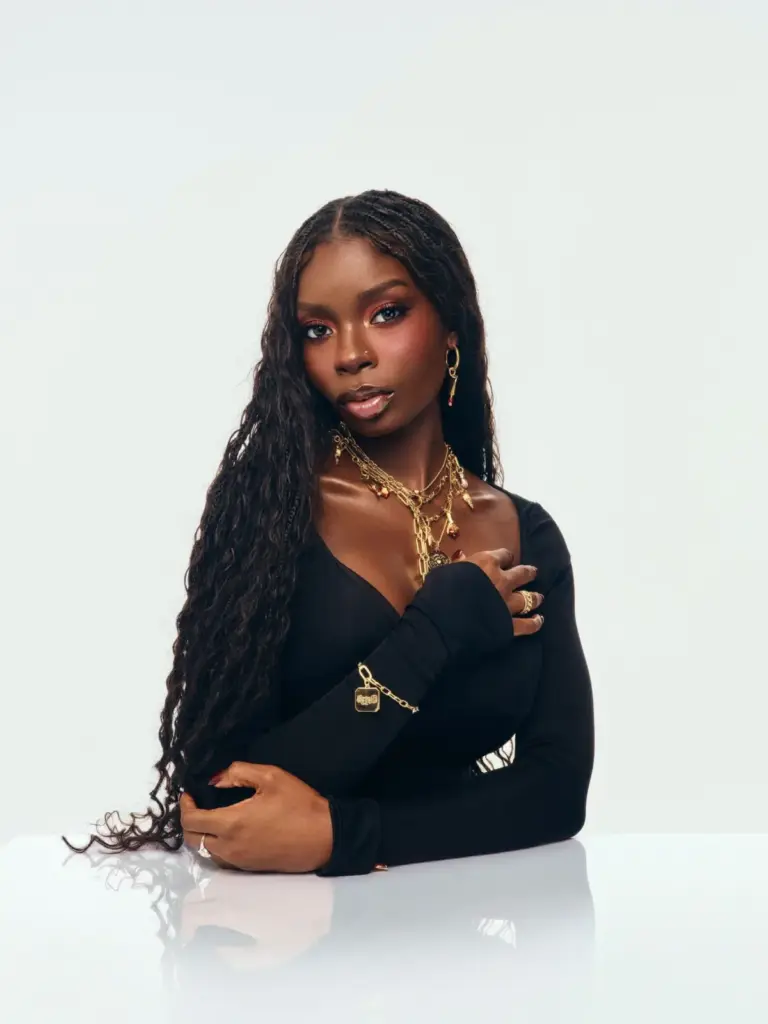
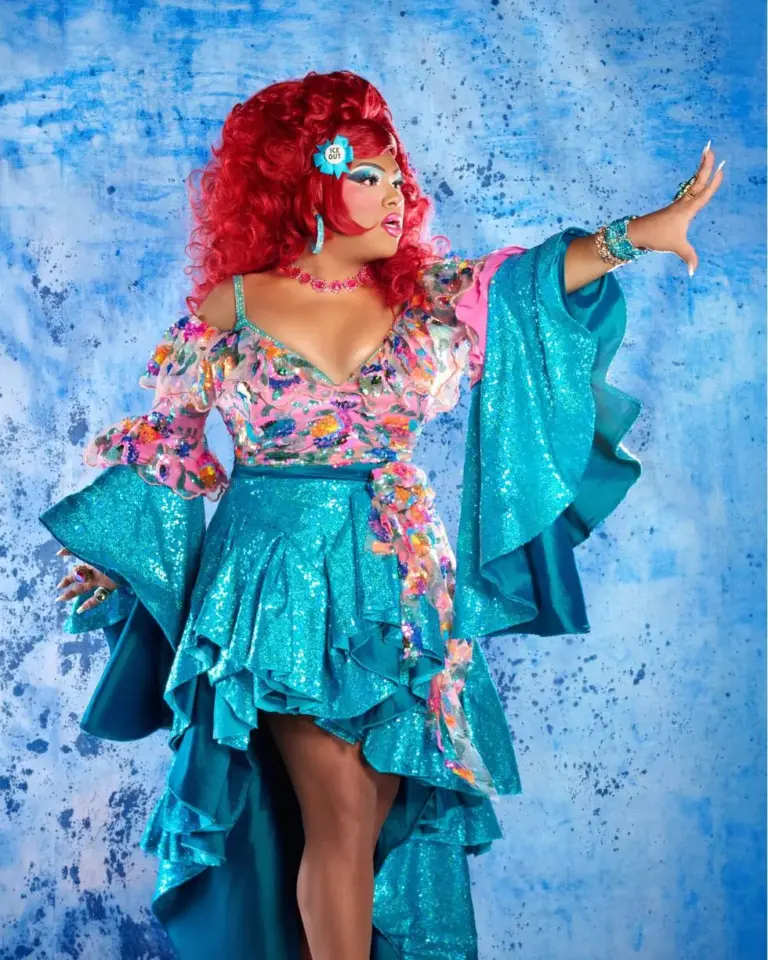
The musical programming kicked off with an intentionality rarely seen in modern festival curation. Thanks to Rodrigo personally calling artists to ask if they would perform pro bono for charity, the lineup featured a powerhouse roster including Chappell Roan, Doechii, Mitski, Rachel Chinouriri, Eli, Garbage, and Bikini Kill. Crucially, none of the set times overlapped, allowing fans to effortlessly navigate between the Marigold and Dandelion stages without missing a single performance.
A defining highlight of the afternoon was Bikini Kill’s ferocious set, which galvanized an audience spanning teenagers attending their first-ever concert to seasoned rock fans. Frontwoman Kathleen Hanna captured the emotional complexity of the day, acknowledging the dark political climate while celebrating the communal sanctuary Rodrigo had built:
"This government hates us and wants us dead… They don’t give a shit about anybody’s healthcare. But I am gonna say it makes it hard for me in my body sometimes to have a good time… And I was thinking that on the way here. I was like, ‘What a gift.’ What a gift we have to be able to play for you. What a gift Olivia has given all of us to do this festival."
Between sets, founders and representatives from major nonprofit organizations took the stage to educate the crowd on pressing issues ranging from reproductive freedom to gender-based violence, turning musical intervals into moments of political awakening.
Evening: The Grand Finale and Passing the Torch
As night fell over Irvine, the headlining sets commenced. In a defining moment of the evening, Olivia Rodrigo brought out tech philanthropist Melinda French Gates during her set to announce the doubling of the festival’s charitable commitment, raising the total donation pool to $20 million.
The festival culminated in a historic passing of the torch. Rodrigo brought out singer-songwriter Sarah McLachlan, openly acknowledging that Daisy Chain Fields would not exist without McLachlan’s pioneering, all-women festival of the 1990s, Lilith Fair. Together, the two artists delivered an emotionally charged tribute to Dolly Parton through a rendition of McLachlan’s “Angel,” cementing a bridge between two generations of feminist music history.
Supporting Context & Metrics: Redefining Festival Economics
Daisy Chain Fields arrived at a time when the live music industry was facing severe criticism for skyrocketing ticket prices, corporate consolidation, and a lack of gender equity on major festival lineups. By reimagining the festival economic model, Rodrigo and her production team set new benchmarks:
100% Philanthropic Commitment: Diverting all net proceeds directly to charity challenged the profit-first motives of traditional promoters.
$20 Million Total Impact: Comprising Rodrigo’s initial $10 million commitment and Melinda French Gates’ matched $10 million contribution.
Nonprofit Coalition: The festival partnered with a formidable coalition of organizations, ensuring direct support for systemic issues. Beneficiaries included:
Planned Parenthood
Black Mamas Matter Alliance
Baby2Baby
Center for Reproductive Rights
FreeFrom
Jhpiego
Johns Hopkins Center for Indigenous Health
National Domestic Workers Alliance
National Institute for Reproductive Health
National Women’s Law Center
Zero Overlap Scheduling: A fan-centric logistical choice that eliminated scheduling conflicts and reduced crowd congestion stress.
Official Statements and Community Voices
The sentiment on the ground was overwhelmingly positive, marked by a profound sense of physical safety, psychological comfort, and mutual respect among attendees.
Janelle, 24:"I feel like you can count on [women] to be more considerate of the crowd that’s coming and think of everything… Even there being no overlapping performances, I’ve never been to a festival like that."
Jat, 33:"You don’t have to worry too much about men, as crazy that sounds. Just having all female musicians, the music is great, and the money going to great causes is the cherry on top."
Vanessa, 22:"It’s like, [we’re] sisters, but everyone’s your sister here."
Male attendees and allies were also woven into the fabric of the event. Rodrigo explicitly shouted out the male attendees as "allies" from the stage, fostering an environment where inclusion did not dilute the foundational mission of centering women’s safety and artistry.
Future Outlook: The Legacy of Daisy Chain Fields
As the dust settles on the Great Park in Irvine, the implications of Daisy Chain Fields extend far beyond a single summer weekend in 2026. Olivia Rodrigo has successfully proven that an artist-curated, philanthropy-driven festival can achieve both massive commercial success and profound ideological resonance.
Industry analysts are already questioning whether Daisy Chain Fields will serve as a pilot program for future artist-led endeavors. By demonstrating that fans will enthusiastically support events rooted in social justice, transparent charitable giving, and thoughtful crowd logistics, Rodrigo has raised the bar for what audiences will demand from live entertainment moving forward.
If Lilith Fair laid the groundwork for women in rock three decades ago, Daisy Chain Fields has updated that blueprint for a new generation—proving that music can be simultaneously deeply rebellious, radically inclusive, and transformative for society at large.