Executive Overview
In the rapidly evolving landscape of digital commerce, the intersection of personal taste, authentic curation, and high-end lifestyle branding has become the ultimate frontier for customer acquisition. This dynamic is perfectly encapsulated in the burgeoning partnership between luxury cosmetics brand Westman Atelier and affiliate marketing titan ShopMy.
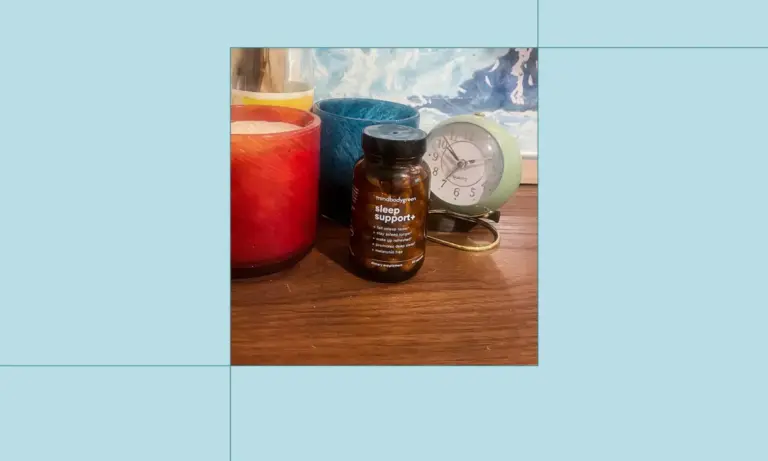
Long before affiliate marketing became a multi-billion-dollar juggernaut, celebrated makeup artist and Westman Atelier founder Gucci Westman was quietly shaping consumer desires through her coveted recommendations. From luxury Khaite boots and Loro Piana cardigans to niche wellness gear, Westman’s curation offered critical early credibility to ShopMy when the platform launched in 2020—a platform that has since achieved a staggering $1.5 billion valuation.
Now, this digital-first alliance is stepping out from behind the screen. Timed strategically to coincide with the high-octane energy of New York Fashion Week and the global rollout of Westman Atelier’s newest complexion innovation—the Suprême Bio-Complex Liquid Foundation—the two brands are launching a three-day, multi-pronged experiential pop-up in New York City’s trendy Nolita neighborhood.
This hybrid retail experiment does more than just showcase a new cosmetic formula; it serves as a masterclass in modern lifestyle marketing. By blending beauty, fashion, wellness, and community-driven activities—such as a neighborhood walk led by pilates instructor Ashley Patten—the collaboration leans heavily into a profound consumer truth: the most effective sales engine is not a high-pressure digital ad, but organic, peer-to-peer word-of-mouth recommendation.
As digital affiliate spending in the United States barrels toward a projected $13.81 billion, and industry networks engage in a fierce arms race for consumer attention, the Westman Atelier x ShopMy activation points toward the future of retail. It signals a paradigm shift where digital curation, micro-influencer potency, and immersive in-person (IRL) experiences converge to build lasting brand equity.
Detailed Chronology: The Evolution of a Luxury Partnership
2020: Planting Seeds of Credibility
When ShopMy made its debut in the digital ecosystem in 2020, the emerging affiliate marketing platform needed more than just functional technology; it required cultural currency. Enter Gucci Westman. Known globally for her editorial expertise and her namesake luxury beauty brand, Westman became an early adopter and foundational partner of the platform.
Without approaching the relationship through a traditional, hyper-commercialized sales lens, Westman used ShopMy to share her personal wardrobe and lifestyle staples. Whether she was linking to artisanal cardigans or everyday footwear, her selections resonated because they were organic extensions of her personal brand. According to ShopMy president and co-founder Tiffany Lopinsky, this understated approach is precisely what made Westman an ideal anchor for the platform. The resulting alignment helped build early consumer trust, paving the way for ShopMy’s meteoric rise to a $1.5 billion valuation.
The Scaling of Westman Atelier
Parallel to ShopMy’s upward trajectory, Westman Atelier was quietly solidifying its position as a powerhouse in the luxury beauty segment. Guided by the vision of Gucci Westman and co-founder David Neville, the brand transcended traditional cosmetic boundaries to evolve into a full-fledged lifestyle label. Built on a foundation of clean ingredients, high-performance formulations, and effortless aesthetic sophistication, Westman Atelier captured the loyalty of discerning beauty consumers, eventually scaling to an impressive $100 million in annual net revenue.
September 2026: Bridging the Digital-Physical Divide
The partnership reaches its most ambitious milestone yet during New York Fashion Week in September 2026. Capitalizing on the convergence of global media, fashion elite, and beauty enthusiasts in Manhattan, Westman Atelier and ShopMy are translating their digital storefront synergy into a physical activation in Nolita.
Designed as a multi-day interactive experience, the pop-up serves a dual commercial purpose:
- Introducing consumers directly to the debut of the Suprême Bio-Complex Liquid Foundation, allowing attendees to undergo professional shade-matching consultations.
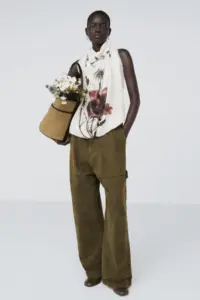
- Bringing Westman’s digital ShopMy recommendations off the screen and into a physical retail environment—featuring curated items like Omorpho G-Vests and Leset T-shirts.
Beyond transactional retail, the chronology of the event introduces community wellness touchpoints. By integrating structured lifestyle elements, such as neighborhood wellness walks led by high-profile pilates instructor Ashley Patten, the activation transforms passive shopping into an active, memorable lifestyle experience. Advance registration data underscores the immediate demand for this experiential model, with approximately 100 consumers signing up in advance for each of the three specialized daily sessions.
Supporting Context & Metrics: The State of Affiliate Marketing
To fully grasp the significance of the Westman Atelier and ShopMy collaboration, one must examine the broader macroeconomic and structural shifts occurring within the affiliate marketing industry.
The Financial Landscape
Affiliate marketing is no longer a peripheral digital marketing tactic; it is a primary revenue engine for brands and creators alike. According to comprehensive data from Emarketer, total U.S. affiliate spending is projected to reach $13.81 billion by the end of 2026. This exponential financial growth has ignited a fierce competitive "arms race" among affiliate networks striving to capture consumer attention across increasingly fragmented media channels.
Major players in the space are aggressively innovating to maintain market share:
- LTK (RewardStyle): Network members drove an astounding $6 billion in sales in 2025. Demonstrating the push toward innovative content integration, LTK partnered with Sports Illustrated in April 2026 to transform the iconic Sports Illustrated Swimsuit edition into a fully shoppable digital experience.
- TikTok Shop: Capitalizing on social commerce dominance, TikTok Shop has established a quarterly matching program designed to seamlessly connect brands with creators—ranging from macro-influencers to everyday users—who can push products directly through its extensive affiliate infrastructure.
The Rise of the Micro-Influencer and Peer-to-Peer Commerce
Amidst this corporate race for scale, ShopMy has carved out a distinct niche by capitalizing on the democratization of influence. While celebrity tastemakers like Gucci Westman provide top-tier brand halo effects, the platform recognizes that the true heavy lifting of modern product movement often happens at the micro and nano-influencer levels.
ShopMy has successfully integrated casual, everyday users into its ecosystem, enabling anyone to generate commissions simply by sharing trusted affiliate links within private group chats and personal networks. This strategy acknowledges a fundamental shift in consumer psychology: modern shoppers suffer from fatigue regarding heavily sponsored, traditional influencer content, preferring instead the perceived authenticity of peer recommendations.
As Tiffany Lopinsky aptly notes, word-of-mouth remains the single most powerful conversion tool in commerce. Consumers with smaller, hyper-engaged followings frequently move massive volumes of high-priced merchandise because the recommendation feels personal, grounded in genuine experience, and open to continuous post-purchase dialogue between friends.
Official Statements and Industry Insights
The philosophy underpinning the Westman Atelier x ShopMy collaboration reveals deep insights into how modern founders and platform executives view the future of retail and consumer engagement.
Tiffany Lopinsky on the Art of Underselling
For ShopMy, the partnership with Gucci Westman validates a core thesis about modern consumer behavior: authenticity cannot be faked, and the most effective commercial agents are frequently those who do not appear to be selling anything at all.
"The people who are the best at selling are the people who aren’t trying to sell," explains ShopMy president and co-founder Tiffany Lopinsky.
Lopinsky emphasizes that the platform’s focus on organic advocacy—spanning from high-profile luxury founders to everyday consumers sharing links in group chats—taps into the enduring power of genuine peer endorsement.
"Word of mouth is the most powerful thing," Lopinsky continues. "So many people who have smaller followings move a lot of product, especially product at a high price point… You think of when your friend tells you about something. You buy it, and then you also love it, and the conversation can continue after that."
Reflecting on the decision to bring their digital collaboration into the physical realm via the Nolita pop-up, Lopinsky views the activation as a vital testing ground for future retail concepts.
"I think [the pop-up] will inspire us to think about long-term how we want to collaborate with brands on things like this. Or do our own retail kind of concept… Shopping is a very social thing."
Gucci Westman on Embracing the Tastemaker Identity
For Gucci Westman, stepping into the role of an explicit lifestyle tastemaker required a shift in perspective. Historically recognized primarily for her elite technical artistry behind the scenes of global fashion shows and editorial shoots, Westman has increasingly found her personal lifestyle choices—from wardrobe essentials to fitness routines—subject to intense public curiosity.
"People do often ask, which is going to sound a little bit uncomfortable coming from me, but people do ask about my clothing and things like that," Westman reflects. "And I guess [working with ShopMy] is just sort of just embracing that. And I like the fact that [Westman Atelier] feels very much like a lifestyle brand."
This evolution from makeup artist to holistic lifestyle curator is central to Westman Atelier’s enduring appeal. In an era where consumers seek holistic alignment with the brands they support, Westman’s personal aesthetic provides a cohesive thread tying beauty formulations together with apparel, wellness, and everyday living.
Furthermore, Westman stresses that physical brand activations must respect the finite time and high expectations of modern consumers. In a crowded market like New York Fashion Week, simply throwing an event is no longer enough to win brand loyalty.
"Whenever I go to something, I want to walk away feeling like I had either good conversations or some form of memorable experience," Westman notes. "It doesn’t have to be huge. But it’s so difficult to impress people today, and everyone is so busy. Nobody wants to do anything really where it requires too much effort, you know."
Future Outlook: The Convergence of Digital Affiliate Networks and Experiential Retail
The collaboration between Westman Atelier and ShopMy during New York Fashion Week offers a clear window into the future trajectory of the beauty, fashion, and retail industries. As digital affiliate marketing approaches a projected $14 billion market size in the United States, several key trends are poised to shape the next decade of consumer commerce:
1. The Blurring of Digital and Physical Retail (Phygital Integration)
As demonstrated by ShopMy’s Nolita pop-up, exclusive digital curation cannot exist in a vacuum. Consumers—particularly those invested in luxury lifestyle brands—crave tangible, sensory touchpoints. Future affiliate strategies will increasingly leverage physical pop-ups, permanent experiential flagships, and community-driven events to bridge the gap between online inspiration and offline conversion. Affiliate platforms will evolve from purely software-as-a-service (SaaS) toolsets into full-fledged experiential event producers.
2. The Rise of the Holistic Lifestyle Brand
Pure-play cosmetics brands face intense pressure to expand their narrative universe. As evidenced by Westman Atelier’s evolution into a $100 million powerhouse, modern beauty consumers do not just want to buy a foundation; they want to buy into an entire aesthetic world encompassing skincare, wellness, fashion, and lifestyle choices. Platforms like ShopMy provide the ideal digital infrastructure for beauty founders to monetize this holistic curation, seamlessly linking their cosmetics to everything from high-end athletic wear to everyday wardrobe basics.
3. Democratization of Curation and the Micro-Community
While celebrity founders and macro-tastemakers will always hold significant top-of-funnel brand-building power, the structural growth of affiliate networks relies heavily on micro-influencers and peer networks. The ability of everyday consumers to monetize their personal taste within intimate digital spaces—such as group chats, close-friends stories, and localized community networks—represents the most resilient growth vector for ecommerce brands seeking high-intent, high-conversion traffic.
Conclusion
The partnership between Westman Atelier and ShopMy proves that commerce, at its core, remains a deeply social and human enterprise. By uniting Gucci Westman’s peerless eye for luxury with ShopMy’s cutting-edge affiliate architecture, the two brands have successfully navigated the transition from digital screens to real-world engagement. As the affiliate marketing landscape continues its rapid expansion, this successful intersection of authentic taste, community wellness, and experiential retail establishes a compelling new blueprint for the future of luxury brand building.