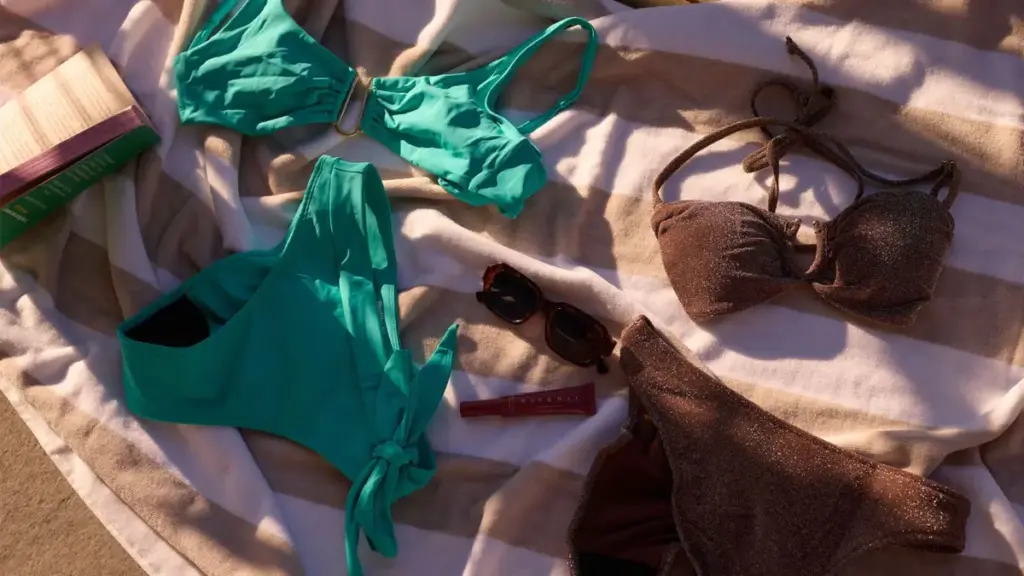
For generations, the arrival of a menstrual cycle during the summer months, a tropical vacation, or a simple weekend trip to the local pool meant pressing pause on aquatic activities. Traditional menstrual products—most notably tampons and disposable pads—are fundamentally incompatible with water immersion. Tampons, while designed to sit internally, act as a sponge not only to menstrual flow but also to surrounding pool or seawater, introducing potential hygiene concerns and making prolonged swimming impractical. Meanwhile, disposable pads become waterlogged instantly, rendering them utterly useless the moment they touch the water.
Enter the modern era of menstrual innovation: period-proof swimwear. Marrying high-performance athletic textiles with advanced absorbent technology, this emerging category of specialty swimwear is rapidly transforming how women navigate their periods during the summer or while traveling. Far from being a niche, cumbersome novelty, today’s period swimwear looks and feels indistinguishable from conventional designer bikinis and sleek one-piece swimsuits.
Yet, consumer skepticism remains widespread. Can fabric truly hold menstrual blood while submerged in water? Does it leak? Is it hygienic? To answer these questions, this comprehensive report investigates the mechanics of period swimwear, reviews expert insights from industry leaders and women’s health specialists, details rigorous testing methodologies, and evaluates the broader future outlook of sustainable menstrual care.
Detailed Chronology: The Evolution of Menstrual Swimwear
To understand where the market stands today, it is essential to trace the trajectory of how menstrual management has evolved, moving away from entirely disposable paradigms toward reusable, performance-driven alternatives.
The Era of Internal Constraints (Pre-2010s)
For decades, options for swimming while menstruating were starkly limited. Women relied almost exclusively on tampons or, less commonly, early-generation menstrual cups. While these internal products successfully stem the flow by creating a barrier or collecting fluid internally, they present distinct drawbacks. Many young women or those with specific physiological sensitivities cannot—or prefer not to—use internal products. Furthermore, the psychological anxiety of string visibility, accidental leaks after exiting the water, and the necessity of changing damp tampons immediately after swimming created a persistent barrier to carefree recreation.
The Rise of Reusable Undergarments (2015–2020)
The broader menstrual revolution truly began with the mainstream commercialization of period pants. Brands popularized ultra-absorbent, leak-proof underwear designed to replace disposable pads and tampons for daily use. Consumers embraced these reusable options rapidly, driven by a growing awareness of single-use plastic waste and the financial burden of the "tampon tax." As manufacturing techniques matured, fabric engineers began experimenting with moisture-wicking properties, odor control, and ultra-thin laminated gussets that could hold liquid without bulk.
The Birth and Refinement of Period Swimwear (2020–Present)
Adapting absorbent fabric technology for water use posed a unique engineering puzzle: how do you design a garment to absorb bodily fluid on the inside while actively repelling water on the outside?
Over the past three to four years, textile scientists solved this paradox by developing multi-layered technical fabrics. The outer shell is treated with durable water-repellent (DWR) coatings that cause water to bead and roll off instantly. Beneath this lies a hyper-absorbent, moisture-locking core that handles moderate menstrual flow, light perspiration, or minor bladder leaks, followed by a waterproof breathable membrane that guarantees zero leakage. Today, the market boasts everything from cheeky low-rise bikini bottoms and supportive high-waist briefs to sophisticated one-piece swimsuits, offering consumers complete stylistic freedom without compromising functional security.
Supporting Context & Metrics: How Period Swimwear Actually Works
To the uninitiated, the concept of wearing absorbent swimwear into a swimming pool sounds counterintuitive. How can fabric absorb menstrual blood while simultaneously being surrounded by gallons of water? The secret lies in physics, material science, and specialized textile layering.
Anatomy of a Period Swimsuit
A standard high-quality period swimsuit or bikini bottom is typically constructed using a sophisticated three-to-four-layer gusset system:
- The Water-Repellent Outer Layer: Usually crafted from high-grade, often recycled, nylon and elastane, this exterior fabric is treated to ensure that pool chlorine, saltwater, and lake water simply slide off the surface. This stops external water from penetrating the core, ensuring the internal absorbent layers remain dry until they encounter internal moisture.
- The Moisture-Wicking Middle Core: Once internal fluid is released, this strategic layer instantly draws moisture away from the skin, locking it deep within the fabric matrix. This prevents any damp, uncomfortable feeling against the body.
- The Absorbent Reservoir: Engineered to hold anywhere from one to four regular tampons’ worth of fluid (depending on the brand and design), this layer securely traps liquid. Most quality period swimwear is optimized for light-to-moderate flows, capable of providing worry-free wear for up to eight hours out of the water, though immersion times vary based on activity level.
- The Waterproof Leak-Proof Barrier: A thin, flexible, breathable membrane acts as the final line of defense, ensuring that liquid can never escape through to your towel, lounger, or outer clothing.
Environmental Impact and Material Sourcing
Beyond personal convenience, the market shift toward reusable swim options addresses a staggering environmental crisis. Millions of single-use applicators, plastic-backed pads, and tampons end up in landfills or oceans annually. Leading manufacturers are leaning heavily into circular economy principles. For instance, brands utilize recycled nylon harvested from post-consumer waste, discarded industrial plastics, and recovered ocean fishing nets. Furthermore, forward-thinking companies frequently pledge a percentage of their profits directly to marine conservation charities, such as The Ocean Cleanup, effectively closing the loop between water recreation and environmental stewardship.
Official Statements and Expert Perspectives
Navigating the claims made by apparel manufacturers requires looking to objective medical professionals and industry pioneers who specialize in women’s wellness.
Industry Innovation: The Manufacturer’s View
Paige Fashoni, Founder and Managing Director of leading leak-proof brand Fluxies, emphasizes the rigorous engineering behind modern designs.
"Our period-proof swimwear features a hidden built-in protective layer that quickly wicks moisture away and locks in liquid, preventing any leaks," Fashoni explains. "The water-resistant outer layer allows water to simply roll off, stopping any water from getting to the inside of the swimwear and keeping you fresh and dry. They’re great for a moderate flow—absorbing the same amount as approximately three tampons’ worth—and can be worn for up to eight hours."
Fashoni also highlights the industry’s commitment to sustainability: "We’ve also used recycled nylon for our swim range, made from waste like water bottles and fishing nets, and 5% of all profits go to The Ocean Cleanup, a non-profit organisation that works hard to clear plastic from our rivers and oceans."
Women’s Health and Gynecological Insights
From a clinical perspective, women’s health specialists and homeopaths, such as Rowena Prescot, view the proliferation of non-invasive, chemical-free menstrual products as a positive step forward for vaginal health. Traditional tampons can occasionally cause micro-abrasions, disrupt the natural vaginal microbiome, or—in rare instances—pose risks related to Toxic Shock Syndrome (TSS).
External absorbent wear eliminates these internal pressures entirely. Gynecologists note that breathable, high-tech fabrics reduce the trapped heat and moisture commonly associated with traditional synthetic pads, minimizing the risk of yeast infections and skin chafing during hot summer days spent in wet swimwear.
Comprehensive Testing Methodology
To provide consumers with transparent, trustworthy guidance, leading shopping editors and product testers evaluate period swimwear across multiple real-world environments—including sea swimming, chlorine pools, spa sessions, and extended sunbed lounging at various stages of the menstrual cycle.
The evaluation framework relies on four strict criteria:
- Functionality: Did the garment successfully keep the wearer dry and odor-free? Did it absorb liquid according to manufacturer specifications without experiencing bypass or leaking? Was the fit secure during active swimming strokes without feeling overly restrictive?
- Design & Aesthetics: Are the garments stylish and comfortable? Do they suffer from chafing, rolling, or fabric twisting when wet? What range of colors, cuts, and patterns are available, and what are their specific sustainability credentials?
- Price Point: Is the cost-per-wear justified by the build quality and durability of the materials?
- Delivery & Accessibility: How efficiently do brands ship their products, and what are the associated logistical costs?
By incorporating feedback from diverse body types, flow intensities, and personal style preferences, testers ensure that recommendations—ranging from sleek one-piece suits like the Love Luna Period One Piece Swimsuit to budget-friendly low-waisted briefs—cater to every consumer’s unique needs.
Future Outlook: What’s Next for Menstrual Swimwear?
As consumer adoption accelerates, the future of period swimwear points toward even greater normalization, technological refinement, and stylistic diversity.
1. Mainstream Retail Normalization
What started as an online-exclusive direct-to-consumer market is rapidly occupying high-street retail spaces. Major department stores and international fashion retailers are carving out dedicated permanent inventory space for leak-proof intimates and swimwear. This mainstream visibility is crucial in dismantling lingering cultural taboos surrounding menstruation.
2. Technological Advancements in Fabrics
Research and development in textile engineering show no signs of slowing down. Future iterations of period swimwear promise even thinner profiles, eliminating any residual psychological fear of bulkiness. Moreover, innovations in natural antimicrobial treatments and advanced quick-dry outer coatings will further extend the active wear-time of these garments, allowing users to transition seamlessly from swimming laps to dining beachside without changing.
3. Inclusive Sizing and Diverse Silhouettes
Historically, specialized functional apparel often struggled with inclusive sizing. Moving forward, brands are aggressively expanding their size curves to accommodate petite, plus-size, and maternity bodies, ensuring that aquatic recreation during menstruation is genuinely accessible to all.
Ultimately, period swimwear is no longer a temporary trend; it is a permanent, liberating paradigm shift in menstrual health management. By combining ecological responsibility with high-performance design, it grants women the absolute freedom to enjoy water, movement, and life—uninterrupted, every single day of the month.