From classic rouge lipsticks to romantic signature fragrances, the French woman’s approach to beauty has long served as a global source of inspiration. When "Parisian chic" is defined by timeless polish and effortless minimalism, it is little surprise that this aesthetic now dictates our mood boards for new-season haircuts.
French-inspired hair is fundamentally rooted in understated elegance and confidence in imperfection. Whether styled as a soft fringe, a tousled bob, or cascading long layers, these looks consistently prioritize organic texture over rigid polish. Intentionally undone finishes, natural volume, and gentle, lived-in waves are synonymous with the archetypal Parisian style.
To achieve an appearance that feels entirely seamless and low-effort, these haircuts are engineered with quiet strategy. Cuts are structurally designed to do the heavy lifting—keeping everyday styling to a minimum, permitting fluid movement, and growing out with effortless grace. While this philosophy appeals to all ages and hectic modern schedules, hair experts consider French-inspired styles particularly flattering for women over 50. By celebrating existing movement and individuality rather than imposing artificial transformations, these cuts deliver a modern, deeply wearable aesthetic that redefines mature beauty.
Detailed Chronology: The Evolution of Parisian Chic
1. The Mid-Century Cinematic Renaissance (1950s–1960s)
The global obsession with French hair began in earnest during the post-war cinematic explosion. Icons like Brigitte Bardot and Jane Birkin shattered the rigid, heavily lacquered styling norms of the era. Instead of helmet-like coiffures, they introduced voluminous, face-framing fringes and tumbled, piece-y lengths that moved with the body. This era established the foundational rule of French beauty: hair should look touchable, never stiff.
2. The Gamine and Boyish Rebellion (1970s–1990s)
As cultural revolutions swept through Europe, Parisian stylists embraced shorter, more liberated crops. Actresses and models began adopting the garçonne crop and early iterations of the textured pixie. This period proved that short hair could retain immense femininity through strategic layering and a soft perimeter, paving the way for low-maintenance sophistication that favored personal character over symmetrical perfection.
3. The Contemporary Renaissance (2020s–Present)
Today, French-inspired hair has undergone a digital-age resurgence, fueled by a collective fatigue over high-maintenance, heat-damaged styling routines. Modern interpretations leverage advanced cutting techniques—such as point-cutting and slide-cutting—to create customizable, age-defying shapes. Women over 50 are leading this movement, moving away from prescriptive "anti-aging" rules in favor of authentic, texture-driven cuts that honor their natural aesthetic.
Supporting Context & Metrics: Why French Cuts Work for Mature Hair
As hair matures, its texture, density, and elasticity naturally evolve. Hormonal shifts can lead to finer strands, reduced scalp oil production, and changes in curl or wave patterns. Traditional heavy styling often exacerbates these changes, weighing down fine hair or creating an overly severe frame around the face.
According to leading industry insights, demand for low-maintenance, mid-length and short haircuts among women aged 50 and older has risen by over 35% in recent years. This shift correlates directly with the structural benefits of French-inspired cutting techniques:
Weight Distribution: Unlike blunt, one-length cuts that can drag features downward, French cuts utilize internal layering to lift the root area naturally.
Density Illusion: Strategic face-framing pieces (such as Bardot or Birkin bangs) instantly trick the eye into perceiving greater hair density around the temples and hairline.
Time Efficiency: By working with natural air-dried textures rather than fighting them with flat irons, mature clients save an average of 45 minutes per day on styling.
Official Statements & Expert Perspectives
To understand the enduring appeal of these styles, industry leaders weigh in on the philosophy of Parisian hairdressing:
"French-inspired hair is all about understated elegance and confidence in imperfection. Whether it’s a soft fringe, a tousled bob, or long layers, looks tend to focus on texture over polish."
— Marc Trinder, Hairstylist and Salon Owner
Trinder emphasizes that these cuts do the work for you, making them ideal for hectic schedules while remaining exceptionally flattering for mature clients.
"What differentiates [the French bob] from a classic bob is not feeling overly structured."
— Jay Birmingham, Hairstylist (Bazaar contributor)
"For mature women, [Bardot bangs are] most flattering when kept softer around the hairline. When shorter pieces frame the face, the look not only feels fresh but makes finer hair seem much fuller."
— Andreas Wild, Hairstylist at Larry King
The 8 Best French-Inspired Haircuts to Bookmark Now
1. The French Bob
Though recently popularized by versatile trendsetters like Halle Berry, the French bob remains as coveted as it is classic. Traditionally sitting right around the jawline or just above the shoulders, it is enhanced with a strong, clean perimeter and a soft, unobtrusive fringe.
Embodying the nation’s penchant for unfussy, lived-in styles, the French bob is famously low-maintenance and exceptionally flattering for curly and textured hair types. Because it avoids over-structuring, applying a small amount of styling cream before air-drying is often all that is required to achieve salon-worthy results.
2. Bardot Bangs
Popularized by French actress Brigitte Bardot in the 1960s, this delicate, retro fringe style has never truly gone out of fashion. Described by stylists as a "soft, full bang," it is traditionally cut so that the hair appears slightly shorter in the middle and progressively longer toward the perimeter of the face.
For mature women, this style is exceptionally forgiving. When softer pieces frame the hairline, the look feels instantly revitalized while visually transforming finer hair into a fuller, more substantial frame.
3. The ’70s Shag
Consider this a gentler, more relaxed variation of the traditionally grungy 1970s shag. A skilled hairstylist incorporates choppy, piece-y layers throughout the lengths—instantly lending the illusion of thicker, bouncier strands in fine midlife hair—often paired with eyebrow-skimming bangs.
The key distinction here is execution: the layers are less aggressively woven, resulting in a tousled, airy finish that embodies Parisian nonchalance without appearing overly distressed.
4. The Parisian Pixie
"When cut well, the Parisian pixie works effortlessly," explains Marc Trinder. As a grown-out, highly feminine iteration of the classic crop, it relies on short layers to build natural texture and volume (reminiscent of French icon Audrey Tautou).
To maintain fullness, stylists recommend using a lightweight texturizing powder to add bulk at the root, paired with a touch of flexible wax or mousse. Furthermore, consulting your colorist for a multidimensional shade can prevent darker, flat tones from making fine hair look translucent.
5. The Garçonne Crop
The aptly named garçonne crop translates literally to the "boyish" or "tomboy" crop. Modern interpretations channel the sleek, ultra-short pixies seen on stars like Charlize Theron, echoing the gamine silhouettes of 1920s flapper styles.
For women with naturally straight hair, this crop is exceptionally easy to manage. A dab of lightweight styling mousse sculpts a polished finish, while a deep side parting introduces a contemporary, sophisticated edge.
6. Birkin Bangs
"Birkin bangs" take their name from the Anglo-French Hollywood icon Jane Birkin. Beauty experts describe the style as wispy and feathered, falling just at or just above the brow while seamlessly blending into longer side layers.
The modern revival of this late-1960s fringe stems from its universal versatility. Because the ends feature a soft, blended finish rather than a harsh, blunt line, it flatters nearly every face shape, as seen on contemporary tastemakers like Daisy Edgar-Jones, Nicole Kidman, and Marion Cotillard.
7. The French Twist
While technically a styling technique rather than a haircut, the French twist is one of the most sophisticated, timeless ways to manage longer hair on a daily basis. Achieving the look starts with a smooth blow-dry—eschewing flat irons, which can render hair unnaturally flat and prone to flyaways.
For fine or thin hair, a volumizing spray applied at the root ensures the chignon retains body. A light mist of dry shampoo adds the necessary "grit" and hold, finished off with a flexible hairspray that maintains natural movement rather than gluing the hair to the scalp.
8. The Relaxed Clavi-Cut
When neither a radical short crop nor long, flowing locks feel quite right, a mid-length, collarbone-grazing cut serves as the ultimate middle ground. Versatility is the primary advantage of the "clavi-cut," as it can be easily tied back, smoothed, or curled depending on the occasion.
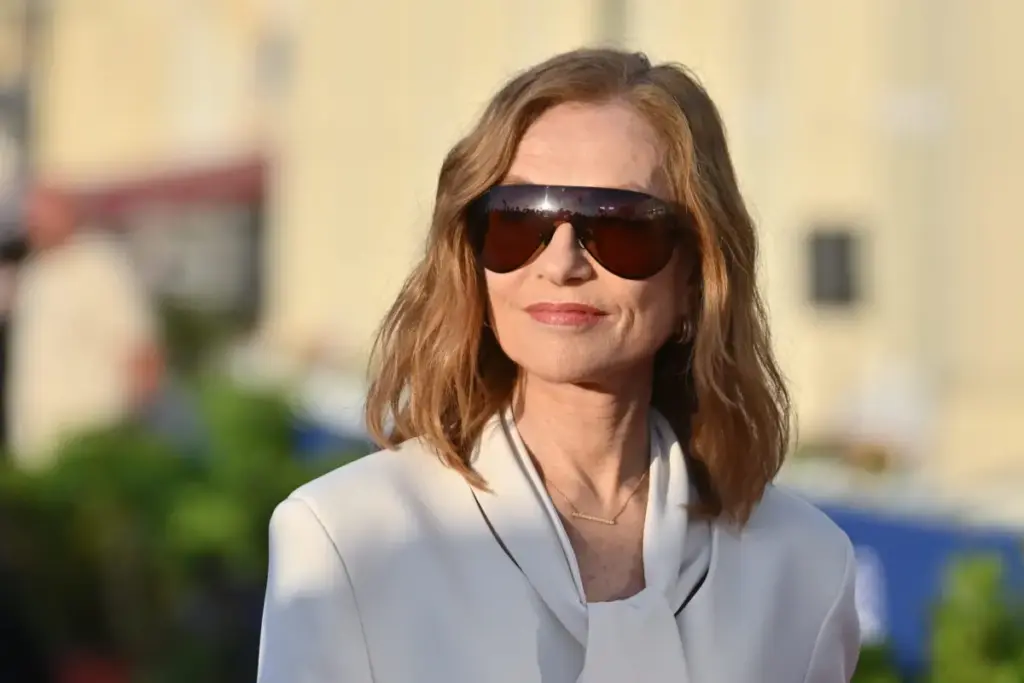
What elevates this length into quintessentially French territory is the addition of tousled, lived-in waves à la Isabelle Huppert. By curling the hair strictly from the mid-lengths downward—leaving the roots straight and natural—the style achieves an effortlessly relaxed, modern bounce.
Future Outlook
As the beauty industry continues its pivot toward hyper-personalization and authenticity, the dominance of French-inspired hair is poised to accelerate. The days of rigid, age-bracketed beauty rules are fading; in their place is an empowering philosophy that celebrates natural texture, structural ease, and personal confidence. For women over 50, adopting a French-inspired haircut is not merely an aesthetic choice—it is a lifestyle upgrade that champions effortless sophistication for decades to come.