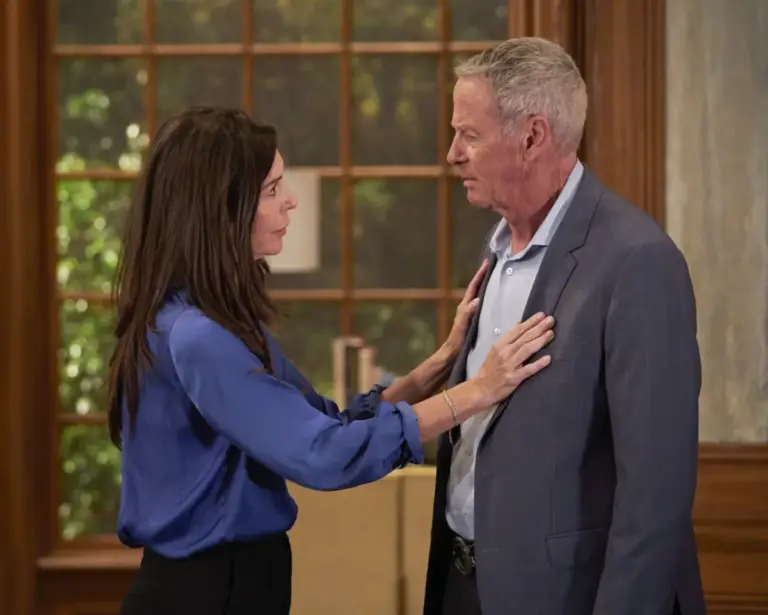
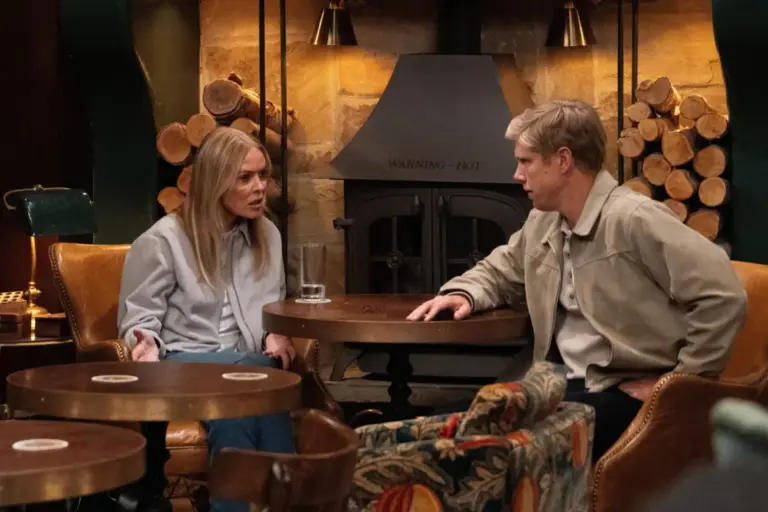
In a bold and deeply sensitive narrative shift, the BBC flagship soap opera EastEnders is set to launch a major, multi-month storyline exploring the harrowing realities of grooming and the abuse of power. Centred around the character Amy Mitchell—portrayed by Ellie Dadd—the plot delves into systemic manipulation, isolation, and control. Amy finds herself targeted by DC Craig Ingram, an adult figure she believes she can trust, played by former Hollyoaks star Matthew James-Bailey. Craig is introduced as a younger colleague of Jack Branning (Scott Maslen) at the local police station.
To ensure the utmost authenticity, emotional resonance, and ethical responsibility in handling such a delicate narrative, the EastEnders production team has collaborated extensively with prominent safeguarding charities. These include Barnardo’s and the End Violence Against Women (EVAW) Coalition, alongside specialized clinical and sociological experts.
The storyline is designed not merely for dramatic entertainment, but as an educational touchstone. It aims to dissect the subtle warning signs of predatory behavior, challenge prevailing societal myths regarding victims and perpetrators, and highlight the insidious nature of police-perpetrated abuse. By casting a spotlight on how positions of authority can be weaponized against vulnerable young people, the soap continues its long-standing tradition of using its massive platform to address real-world societal crises.
Detailed Chronology of the Plotline
The foundations for this dark storyline are rooted in a cascade of prior turbulent events in Amy Mitchell’s fictional life on Albert Square. Recently, Amy shocked viewers and characters alike by admitting responsibility for the violent attack on Joel. This confession placed the teenager in a state of intense psychological distress, plagued by fear of legal repercussions, public shaming, and the disappointment of her family.
Enter DC Craig Ingram. Capitalizing on Amy’s vulnerable emotional state, Craig strategically positions himself as an unexpected ally. He gains her trust by making a profound and illegal compromise: he agrees to keep her confession an absolute secret from the police force. To a terrified teenager, this deceitful act of "protection" feels like a lifeline, instantly establishing an asymmetrical dynamic where Amy believes Craig is the only person standing between her and utter ruin.
What Amy remains entirely unaware of is that Craig’s professional life is already unraveling behind the scenes. Unbeknownst to her and her family, Craig has been suspended from active public police duty following a series of internal complaints and behavioral concerns at work. Stripped of his legitimate authority yet clinging to the remnants of his status, Craig uses his background as a police officer to exert psychological control over Amy.
Over the coming months, the narrative will chart a slow-burn progression of grooming. Craig will systematically isolate Amy, manipulating her perception of reality and fostering an environment where she becomes entirely emotionally dependent on him. By gradually eroding her support networks and convincing her that he is the sole custodian of her secrets, Craig creates a dangerous trap. The storyline will ultimately reach a critical juncture, testing whether Amy’s family and friends can pierce through the web of deception before she faces severe, unchecked harm.
Supporting Context & Metrics: The Evolution of Amy Mitchell and Social Impact
The decision to execute a narrative of this gravity required careful logistical and creative planning, beginning years prior with the recasting of the role of Amy Mitchell.
The Evolution of a Character
For eight years, the character of Amy Mitchell was reliably portrayed by child actor Abbie Burke. However, as the character transitioned firmly into her teenage years, the writing team recognized a need to explore more mature, complex psychological and social issues. In 2022, Ellie Dadd stepped into the role to spearhead this transition. The recasting allowed the BBC production team to lean into grittier, issue-led storytelling that reflects the genuine pressures, vulnerabilities, and crises faced by modern adolescents.
The Sociological Reality of Grooming
The choice to partner with frontline advocacy groups is underscored by alarming sociological data regarding grooming and predatory behavior in the United Kingdom. According to child protection agencies like Barnardo’s, grooming is frequently misunderstood by the general public. Media tropes often depict predators as shadowy strangers lurking in public parks or online chat rooms, using overt force or immediate coercion.
In reality, sociological research and safeguarding case studies consistently demonstrate that:
The Familiarity Trap: A significant percentage of perpetrators are known to the victim or occupy positions of professional trust—including teachers, youth workers, sports coaches, and law enforcement officers.
The Absence of Stereotypes: Perpetrators do not fit a single physical or psychological profile, making them difficult for victims and bystanders to spot.
Gradual Coercion: Grooming rarely happens overnight; it is a calculated, incremental process of relationship-building that exploits a young person’s emotional needs, insecurities, or desire for acceptance.
Isolation Tactics: Victims are systematically cut off from traditional support systems (family, school friends, community groups) until the perpetrator becomes their singular reference point for safety and validation.
By focusing on a perpetrator embedded within a law enforcement context, EastEnders directly confronts the institutional dimensions of power imbalances, a theme of critical contemporary importance in British society.
Official Statements and Expert Insights
The collaboration between the BBC and leading support organizations has yielded profound insights into the necessity of this storytelling. Key stakeholders have shared statements emphasizing the weight of the narrative and its intended impact on the viewing public.
Ben Wadey, EastEnders Executive Producer
"When telling a storyline like Amy’s, we have a huge responsibility to highlight and raise awareness of the warning signs of grooming. We’re grateful to be working with Barnardo’s and End Violence Against Women to help us tell this story."
Lynn Perry, Chief Executive at Barnardo’s
"We welcomed the opportunity to provide expert advice on this storyline — which is a powerful reminder that there is no stereotypical victim or perpetrator of grooming. Young people from all walks of life can be targeted and fall victim to controlling behaviour — and many are often unaware that they are being groomed.
We hope this important storyline can highlight how subtle the signs of grooming can be and how it builds over time. To any viewers who recognise themselves in this story — who may be currently experiencing abuse or might have in the past — we hope this storyline shows you that the abuse was not your fault and we encourage you to seek support. We appreciate the writing team’s professional curiosity and determination to get this story right."
Janaya Walker, Interim Director at the End Violence Against Women Coalition
"We’re proud to have worked with the EastEnders team on this storyline about grooming and police-perpetrated abuse, which has been delivered with sensitivity and care. On-screen portrayals like this have the power to shift attitudes and increase understanding of abuse across society.
This storyline will help raise awareness about how those in a position of trust can abuse their power to target women and girls. We hope it can play an important role in making these experiences visible and help victims watching at home to understand that what happened to them was abuse, and to seek support."
Future Outlook: Impact on Albert Square and Audience Support
As this tense narrative unfolds across television screens over the coming months, its reverberations will undoubtedly reshape the dynamics within Albert Square. Characters such as Jack Branning—who harbors professional and personal ties to Craig—will eventually be forced to reckon with the horrifying realization of what has been happening under their noses. The fallout promises intense dramatic performances from Ellie Dadd, Matthew James-Bailey, and Scott Maslen.
Beyond the immediate dramatic payoff in Walford, the long-term success of the storyline will be measured by its real-world impact. Soap operas in the UK have a proven track record of serving as vital conduits for social change, frequently witnessing surges in helpline calls and support requests when tackling taboo or hidden subjects.
BBC executives and charity partners have ensured that comprehensive signposting and support resources will accompany every broadcast episode. Viewers affected by the themes of grooming, emotional abuse, or exploitation are consistently directed toward specialized services such as Barnardo’s, Childline, and the National Domestic Abuse Helpline.
By refusing to shy away from uncomfortable truths, EastEnders continues to cement its role not merely as a staple of British entertainment, but as a cultural barometer capable of fostering empathy, breaking down stigma, and potentially saving lives through awareness.