Executive Overview
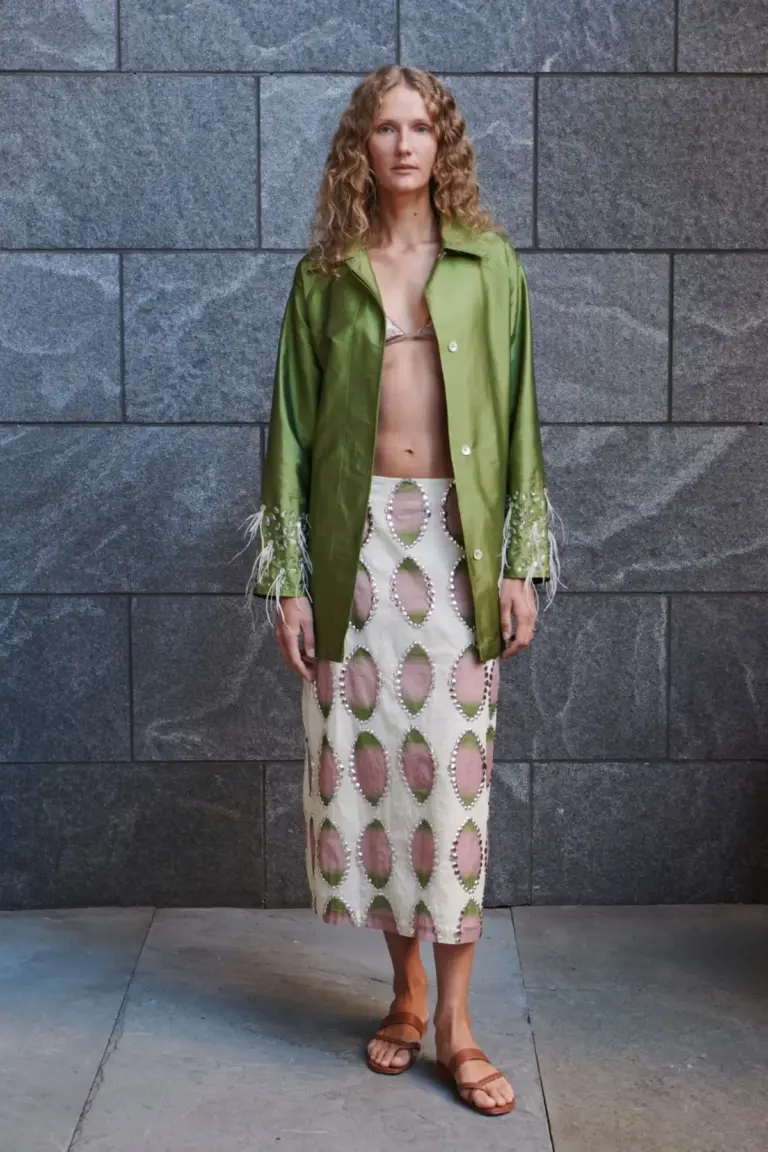
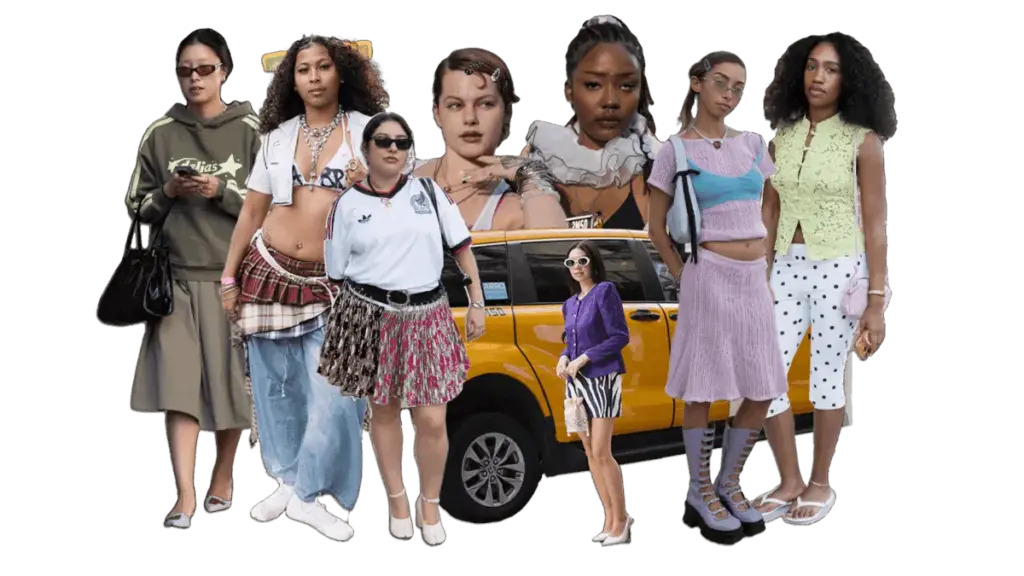
As the curtains draw to a close on another high-octane iteration of New York Fashion Week (NYFW), the industry is left to sift through an overwhelming deluge of visual stimuli, aesthetic critiques, and cultural postmortems. While the official runways dictate the macro-trends for the upcoming seasons—showcasing meticulously tailored silhouettes, avant-garde fabrications, and conceptual design languages—the real pulse of fashion week continues to beat relentlessly on the pavement outside.
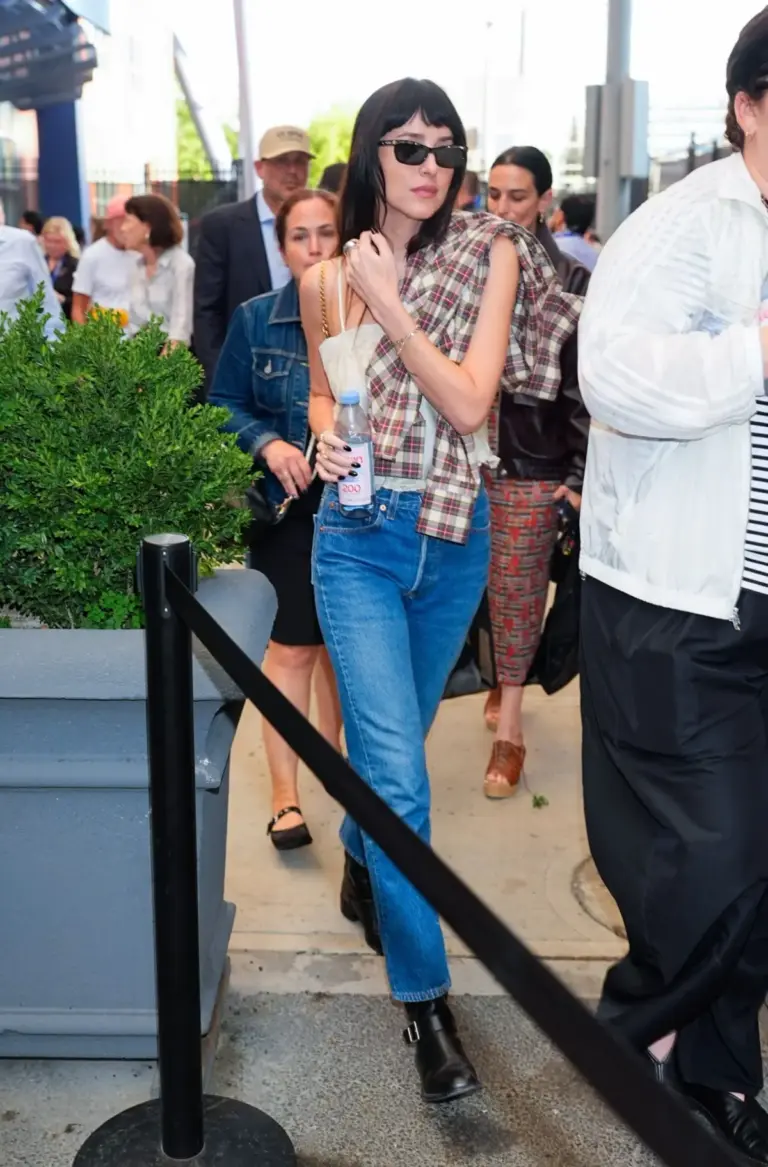
This season, street style photographer Emily Malan stepped outside the velvet ropes and security checkpoints to capture more than just striking silhouettes and meticulously curated layering. Embarking on an investigative project of style sociology, Malan engaged directly with the attendees, creatives, and culture-shapers populating the concrete runways of Manhattan and beyond. The resulting discourse strips away the corporate veneer of modern fashion month, exposing an underlying tension between authentic creative expression and the hyper-commercialized, influencer-saturated ecosystem that has come to dominate contemporary style events.

From candid complaints about algorithm-driven afterparty guest lists and the exhaustion of omnipresent content-creation tripods, to fierce debates over polarizing footwear choices like tabi boots and the corporate homogenisation of campus styles, the voices of NYFW attendees paint a vivid, unvarnished portrait of an industry at a crossroads. This comprehensive report explores the multifaceted reality of New York Fashion Week, analyzing street-level sentiment, structural shifts in presentation formats, and the socio-cultural shifts redefining what it means to participate in the global fashion conversation today.
Detailed Chronology: The Arc of a Hyper-Visible Week
The lifecycle of New York Fashion Week has evolved far beyond a localized trade event; it is now a sprawling, multi-week cultural phenomenon that transforms the geography of New York City. To understand the street style sentiment of this season, one must map out the chronological arc of energy, fatigue, and discourse that defines the week.

Phase 1: Anticipation and the Lower Manhattan Epicenter
The week kicks off with a surge of kinetic energy concentrated heavily in traditional Lower Manhattan strongholds like SoHo, Tribeca, and the standard institutional venues. Early arrivals, eager to make a sartorial statement, deploy high-concept looks that balance transitional weather with transitional trends. However, this early-week enthusiasm is frequently tempered by logistical friction. As Keziah, 21, pointed out during street interviews, a persistent structural critique of NYFW is its geographical elitism: "NYFW shouldn’t center around Lower Manhattan."
By anchoring the majority of activations, shows, and street-style spectacles within a hyper-gentrified, highly saturated urban core, the event risks alienating the broader boroughs and creative communities that fuel New York City’s cultural engine. Despite these geographic bottlenecks, early-week street style showcased an intense desire for individuality. Veterans and first-time attendees alike used the initial days to test bold outerwear, intricate layering, and polarizing accessories before the physical exhaustion of the marathon set in.

Phase 2: Mid-Week Fatigue and Aesthetic Saturation
As the calendar hits its midpoint, the exhaustion of the "aura-farming" circuit becomes palpable. The sidewalks transform into obstacle courses of social media equipment. As Katrina Ariana, 25, bluntly observed, "No more tripods on every corner," capturing a widespread weariness regarding the hyper-performative nature of modern event attendance.
Mid-week also brings an influx of corporate activations and brand pop-ups that crowd the urban landscape. Ruth Ann, 29, offered a sharp critique of this commercial creep, noting, “Not every brand needs a pop-up… <3.” This sentiment reflects a growing exhaustion with experiential marketing masquerading as authentic cultural contribution. Attendees noted that the sheer volume of superficial brand touchpoints dilutes the artistic integrity of the week, turning historic neighborhoods into corporate showrooms.

Simultaneously, stylistic fatigue sets in. The proliferation of uniform dressing—typified by Oliver, 18, who critiqued "the all-lulumelon, bright neon clothes look, lol"—highlights a schism between genuine avant-garde experimentation and safe, algorithm-optimized lifestyle branding.
Phase 3: The Afterparty Circuit and the Crisis of Curation
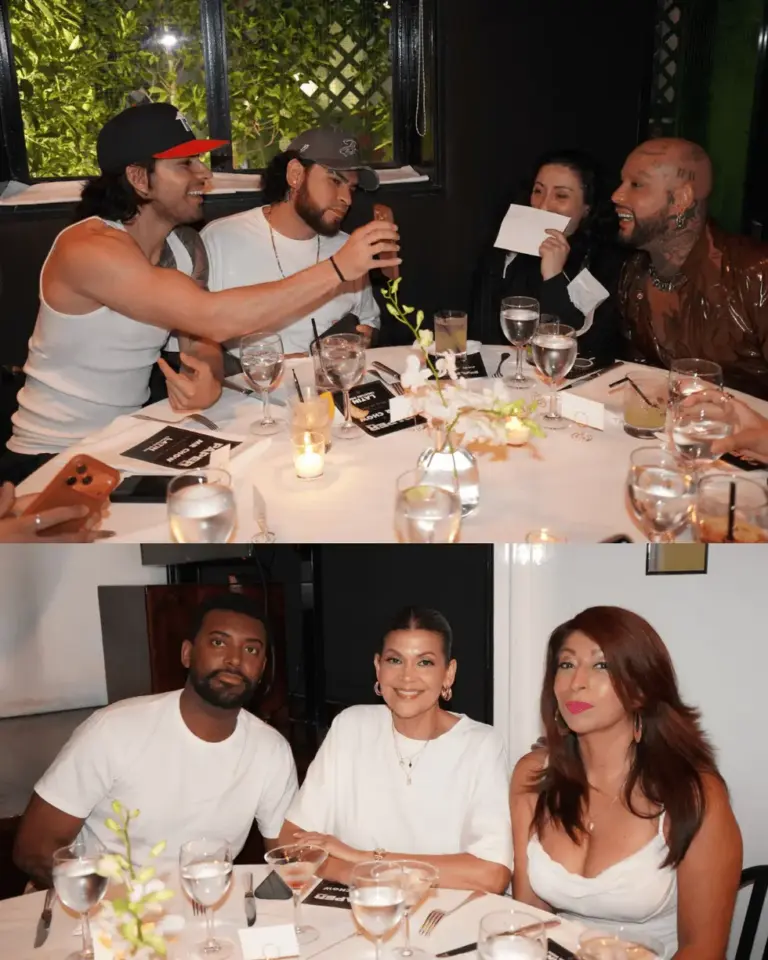
The climax of NYFW occurs after dark, moving from the tents and warehouse venues to exclusive nightlife destinations. Yet, this season’s afterparty circuit faced severe pushback from its most vital demographic: the dancers and culture-makers.

Julia, 23, articulated a widespread critique of modern nightlife curation: "Afterparty guest lists are way too focused on social media, and therefore all the same type of people are at the parties, aka no dancing." This algorithm-driven curation prioritizes follower counts and aesthetic homogeneity over raw energy, creating rooms populated by passive content consumers rather than active participants. Milei, 24, echoed this demand for kinetic release with the simple, urgent plea: "Neeeed more dancing." Kayla, 27, further dismantled the performative nature of contemporary socialization, asking, "Why are we standing around aura farming?! I love to get the dance floor going."
Supporting Context & Metrics: Analyzing the Street-Level Discourse
To fully grasp the weight of these street-level critiques, it is essential to contextualize them within broader metrics of industry transformation. The intersection of Gen-Z perspectives, millennial exhaustion, and regional creative collectives reveals a deep ideological divide in how fashion is consumed, validated, and performed.

The Generational Schism: Authenticity vs. Imitation
A recurring theme in Emily Malan’s interviews was the tension between genuine self-expression and calculated imitation. Ricky, 18, provided a razor-sharp industry critique: "A lot of people faking creativity. Inspiration is fine, mimicking is lame." This sentiment resonates deeply within a digital ecosystem where micro-trends cycle at breakneck speeds, often reducing complex design philosophies into flattened, mass-market TikTok aesthetics.
Conversely, regional collectives are stepping up to reclaim a sense of collective authenticity. Robyn, 25, highlighted the power of communal identity: "I love seeing young people from all over the world come together to celebrate and express their authenticity as a collective through fashion! The Detroit creative community, specifically, always moves as a unit. It’s awesome." Ravyn, 25, added nuance to this observation, noting, "The authenticity is loud and so are the people trying to find themselves." This interplay between established regional brotherhoods and individual identity-seeking forms the psychological backdrop of today’s street style.

Polarizing Footwear and Aesthetic Polarization
Footwear choices served as major lightning rods for debate this season, acting as physical manifestations of deeper stylistic philosophies. On one side of the spectrum, Hope, 25, delivered a poetic, punchy indictment of hoof-inspired footwear: "Hoof shoes hurt my feelings." Meanwhile, Brooke, 30, took direct aim at an enduring avant-garde staple, stating, "Tabis should have been kept in the past."
These reactions highlight a growing pushback against overly conceptual or internet-infatuated design tropes that prioritize shock value over wearable elegance or intuitive comfort. On the decorative front, opinions on embellishment were sharply divided. Zasia, 23, demanded more maximalist flair—"Not enough bedazzle"—while Giannie, 25, stood on the opposite end of the spectrum, countering with a fatigued "Too much bedazzle." This ideological tug-of-war between minimalism, maximalism, and ironic styling choices demonstrates that the consumer base is far from monolithic; rather, it is fragmented into warring camps of aesthetic preference.

Official Statements and Insider Perspectives
While street style participants offered unfiltered critiques, attendees with deeper industry insights provided nuanced perspectives on the structural evolution of the fashion week calendar itself.
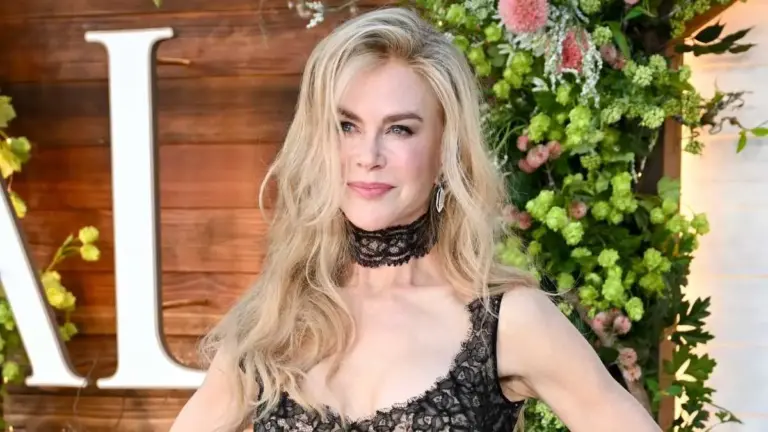
Emily, 27, noted a significant shift in the overarching tone of the event: "This NYFW feels more old school and more about the fashion. For example, Ralph Lauren is back and there’s more celebrities around." This observation points to a dual phenomenon: the return of heritage American luxury houses anchoring the schedule, coupled with an intensified star-wattage strategy designed to capture traditional media attention alongside digital impressions.

However, Summer, 21, offered a tempering reality check to this optimism, observing that "There’s an abundance of influencers and it can definitely be overwhelming." The democratization of fashion week—while opening doors for independent creators—has simultaneously created an environment of sensory overload, where the signal-to-noise ratio heavily favors spectacle over substance.
Institutional accessibility also emerged as a point of contention for dedicated patrons. Regan, 27, put forward a radical democratic proposal for brand relations: "The invites to Fashion Week should go to the most loyal customers." By prioritizing long-term brand equity and consumer loyalty over short-term social media reach, Regan’s perspective challenges the foundational marketing logic that currently dictates front-row seating charts.

On the presentation front, Kimberly, 23, praised the inventive ways brands are breaking free from traditional runway constraints: "I love that they’re adding creative presentations, like Moncler’s recently. The use of the city as your stage is so fun to me [like for Michael Kors, KidSuper, and Thom Browne]." By transforming urban architecture into immersive theatrical backdrops, these houses successfully re-engage the city itself, bridging the gap between exclusive runway presentations and public-facing cultural experiences.
Future Outlook: Whither New York Fashion Week?
As New York Fashion Week wraps up and editors, buyers, and street style photographers unpack their archives, the overarching mandate for the future is clear: evolution or irrelevance.

The collective feedback gathered by Emily Malan signals that the traditional fashion week model—built around exclusive guest lists, corporate pop-up saturation, and algorithm-pandering afterparties—is facing a profound crisis of authenticity. The modern consumer, particularly within the younger creative demographics that drive street-level trends, is increasingly intolerant of gatekeeping, performative socialization, and derivative design.
Moving forward, the success of NYFW will likely hinge on several critical structural adjustments:

- Geographic Diversification: Moving activations beyond the confines of Lower Manhattan to truly engage the diverse creative ecosystems spanning all five boroughs.
- Democratization of Access: Shifting seating and invitation metrics to honor genuine brand loyalty and community contribution rather than purely transactional follower counts.
- Revitalizing Nightlife: Re-centering afterparties around inclusive, high-energy spaces that prioritize dancing and organic connection over static, photo-op-driven networking.
- Substance Over Spectacle: Curbing the proliferation of superficial pop-ups and tripod-heavy street obstructions in favor of immersive, thoughtful artistic presentations that respect the urban fabric of New York City.
Ultimately, as Julia, 28, so aptly reminded the crowd: "Honestly, just wear what makes you feel like you, and sparkle and whimsy it up to your liking." Amidst the corporate sponsorships, influencer fatigue, and shifting aesthetic tides, the true enduring spirit of New York Fashion Week remains rooted in radical, unapologetic self-expression.