Executive Overview
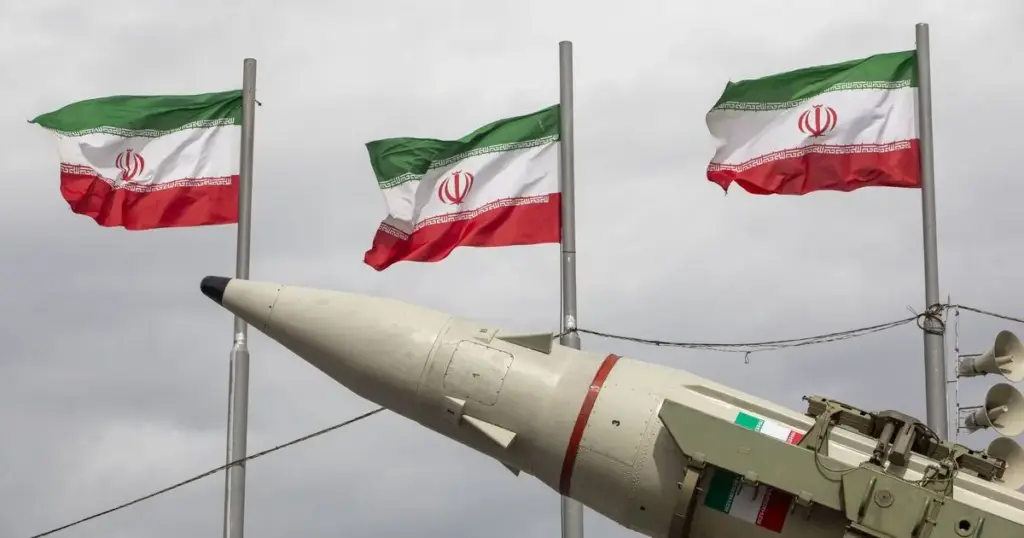
Tensions in the Persian Gulf have reached an alarming inflection point as the Iranian Navy issued a sweeping and unprecedented directive ordering all oil tankers in the maritime sectors near Kuwait and Bahrain to evacuate immediately. The broadcasted warning from Iranian state television signals a severe escalation in the ongoing regional conflict, raising the specter of widespread disruptions to global energy supplies and maritime trade through vital Middle Eastern choke points.
The directive follows a dramatic exchange of kinetic military actions over the past week, marked by US military strikes targeting Iranian energy infrastructure near Kharg Island and Jask, as well as reported missile and drone activity over Kuwaiti airspace. Tehran has framed its retaliatory postures as a direct response to what it calls the "atrocities of the US terrorist army" for targeting Iranian oil tankers. Meanwhile, regional actors are working on high alert to defend against incoming threats, and the Islamic Revolutionary Guard Corps (IRGC) continues to project power through naval interceptions in the Strait of Hormuz.
This comprehensive report examines the sequence of events driving the current crisis, analyzes the military and economic stakes involved, contextualizes the strategic importance of the contested waterways, and evaluates the potential fallout for international security and global energy markets.
Detailed Chronology of the Escalation
The latest spiral of hostility represents a dangerous escalation in a long-simmering geopolitical rivalry that has periodically erupted into open confrontation. The current flashpoint developed rapidly over a series of days, moving from localized naval skirmishes to a broader threat matrix encompassing regional airspace and critical commercial shipping lanes.
Weekend Engagements and the Kharg Island Strikes
The sequence of events intensified over the weekend when United States military forces launched targeted air and missile strikes against Iranian energy assets. According to defense reports, US forces targeted positions near Kharg Island—Iran’s primary oil export terminal—and the coastal area of Jask.
The strike strategy aimed to cripple logistical and economic nodes linked to the Islamic Revolutionary Guard Corps (IRGC). The IRGC-affiliated Tasnim news agency confirmed that an Iranian oil tanker was struck by a missile approximately four miles off the coast of Kharg Island. While initial assessments indicated no casualties resulting from the vessel strike, the psychological and strategic impact on Tehran was immediate.
US defense officials defended the weekend operations as necessary defensive measures following hostile actions directed at US Navy warships operating in international waters. Washington maintains that its forces acted proportionately to degrade capabilities utilized by Iranian forces to threaten freedom of navigation.
The Seizure of the Unmanned Submarine
Adding to the maritime friction, the IRGC claimed a significant tactical coup in the Strait of Hormuz. Iranian state media announced that naval forces had intercepted and seized one of the United States military’s most advanced unmanned underwater vehicles (UUVs).
According to the IRGC statement, the high-tech vessel was captured via a "complex intelligence and operational action" at the strategic gateway connecting the Persian Gulf to the Gulf of Oman. The capture of sensitive autonomous naval technology marks a serious security breach for the US Navy, which increasingly relies on unmanned systems for surveillance and intelligence-gathering in hostile maritime zones.

Air Defense Activations in Kuwait
The fallout from the escalating tit-for-tat dynamic quickly spilled over into neighboring Gulf states. Kuwaiti authorities reported last week that their national air defense networks were actively engaged in confronting "hostile missile and drone attacks."
Kuwaiti officials attributed these aerial incursions to the fallout from "sinful Iranian aggression" and subsequent military exchanges in the region. The General Staff of the Kuwaiti Army issued a public advisory noting that any loud explosions heard across the country were the result of domestic air defense batteries successfully intercepting incoming airborne threats. Citizens and residents were strongly urged to adhere to strict safety guidelines issued by competent security authorities.
The Evacuation Ultimatum
Following the strikes on Kharg Island and Jask, Tehran escalated its rhetoric into a direct threat against international commercial shipping. Iranian state television broadcasted an explicit warning targeting maritime operations in proximity to US military installations in the Gulf:
"All oil tankers in the Kuwait and Bahrain area must be evacuated immediately. Given the atrocities of the US terrorist army in targeting several Iranian oil tankers, we warn all oil tanker crews in the vicinity of the Kuwaiti and Bahraini ports—which host these terrorists and are complicit in their crimes—to immediately abandon their vessels, whether at anchor or alongside the docks, as they will be targeted."
This ultimatum places thousands of civilian mariners and billions of dollars in commercial assets directly in the crosshairs of the widening conflict. Furthermore, Iran’s top security officials have signaled that a new, legally unrecognized restricted zone outside the Strait of Hormuz will be unilaterally declared in the coming days, compounding anxieties across global shipping and energy markets.
Supporting Context & Strategic Metrics
To fully understand the gravity of the current crisis, one must examine the geopolitical geography and economic significance of the theater in which these developments are unfolding.
The Strategic Value of Kharg Island
Kharg Island is the beating heart of Iran’s petroleum export economy. Located in the northeastern Persian Gulf about 25 kilometers off the Iranian coast, the island handles roughly 90% of Iran’s crude oil exports. Its network of pipelines, storage tanks, and deep-water jetties makes it an irreplaceable asset for Tehran’s state budget. Targeting Kharg Island is viewed by Iranian leadership as an existential economic provocation, virtually guaranteeing a severe symmetric or asymmetric retaliation by the Iranian military apparatus.
The Choke Point: Strait of Hormuz
The Strait of Hormuz remains the world’s most critical energy transit chokepoint. At its narrowest point, the shipping lane is just 21 miles wide, with inbound and outbound traffic lanes separated by a mere two-mile buffer zone.
[Persian Gulf] ---> [Strait of Hormuz (21 miles wide)] ---> [Gulf of Oman / Open Ocean]
         |                                           |
    Kharg Island                              Kuwait & Bahrain
    (US Strikes)                           (Iranian Evacuation Threat)
Roughly a fifth of the world’s petroleum consumption passes through this narrow maritime corridor daily. Any military conflict that threatens to close the strait, mine its waters, or deter commercial tanker traffic triggers immediate shocks to global crude oil prices, insurance premiums, and supply chain stability.

The Role of US Forces in Kuwait and Bahrain
Kuwait and Bahrain host significant American military infrastructure, which plays a central role in regional security architecture:
- Bahrain: Serves as the operational headquarters for the United States Navy’s Fifth Fleet, making it the primary hub for naval command, control, and logistics across the Middle East.
- Kuwait: Houses vital logistical staging grounds and air installations that support US Central Command (CENTCOM) operations in the northern Gulf sector.
By framing Kuwaiti and Bahraini ports as complicit in US military actions, Tehran is attempting to wedge regional host nations away from their American security partners, leveraging the threat of collateral damage to fracture regional stability.
Official Statements and Diplomatic Reactions
The international community has responded to the escalating crisis with deep concern, balancing urgent calls for de-escalation with defensive postures to protect sovereign assets and trade routes.
- Tehran’s Position: The Iranian government and the IRGC have maintained a defiant posture, framing their actions as legitimate acts of self-defense and anti-imperialist resistance. Iranian military spokespersons have reiterated that any state facilitating US military operations in the region will be treated as an active participant in hostile acts against the Islamic Republic.
- Washington’s Stance: The United States Department of Defense has emphasized its unwavering commitment to freedom of navigation and the defense of regional allies. US officials maintain that operations targeting Iranian assets were calibrated to deter further aggression and dismantle infrastructure used to threaten international shipping.
- Regional Responses: Authorities in Kuwait, Bahrain, and other Gulf Cooperation Council (GCC) member states have activated enhanced defensive protocols. Diplomatic channels are reportedly working overtime to prevent a catastrophic miscalculation that could draw neighboring countries into a full-scale regional war. Major shipping associations have begun issuing independent risk advisories, urging commercial vessels to exercise extreme caution or reroute entirely away from high-threat zones.
Future Outlook and Market Implications
As the region moves deeper into uncharted waters, analysts and industry experts are assessing several potential trajectories for the conflict:
1. Risk of Miscalculation
With Iranian naval units on high alert, US warships patrolling contested waters, and arbitrary evacuation orders hanging over commercial tankers, the risk of an accidental skirmish is dangerously high. A single misidentified contact or intercepted drone could ignite a wider conflagration before diplomatic mechanisms have time to intervene.
2. Economic and Energy Shockwaves
Energy markets have already begun pricing in elevated geopolitical risk. Even minor disruptions to tanker traffic near Kuwait and Bahrain, combined with the threatened restrictions outside the Strait of Hormuz, threaten to drive up global crude prices. Insurance underwriters are expected to re-evaluate risk profiles for the Persian Gulf, potentially pushing war-risk insurance premiums to prohibitive levels and forcing commercial operators to idle vessels.
3. Asymmetric Responses and Cyber Warfare
Beyond conventional naval threats, intelligence agencies are bracing for potential Iranian asymmetric countermeasures. This could include intensified cyber attacks targeting critical infrastructure—such as water, power, and financial systems—across Gulf states, as well as covert operations directed against maritime and aviation nodes.
Conclusion
The ultimatum issued by Iran’s Navy marks a critical test of wills between Tehran and Washington, with regional stability hanging in the balance. As military assets reposition and commercial mariners weigh the risks of operating in a localized war zone, the international community faces an urgent imperative to establish effective de-escalation channels. Without meaningful diplomatic intervention, the cycle of retaliation threatens to engulf the Persian Gulf in a protracted crisis with global ramifications.