Executive Overview
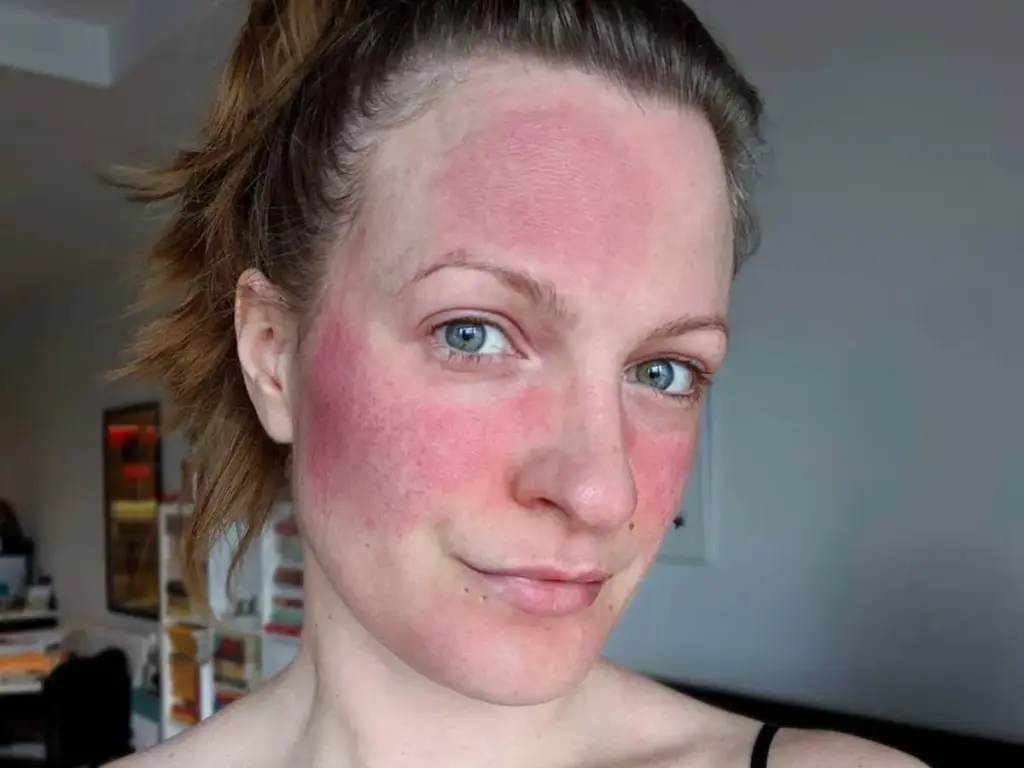
For millions of people worldwide, waking up to a flushed, burning complexion is not merely the result of a brisk morning walk or an intense gym session; it is the daily reality of living with rosacea. Characterized by persistent facial redness, visible blood vessels, and inflammatory flare-ups resembling acne, rosacea is a chronic, often misunderstood dermatological condition that extends far beyond the surface of the skin.
Historically under-discussed and frequently mismanaged—both by patients and primary care physicians—rosacea carries a profound psychological and emotional toll. For decades, those affected navigated a landscape devoid of accessible digital support communities, relying instead on trial-and-error home remedies, harsh prescription topicals that frequently exacerbated symptoms, and a deep-seated sense of isolation.
Today, however, the cultural conversation surrounding skin conditions is undergoing a seismic shift. Driven by dermatological advancements, a burgeoning online community of advocates, and a collective movement toward skin normalization, patients are reclaiming control over their diagnoses. This investigative feature explores the clinical realities of rosacea, traces the personal journey of living with the condition from silent suffering to vocal advocacy, breaks down expert-backed treatment modalities, and highlights the curated skincare regimens making symptom management possible.
Detailed Chronology: A Personal Journey Through Undiagnosed Rosacea
To understand the pervasive impact of rosacea, one must examine its trajectory from its earliest, most elusive manifestations. Long before receiving a formal medical diagnosis, many individuals experience years of unexplained vasomotor instability—commonly known as flushing.
Childhood and Academic Years: The Hidden Flushes
In youth, persistent facial redness is frequently dismissed as harmless blushing, sun sensitivity, or youthful athleticism. For many who go on to develop rosacea, school sports teams brought an inevitable wave of deep crimson across the cheeks and forehead, accompanied by burning heat. Because genetic predispositions often link family members with similar ruddy complexions, the phenomenon is initially normalized rather than investigated.
As academic environments transition into higher education and late-night social scenes, the physical manifestations often intensify. The physiological interplay of alcohol consumption, environmental heat, academic anxiety, and dietary triggers can transform a casual evening out into an exercise in discomfort. Simple moments—such as running late for a lecture, experiencing a rush of public speaking anxiety, or enjoying a casual meal with roommates—frequently trigger intense vasomotor responses. For the uninitiated, these episodes are met with frantic pitstops in campus restrooms, desperate attempts to cool the skin with cold tap water, and the lingering, throbbing pulse of inflammation. Post-meal flare-ups, characterized by swollen facial contours and sudden pustular breakouts following rich or processed foods, add another layer of confusion.
The Misdiagnosis and the Medical Void
Given the absence of classic adolescent acne, many young adults with emerging rosacea assume they have "good skin," entirely lacking a formal skincare routine. When the skin suddenly reacts with persistent redness, heat, and inflammatory lesions, the natural assumption points toward temporary contact dermatitis, an allergic reaction, or a transient infection.
The shock arrives inside the doctor’s office. A brief consultation often culminates in a disheartening conclusion: "It’s rosacea, and there is no cure."
Historically, the immediate post-diagnostic phase has been marked by profound isolation. Patients frequently leave clinical settings clutching harsh, alcohol-based or intensely active topical gels that burn upon application, intensifying the inflammation. Compounding the physical discomfort is a pervasive psychological dismissal—the underlying message that a chronic cosmetic concern does not warrant extensive clinical empathy.
The Digital Renaissance: Finding Community
In the early 2000s, before social media algorithms, dermatological beauty content, and dedicated skin-fluencers demystified chronic conditions, finding reliable information required independent sleuthing. Isolated patients turned to early online message boards and international forums, where everyday individuals shared their individual trials, errors, and symptom triggers. Discovering that others experienced the exact same nocturnal burning, spontaneous flushing, and product intolerances marked the beginning of a lifelong journey toward trigger identification and skin stewardship.
Supporting Context & Metrics: Unpacking the Pathology of Rosacea
To treat rosacea effectively, one must look beyond the physical symptoms and examine the underlying dermatological mechanisms.
What is Rosacea?
According to leading dermatologists, rosacea is a chronic inflammatory skin condition primarily affecting the central face. It is characterized by frequent blushing, persistent erythema, telangiectasia (visible dilated blood vessels), and inflammatory papules or pustules. While it can manifest across diverse skin tones—though often presenting differently in patients of color—it most frequently emerges during a person’s 30s and is statistically prevalent among individuals with lighter skin types.
Subtypes of Rosacea
Clinical classification systems divide rosacea into four primary subtypes, which can often overlap within a single patient:
- Erythematotelangiectatic Rosacea (ETR): Characterized by persistent central facial redness, flushing tendencies, and visible, thread-like blood vessels.
- Papulopustular Rosacea: Often mistaken for adult acne, this subtype features persistent redness accompanied by acne-like papules and pustules.
- Phymatous Rosacea: A rarer, more advanced form involving skin thickening and irregular surface nodularities, most commonly affecting the nose (rhinophyma).
- Ocular Rosacea: Involves inflammation of the ocular region, leading to burning, gritty sensations, dry eyes, and swollen eyelids.
Key Trigger Factors
Managing rosacea requires identifying and mitigating individual triggers. Clinical consensus highlights several universal catalysts that provoke blood vessel dilation and neurovascular hyperactivity:
- Environmental Factors: Ultraviolet (UV) radiation, high winds, rapid temperature shifts, and extreme cold or heat.
- Lifestyle & Stress: High-intensity exercise, chronic psychological stress, and anxiety-induced adrenaline spikes.
- Dietary Stimulants: Caffeine, hot beverages, alcohol (particularly red wine), and spicy foods containing capsaicin.
Official Statements & Expert Insights: Clinical Approaches to Treatment
Navigating rosacea successfully requires a collaborative relationship between the patient and an informed dermatologist. Modern medical science offers an expansive toolkit designed to suppress inflammation and strengthen compromised skin barriers.
Medical Interventions
Dr. Justine Kluk, a prominent consultant dermatologist, emphasizes that managing rosacea involves a multi-pronged approach tailored to the specific subtype:
- Vascular and Flushing Control: For patients suffering primarily from severe flushing and vasomotor instability, clinicians occasionally turn to systemic options historically utilized for anxiety or menopausal symptoms, such as low-dose beta-blockers or clonidine. Topically, specialized gels like brimonidine work by constricting dilated facial blood vessels to rapidly diminish surface redness.
- Anti-Inflammatory Topicals: Redness and papulopustular breakouts are frequently managed using prescription-strength azelaic acid, metronidazole, or newer agents such as topical ivermectin, which targets follicular mites (Demodex), known to populate in higher concentrations on rosacea-affected skin.
- Advanced Procedural Care: When topical and systemic pharmaceuticals reach their threshold, visible vascular networks (telangiectasias) and persistent tissue thickening can be effectively addressed using advanced vascular lasers, such as pulsed-dye lasers (PDL) and intense pulsed light (IPL) therapy.
The Holistic Lifestyle Pivot
Beyond pharmaceuticals, long-term management demands a holistic reevaluation of daily habits. Over decades of personal adaptation, many long-term advocates for rosacea awareness have restructured their daily lives:
- Dietary Modifications: Minimizing systemic inflammation through reduced alcohol consumption, lower dairy intake, and decreased refined sugar.
- Thermal Regulation: Avoiding hot showers, steaming baths, saunas, and excessive heat styling that can instantly trigger a vascular flush.
- Mental Health Integration: Acknowledging the profound psychological interplay between stress and skin reactivity. Developing healthy coping mechanisms for professional and social anxiety directly correlates with a reduction in stress-induced flare-ups.
The Modern Skincare Regimen: Science Meets Sensitivity
Because rosacea is frequently accompanied by a compromised skin barrier—and in many cases, overlapping conditions like seborrheic dermatitis—skincare routines must prioritize gentle hydration, barrier repair, and minimalist formulations.
The Evening Protocol: Simplicity and Consistency
An evening routine for reactive skin must effectively cleanse and nourish without stripping natural lipids or generating thermal friction.
- Gentle Cleansing: Utilizing a milky or fluid cleanser, such as La Roche-Posay Toleriane Reinigungsfluid, removes environmental debris and makeup without leaving the skin feeling tight, hot, or stripped.
- Hydration Layering: Applying a humectant serum, such as La Roche-Posay Hyalu B5 Serum, draws moisture into the deeper epidermal layers to plump and soothe dehydrated skin.
- Barrier-Supporting Moisturization: Sealing hydration with a minimalist, non-comedogenic fluid, such as La Roche-Posay Toleriane Sensitive Fluid, provides essential lipid replenishment.
- Targeted Anti-Aging (With Caution): As skin matures, incorporating active ingredients like retinoids requires immense caution. While vitamin A derivatives can transform skin texture, rosacea-prone skin is easily irritated by aggressive formulations. Transitioning to slow-release, low-concentration retinols—such as Medik8 Crystal Retinal—allows for cellular turnover without triggering widespread peeling and inflammatory flare-ups.
Emergency Care for Flare-Ups
When a flare-up occurs and the skin feels intensely hot or irritated, specialized emergency products offer immediate relief:
- Anti-Itch & Cooling Sprays: Formulations like Bioderma Atoderm SOS Spray can be deployed throughout the day to curb immediate surface discomfort and itching.
- Refrigerated Therapeutic Masks: Keeping soothing treatments, such as SkinCeuticals Phyto Corrective Masque, in the refrigerator provides an instant thermal drop, calming tight, burning tissue upon application.
- The Ultimate Barrier Repair: Products rich in panthenol and madecassoside, such as La Roche-Posay Cicaplast Baume B5+, serve as a gold standard for repairing compromised skin barriers, easing tightness, and accelerating the healing of irritated skin.
Future Outlook: Normalizing Atypical Skin
While a definitive biological cure for rosacea remains elusive, the outlook for individuals living with the condition has never been more promising. Advances in dermatological pharmacology, laser technology, and barrier-repair science mean that rosacea is no longer an insurmountable barrier to confidence.
Equally important is the ongoing cultural evolution within the beauty and wellness industries. The rise of digital advocacy—through dedicated blogs, social media education, and open community dialogues—has dismantled the stigma historically attached to chronic skin conditions.
Living with rosacea does not require hiding behind heavy layers of color-correcting makeup or shrinking away from social engagement. Atypical skin does not define an individual’s character, professional capability, or personal worth. By fostering transparency, prioritizing clinical education, and shifting the cultural narrative toward total skin normalization, patients are stepping out from the shadows—proving that while rosacea may be a part of their skin’s story, it will never dictate how brightly they live it.