Executive Overview
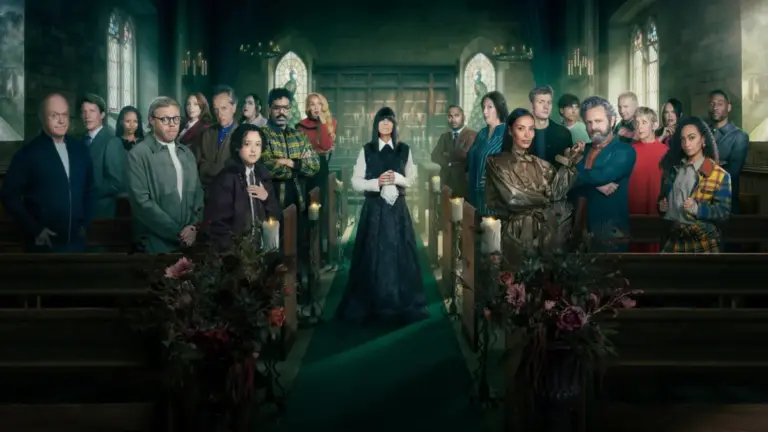
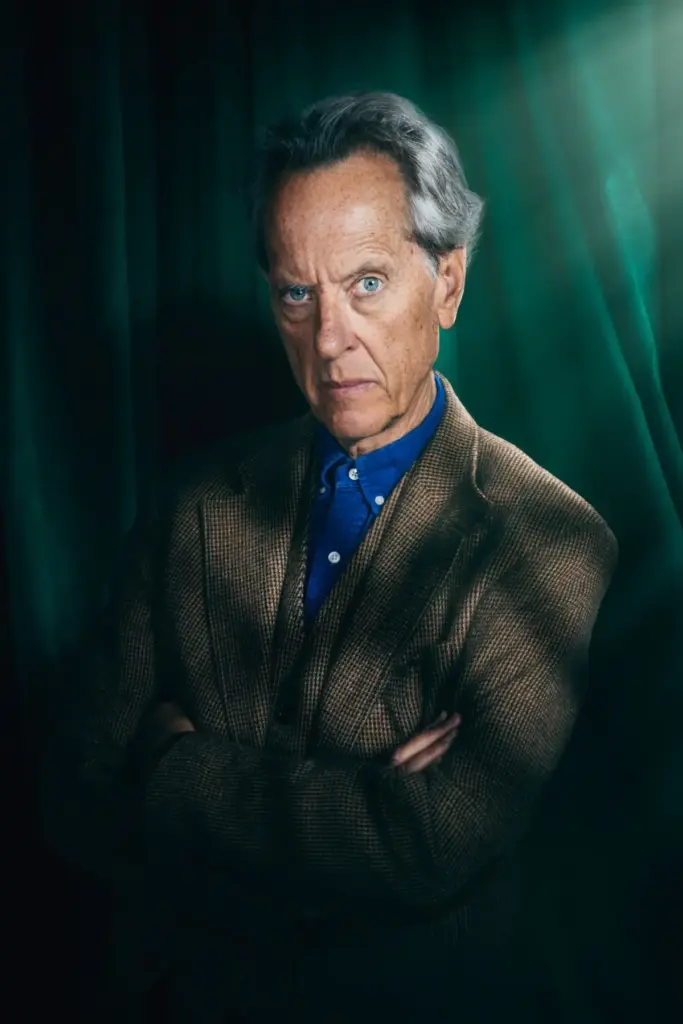
Television history was rewritten inside the imposing stone walls of Ardross Castle during the explosive opening episode of Celebrity Traitors Series 2. In a game built on deception, psychological warfare, and calculated paranoia, the cardinal rule of survival is deceptively simple: protect your identity at all costs. Yet, within moments of being handpicked as a Traitor by host Claudia Winkleman, acclaimed Oscar-nominated actor Richard E. Grant committed what can only be described as the most catastrophic, astonishing, and inexplicable blunder in the history of the global franchise.
Without irony, sarcasm, or visible coercion, Grant casually informed a room full of unsuspecting Faithful that he was, in fact, a Traitor.
What followed was not an immediate banishment, but rather a surreal masterclass in psychological denial. Rather than accepting the confession at face value, half of the castle’s celebrity cohort convinced themselves that the Withnail and I star was simply playing an eccentric, hyper-advanced meta-game that defied human logic.
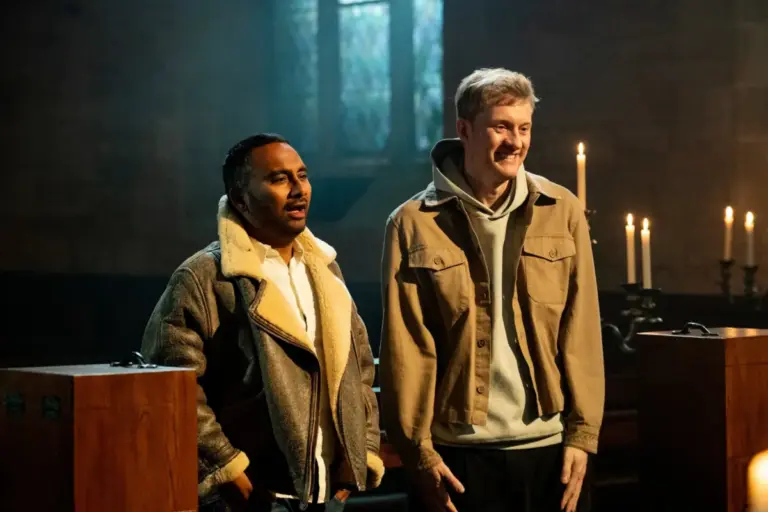
As the dust settles on one of the most jaw-dropping premiere episodes in reality television history, the implications of Grant’s slip-up threaten to unravel the entire dynamic of the BBC’s flagship competition. With a nail-biting cliffhanger hanging over the heads of journalist Amol Rajan and comedian James Acaster—both cornered face-to-face with the Traitors to face either a grim murder or a coerced recruitment—the stakes have never been higher. This comprehensive report explores the anatomy of the blunder, exclusive behind-the-scenes reactions from the production team, and what this means for the unfolding tactical nightmare at Ardross Castle.

Detailed Chronology: The Five Minutes That Shook Ardross Castle
To understand the magnitude of Richard E. Grant’s error, one must examine the precise sequence of events that transformed a routine psychological thriller into an absolute comedy of errors.
The Selection
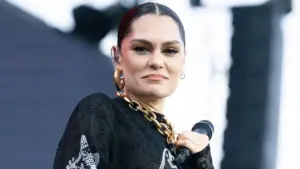
As the mist rolled over the Scottish Highlands, Claudia Winkleman meticulously assembled her secret cabinet of saboteurs. Seeking a mix of theatrical gravitas and unpredictable charisma, Winkleman selected Richard E. Grant and Love Island host Maya Jama to carry out the clandestine operations of the Traitors. According to production insiders, Grant was visibly vibrating with excitement, reportedly comparing the clandestine appointment to landing the lead role in a major motion picture.
The Slip-Up
Within minutes of stepping away from the initial gathering and stepping into the psychological arena of the castle, Grant’s sheer giddiness overpowered his tactical self-preservation. In a moment that left viewers clutching their screens in disbelief, the veteran actor openly admitted his secret alignment to multiple cast members.
Crucially, the delivery lacked the defensive cadence of a joke or the playful provocation of a bluff. It was delivered with the disarming, patrician sincerity that has defined Grant’s decades-long acting career. For all intents and purposes, the game should have been over before it truly began. The Faithful had their target served to them on a silver platter.

The Collective Delusion
What happened next defied all logical models of human behavior studied by game theorists and reality television analysts alike. Instead of immediately marching Grant to the round table for a unanimous, swift execution, the celebrity Faithful suffered a collective psychological short-circuit.
Convinced that an actual Traitor could never be so breathtakingly incompetent, the castle’s residents rationalized the confession away. Theories ranged wildly from Grant executing a multi-layered psychological double-bluff to the actor simply losing his grip on reality within the ancient Scottish fortress. By attempting to backpedal through sheer force of theatrical charm, Grant inadvertently created an impenetrable shield of cognitive dissonance among his peers.
Supporting Context & Metrics: A New Benchmark for Reality TV Chaos
The second series of Celebrity Traitors was already anticipated as a major television event, following the breakout success of its inaugural run and the memorable, chaotic antics of Alan Carr in the previous celebrity installment. However, series creators Studio Lambert and the BBC commissioning team appear to have captured lightning in a bottle for a second consecutive year.
| Metric / Element | Series 1 (Celebrity) Baseline | Series 2 Premiere Highlights |
|---|---|---|
| Primary Catalyst for Chaos | Strategic over-complication and emotional slips | Direct, unprompted verbal confession within minutes |
| Cast Dynamic | Broadly cautious, conventional tactical gameplay | High volatility, erratic self-sabotage, and meta-analysis |
| Production Reaction | Controlled bewilderment | Unprecedented shock; real-time operational pivots |
| Viewer Engagement | High online commentary | Record-breaking social media discourse and cliffhanger tension |
The inclusion of an eclectic roster—spanning prestigious dramatic actors, seasoned comedians, and digital media personalities—has created a powder keg of differing psychological approaches. While traditional reality competitors rely on alliance-building and statistical deduction, the celebrity edition introduces an unpredictable X-factor: performers whose entire professional lives are dedicated to the suspension of disbelief. When Richard E. Grant plays the role of an exposed Traitor, the line between performance and reality blurs entirely, leaving logic helpless in its wake.

Official Statements and Behind-the-Scenes Insights
Exclusive commentary from host Claudia Winkleman, comedian Ed Gamble, and executive producer Sarah Fay sheds light on how the production team processed the unprecedented moment in real-time.
Speaking to the press, a visibly amused Claudia Winkleman recalled the elation surrounding Grant’s casting:
"He was just so happy. He just couldn’t believe it. And me, Sarah, and a whole brilliant gang, you go into a room after I’ve interviewed them all, and they say, ‘This is what I want to be.’ You just couldn’t not give it to him because he wanted it so much, and he was compelling, and he’s Richard E. Grant."
Winkleman noted the contrast between Grant’s initial giddiness and his subsequent tactical scramble:

"I couldn’t believe that he was actually in the castle. He was so giddy, and then the minute he said it—well, actually not the minute, about five minutes later—he went, ‘The genius of the game.’ The game is everybody plays it completely differently, and he took that to the next level."
Ed Gamble, reflecting on watching the events unfold from the outside, emphasized the raw energy of the moment:
"He was just vibrating with excitement and the terror as well. It felt like he’d just been given the lead role in the film, and he just had to tell everyone—it’s such an insane moment. I hadn’t even arrived in Inverness. I watched the Traitor selection, and then I was like, ‘right, well, I better go and pack for Inverness’ and then next thing you know my phone’s buzzing on the Uncloak group, going, ‘You will never guess what’s happened.’ This is why you never stop watching the feed because something like that could happen."
Executive producer Sarah Fay highlighted the ripple effect that such a bombshell creates behind the scenes for the production and the remaining players:

"Never in our wildest dreams did we think that we’d have a Traitor admit they were a Traitor five minutes after the round table. Witnessing a bombshell like that explode in real-time means everyone immediately has to react. Plans change, the game changes and everyone is left thinking: ‘How is he going to try and get himself out of this one?’ We’ve never, from the moment of being picked, seen a Traitor have to try and backpedal like that, but every series we want the cast to bring something new, bring a new freshness to the show."
Future Outlook: The Shadow Over Ardross Castle
As the narrative pivots toward the second installment, the immediate casualty pool hangs in the balance. Amol Rajan and James Acaster find themselves trapped in the ultimate geopolitical vise of reality television. Dragged before the remaining Traitors—Maya Jama and the structurally chaotic Richard E. Grant—one of these sharp-minded contenders will face the ultimate termination via murder, while the other will be forcibly conscripted into the dark arts of the sabotage ring.
The recruitment of either Rajan or Acaster introduces fascinating tactical possibilities. Should the sharp-witted Acaster join the ranks, his deadpan analytical prowess could either stabilize Grant’s erratic operational record or expose it completely. Conversely, bringing Rajan into the fold provides a veneer of journalistic respectability and analytical cover that the cabinet desperately requires to offset Grant’s unhinged transparency.
Yet, the overarching question remains: Can Richard E. Grant survive the psychological fallout of his own making?

While he successfully dodged immediate execution through the sheer incredulity of his peers, the margin for error has evaporated. As the Faithful begin to compare notes, analyze body language, and strip away the protective layers of celebrity eccentricities, Grant’s theatrical shield will inevitably wear thin. If he manages to navigate this monumental blunder and steer his team to victory, it will go down in entertainment history not merely as a game won, but as an impossible psychological miracle performed within the unforgiving freezing halls of Ardross Castle.
The drama continues tonight at 8:00 PM on BBC One and BBC iPlayer.