Executive Overview
The landscape of American entertainment is trembling beneath the weight of corporate consolidation. As the monumental merger between Paramount and Warner Bros. Discovery (WBD) reshapes the foundational architecture of Hollywood, prominent figures within the creative community are raising the alarm. Among the most vocal critics is veteran actor, playwright, and activist John Leguizamo, who has leveled a direct and impassioned appeal at David Ellison, the driving force behind the newly consolidated Skydance media empire.
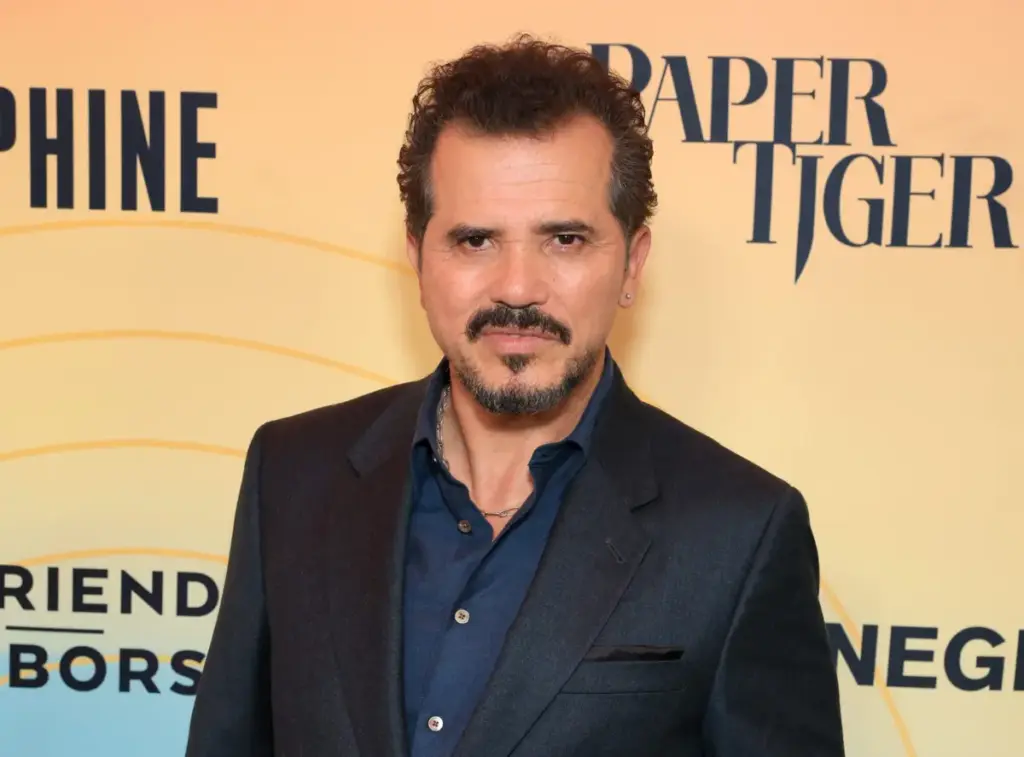
Speaking on Friday at the Critics Choice Association’s 6th Annual Celebración of Cinema & Television—where he was honored with the prestigious Career Achievement Award—Leguizamo did not mince words. He challenged Ellison to look beyond short-term financial gains and immediate shareholder dividends, urging the mogul to weigh the long-term health of the industry, the livelihood of thousands of below-the-line workers, and the cultural vitality of Los Angeles.
At the heart of Leguizamo’s critique is a profound anxiety over corporate accountability, studio lot preservation, and the systemic erosion of industry competition. While the current terms of the high-stakes merger include a provisional five-year moratorium prohibiting the sale or redevelopment of the historic Paramount Studios and Warner Bros. studio lots in California, critics argue that this regulatory safeguard is little more than a temporary bandage on a hemorrhage.
Leguizamo’s public rebuke follows an explosive industry-wide mobilization earlier this spring, when over 4,000 prominent actors, directors, writers, and producers signed an open letter condemning the acquisition. With signatories ranging from Oscar winners like Joaquin Phoenix and Robert De Niro to cinematic auteurs like Sofia Coppola and Denis Villeneuve, the resistance movement highlights a widening chasm between corporate titans steering media conglomerates and the creative workforce that fuels them. As this mega-merger moves through its next phases, the clash between capital consolidation and creative preservation has set the stage for what may be a defining battle over the future of American storytelling.
Detailed Chronology: From Skydance’s Ascendancy to Industry-Wide Pushback
The trajectory leading to the current showdown between Hollywood’s creative vanguard and its corporate leadership has been marked by rapid consolidation, high-stakes negotiations, and mounting regulatory scrutiny. Understanding the friction points requires a careful examination of the timeline that brought the industry to this precipice.
The Rise of the New Skydance
The foundation for the current crisis was laid when David Ellison’s Skydance Media, backed by deep-pocketed financial allies and sovereign wealth, aggressively pursued a controlling stake in Paramount Global. Following months of tumultuous bidding wars, strategic maneuvering, and valuation debates, the transaction transformed into an even larger ambition: a sprawling combination that effectively tethered Paramount’s storied cinematic assets to Warner Bros. Discovery’s massive library and operational footprint.
For Wall Street, the merger was billed as a necessary consolidation move designed to achieve massive cost synergies, streamline streaming operations, and fortify traditional studios against the relentless incursions of Silicon Valley tech giants. However, for the creative community operating within the studio system, the announcement was met with a sense of impending doom. Past media mergers—such as Disney’s acquisition of 21st Century Fox and AT&T’s ill-fated coupling with Time Warner—had consistently resulted in massive layoffs, studio shrinkage, and a contraction in greenlit projects.
The Spring Mobilization: The 4,000-Strong Open Letter
The simmering discontent within the entertainment guild community boiled over in April, when an unprecedented coalition of more than 4,000 film and television professionals mobilized to oppose the pending Paramount-Skydance acquisition of Warner Bros. Discovery.
Published prominently in The New York Times and hosted via the centralized hub BlocktheMerger.com, the open letter served as a manifesto for an industry staring down the barrel of hyper-monopolization. The text of the letter did not pull punches, directly calling out the motivations driving the deal:
"We are deeply concerned by indications of support for this merger that prioritize the interests of a small group of powerful stakeholders over the broader public good," the signatories stated. "The integrity, independence, and diversity of our industry would be grievously compromised. Competition is essential for a healthy economy and a healthy democracy. So is thoughtful regulation and enforcement."
The sheer breadth of the signatories stunned industry analysts. It bridged the divide between independent filmmakers and mainstream blockbuster stars, uniting a diverse cross-section of Hollywood talent who recognized that corporate consolidation poses an existential threat to artistic autonomy.
The Critics Choice Association Address
The tension reached a new fever pitch on Friday evening at the Critics Choice Association’s 6th Annual Celebración of Cinema & Television. Accepting his Career Achievement Award, John Leguizamo utilized the platform not merely to reflect on his decades-long trajectory in film and television, but to sound the alarm on contemporary industry politics.
Directly addressing David Ellison, Leguizamo’s plea resonated through the venue:
"Come on, Dave. Do the right thing. Don’t just think of yourself and your pocket. Think of what Americans need and what the industry needs. Think of others for a change."
By centering his remarks on the human element of corporate restructuring, Leguizamo shifted the discourse away from balance sheets and stock prices, focusing instead on the systemic vulnerability of the working-class artisans, technicians, and creatives who call Los Angeles home.
Supporting Context & Metrics: The Anatomy of Media Consolidation
To fully grasp why John Leguizamo, alongside thousands of his peers, is fighting so fiercely against the Paramount-WBD merger, one must examine the broader economic and infrastructural realities currently gripping Hollywood. The entertainment sector is undergoing a painful post-pandemic contraction, characterized by declining linear television revenues, slowing subscriber growth in streaming, and soaring production costs.
The Threat to Real Estate and Infrastructure
At the epicenter of the controversy are the physical studio lots themselves—sacred grounds that have birthed a century of American cinema. While regulatory concessions managed to extract a five-year ban on selling the historic Paramount Studios lot in Hollywood and the Warner Bros. lot in Burbank, critics argue that a half-decade protection window is dangerously inadequate.
As Leguizamo pointed out during his address:
"You got an end date. You got an expiration date. That’s not cool. People have to plan for the rest of their lives. They plan for five years, and then what?"
Studio real estate in Southern California has long faced predatory pressures from commercial developers seeking to convert soundstages and production offices into tech campuses or residential high-rises. When studio lots are sold off or downsized, the surrounding ecosystem—comprising prop houses, costume designers, camera rental facilities, specialized caterers, and post-production laboratories—suffers a cascading economic failure.
The Shrinking Marketplace and Creative Diversity
Beyond physical infrastructure, the merger represents a dangerous reduction in buyer optionality for creators. Historically, a thriving film and television industry relied on multiple major studios competing for talent, scripts, and visionary projects. When two major legacy studios combine into a single corporate monolith:
- Greenlight Power Concentrates: Fewer executives hold absolute authority over what stories get told, leading to risk-averse programming and a homogenization of content.
- Labor Leverage Erodes: Writers, directors, and actors face diminished leverage in contract negotiations when there are fewer alternative studios to pitch competing offers.
- Marginalized Voices Suffer: Data consistently shows that consolidated media conglomerates prioritize broad, globally palatable intellectual property (IP) over original, culturally diverse narratives—the exact type of authentic storytelling that champions like Leguizamo have fought decades to establish in the mainstream.
Official Statements and the Star-Studded Resistance
The resistance against the Paramount-Skydance-WBD consolidation is notable not only for its scale, but for the sheer star power and institutional weight backing it. The open letter published earlier this year brought together an extraordinary coalition of Hollywood royalty, signaling that unease over the deal transcends generational, genre, and commercial divides.
A Who’s Who of Hollywood Dissent
The roster of signatories reads like a definitive roll call of modern cinematic excellence. Academy Award winners, box-office icons, and visionary directors united under a common banner to challenge corporate hegemony. The full list of prominent signatories includes:
- Iconic Actors & Performers: Joaquin Phoenix, Robert De Niro, Ben Stiller, Kristen Stewart, Florence Pugh, Pedro Pascal, Bryan Cranston, Glenn Close, Jane Fonda, Jeff Bridges, Mark Ruffalo, Rosie O’Donnell, Ted Danson, Tiffany Haddish, Rosario Dawson, Alyssa Milano, Alan Cumming, Patti LuPone, Yvette Nicole Brown, and John Leguizamo.
- Acclaimed Auteurs & Directors: Sofia Coppola, David Fincher, Denis Villeneuve, J.J. Abrams, Adam McKay, Yorgos Lanthimos, Boots Riley, and Nicole Holofcener.
- Prolific Showrunners & Writers: Damon Lindelof, Noah Wyle, Ramy Youssef, Tig Notaro, Atsuko Okatsuka, and Lin-Manuel Miranda.
The Core Arguments of the Coalition
The coalition’s public communications emphasize that media mergers are not merely private corporate transactions; they are matters of profound public interest. Because motion pictures and television shape the cultural fabric, national identity, and democratic discourse of the United States, the wholesale concentration of media control into fewer hands carries severe societal implications.
The open letter explicitly underscores the linkage between economic competition and democratic health:
"Competition is essential for a healthy economy and a healthy democracy. So is thoughtful regulation and enforcement."
By challenging the narrative that mega-mergers are inevitable or beneficial, these artists are attempting to reframe the public debate, demanding that antitrust regulators take a hard, unyielding look at the long-term cultural damage inflicted by unchecked corporate consolidation.
Future Outlook: What Lies Ahead for Skydance and the Entertainment Industry?
As David Ellison assumes the reins of the newly formed Skydance media ecosystem, he faces a defining test of leadership. Will he chart a course of empathetic stewardship that honors the heritage of the studio system and respects the anxieties of its workforce, or will he proceed down the well-worn path of aggressive cost-cutting, asset liquidation, and workforce reduction?
The Five-Year Countdown
The five-year clock on the protection of the Paramount and Warner Bros. studio lots has already begun ticking. For the thousands of industry professionals whose livelihoods are anchored to these historic parcels of land, the moratorium offers cold comfort. Unless regulatory bodies step in with more permanent structural safeguards, or unless leadership proactively commits to long-term investment in California’s production infrastructure, the specter of real estate sell-offs will continue to hang over Hollywood like a dark cloud.
The Imperative of Regional Support
As John Leguizamo passionately argued at the Critics Choice Association event, the physical and cultural heartbeat of the cinematic arts remains inextricably linked to Los Angeles.
"The industry belongs in L.A.," Leguizamo asserted. "We need to support it and grow it. Rebuild it and add to it. Not subtract."
In an era where runaway production and tax incentive arbitrage frequently pull projects away from Southern California, the preservation of local studio capacity is paramount. If new corporate leaders choose to shrink operations rather than nurture them, they risk hollowing out the very talent pipeline that made American cinema a global cultural superpower.
Conclusion: A Defining Moment for Hollywood’s Soul
The clash between John Leguizamo’s grassroots advocacy, the collective voice of 4,000 entertainment professionals, and the corporate ambitions of David Ellison marks a pivotal watershed moment for the entertainment industry. As the dust settles on the Paramount-Warner Bros. Discovery merger, the true measure of success will not be found solely in quarterly earnings reports or streaming subscriber metrics. It will be judged by whether the industry retains its soul, its diversity, and its enduring commitment to the artists and artisans who build its worlds. For now, the creative community has made its expectations resoundingly clear: it is time for leadership to think beyond the balance sheet and invest in the future of the people who make the magic happen.