Executive Overview
The opening of a permanent retail storefront at 150 Mercer Street in New York City’s vibrant SoHo neighborhood marks a profound watershed moment for Victoria Beckham’s eponymous fashion house. Arriving more than a decade and a half after the designer first debuted her collections in the city, this sprawling, loft-like boutique represents far more than a simple brick-and-mortar expansion. It is a physical manifestation of perseverance, creative evolution, and hard-won commercial viability.
For years, skeptics questioned whether a celebrity-turned-designer could successfully transition from pop culture royalty to a respected, autonomous force in the upper echelons of luxury ready-to-wear. Today, those questions have been definitively answered. Fresh off its first-ever profitable fiscal year—a significant milestone for any independent brand operating within today’s volatile global retail climate—the Victoria Beckham label is stepping firmly into its next chapter.
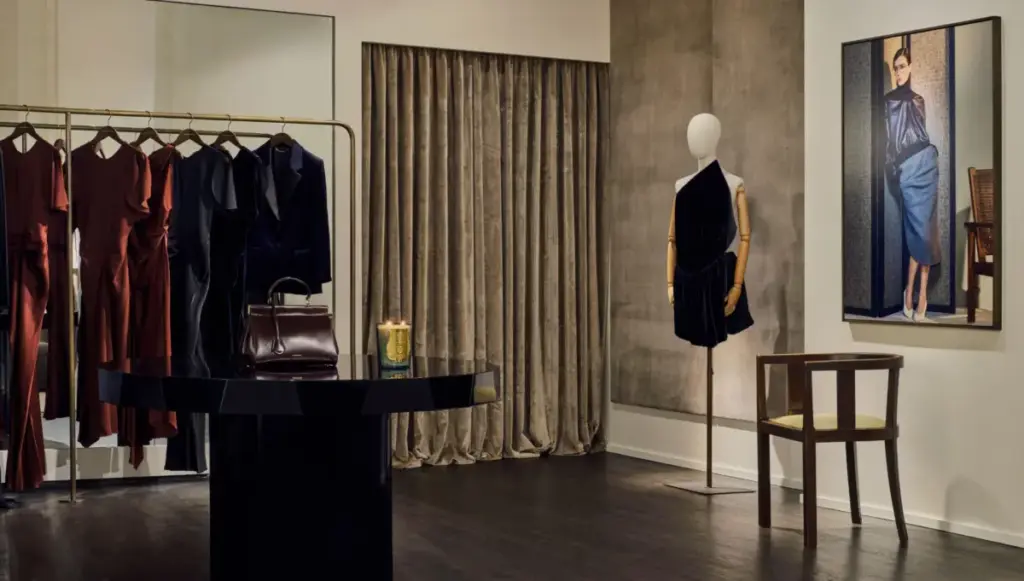
Characterized by double-height ceilings, archival 1930s lighting design, and an intimate, residential atmosphere that channels a polished "home-away-from-home" feel, the Mercer Street store offers a masterclass in modern luxury retail. More importantly, it provides the designer with complete editorial and commercial autonomy over her "buy," bridging the gap between her personal vision and the ultimate consumer experience.
Detailed Chronology: From Waldorf Astoria Suites to SoHo Flagships
The 2008 Genesis
The journey to 150 Mercer Street began in the autumn of 2008, a period marked by profound economic uncertainty across the globe. Eschewing traditional, high-budget runway presentations, Victoria Beckham introduced her inaugural ready-to-wear collection inside a private suite at the iconic Waldorf Astoria Hotel in New York City. Comprising a tight, highly curated edit of just 15 dresses, the collection relied heavily on form-fitting silhouettes, exposed zippers, and an undeniable structural precision that immediately caught the attention of skeptical fashion critics.
At the time, the industry was rife with cynicism regarding celebrity-backed fashion ventures. Many viewed the launch as a transient vanity project. However, Beckham approached the endeavor with unexpected discipline, treating design not as a hobby, but as a rigorous, long-term discipline. That initial presentation laid the structural blueprint for what would evolve into a multi-million-dollar international luxury house.

Expanding the Ecosystem: Accessories, Beauty, and Fragrance
Following the foundational success of her ready-to-wear line, Beckham systematically expanded her brand’s portfolio. Recognizing that contemporary luxury consumers engage with brands across multiple touchpoints, the company launched its luxury accessories line, introducing structured leather goods and footwear that mirrored the clean, architectural lines of her apparel.
The next major inflection points arrived with strategic diversifications into the beauty and fragrance sectors. In 2019, the label launched Victoria Beckham Beauty, a high-end cosmetics line focusing on clean formulations, luxury packaging, and performance-driven products. This was followed in 2023 by the introduction of the brand’s debut fragrance collection. These beauty and wellness extensions proved instrumental in broadening the brand’s demographic reach, offering a lower barrier to entry for aspirational consumers while deeply enriching the overall luxury ecosystem.
The Retail Roadmap
While digital e-commerce formed the backbone of the brand’s intermediate growth, physical retail has always been approached with measured intention. The brand’s first permanent flagship store opened on Dover Street in London in 2014, establishing a physical benchmark for the label’s aesthetic codes.
A decade later, the brand accelerated its physical footprint with a targeted pop-up in Bal Harbour, Florida, earlier this year. The culmination of this retail strategy is the new SoHo boutique—a permanent U.S. flagship designed to cement the brand’s presence in North America and signal the beginning of a broader, highly selective physical retail expansion.
Supporting Context & Metrics: Achieving Profitability as an Independent
Operating an independent luxury fashion house in the twenty-first century is an extraordinarily perilous financial undertaking. Dominated by massive multinational conglomerates such as LVMH, Kering, and Richemont, the global luxury market presents towering barriers to entry, particularly regarding supply chain costs, global marketing overhead, and expensive real estate footprints.

Against this challenging macroeconomic backdrop, the financial turnaround of Victoria Beckham’s enterprise stands out as a remarkable achievement. Earlier this week, company chairman David Belhassen confirmed that the business officially reached profitability for the first time during the previous fiscal year.
For Beckham, who retains a fiercely independent status relative to her major corporate competitors, these financial metrics carry deep emotional and professional resonance.
"In this current climate, to be able to say that, that’s really something to be proud of," Beckham reflects, emphasizing the structural independence of her brand. "Don’t forget, I’m an independent brand."
Achieving profitability was not the result of rapid, indiscriminate expansion, but rather of stringent operational discipline, streamlined supply chains, and a successful pivoting toward high-margin categories like beauty and accessories. By carefully balancing wholesale partnerships with direct-to-consumer digital and retail channels, the brand optimized its inventory turnover and strengthened its gross margins, setting the stage for sustainable, long-term growth without sacrificing creative control.
Official Statements and Design Philosophy: Crafting the New York Home
Walking through the doors of 150 Mercer Street reveals an interior architecture that deliberately rejects the sterile, cold minimalism frequently found in contemporary luxury flagships. Instead, Beckham and her collaborators have curated an environment that feels intimately residential, seamlessly blending historic New York architectural character with European modernist influences.

To achieve this nuanced aesthetic, Beckham collaborated closely with artist Alexander May and designer Ole Lund of LNP. The resulting space features a rich, mineral-driven color palette punctuated by tactile and lacquered finishes—a deliberate nod to the striking, polished works of art deco painter Tamara de Lempicka.
Upon entering the boutique, visitors are immediately greeted by a striking burgundy and white marble beauty bar, celebrating the brand’s thriving cosmetics and fragrance lines. Overhead, double-height ceilings create an immediate sense of scale and architectural grandeur, anchored by a rare, 1930s Fontana Arte lantern originally designed by legendary Italian architect Gio Ponti.
Crucially, the boutique serves as an extension of Beckham’s own personal taste and design philosophy—a polished, or rather, "Posh" home-away-from-home. For the designer, the ability to curate the physical retail environment introduces a level of creative control that wholesale partnerships simply cannot match.
"Obviously [that is] not the case when you’re dealing with wholesale," Beckham notes, discussing the excitement of owning the retail "buy." "So I’m very excited that people will get a true sense of the brand and of my vision."
Future Outlook: A "Flag in the Sand" Moment
With the doors of 150 Mercer Street officially open to the public, stakeholders and industry observers are already looking toward the horizon. While the New York flagship is undeniably a major milestone, Beckham and her executive team maintain that their overarching retail strategy will continue to be governed by patience and calculated precision rather than aggressive, unchecked expansion.

Describing the launch as a definitive "flag in the sand" moment for the company, Beckham makes it clear that while additional permanent locations are certainly on the drawing board, quality will perpetually supersede quantity.
"We’ve always said that for us, it’s about being very considered," Beckham remarks. "We don’t want to be everywhere, and where I am, I want it to be perfect, very well executed, and exactly how I believe my brand should be represented."
This measured approach ensures that as the brand steps into its next chapter, it will not compromise the integrity, exclusivity, or craftsmanship that ultimately turned a skeptical 15-dress presentation at the Waldorf Astoria into a globally profitable, critically acclaimed independent luxury powerhouse. The SoHo boutique is not just a store; it is the physical proof of a vision fully realized, and a clear signal that Victoria Beckham’s fashion empire is built to endure.