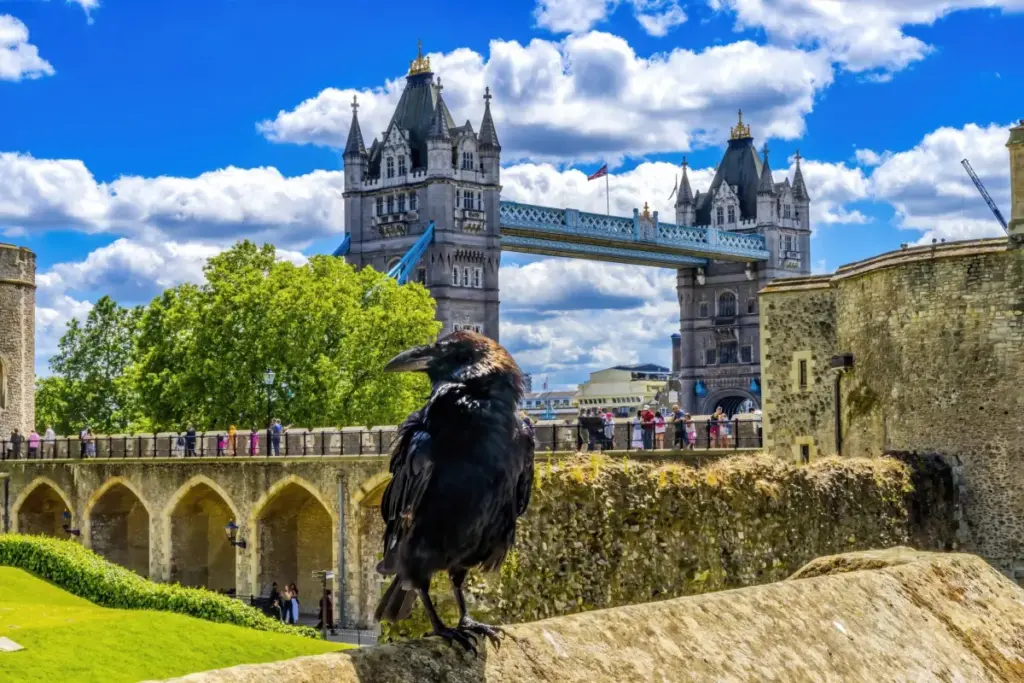
Executive Overview
For nearly four centuries, a watchful, jet-black "conspiracy" of ravens has stood sentinel over the Tower of London, bound by a royal decree that bridges British history, folklore, and superstition. Legend dictates that should these majestic corvids ever abandon the historic fortress, the White Tower will crumble, and the British monarchy will fall.
Now, for the first time in the modern era, Historic Royal Palaces is lifting the veil on this centuries-old tradition. A brand-new, highly exclusive visitor offering—aptly titled "Meet the Ravens"—allows a privileged few to bypass the crowds, enter the gates before regular opening hours, and experience the inner workings of one of the world’s most guarded avian sanctuaries.
Priced at £90 for adults and £50 for children aged 5 to 17, the 45-minute early morning experience offers intimate access to the birds and their handlers. Conducted on Wednesdays and Fridays between 8:00 AM and 8:15 AM, the initiative not only provides an unprecedented look at animal husbandry within a medieval fortress but also grants participants immediate, queue-free access to the world-famous Crown Jewels exhibition as the historic grounds awaken.
Detailed Chronology: From Royal Superstition to Modern Tourism
The presence of ravens at the Tower of London is steeped in myth, though the exact historical origins remain a subject of debate among historians. While local folklore frequently links the tradition back to the reign of King Charles II in the 17th century—who allegedly decreed that at least six ravens must be kept at the fortress to protect the crown—some historians suggest the birds may have been introduced much later as romanticized Victorian additions to the castle’s grim history of executions and imprisonment.
Regardless of their precise genesis, the ravens have evolved from incidental inhabitants into the literal and figurative guardians of the estate.

- The 17th Century: King Charles II formalizes the royal protection of the Tower ravens, establishing the foundational rule that the kingdom’s fate is tethered to their presence.
- The 20th and 21st Centuries: The Ravenmaster position is institutionalized, becoming one of the most prestigious roles within the Yeoman Warder (Beefeater) community. The birds are given names, specialized diets, and dedicated veterinary care.
- The Present Day: Historic Royal Palaces introduces the "Meet the Ravens" VIP package. By shifting access to pre-opening hours, the institution bridges the gap between high-security heritage management and modern experiential tourism.
Under the guidance of the Ravenmaster’s team, participants gather directly outside the ravens’ custom enclosures to witness the daily ritual of the birds being released from their overnight quarters. Rather than observing from behind ropes during peak tourist hours, visitors engage in a structured educational briefing that details the distinct behavioral quirks, lineages, and daily maintenance required to keep eight large, intelligent corvids thriving in the heart of a bustling metropolis.
Supporting Context & Metrics: The Life, Diet, and Logistics of Tower Ravens
To truly understand the weight of the "Meet the Ravens" experience, one must examine the meticulous operation required to maintain the Tower’s current resident flock. Contrary to the historical minimum requirement of six, the Tower currently houses a thriving "conspiracy" of eight birds: Harris, Jubilee, Poppy, Edgar, Georgie, Chaos, Henry, and Poe.
Diet and Daily Care
The nutritional requirements of the Tower ravens are as fascinating as they are gothic. The birds are fed twice daily by the Ravenmaster, with a diet carefully balanced to mimic what scavenging corvids would consume in the wild.
- Standard Menu: A rotational feast of high-grade raw meats, including mice, rats, chicks, and assorted high-protein offal.
- The Royal Treat: In a tradition that delights thrill-seeking tourists, well-behaved ravens are periodically rewarded with biscuits soaked in fresh blood—a nod to the dark, medieval history of the execution site just yards away.
Flight and Freedom
A common misconception among visitors is that the Tower ravens are clipped or permanently grounded. In reality, all eight birds are fully capable of flight. Their flight feathers are occasionally and painlessly trimmed by the Ravenmaster as a precautionary measure to prevent them from flying out of the fortress bounds entirely.
Given the luxury of their lifestyle—which includes expertly engineered enclosures, veterinary check-ups, and a limitless supply of gourmet meals—most ravens consider the Tower their permanent home. However, history notes occasional rogue spirits who grew tired of their royal duties and simply flew away over the River Thames, never to return.

Economic and Logistical Breakdown of the Experience
- Ticket Pricing: £90 per adult; £50 per child (ages 5–17).
- Scheduling: Wednesdays and Fridays, starting strictly between 8:00 AM and 8:15 AM.
- Duration: 45 minutes of immersive, pre-opening access.
- Perks: Direct interaction with a Yeoman Warder (Ravenmaster’s team), witnessing the morning release of the flock, early entry into the Tower grounds, and priority access to the Crown Jewels exhibition before the general public arrives.
Official Statements and Expert Perspectives
The introduction of the "Meet the Ravens" package reflects a broader strategic shift within Historic Royal Palaces (HRP). As heritage tourism rebounds post-pandemic, major UK landmarks are increasingly looking toward high-value, low-capacity experiences to manage visitor flow while generating essential revenue for conservation.
"The ravens are not merely exhibits; they are living legends and cherished members of our community here at the Tower," notes a senior spokesperson for Historic Royal Palaces. "By opening up these early morning slots, we are offering enthusiasts a rare, intimate window into a centuries-old relationship between man and bird, all while maintaining the absolute highest standards of animal welfare."
Animal behaviorists and ornithologists have also praised the structured nature of the tours. Because the encounters take place before the public gates open, the birds experience minimal stress from large crowds or loud noises, allowing them to interact naturally with their handlers.
"Corvids possess remarkable cognitive abilities, comparable to great apes," explains Dr. Sarah Jenkins, an avian behavior researcher in London. "Programs that allow small groups to witness their natural behaviors, foraging routines, and social hierarchies up close—without overwhelming sensory input—offer exceptional educational value while respecting the psychological well-being of the animals."
Future Outlook: The Evolution of Heritage Tourism at the Tower
As the Tower of London looks toward the future, initiatives like "Meet the Ravens" serve as a blueprint for how historic sites can balance commercial viability with authentic storytelling and animal stewardship.

Demand for the Wednesday and Friday slots has surged since the package’s announcement, indicating that modern travelers are increasingly willing to pay a premium for behind-the-scenes access, educational depth, and crowd-free sightseeing. For HRP, the success of the raven experience opens the door for potential expansions into other restricted areas of the fortress, potentially transforming how visitors interact with living history.
For now, however, all eyes remain on Harris, Jubilee, Poppy, Edgar, Georgie, Chaos, Henry, and Poe. As long as these eight formidable birds continue to patrol the South Lawn—fat on rats, blood-soaked biscuits, and royal adoration—the Tower of London remains secure, and the kingdom, safely intact.