Executive Overview
In an era defined by relentless connectivity, artificial illumination, and pervasive digital glare, achieving deep, restorative sleep has become an increasingly elusive pursuit for millions. From the ubiquitous glow of smartphones and laptops to the harsh intrusion of urban streetlights and early morning sun, modern bedroom environments are rarely optimized for circadian biology. Consequently, sleep medicine specialists have noted a sharp rise in sleep disturbances, prompting consumers to seek out non-pharmacological interventions to reclaim their rest. Among the simplest yet most effective tools in the modern sleep hygiene arsenal is the humble sleep mask.
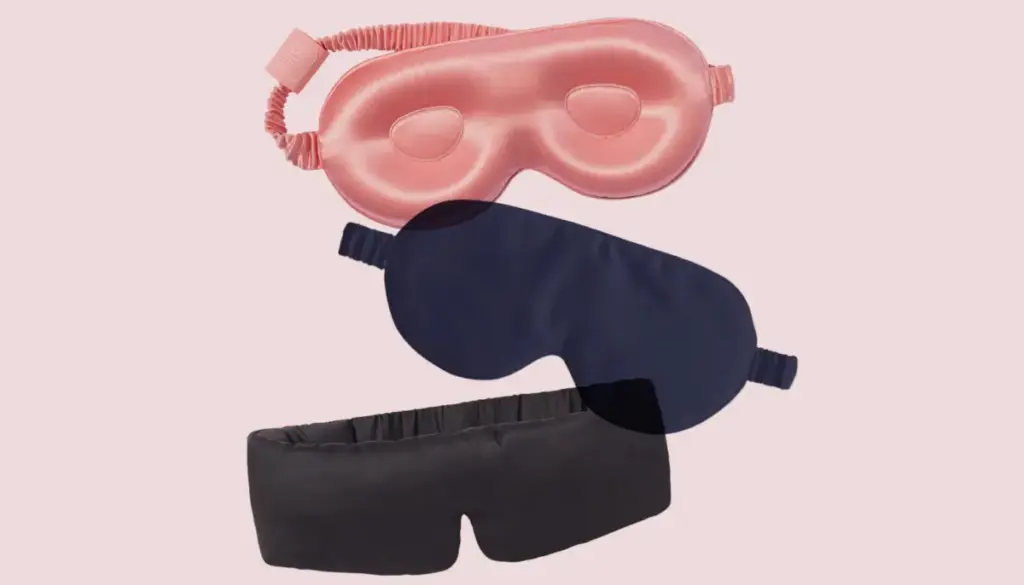
Far from being merely a novelty item associated with vintage glamour or long-haul international flights, the modern sleep mask has evolved into a sophisticated wellness accessory backed by sleep science and ergonomic design. However, navigating the crowded marketplace of eye masks can be bewildering. Consumers are routinely forced to choose between ultra-slim silk bands, heavily padded contour cups, weighted options, and tech-integrated sound-canceling variants.
This investigative report provides an authoritative examination of sleep masks, decoding the medical realities behind their usage, identifying the architectural features that distinguish mediocre products from exceptional ones, and offering tailored guidance based on individual sleep positions and physiological needs. Drawing insights from prominent somnologists and sleep experts—including Dr. Colon and Dr. Breus—this article explores how selecting the right sleep mask can radically transform your nocturnal recovery, enhance circadian alignment, and ultimately protect your long-term health and cognitive vitality.
Detailed Chronology: The Evolution of the Sleep Mask from Novelty to Necessity
To understand the contemporary landscape of sleep accessories, it is helpful to trace how the perception and engineering of sleep masks have evolved over time.
The Mid-20th Century: The Era of Cinematic Glamour
Historically, eye masks for sleeping entered the cultural lexicon largely through mid-century cinema and luxury travel culture. Popularized by iconic depictions of travelers seeking solace in first-class cabins or Hollywood starlets blocking out the relentless California sun, the early sleep mask was primarily a fashion accessory or a comfort item for transit. Constructed typically from satin or cheap cotton with rudimentary elastic bands, these early iterations focused heavily on aesthetics rather than ergonomic science or light-blocking efficacy. They often slipped off during the night, exerted uncomfortable pressure on delicate ocular tissue, and offered minimal ventilation.
The Late 20th Century: The Rise of Shift-Work Awareness
As industrialization and the modern 24-hour economy expanded, the medical community began to reckon systematically with the physiological toll of shift work, irregular schedules, and chronic light pollution. During the late 1980s and 1990s, sleep specialists began prescribing environmental modifications—including heavy blackout curtains and rudimentary eye masks—for nurses, police officers, and factory workers forced to sleep during peak daylight hours. This shift marked the transition of the sleep mask from a luxury travel good to a functional medical aid.
The 21st Century: Ergonomic Engineering and Sleep Science
In recent years, the intersection of advanced textile manufacturing, ergonomic research, and consumer wellness has revolutionized the sleep mask industry. Sleep scientists and industrial designers recognized that traditional flat masks pressed directly against the eyelids, interrupting Rapid Eye Movement (REM) sleep—during which natural eye movements occur—and smudging eye makeup or irritating sensitive skin.
This realization catalyzed the development of molded eye cups, breathable cooling silks, adjustable strap mechanisms, and specialized contours tailored to side, back, and stomach sleepers. Today, the sleep mask is no longer viewed as a passive band of cloth, but as a precision-engineered tool designed to safeguard melatonin production, optimize ocular comfort, and promote uninterrupted circadian rhythms.
Supporting Context & Metrics: The Biological Imperative of Darkness
To fully appreciate the utility of a sleep mask, one must examine the intricate neurobiology of human sleep and the profound disruption caused by modern environmental light.
The Mechanics of Melatonin and Melanopsin
Human sleep architecture is fundamentally governed by circadian rhythms—internal biological clocks orchestrated by the suprachiasmatic nucleus (SCN) in the brain’s hypothalamus. A critical driver of this system is melatonin, often referred to as the "hormone of darkness." Under natural conditions, as twilight descends and ambient light fades, specialized photoreceptor cells in the retina known as intrinsically photosensitive retinal ganglion cells (ipRGCs) detect the reduction in illumination. These cells contain a photopigment called melanopsin, which signals the SCN to prompt the pineal gland to synthesize and secrete melatonin into the bloodstream.
However, modern bedrooms are rarely dark enough to facilitate optimal melatonin production. Ambient light filtering through blinds, glowing standby lights on electronics, and even faint digital clock displays can stimulate ipRGCs. This inadvertent light exposure halts or suppresses melatonin synthesis, tricking the brain into believing it is still daytime. The result is delayed sleep latency (the time it takes to fall asleep), fragmented nocturnal rest, and a blunted morning alertness.
Quantifying the Impact of Light Pollution
Clinical sleep studies consistently demonstrate that even low levels of ambient light during sleep can have detrimental physiological consequences. Research highlighted by sleep experts indicates that exposure to room light during nighttime sleep can elevate heart rate, increase sympathetic nervous system activity (the "fight-or-flight" response), and impair glucose metabolism.
While heavy, wall-to-wall blackout curtains represent the gold standard for controlling bedroom light, they are frequently impractical for renters, travelers, or individuals living in densely populated urban environments. This is where a high-quality sleep mask serves as a portable, highly efficient micro-environment, instantly creating total darkness regardless of external conditions.
Official Statements and Expert Analysis
To separate marketing hype from medical reality, we turn to leading authorities in sleep medicine. Their clinical insights provide a definitive framework for evaluating whether sleep masks are safe, how they function biologically, and what criteria define a superior product.
Is It Healthy to Sleep with a Sleep Mask?
A primary concern for many consumers is whether wearing an object across the face and eyes for seven to eight hours nightly poses any physiological risks. According to Dr. Colon, there is no medical contraindication or reason not to wear a mask to bed. The physiological safety profile of a well-fitted sleep mask is exceptionally high.
However, Dr. Colon emphasizes a crucial caveat regarding comfort and fit:
"Just make sure it still feels comfortable after hours of wear—otherwise, it could end up disrupting your sleep more than helping it."
If a mask is too tight, it can cause localized pressure headaches, facial skin indentations, or irritation around the orbital bone, ultimately triggering micro-arousals that sabotage sleep quality.
Furthermore, hygiene is a critical factor often overlooked by consumers. Dr. Breus notes that because sleep masks sit directly against facial skin—which sheds dead cells, produces natural sebum, and accumulates sweat and nighttime bacteria—maintenance is non-negotiable.
"Remember to wash it regularly and replace it if it starts to lose efficacy (say, if its strap gets stretched out or the inner padding breaks down)."
Neglecting mask hygiene can lead to clogged pores, facial breakouts, or bacterial irritation around the eyes.
Anatomical Features of the "Ideal" Sleep Mask
When evaluating what separates exceptional sleep masks from subpar alternatives, sleep experts highlight several non-negotiable design criteria:
- Precision Fit and Stability: According to Dr. Colon, the best eye mask is the one that fits securely without slipping or sliding around the head during nocturnal movement. A mask that shifts constantly will allow stray light to leak in, defeating its primary purpose.
- Maximum Coverage: Dr. Breus stresses that surface area coverage matters significantly. "The more coverage the mask provides, the better," he explains. Blocking out peripheral light interference from all angles ensures that the brain registers absolute darkness, facilitating faster sleep onset and deeper sleep maintenance.
- Molded Eye Cups: Flat masks press directly against closed eyelids, which can physically restrict the natural ocular movements characteristic of REM sleep and cause physical discomfort. Masks featuring molded, three-dimensional eye cups eliminate this pressure entirely, protecting lash extensions, preserving eye makeup, and enhancing overall comfort.
Navigating Your Options: How to Choose the Right Sleep Mask
Because individual physiology, sleeping postures, and sensory preferences vary widely, there is no universal "one-size-fits-all" sleep mask. Selecting the correct accessory requires aligning product design with your specific sleeping habits.
Accounting for Sleeping Positions
Your preferred sleeping posture dictates the structural requirements of your ideal mask:
- Side Sleepers: If you sleep on your side, bulky side-adjusters, rigid plastic buckles, or thick padding near the temples can press painfully against your head as your face rests against the pillow. Side sleepers should actively seek low-profile designs with flush, flexible strap systems that avoid creating pressure points on the temples and ears.
- Back Sleepers: Back sleepers enjoy the greatest versatility, as facial pressure against a pillow is not a factor. They can comfortably utilize plush, heavily padded, or weighted masks that maximize total darkness and tactile comfort.
- Tossers and Turners: If you move frequently throughout the night, masks with dual-strap systems or highly adjustable, non-slip elastic bands are essential to ensure the mask remains securely positioned from dusk until dawn.
Thermal Regulation and Material Selection
Temperature regulation plays a massive role in sleep continuity. Individuals who "run hot" or experience night sweats require specialized materials. Dr. Breus recommends seeking out options constructed from cooling, breathable, moisture-wicking natural textiles—such as pure mulberry silk—which prevent heat trapping and skin irritation. Conversely, individuals who live in colder climates or find comfort in soothing weight may benefit from masks utilizing soft bamboo fleece or gentle glass-bead weight distributions.
The Trial-and-Error Process
Consumers must recognize that finding the optimal sleep mask often requires a process of trial and evaluation. What works brilliantly for a back-sleeping travel enthusiast may prove cumbersome for an active side sleeper. However, investing the time to identify a mask that seamlessly integrates with your facial anatomy and sleep style yields immense dividends in sleep quality, daytime cognitive performance, and overall well-being.
Future Outlook: The Next Generation of Sleep Hygiene Technology
As the wellness and sleep-tech industries continue to converge, the future of the sleep mask extends far beyond simple light-blocking textiles. Looking ahead over the next decade, several key trends and innovations are poised to redefine how we experience nocturnal rest:
1. Biometric Integration and Sleep Tracking
Already, pioneering manufacturers are experimenting with embedding microscopic, non-invasive biometric sensors into sleep masks. Future iterations may seamlessly track electroencephalogram (EEG) brainwave activity, ocular movement, resting heart rate variability (HRV), and skin temperature directly from the forehead and periorbital region. By collecting clinical-grade data without requiring bulky wrist wearables or uncomfortable chest straps, these smart masks will provide users with hyper-accurate insights into their sleep architecture.
2. Circadian Lighting Integration and Smart Alarms
Drawing inspiration from dawn-simulation alarm clocks, upcoming smart sleep masks are exploring integrated, programmable LED lighting systems. Rather than jolting the nervous system awake with an abrupt auditory alarm, these advanced masks will gradually introduce a soft, mimicking sunrise glow inside the eye cups at a designated wake-up time. This technology stimulates natural cortisol and melatonin shifts, allowing for a gentle, biologically harmonious awakening.
3. Advanced Acoustic Masking and Neuromodulation
With stress and anxiety remaining primary contributors to insomnia, future sleep masks are slated to incorporate ultra-thin, comfortable bone-conduction audio transducers or noise-masking capabilities. Users will be able to stream pink noise, binaural beats, or guided meditations directly through the mask, drowning out environmental disturbances like snoring partners or street noise while promoting deeper delta-wave sleep.
4. Sustainable, Biodegradable Smart Textiles
As environmental consciousness permeates consumer purchasing decisions, the future of mask manufacturing will see a definitive pivot toward sustainable, biodegradable, and lab-grown materials. Innovations in vegan silk alternatives, plant-based memory foams, and eco-friendly antimicrobial treatments will ensure that pursuing personal health does not come at the expense of planetary health.
Conclusion
In an increasingly bright and hyper-stimulated world, protecting your sleep is one of the most powerful investments you can make in your physical and mental health. While no accessory can entirely replace healthy sleep hygiene habits—such as maintaining a consistent schedule and limiting pre-bed screen time—a well-chosen sleep mask serves as an indispensable frontline defense against environmental light pollution.
By understanding the biological imperatives of melatonin production, prioritizing hygienic maintenance, selecting breathable and pressure-free materials suited to your sleeping position, and heeding the expert advice of sleep clinicians, you can transform your bedroom into a sanctuary of absolute darkness. Whether you are battling urban glare, adjusting to shift work, or simply striving to optimize your nighttime recovery, the right sleep mask is a small, elegant tool capable of unlocking profound, restorative rest.