Executive Overview
Nearly a decade after dominating Saturday night television, The X Factor is once again the subject of intense industry speculation. Whispers of a high-profile ITV revival have grown louder, with network executives reportedly viewing the singing competition as the ultimate antidote to a gaping hole in their weekend entertainment schedule.
While the fundamental DNA of the format remains etched in British pop culture history, insiders suggest that any prospective return will require a radical modern overhaul designed to capture the attention of a younger, social-media-driven generation.
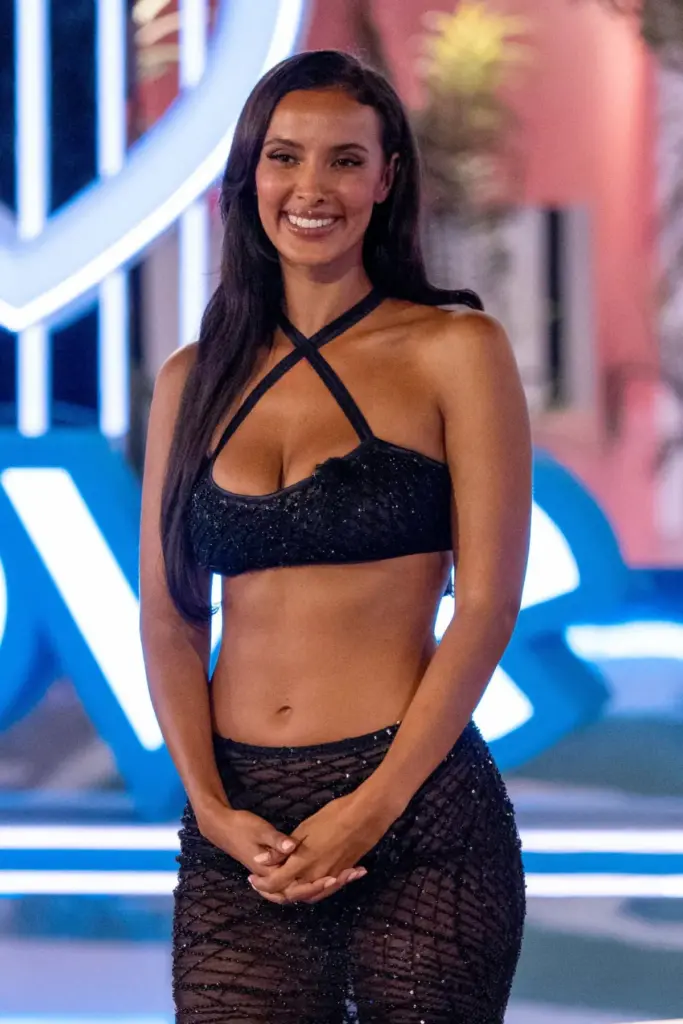
At the center of these early developmental plans is the search for a master of ceremonies. Sources close to production have identified Love Island host Maya Jama as the leading frontrunner to helm the reboot. With music mogul Simon Cowell anticipated to operate primarily behind the scenes, producers are banking on Jama’s considerable star power, live television expertise, and immense cultural footprint to anchor the refreshed format.
However, bringing the multi-award-winning talent show back to life is not without its hurdles. Industry reports suggest that Cowell himself remains cautious, acutely aware of the risk of delivering a subpar iteration of a once-legendary franchise. As negotiations continue and broadcasters weigh their options, the television industry watches closely to see if Britain’s most famous talent search can successfully orchestrate a triumphant second act.
Detailed Chronology: The Rise, Fall, and Rumoured Return of a TV Titan
To understand the magnitude of the current reboot discussions, one must look back at the trajectory of a show that fundamentally altered the landscape of modern entertainment.

The Golden Era (2004–2010s)
First launched in September 2004 by Simon Cowell alongside fellow original judges Sharon Osbourne and Louis Walsh, The X Factor quickly established itself as a ratings juggernaut. Over the subsequent decade and a half, the competition became a cultural institution. It launched the careers of global superstars and chart-topping acts, including Leona Lewis, Alexandra Burke, Olly Murs, Ella Henderson, and the global phenomenon that is One Direction.
Throughout its peak years, the presenting roster became almost as iconic as the judging panel. Kate Thornton guided the show through its infancy before handing the baton to Dermot O’Leary in 2007, whose charismatic tenure spanned the vast majority of the show’s most memorable moments. Brief iterations featuring Caroline Flack and Olly Murs in 2015 preceded O’Leary’s eventual return, cementing his status as the definitive voice of the Saturday night stage.
The Decline and Hiatus (2018–2020)
By the late 2010s, however, format fatigue and shifting audience habits began to take their toll. Viewing figures, which once routinely surpassed 10 million during peak seasons, dwindled down to approximately 4 million by its final series in 2018. Recognizing that the traditional television model was losing its grip on younger demographics, ITV and the production team mutually agreed to rest the format, sending The X Factor into an indefinite hiatus.
The Rumoured Revival (2025–2026)
Rumours of a revival began to crystallize approximately six months ago, driven by ITV’s urgent need for a reliable weekend entertainment anchor following underperforming ratings in other slots. Discussions centered on reinventing the program to appeal directly to the social media generation, blending the nostalgic elements viewers remember with a fresh approach to digital engagement.
Recent developments point toward a complete structural overhaul. Rather than stepping back into his classic judging slot, Simon Cowell is reportedly inclined to steer the project from behind the scenes. This shift has opened the door wide for a completely new generation of on-screen talent—beginning with the search for a fresh, dynamic host.

Supporting Context & Metrics: The Search for a New Face
The decision to target Maya Jama as the primary candidate for the hosting role is rooted in strategic demographic targeting. Television executives are acutely aware that modern broadcast success relies heavily on crossing over smoothly into digital spaces.
Why Maya Jama?
According to internal sources speaking to The Sun, Jama represents the ideal intersection of youth appeal, mainstream credibility, and live broadcasting pedigree.
- Live Television Mastery: Having commanded the high-pressure environment of Love Island’s live finals and international editions, Jama has proven her capability to think on her feet during unpredictable live broadcasts.
- Music Credibility: Beyond her dating-show credentials, Jama possesses a well-documented passion for the music industry, having previously hosted shows like Stanford Live and various music-focused events.
- Audience Alignment: Broadcasters believe her massive social media following will naturally draw a younger demographic that traditionally turns away from linear television in favor of on-demand platforms.
Despite her busy schedule—which includes commitments to high-profile dramatic projects like Netflix’s The Gentlemen—insiders remain confident that the right television opportunity would prompt the 32-year-old star to carve out space in her diary.
Alternative Contenders in the Mix
While Jama commands the frontrunner position, producers have kept alternative options under consideration to hedge their bets:
- Rylan Clark: The former X Factor contestant-turned-beloved television and radio presenter offers a unique insider’s perspective, bridging the gap between past nostalgia and contemporary presenting flair.
- Dermot O’Leary: For purists yearning for the comfort of the past, the veteran host remains a sentimental favorite. However, recent media appearances suggest O’Leary is viewing the rumours with a mixture of amusement and philosophical distance.
Official Statements and Industry Reactions
The rumor mill has inevitably forced past and present figures associated with the franchise to address the speculation head-on, yielding revealing moments in the press.

Dermot O’Leary’s On-Screen Squirm
The longest-serving host of the series recently found himself caught in the crosshairs during an appearance on ITV’s Good Morning Britain. When pressed by presenter Susanna Reid regarding whether he had been approached to reprise his role—or conversely, if he was deemed "too old" for the modern reboot—O’Leary visibly squirmed.
Laughing nervously, O’Leary deflected the probe, stating: "No… no one’s told me that!"
He subsequently offered a thoughtful critique of how the television landscape has transformed since the show last aired:
"It’s six years since it was on air, which doesn’t sound like that much of a long time, but the world has changed, and the music’s changed, and how we communicate and how we watch things has changed so much in those six years. I’m fascinated as to what they’ll do if they do bring it back. It’d have to be, in many ways, a very different show, [but] you still want the nostalgia of how it was in the first place."
Simon Cowell’s Strict Quality Control
While ITV views the reboot as a necessary cornerstone for their weekend lineup, reports from the Daily Mail indicate that Simon Cowell is treading carefully. The music mogul is reportedly haunted by the prospect of creating a watered-down version of his former glory project—famously warning associates that he refuses to greenlight a "Poundland version" of the format.

An insider revealed: "The X Factor cannot come back without his blessing, and if it isn’t going to be up to his high standards, then it won’t happen."
Furthermore, Cowell’s positive experiences working on recent ventures, such as his Netflix series Simon Cowell: The Next Act, have reinforced his belief that authentic talent discovery remains viable, provided the execution respects modern sensibilities.
Future Outlook: Will The X Factor Rise Again?
As negotiations continue behind closed doors, the path forward for The X Factor hinges on a delicate balancing act. ITV desperately requires a ratings-winner to stabilize its weekend schedule, and few properties possess the immediate brand recognition of Cowell’s former flagship show.
Yet, the television environment of 2026 bears little resemblance to that of 2004. Streaming platforms, TikTok discovery pipelines, and hyper-fragmented audience attention spans mean that a simple carbon-copy revival is doomed to fail.
If the production team successfully secures modern heavyweights like Maya Jama to lead the charge, pairs them with a forward-thinking judging panel, and maintains Simon Cowell’s uncompromising quality threshold, British television might just witness the most successful franchise resurrection of the decade. Until official confirmation is handed down from ITV or representatives for the stars, however, the music industry watches and waits to see if the iconic theme tune will indeed ring out across living rooms once more.