By Chris Davie Deputy Sports Editor
Published: September 12, 2026 | 5:15 PM BST
Executive Overview
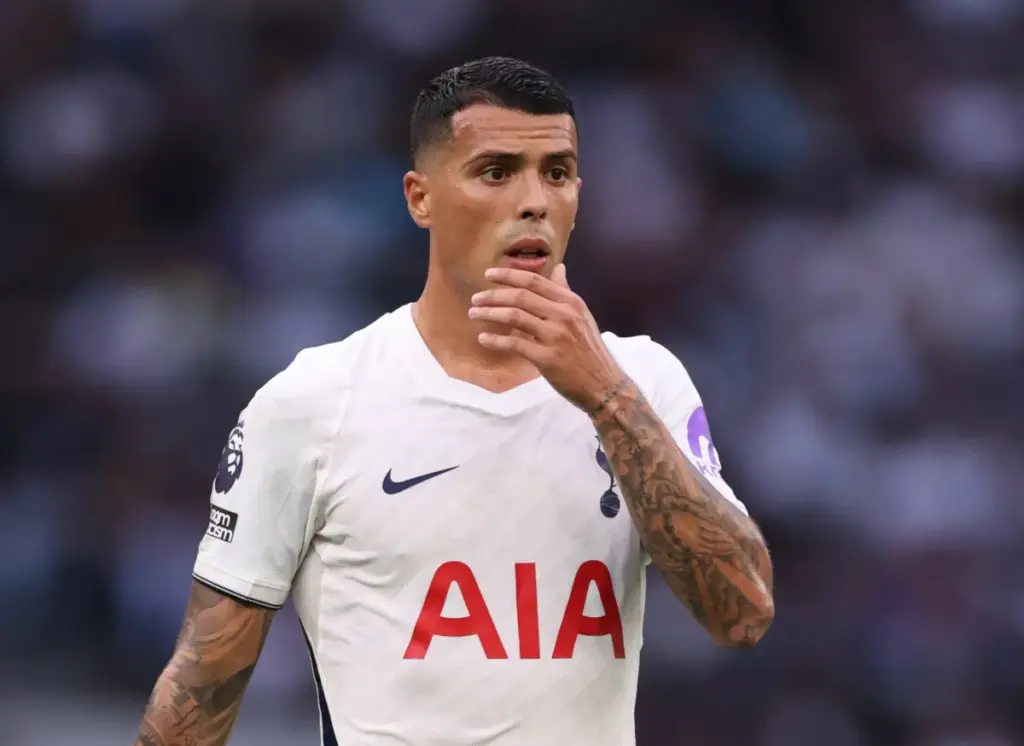
Tottenham Hotspur’s early-season defensive stability has faced a significant hurdle. Key full-backs Pedro Porro and Destiny Udogie were glaring omissions from the matchday squad for Saturday’s Premier League encounter against Everton at the Tottenham Hotspur Stadium. Both defenders started in Spurs’ grueling, goalless stalemate away to Nottingham Forest just a weekend prior, but underlying fitness concerns and a stringent risk-aversion policy by the coaching staff have forced them to watch from the sidelines.
In their absence, manager Roberto De Zerbi has been forced to shuffle his pack, handing starting berths in defence to utility asset Archie Gray and veteran signing Andy Robertson. The decision underscores a growing physical toll on elite Premier League footballers operating in an increasingly congested global calendar. With international commitments, lingering physical complaints from previous campaigns, and demanding tactical systems, Tottenham are opting for long-term prudence over short-term fixes, a gamble that could define the trajectory of their autumn fixture list.
Detailed Chronology of Events
The road to Saturday’s defensive reshuffle began on the banks of the Trent last weekend. During Tottenham’s hard-fought 0-0 draw against Nottingham Forest at the City Ground, both Porro and Udogie logged significant minutes. Udogie, enduring a carefully monitored return to rhythm after a turbulent, injury-blighted previous season, completed 60 minutes before being withdrawn. Porro, operating on the opposite flank, put in a typical box-to-box shift, unaware that the physical toll of the fixture—compounded by his heavy workload over the summer—was reaching a tipping point.
By the time the squad reconvened at Hotspur Way for training ahead of the Everton fixture, both players had flagged discomfort. Porro reported a minor muscular issue, while Udogie’s lingering structural fatigue signaled an urgent need for intervention.
Addressing the media during his pre-match press conference on Friday afternoon, De Zerbi detailed the club’s medical assessment. Rather than rolling the dice on players who were operating below 100% capacity, the Italian manager drew a firm line in the sand, opting to exclude both full-backs entirely from the matchday 20. When Everton arrived in North London on Saturday, the tactical architecture of Spurs’ backline had been fundamentally altered, introducing a new look with Archie Gray and Andy Robertson tasked with nullifying the Toffees’ attacking threat.
Supporting Context & Metrics: The Anatomy of a Modern Injury Crisis
To understand the exclusion of Porro and Udogie, one must look beyond the immediate training ground assessments and examine the macroeconomic pressures of modern football scheduling.
The World Cup Hangover: Pedro Porro
Pedro Porro’s absence is the direct byproduct of international football’s relentless expansion. Having featured heavily in a demanding, extended World Cup campaign over the summer, the Spanish international has had virtually no meaningful physical reset. Sports science data consistently demonstrates that players who participate deep into major summer international tournaments experience an elevated risk of muscular injuries during the subsequent domestic campaign.
Tottenham’s medical department recognized this risk profile before a ball was even kicked in the 2026/27 Premier League season. Managing Porro’s minutes was always going to be a delicate tightrope walk; however, the appearance of a "small muscular problem" this week proved to be the tipping point that forced the club’s hand.
Managing the Fragile: Destiny Udogie
For Destiny Udogie, the narrative is somewhat different but equally precarious. The Italian left-back spent significant portions of the previous season battling a carousel of injuries that stunted his development and disrupted Tottenham’s defensive rhythm.
Playing 60 minutes against Nottingham Forest was viewed internally as a successful step forward in his rehabilitation curve, but medical staff remain hyper-aware of the dangers of overloading a player with Udogie’s clinical history. Asking him to turn around and play a full, high-intensity 90 minutes against a physical Everton side just six days later was deemed an unacceptable gamble.
The Tactical Adaptation: Gray and Robertson
The forced absences of Porro and Udogie opened the door for alternative solutions within De Zerbi’s squad. Archie Gray, celebrated for his versatility and tactical intelligence, slotted into the defensive framework, bringing a dynamic, ball-playing dimension from deep areas. Alongside him, the inclusion of experienced campaigner Andy Robertson provided vital leadership and positional discipline—qualities indispensable when a side is missing two of its primary athletic outlets on the flanks.
Official Statements and Managerial Insight
Speaking candidly during his Friday press conference, Roberto De Zerbi elaborated on the philosophy driving these high-profile omissions. The manager made it clear that player welfare outweighs immediate tactical desires, especially at this fragile stage of the season.
"Pedro Porro felt a small muscular problem, we have to see tomorrow if he’s available or not, but in this moment I don’t want to take any risks. The same [with] Udogie," De Zerbi stated firmly.
Expanding on the unique management required for each player, the Italian manager shed light on the structural differences in their physical burdens:
"Pedro Porro and Udogie are similar players because one, Pedro played a World Cup, a long World Cup, and we already knew after the World Cup it could be a difficult management for him.
For Udogie, last season [he] suffered many injuries. He played 60 minutes in Nottingham, and we have to manage also Destiny in the best way we can."
These quotes encapsulate the modern manager’s dilemma: balancing the intense pressure to secure three points every weekend against the grim statistical reality of hamstring strains, fatigue-induced breakdowns, and long-term structural damage.
Future Outlook and Strategic Implications
As the Premier League season gathers momentum, Tottenham’s handling of Porro and Udogie will serve as a crucial barometer for De Zerbi’s squad management.
While missing two first-choice full-backs against a well-drilled Everton side is far from ideal, the proactive nature of their exclusion may save Spurs from a far more catastrophic injury crisis down the line. Muscle strains, if ignored or rushed back, frequently transform into multi-month absences—a luxury Tottenham simply cannot afford as they eye a return to the upper echelons of the Premier League table and European qualification spots.
Moving forward, the depth of Tottenham’s squad will be tested. The successful integration of players like Archie Gray and the seasoned stewardship of Andy Robertson demonstrate that the north London club possesses the tactical adaptability required to navigate short-term absences. However, the long-term success of Spurs’ campaign will ultimately depend on the seamless rehabilitation and reintegration of Porro and Udogie.
For now, the medical staff will monitor the pair day-by-day, ensuring that when they do return to the pitch, they do so at peak physical condition—ready to withstand the unrelenting demands of the modern football calendar.