Executive Overview
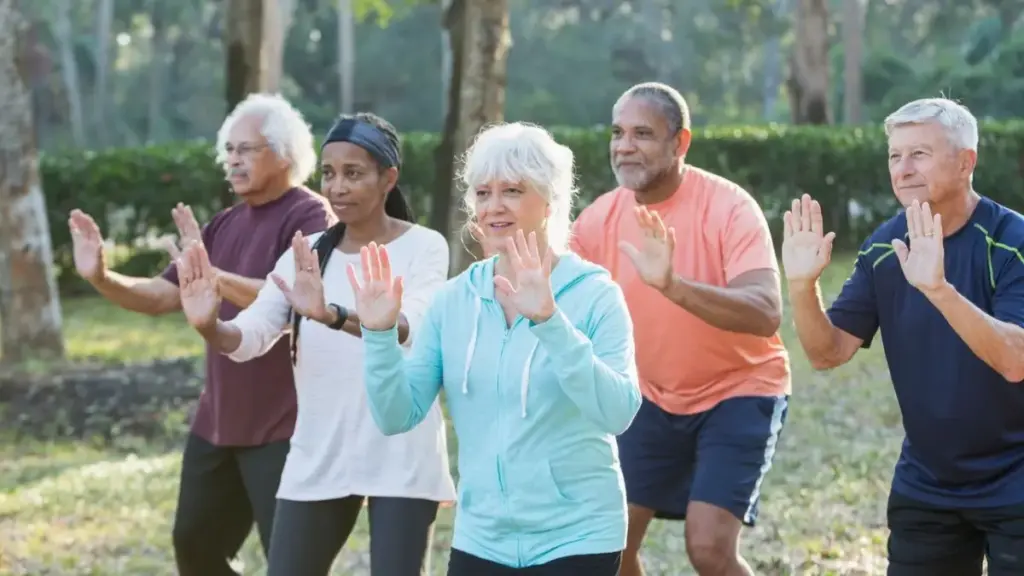
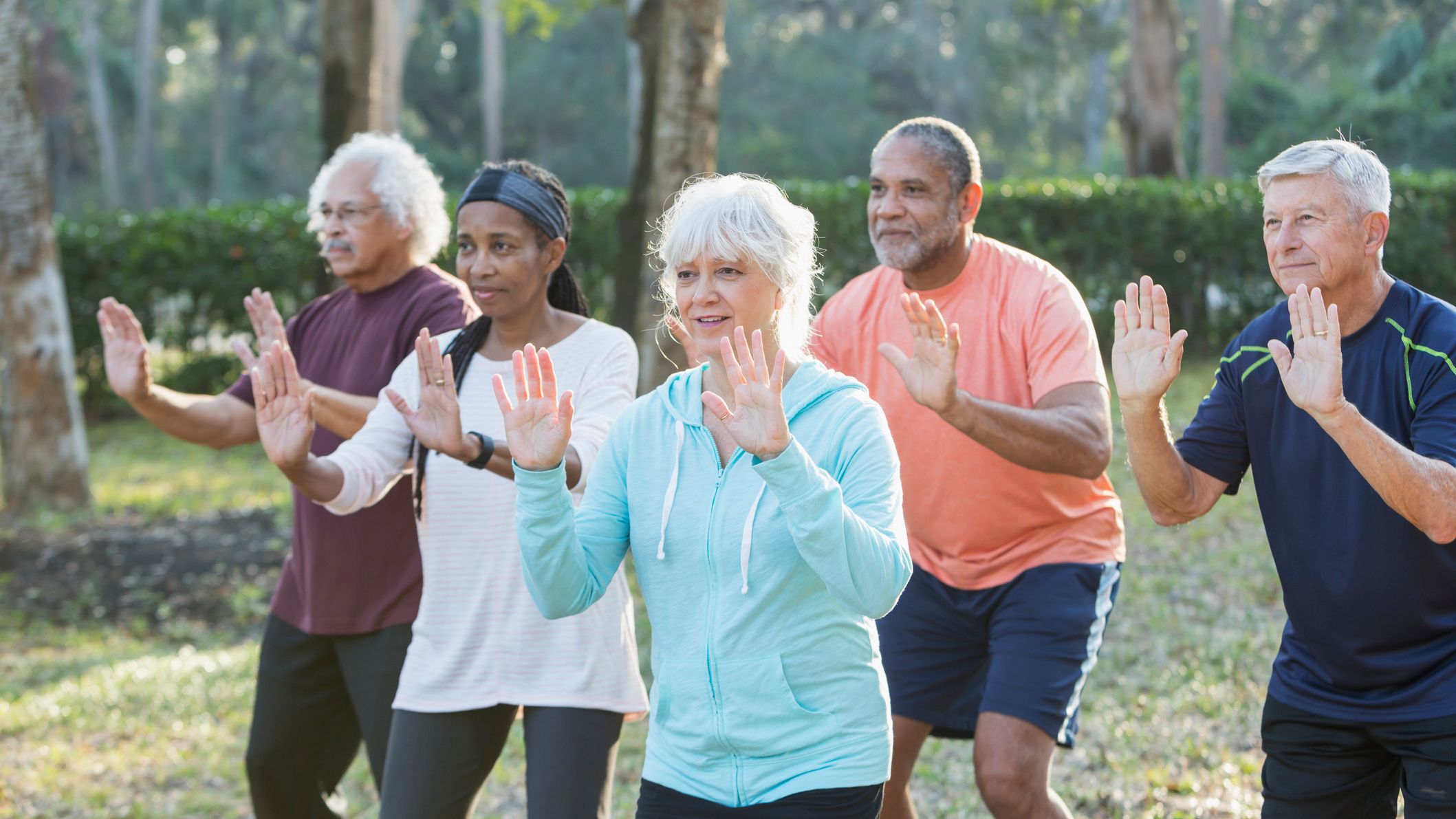
To the uninitiated observer, Tai Chi often resembles little more than a tranquil parkside choreography—a slow-motion sequence of graceful, flowing gestures practiced predominantly by older adults looking for a gentle way to stay active. For decades, Western perceptions of this ancient Chinese discipline have been largely defined by this surface-level aesthetic, categorizing it as a low-impact wellness routine rather than a rigorous physical science.
However, a quiet revolution is taking place in clinical and rehabilitative spaces across the United Kingdom and beyond. Far from being a passive exercise, Tai Chi is fundamentally a sophisticated martial art underpinned by intricate biomechanics, profound breathwork, and hyper-focused mindful movement.
At the forefront of this paradigm shift is Mark Peters, a leading UK-based Tai Chi and Qigong expert. Peters has dedicated his career to educating health and fitness professionals on how to utilize these ancient practices as powerful rehabilitative tools. Collaborating directly with the United Kingdom’s National Health Service (NHS), Peters has helped integrate Tai Chi into clinical pathways for fall prevention, cardiac recovery, and the management of chronic obstructive pulmonary disease (COPD).
This investigative feature explores the mechanics behind Tai Chi, breaking down why modern movement science is finally embracing the art, and detailing two foundational lessons that can completely alter how beginners understand their own bodies.
Detailed Chronology: From Ancient Martial Roots to Modern Clinical Integration
To understand why Tai Chi is so effective in a clinical rehabilitation setting, one must first trace its evolution from a lethal battlefield martial art to a refined discipline of internal power and health longevity.
The Martial Foundation
Historically developed in ancient China, Tai Chi Chuan (often translated as "Supreme Ultimate Fist") was engineered as a combat system. It relies not on brute muscular force, but on leverage, redirection, center-of-mass manipulation, and acute spatial awareness. Practitioners learned to neutralize an opponent’s attack by understanding the precise physics of their own body weight and momentum. Over centuries, as the need for battlefield combat diminished, masters extracted the profound health, longevity, and conditioning principles embedded within the martial forms, passing them down through generations.
The Western Misconception
When Tai Chi first gained traction in Western societies during the latter half of the 20th century, it was largely marketed through a wellness lens. Stripped of its rigorous biomechanical context, it was presented to the public as a sort of moving meditation. While this helped popularize the practice, it also fostered a widespread cultural blind spot: the assumption that Tai Chi required no physical exertion, possessed no structural integrity rules, and offered little value to serious athletes or clinical rehabilitation patients beyond basic mobility.
The Clinical Renaissance
The turning point came when exercise scientists and medical professionals began analyzing the physiological impacts of slow, deliberate movement. Researchers discovered that Tai Chi’s emphasis on weight shifting, lower-limb eccentric strength, and cognitive-motor coupling yielded profound neurological and musculoskeletal benefits.
Recognizing this potential, experts like Mark Peters stepped in to bridge the gap between ancient Eastern movement theory and Western evidence-based medicine. Peters began formulating structured educational standards for exercise professionals. In 2010, he authored the Tai Chi and Qigong Continuing Professional Development (CPD) standards for the Register of Exercise Professionals (REPs). Twelve years later, in 2022, he led the developmental team that established the official national standards for Tai Chi and Qigong under the Chartered Institute for the Management of Sport and Physical Activity (CIMSPA).
Today, Peters’ work with the NHS represents the culmination of this historical trajectory—transforming Tai Chi from an esoteric martial art into a standardized, prescription-grade rehabilitative modality deployed in hospitals and community health clinics across the UK.
Supporting Context & Metrics: The Science of Mindful Biomechanics
Most people—including seasoned fitness enthusiasts and athletes—operate on autopilot. When standing, walking, or lifting, human beings rarely analyze the micro-adjustments occurring within their skeletal and muscular systems. According to Peters, this lack of somatic awareness is the primary root of postural instability, joint degradation, and injury.
To demonstrate this during a hands-on session, Peters asked for a simple physical demonstration: rising onto the toes.
- Method A (The Habitual Way): Simply lifting the heels off the ground.
- Method B (The Tai Chi Way): Imagining pushing the floor away with the toes while ascending.
The physiological difference was immediate and striking. When focusing simply on lifting the heels, the body’s center of mass shifted forward, creating an inherent instability that required a compensatory lean or a quick step to correct. However, when the mental focus shifted to pushing the floor away, the brain redirected its neurological mapping toward the base of support. Although the body still elevated, the sensation of stability increased exponentially, and the forward tipping motion was vastly minimized.
This simple experiment highlights a core tenet of Tai Chi biomechanics: neuromuscular intent. By consciously altering where the brain directs its attention, a practitioner can fundamentally change how load is distributed across joints, tendons, and muscle chains.
Key Clinical Applications and Metrics
The integration of Tai Chi into healthcare systems is backed by a growing body of clinical data:
- Fall Prevention: According to public health data, falls are a leading cause of injury-related mortality and morbidity among adults aged 65 and older. Clinical trials have consistently shown that regular Tai Chi practice reduces the incidence of falls by up to 43% by improving proprioception, dynamic balance, and ankle-strategy reflexes.
- Cardiac Rehabilitation: Cardiac recovery programs utilize Tai Chi’s gentle aerobic conditioning and controlled breathwork to improve heart rate variability, lower resting blood pressure, and enhance endothelial function without over-taxing compromised cardiovascular systems.
- Respiratory Management (COPD): Patients suffering from chronic obstructive pulmonary disease often fall into dysfunctional breathing patterns, relying heavily on accessory muscles in the neck and shoulders. Tai Chi teaches diaphragmatic control and synchronizes movement with respiration, helping COPD patients optimize gas exchange and reduce breathlessness during exertion.
Official Statements and Expert Insights
The growing acceptance of Tai Chi within mainstream health frameworks is heavily driven by accredited experts who champion rigorous instructional standards. Mark Peters, whose credentials include CIMSPA accreditation and extensive collaboration with the NHS, emphasizes that the efficacy of Tai Chi depends entirely on how it is taught and understood.
"Tai Chi is fundamentally a martial art, underpinned by mindful movement, breathwork, and a complex system of biomechanics," Peters explains. "Most people don’t think about what their bodies are doing when they’re still or moving. When you change your mental focus, your physical structure naturally follows."
Addressing the common postural pitfalls observed in clinical settings, Peters notes how psychological perception dictates physical alignment:
"Where attention goes, energy flows. When people think of themselves, they imagine themselves in their head and their center shifts up. It puts you slightly off balance. If you lower your center, your body adjusts. Your knees soften, your neck feels long, and it lowers the physical center of gravity and improves stability."
By establishing standardized frameworks through organizations like CIMSPA and REPs, Peters and his contemporaries have ensured that healthcare providers can safely prescribe Tai Chi as a legitimate, evidence-based intervention rather than an alternative therapy based on guesswork.
Future Outlook: The Next Generation of Movement Rehabilitation
As healthcare systems globally shift their focus toward preventative medicine, lifestyle interventions, and non-pharmacological pain management, the trajectory for practices like Tai Chi has never been brighter.
The integration of ancient movement arts into modern clinical settings signals a broader cultural maturation in health and fitness. The false dichotomy between "hard" exercise (such as heavy lifting and high-intensity interval training) and "soft" exercise (such as stretching and yoga) is dissolving. Modern physical therapists and kinesiologists increasingly recognize that true physical fitness must encompass neurological control, structural integrity, and breath regulation.
In the coming years, we can expect to see:
- Expanded NHS Pathways: Further integration of Tai Chi and Qigong protocols into standard prescription models for chronic pain management, geriatric care, and neurological rehabilitation (such as Parkinson’s disease management).
- Technological Integration: The combination of Tai Chi biomechanics with wearable motion-capture technology, allowing researchers to precisely quantify improvements in balance, weight-shifting symmetry, and postural sway.
- Professional Standardization: Continued tightening of instructor accreditation standards, ensuring that anyone teaching Tai Chi in a clinical or fitness environment possesses a verified understanding of anatomy, physiology, and safe rehabilitative progressions.
Ultimately, Tai Chi’s journey from ancient battlefield training to modern clinical therapy serves as a powerful reminder: true physical strength is not merely about exerting force against the world, but about mastering the subtle, intelligent architecture of one’s own body.
Two Foundational Tai Chi Lessons for Beginners
For those inspired to explore the practice beyond its superficial stereotypes, Mark Peters outlines two fundamental lessons designed to help beginners access the necessary physical awareness:
1. Lower Your Center
When standing or moving, the human tendency is to hold tension in the upper body, pulling the perceived center of gravity up into the chest or head. This creates structural instability.
- The Practice: Bring your awareness downward. Imagine your center of gravity settling deep into your lower abdomen (the dantian).
- The Result: Your knees will naturally soften, your spine will lengthen, your neck will feel weightless, and your base of support will widen, dramatically improving stability.
2. Synchronize Movement with Breath
Dysfunctional movement often involves jerky transitions and disjointed breathing, which spikes blood pressure and exhausts accessory muscles.
- The Practice: Initiate simple movements—such as gently floating your hands up and down—in perfect harmony with your inhalation and exhalation. Peters advises visualizing the movement as though you are operating underwater or gently pressing down on a buoyant balloon.
- The Result: This exercise teaches the nervous system to couple respiration with physical exertion, promoting a calm, centered state of movement that forms the bedrock of all advanced Tai Chi forms.