Executive Overview
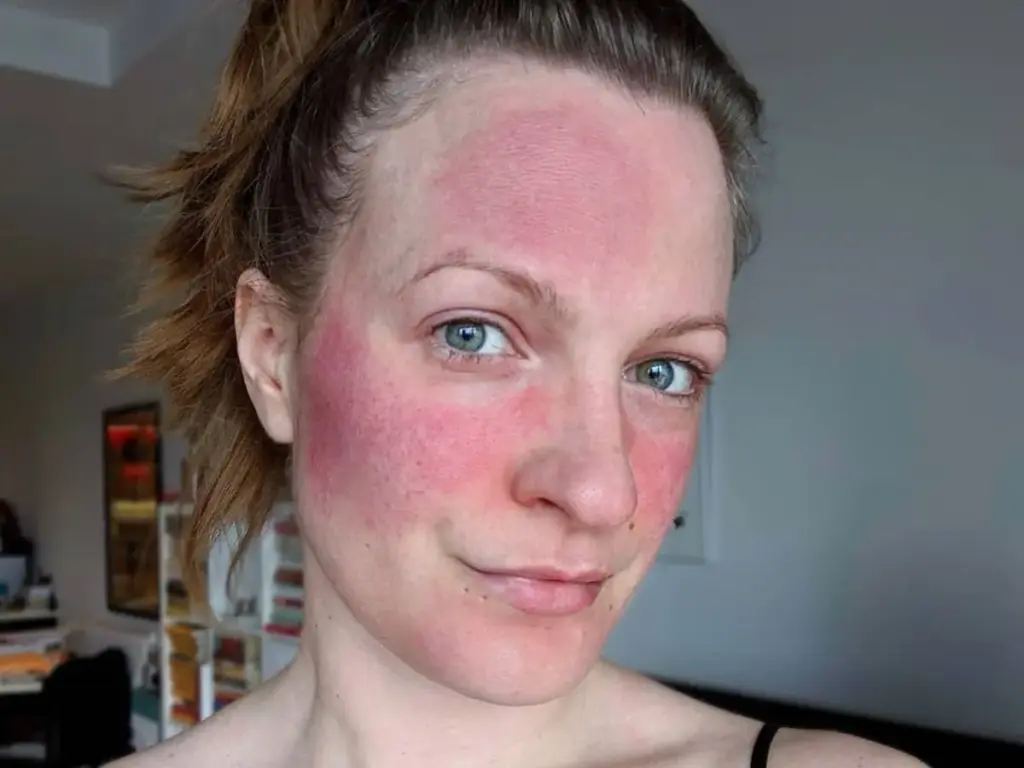
For millions worldwide, the mirror is not a tool for self-admiration, but a daily barometer of unpredictability. Chronic facial redness, sudden flushing, stinging sensations, and pustules are often brushed off as the result of a spicy meal, an intense workout, or simple embarrassment. However, for a significant demographic—predominantly individuals of fair skin entering their third decade of life—these symptoms are indicative of a deeply misunderstood, chronic dermatological condition: rosacea.
Historically marginalized as a purely cosmetic annoyance or colloquially misattributed to poor hygiene or excessive alcohol consumption, rosacea is, in reality, a complex vascular and inflammatory skin disorder. With no known cure, navigating a diagnosis can feel profoundly isolating. Patients are frequently cast adrift with little more than a prescription gel and a vague warning to avoid "stress."
This investigative report explores the multifaceted nature of rosacea, charting the journey from initial misdiagnosis to radical acceptance and expert-backed management. By examining clinical insights from leading dermatologists, dissecting the physiological triggers of the condition, and reviewing tried-and-tested skincare regimens, this feature aims to normalize atypical skin and empower those affected to reclaim control over their dermatological narrative.
Detailed Chronology: A Patient’s Journey from Confusion to Clarity
To understand rosacea is to understand its profound psychological footprint. The condition rarely arrives with a dramatic, textbook introduction; rather, it often creeps into a person’s youth as a persistent, unexplainable flush.
Consider the formative years of many individuals who eventually receive a diagnosis. In school sports teams, the familiar burning sensation of a face turning beet-red—long after physical exertion had ceased—is frequently written off as an inherited family trait. "Everyone in my family has a rosy complexion," is a common refrain, masking what is actually a predisposition to vascular reactivity.
As young adults transition into university life, the symptoms often escalate. Social settings, academic pressures, and lifestyle adjustments introduce new, agonizing variables. A brisk walk to a lecture hall resulting in an incandescent, pulsing face that lingers for hours; a night out requiring repeated trips to the nearest restroom to splash ice-cold water onto burning cheeks; or a casual late-night fast-food indulgence manifesting the next morning as a swollen, pustule-ridden visage—these are the hidden trials of the undiagnosed rosacea sufferer.
For years, many such individuals operate under the assumption that their skin is simply "sensitive" or reacting to a temporary allergen. The absence of a formal skincare routine further muddies the waters. When a physician finally delivers the sobering verdict—"It’s rosacea, and there is no cure"—the emotional fallout can be devastating.
In the early 2000s, before the advent of ubiquitous beauty content on social media, the diagnostic void was vast. Left to navigate the condition without targeted peer support or empathetic clinical guidance, patients often experienced profound isolation. Early interactions with the medical establishment could feel clinical and dismissive; receiving a harsh topical medication that felt like acid on the skin, paired with the implicit message that one was wasting a clinician’s time on a "superficial" vanity issue, left deep psychological scars.
It was only through grassroots digital communities—early internet forums where ordinary people shared their personal victories and devastating flare-ups—that patients began to piece together their individual trigger maps. This arduous journey from bewildered teenager to informed, empowered advocate underscores the critical need for better patient education and compassionate dermatological care from day one.
Supporting Context & Metrics: The Anatomy of a Complex Skin Disorder
To demystify rosacea, one must look beyond the surface redness and examine the physiological mechanisms at play. According to renowned consultant dermatologist Dr. Justine Kluk, rosacea is far more than a localized aesthetic concern.
"Rosacea is a chronic inflammatory skin condition characterized by facial flushing and persistent redness," Dr. Kluk explains. "It frequently manifests in a person’s thirties and has a higher prevalence among individuals with fair skin tones."
The Multi-Faceted Etiology of Rosacea
While the exact catalyst remains a subject of ongoing scientific inquiry, dermatologists agree that rosacea is driven by a convergence of genetic, environmental, and biological factors. Key contributors include:
- Genetic Predisposition: A family history of flushing or prominent facial capillaries significantly elevates risk.
- Vascular Abnormalities: Dysregulation in the facial blood vessels causes them to dilate too easily and fail to return to their normal state promptly.
- Immune System Responses: Abnormal inflammatory reactions to microscopic organisms normally residing on the skin, such as Demodex mites, play a major role.
- Hormonal Fluctuations: Internal chemical shifts can trigger sudden vascular dilation.
- Dietary and Environmental Triggers: External stimuli frequently provoke acute flare-ups.
Clinical Classifications of Rosacea
Dermatologists categorize rosacea into distinct subtypes, which can often overlap within a single patient:
- Erythematotelangiectatic Rosacea (ETR): Marked by persistent central facial redness, frequent flushing, and visible, dilated blood vessels (teleangiectasia).
- Papulopustular Rosacea: Often mistaken for adult acne, this subtype features persistent redness accompanied by acne-like papules and pustules.
- Glandular-Hyperplastic Rosacea: A more advanced form involving skin thickening and tissue enlargement, most commonly affecting the nose (rhinophyma).
- Ophthalmic Rosacea: Affects the ocular region, leading to dry, irritated, swollen eyelids, and a gritty sensation in the eyes.
"The progression often starts subtly with an inherent tendency to flush easily," notes Dr. Kluk. "Over time, this can evolve into permanent erythema across the nose and cheeks, accompanied by a cascade of uncomfortable symptoms—including dryness, flaking, a stinging or burning sensation, and heightened reactivity to standard skincare formulations."
Official Statements and Expert Protocols: Managing and Treating Rosacea
While rosacea cannot be permanently cured, modern dermatology offers an array of sophisticated tools to keep the condition in remission. Treatment strategies are generally bifurcated into lifestyle modifications, targeted topical and systemic therapies, and clinical interventions.
Medical and Clinical Interventions
When lifestyle adjustments and gentle OTC products fall short, dermatologists can prescribe targeted pharmaceutical interventions:
- Vascular Control: For patients suffering from severe flushing driven by anxiety or menopausal transitions, physicians occasionally prescribe medications traditionally used for anxiety or hypertension, such as low-dose beta-blockers or clonidine.
- Topical Therapies: Creams and gels containing azelaic acid or specific antibiotics help reduce inflammation and pustules. Newer treatments include ivermectin cream for its anti-inflammatory and antiparasitic properties, and brimonidin gel, which constricts dilated blood vessels to rapidly diminish surface redness.
- Laser and Light Therapy: For persistent, visible capillaries (telangiectasias) and chronic redness, vascular lasers (such as Pulsed Dye Lasers or Nd:YAG lasers) offer high efficacy in sealing off damaged vessels.
Lifestyle and Environmental Modifications
Trigger management is the cornerstone of long-term rosacea control. Widely recognized triggers include:
- Ultraviolet Radiation: Daily, broad-spectrum SPF is non-negotiable.
- Thermal Extremes: Hot baths, saunas, intense wind, and freezing temperatures can provoke vascular dilation.
- Physical Exertion: High-intensity workouts can trigger flare-ups, though cooling strategies and pacing can mitigate this.
- Dietary Factors: Spicy foods, excessive caffeine, and alcohol (particularly red wine) are frequent culprits.
- Psychological Stress: Cortisol spikes directly influence inflammatory pathways in the skin.
Future Outlook: A Holistic Routine for Sensitive Skin
Developing a skincare regimen for rosacea requires a philosophy of radical minimalism. Because compromised skin barriers are the norm, products must be selected with utmost care, favoring fragrance-free, soothing formulations—often found in French pharmacy staples like La Roche-Posay, Avène, and Bioderma.
Crafting a Tolerant Routine
The Evening Protocol
An effective evening routine prioritizes gentle cleansing and barrier repair without triggering thermal flush responses:
- Cleansing: Utilize a non-foaming, hydrating milk or fluid (such as La Roche-Posay Toleriane Cleansing Fluid) that lifts impurities without stripping the skin’s natural lipid barrier or causing a hot, tight sensation.
- Hydration & Repair: Layer a low-molecular-weight hyaluronic acid serum (La Roche-Posay Hyalu B5 Serum) followed by a minimalist, calming moisturizer (La Roche-Posay Toleriane Sensitive Fluid).
- Advanced Actives (With Caution): For patients in their mid-30s wishing to address early signs of aging, Vitamin A derivatives like retinol can be transformative. However, introduction must be glacial—starting with low concentrations twice a week, or pivoting to advanced retinoids like Medik8 Crystal Retinal under dermatological guidance to avoid excessive flaking and irritation.
Emergency and Morning Protocols
For days when flare-ups feel like an internal fire, targeted emergency products can provide immediate relief:
- Anti-Itch & Cooling: Sprays containing soothing mineral complexes (Bioderma Atoderm SOS Spray) offer immediate relief from stinging and pruritus.
- Thermal Relief: Storing cooling, anti-inflammatory masks (SkinCeuticals Phyto Corrective Masque) in the refrigerator provides instant relief for heat and tightness.
- Barrier Restoration: Balms rich in panthenol and madecassoside (La Roche-Posay Cicaplast Baume B5+) excel at repairing compromised skin barriers, soothing irritation, and locking in essential moisture.
Redefining the Narrative
The path to managing rosacea is rarely linear. It is paved with trial, error, and the occasional unexpected flare-up. Yet, as the medical community and digital spaces foster more open, honest conversations about atypical skin, the cultural stigma is slowly eroding.
Living with a chronic skin condition does not necessitate hiding behind heavy makeup or feeling perpetual shame. Atypical skin is not a measure of character, nor is it the most interesting facet of an individual’s identity. By normalizing conditions like rosacea, we strip them of their power to intimidate. Ultimately, the goal is not to achieve an impossible, filter-perfect perfection, but to foster skin health, resilience, and self-acceptance—ensuring that our skin no longer defines or controls how we live our lives.