Executive Overview
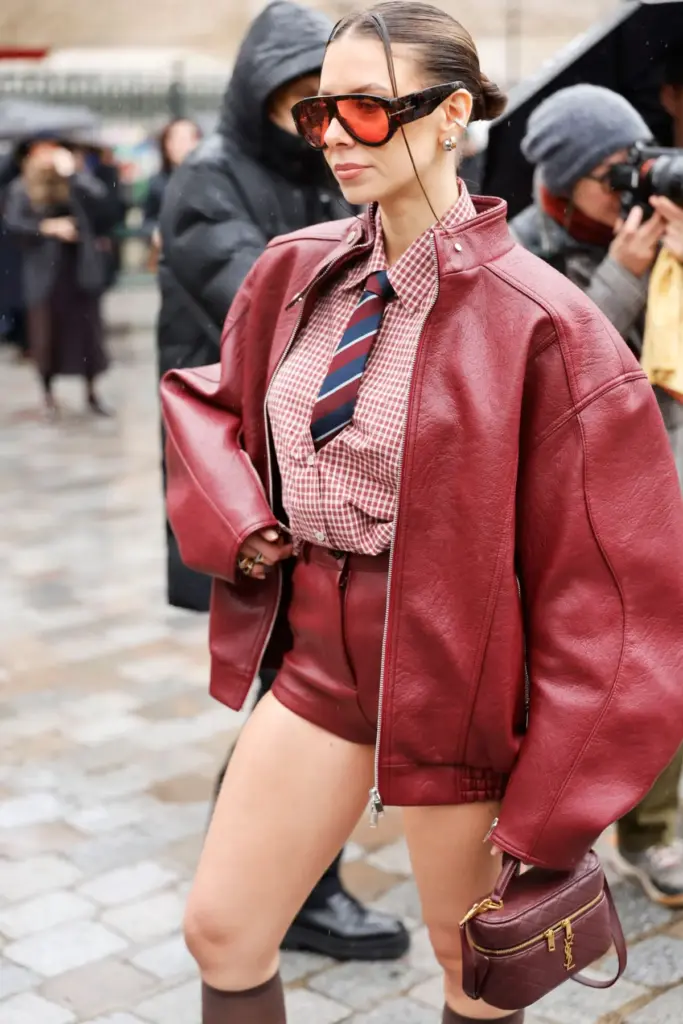
If there is one colour dominating wardrobes, runways, and street style this season, it is undeniably burgundy. Deep, rich, and infinitely more versatile than it first appears, this wine-inspired shade has decisively emerged as contemporary fashion’s ultimate answer to high-impact dressing without the reliance on blinding neon or primary brights. Moving far beyond traditional seasonal boundaries, burgundy—encompassing oxblood leather, merlot tailoring, cherry-toned dresses, and dark red accessories—is single-handedly proving that a sophisticated neutral palette does not have to mean defaulting to beige, black, or grey.
What separates this current color renaissance from past autumn revivals is its rare duality: it feels both deeply classic and radically directional. Whether incorporated through structural outerwear like Burberry’s cropped wool trench jackets, soft cashmere knits, or high-street statement pieces, burgundy is reshaping how designers and consumers approach chromatic depth. Supported by major fashion houses from Hermès to Zuhair Murad, this rich shade has transcended its historical autumn-only pigeonhole, establishing itself as a permanent fixture across spring collections and high-end couture alike. This comprehensive report explores the trajectory, styling dynamics, runway impact, and future longevity of fashion’s most intoxicating colour trend.
Detailed Chronology of the Trend
The ascension of burgundy from a traditional cold-weather accent to a dominant, year-round anchor colour did not happen overnight. Its modern resurgence can be tracked across several key milestones in recent global fashion weeks and retail buying cycles:
The Autumn/Winter Awakening
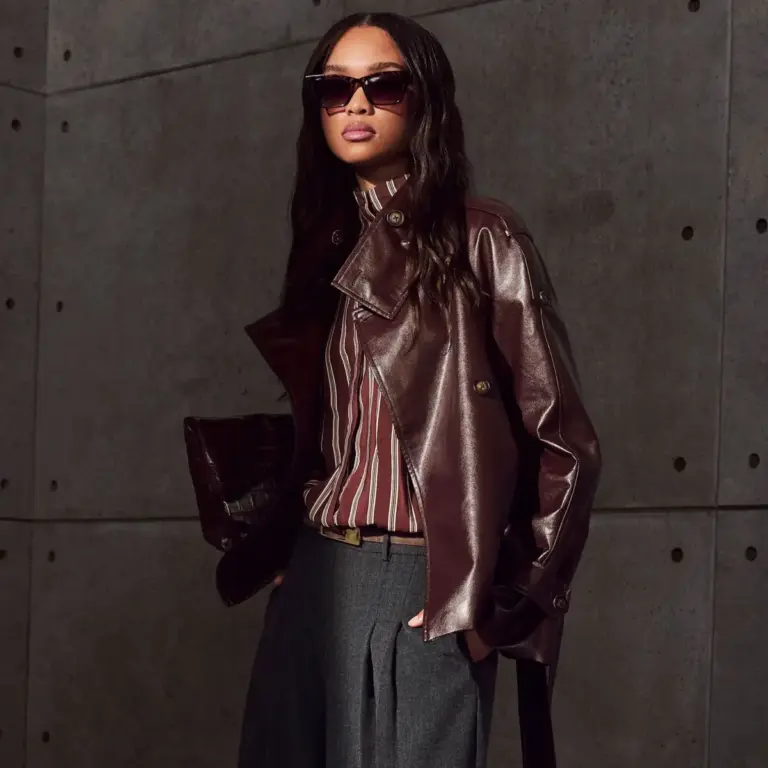
For years, dark red tones were safely relegated to velvet evening gowns or subtle leather accessories during the chillier months. However, the cultural shift began when major luxury houses stopped treating burgundy as a contrasting pop of color and instead elevated it to a primary base neutral. By introducing head-to-toe monochromatic looks in oxblood and merlot, designers demonstrated that deep red could carry an entire silhouette with the same authority traditionally reserved for black or navy.
The Runway Evolution (2025–2026 Collections)
The momentum culminated on the international catwalks, where designers reimagined the hue for both winter warmth and transitional spring weather:

- Hermès Autumn/Winter Collections: Creative director Nadège Vanhée integrated oxblood and iridescent burgundy into a moody, twilight-inspired collection. The pieces proved that the shade could carry the exact same architectural weight and modern edge as traditional black or heavy brown leather.
- Zuhair Murad Couture: Embracing the dramatic potential of the palette, Zuhair Murad utilized deep burgundy within a shadowy, multi-dimensional array of rich hues, reinforcing its place in high-end evening wear and elaborate beadwork.
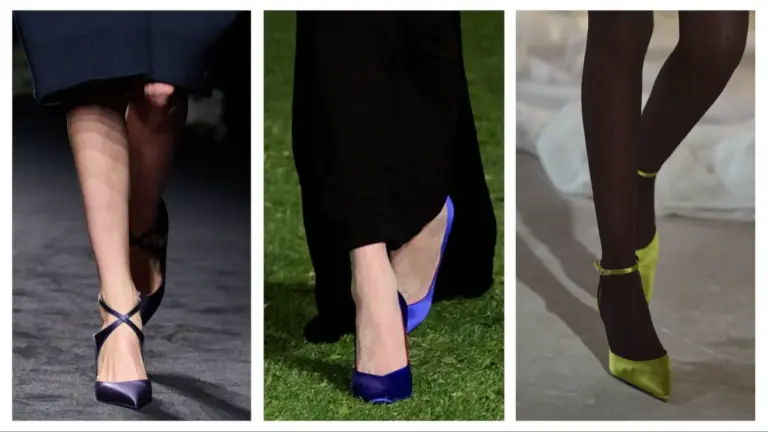
- COS Spring Collections: Defying the convention that dark reds belong exclusively to autumn and winter, brands like COS introduced oxblood pieces alongside unexpected contrasts like cobalt blue during their Seoul runway presentations. This cross-seasonal adaptation signaled a permanent evolution in how the color is perceived by modern consumers.
The High-Street and Retail Adaptation
As luxury labels codified the trend on the runway, high-street retailers quickly democratized the look. Brands like New Look incorporated croc-embossed textures and funnel-neck silhouettes into their seasonal preview lines, while heritage labels like Burberry and Whistles offered timeless leather goods, quilted outerwear, and fine-knit cashmere sweaters. This multi-tiered market adoption ensured that the trend was accessible to every demographic, solidifying its ubiquity in urban street style.
Supporting Context, Material Dynamics, and Styling Metrics
The enduring appeal of burgundy lies primarily in its exceptional interaction with texture. Unlike flat neutrals, deep wine and cherry tones act as a canvas that accentuates the tactile qualities of various fabrics.
The Material Spectrum
Burgundy transforms dramatically depending on the surface it touches:
- Glossy Patent Leather & Suede: High-shine patent leather amplifies the vampy, dramatic side of the color, while butter-soft suede mutes the tone into a warm, inviting rustic aesthetic.
- Satin & Silk: In lighter, fluid fabrics, burgundy captures light dynamically, shifting between deep purple undertones and bright crimson highlights.
- Cashmere & Wool: As seen in luxury offerings from brands like ARCH4 and Burberry, high-end wool and cashmere absorb the pigment, yielding a rich, tactile depth that feels inherently luxurious.
Complementary Color Palettes
Stylists and color theorists note that burgundy functions remarkably well as a bridge color. While it pairs naturally with established neutrals—such as jet black, chocolate brown, warm cream, and rich camel—it also creates stunning high-contrast pairings with unexpected shades. Style influencers have increasingly embraced pairing burgundy with powder pink, icy blue, and even vivid pops of primary red, proving its flexibility within an avant-garde wardrobe.
Official Statements and Industry Insights
Top-tier designers and retail curators have continuously underscored the psychological and aesthetic shift driving the burgundy phenomenon.

Industry analysts point to consumer fatigue with minimalist, sterile neutral trends (such as hyper-neutral "quiet luxury" beige regimes) as a primary catalyst for the rise of rich color. Consumers are seeking emotional resonance and warmth in their wardrobes without sacrificing sophistication.
Design houses have echoed this sentiment through their material choices. A spokesperson for heritage outerwear manufacturing noted during recent collection previews:
"Burgundy offers the gravitas and authority of black, but introduces a layer of warmth, romance, and historical depth that flat black simply cannot achieve. It is a color that commands attention in a room without ever needing to shout."
Furthermore, trend forecasters have emphasized that the accessibility of accessories—such as structured saddle bags, croc-embossed hobo bags, and knee-high boots—has lowered the barrier to entry for cautious dressers, allowing them to test the waters of rich color trends before committing to full monochromatic ensembles.
Future Outlook: The Longevity of Rich Red
As the fashion industry looks toward upcoming design cycles, all indicators suggest that burgundy is shedding its temporary "trend" status to become a permanent foundational pillar in modern wardrobes.

Integration into Core Collections
Where seasonal colors typically experience a sharp spike followed by an immediate decline in consumer interest, burgundy is being re-engineered by major buying houses as a perennial staple. Much like navy blue or forest green, oxblood and merlot are now expected to anchor basic knitwear, tailoring, and leather goods year after year.
Sustainable and Investment Dressing
With consumers increasingly prioritizing sustainable purchasing habits and cost-per-wear metrics, versatile investment pieces—such as a classic wool trench, a structured leather handbag, or a high-grade cashmere cardigan in burgundy—represent safe yet stylish long-term wardrobe additions. Because the color bridges the gap between classic heritage and modern edge, it resists rapid obsolescence.
Ultimately, burgundy has proven that it is much more than a fleeting autumn fad. By offering a sophisticated alternative to traditional dark neutrals while maintaining unmatched versatility across seasons, fabrics, and styles, rich red has permanently secured its place at the pinnacle of modern fashion.