Executive Overview: As the relentless pace of modern life, screen fatigue, and hyper-connectivity continue to drain our mental and physical energy, a profound cultural counter-movement is taking shape behind closed doors. Today’s intimacy trends are not defined by the technological novelties of the past decade, but rather by an intentional pushback against burnout. According to leading sex and relationships experts, contemporary pleasure-seeking is undergoing a sophisticated evolution—one that treats sex not as a spontaneous reflex, but as a deliberate, learned skillset, an emotional landscape, and a cornerstone of holistic wellness.
The Modern Shift: Moving Beyond the Burnout
It is easy to overlook sex as something that shifts with the cultural tides, yet human pleasure-seeking has always mirrored the anxieties and transformations of the era. If previous years were defined by a rush toward hyper-efficiency and digitally mediated experiences, the current landscape of intimacy is defined by a collective exhale. People are exhausted. The modern individual is perpetually overstimulated, overheated in the metaphorical sense of chronic stress, increasingly lonely, and inextricably glued to glowing screens.
Yet, rather than retreating further into digital numbness, people are rolling up their sleeves and putting in the work required to get more out of their sex lives.
"I’m seeing people become much more intentional about their sex lives," says Gigi Engle, a COSRT-registered, GSRD-accredited sex and relationships psychotherapist and author of Kink Curious. "Rather than treating sex as something that should just happen naturally without any prep, they’re investing in learning, communicating, and understanding what actually creates desire."
This transition marks the elevation of intimacy into a learned art form. Alongside Engle, sex and relationships coach Lucy Rowett observes a widespread desire to "uncouple" from technology. "We’re all overstimulated, overheated—and not in a sexy way—burned out, increasingly lonely, and yet glued to our phones," Rowett notes. "It makes sense that we’re looking to go back to basics with intimacy and actually connect—with our own bodies and partners."
This does not mean technology has been entirely banished from the modern bedroom. Rather, couples and individuals are becoming radically more selective about the tools they use, ensuring that every piece of tech serves a deliberate purpose rather than acting as an intruder in the sacred space of connection.
Detailed Chronology of an Intimacy Revolution
To understand how we arrived at this pivotal moment in contemporary wellness, it helps to examine how the cultural conversation surrounding sex has evolved over recent years:
- The Hyper-Digital Expansion (Late 2010s): The market was flooded with app-based dating culture, algorithm-driven hookup apps, and a heavy reliance on high-tech, high-speed gratification. Sex was frequently treated as an instantaneous fix for boredom or stress, mirroring the broader gig-economy mindset of immediate availability.
- The Pandemic Pivot and Isolation (2020–2022): Lockdowns forced individuals and couples into close quarters, inadvertently exposing communication gaps and relationship friction. While sales of sex toys surged, many experienced a new kind of fatigue born from too much screen time and not enough genuine physical and emotional safety.
- The Rise of Pop-Culture Normalization (2023–2024): Mainstream media—through television shows like Sex Education and Open House: The Great Sex Experiment—began demystifying adult education, moving conversations about consent, alternative practices, and workshops out of dark Reddit threads and into the daylight.
- The Intentional Pleasure Era (Present Day): Today, we see the culmination of these shifts. Intimacy has formally integrated with the wellness movement. People are prioritizing slow sex, emotional foreplay, mindfulness, and device-free bedrooms as non-negotiable pillars of mental health and relationship longevity.
Supporting Context & Metrics: The Anatomy of Modern Desire
As intimacy is increasingly recognized as a vital component of holistic health, researchers and practitioners are identifying key behavioral shifts that define how modern adults approach their sexual wellbeing.
1. Emotional Foreplay as the Foundation of Arousal
Physical touch rarely begins in the bedroom; for many, it starts hours or days earlier. "Feeling appreciated, sharing the mental load, flirting throughout the day, and creating emotional safety all contribute to desire," Engle explains. "For many people, what happens outside the bedroom determines the quality of sex they’re going to have."
This dynamic is particularly pronounced among women, though its benefits are universal. "Most women need some sort of emotional connection or emotional safety in order to open up sexually," Rowett notes. Crucially, this does not require hours of heavy, emotionally taxing processing. Simple gestures—checking in during a busy workday, sending a spontaneous romantic text, or setting up a favorite comfort show with a warm beverage—signal care and reduce cognitive friction, making it easier to transition into a receptive state.
2. Mindfulness and Conscious Edging
In a society addicted to speed, slowing down has become an act of radical rebellion. "We’re so used to rushing and working to the point of burnout that slowing down has become almost radical," Engle says. Mindfulness practices help individuals remain anchored in their physical sensations rather than retreating into the anxious chatter of their own minds.
This has fueled the mainstream adoption of conscious edging—the practice of bringing oneself or a partner to the brink of an orgasm before deliberately slowing down to prolong the experience. Rooted in ancient tantric traditions, edging shifts the goal of sex away from a race to the finish line. "I love that a technique that used to be looked at as ‘woo-woo’ is becoming more popular," Rowett observes. It allows partners to appreciate pleasure across the entire body, transforming intimacy into an expansive journey rather than a transactional climax.
3. The Reimagining of Masturbation as Wellness
No longer relegated to the shadows of shame, solo pleasure is increasingly viewed as an essential self-care ritual. Orgasms trigger a powerful biological cascade: they lower stress hormones like cortisol while flooding the system with feel-good neurochemicals such as oxytocin and prolactin.
Beyond emotional uplift, masturbation serves as a potent, zero-cost sleep aid. "Isn’t it awesome that instead of spending lots of money on supplements and fancy blackout sleep masks, one of the most effective sleeping aids is basically free?" Rowett points out. Integrating solo pleasure into a nightly wind-down routine is quickly becoming as standard as skincare.
4. Analog Toys and Tactile Exploration
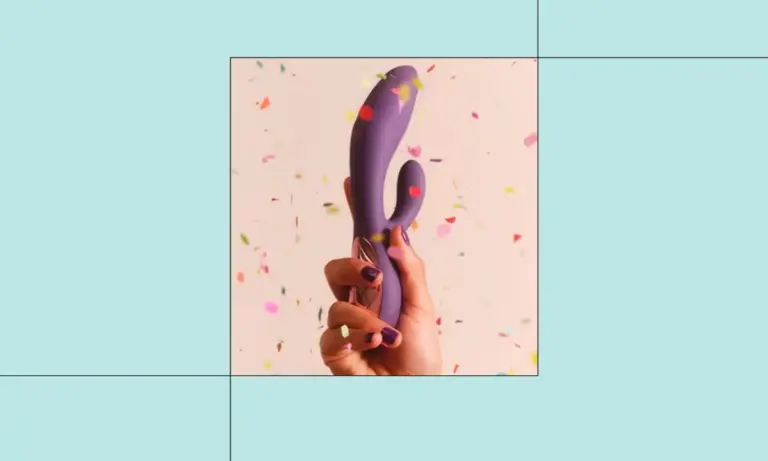
While buzzing vibrators remain a bedroom staple, a distinct counter-trend is emerging in the realm of adult novelties. Enthusiasts are turning away from high-powered motors and toward analog, tactile experiences.
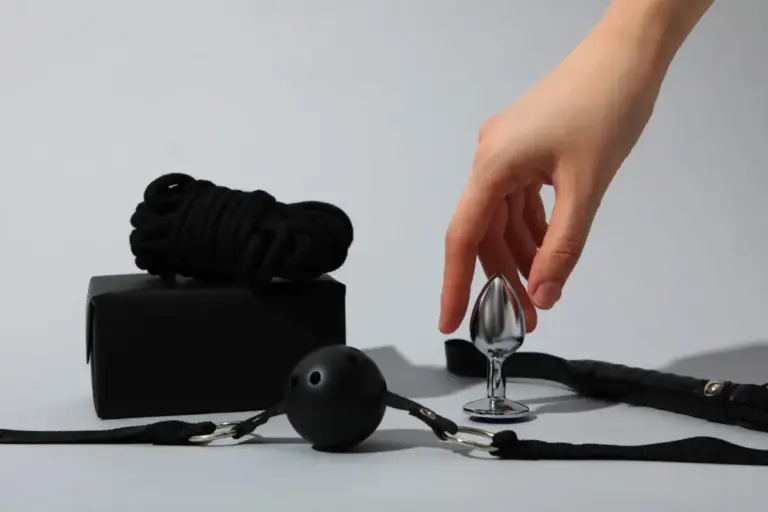
"There’s growing interest in toys that offer different sensations to vibration," Engle says. "People are exploring texture, pressure, temperature, and positioning instead of assuming stronger vibration equals better pleasure." Tools like steel and crystal wands, heavy silicone shapers, and temperature-play implements encourage a deeper somatic curiosity. "This also ties in with the general movement to uncouple from tech and become more analogue again," Rowett adds.
Official Statements and Expert Insights
The shift toward intentional intimacy is backed by seasoned professionals who witness these transformations firsthand in clinical settings and coaching sessions.
"People are realizing that faster doesn’t necessarily mean better. Slowing down builds anticipation, creates more opportunities for communication, and gives the body time to fully respond."
— Gigi Engle, Psychotherapist and Author
The parallel push to dismantle the stigma surrounding adult education has also changed the demographic of those seeking guidance. Where professional coaching or workshops were once viewed as a last resort for distressed relationships, they are now embraced as proactive tools for personal growth.
"It used to be something you’d have to consult Reddit threads for or Google late at night in an incognito tab, hoping your partner never found it. Now, grownups are realizing that good sex isn’t something you’re born knowing how to do—it’s an education worth investing in."
— Lucy Rowett, Sex and Relationships Coach
Furthermore, the physical environment of the bedroom is undergoing a strict audit. The intrusion of the smartphone—often dubbed the "third partner" in modern relationships—is being systematically rolled back.
"Our phones compete with our sex lives every night. Couples who put their devices away create more opportunities for conversation, affection, and spontaneous connection."
— Gigi Engle
Future Outlook: Where Intimacy Is Headed
As we look toward the horizon of modern relationships, the trajectory of sexual wellness points toward deeper integration with mental health, emotional intelligence, and technological mindfulness.
- De-stigmatization of Continuing Sexual Education: Just as fitness coaching and mental therapy have shed their cultural taboos, adult sex education workshops, somatic coaching, and couple’s communication clinics will likely see wider mainstream acceptance and corporate wellness integration.
- The Rise of "Low-Tech" Sanctuaries: Bedrooms are poised to become strict digital-free zones. The physical separation of smartphones from the sleeping environment will continue to gain traction as a fundamental prescription for both insomnia and declining libido.
- Holistic Pleasure Metrics: Success in the bedroom will no longer be measured by frequency or climax metrics alone. Instead, individuals will evaluate their sexual health based on emotional resonance, nervous system regulation, and the quality of connection—marking a permanent transition from mechanical output to mindful presence.
Ultimately, the modern renaissance of intimacy proves that when the world outside becomes too fast, too loud, and too screen-driven, humanity’s most enduring instinct is to slow down, reach out, and reconnect with what is real.