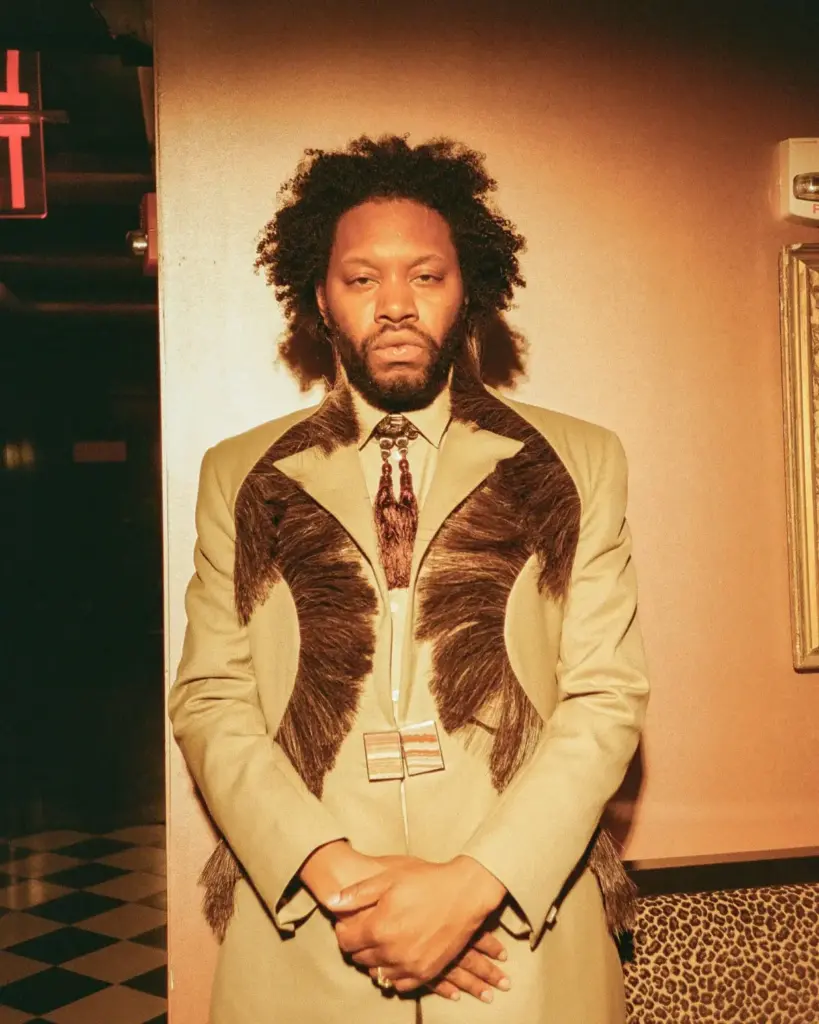
In the contemporary cultural landscape, few figures command attention across as many mediums as Jeremy O. Harris. Playwright, screenwriter, producer, and cultural provocateur, Harris has spent the past decade dismantling traditional boundaries between elite art institutions and the vibrant, often chaotic pulse of digital media. Known for his groundbreaking Broadway debut Slave Play—which earned a historic 12 Tony Award nominations—Harris has evolved from an insurgent voice in American theater into an influential industry architect.
Recently sitting down with writer and podcaster Carey for PAPER’s Coolest Person in the Room series, Harris offered a rare, unvarnished look into the realities of modern creative production. Their sprawling conversation traversed the grueling demands of the entertainment industry, the perils of parasocial celebrity culture, the corporate erosion of artists’ mental health, and Harris’s ongoing mission to democratize access to the arts.
This profile examines Harris’s trajectory, his philosophy on protecting working-class creatives through his newly established production infrastructure, and his acute observations on how internet culture continues to reshape the boundaries of modern storytelling.
Detailed Chronology: From Yale New Haven to Global Production
To understand Jeremy O. Harris’s current institutional footprint, one must trace a rapid, almost dizzying ascent through the upper echelons of contemporary American arts and entertainment.
The 2016 Genesis and the Academic Crucible
Harris and Carey first crossed paths in New York City in 2016 during an all-night celebration in Brooklyn, right around the time Harris was packing his bags to begin his MFA studies at the Yale School of Drama. At that juncture, Harris was an emerging voice on the periphery of the New York theater scene. Looking back, both artists reflect on the stark shift of the subsequent decade—a period that transformed Harris from an impoverished student into one of the most sought-after multidisciplinary writers and producers in the English-speaking world.
The Breakthrough of Slave Play and Industry Expansion
Following his tenure at Yale, Harris detonated onto the cultural consciousness with Slave Play, an incendiary examination of race, sex, and history in America. The production made waves not only for its theatrical audacity but for Harris’s insistence on accessibility. He spearheaded initiatives to secure subsidized and free tickets for Black audiences, directly challenging the exclusionary, upper-middle-class demographics that traditionally dictate theatrical attendance.
In the years following his Broadway success, Harris’s output expanded exponentially across television and film:
- Television Production: He served as a producer on Seasons 1 and 2 of HBO’s cultural phenomenon Euphoria, helping shape its distinct aesthetic and narrative texture.
- Film Curations and Collaborations: His acute eye for internet-native storytelling and raw subcultural pulses led him to champion independent cinematic masterworks, including Janicza Bravo’s Zola (adapted from a viral Twitter thread).
- International Projects: Recent credits include his work on Erupcja (often Anglicized in discussions as Yurupsa), alongside television development projects like The Wives.
- Directorial Debuts: In a recent pivot, Harris expanded his repertoire by stepping behind the camera to direct his first music video in Los Angeles, signaling a continued refusal to be pigeonholed as strictly a stage or television writer.
Supporting Context & Metrics: The Human Cost of Creative Output
Behind the glossy veneer of international premieres, red-carpet appearances, and prestigious production deals lies an increasingly hostile corporate environment for writers. Harris and Carey dedicated a significant portion of their dialogue to dissecting the modern "grind culture" of Hollywood and Broadway, drawing sharp parallels to Lena Dunham’s reflective insights in her literary work Famesick.
The De-personalization of the Modern Writer
Both creators expressed deep frustration with the corporate expectation that writers operate as disembodied, automated factories rather than living, breathing human beings navigating complex personal lives. Harris recounted harrowing parallels to Dunham’s experiences regarding grief and bereavement:
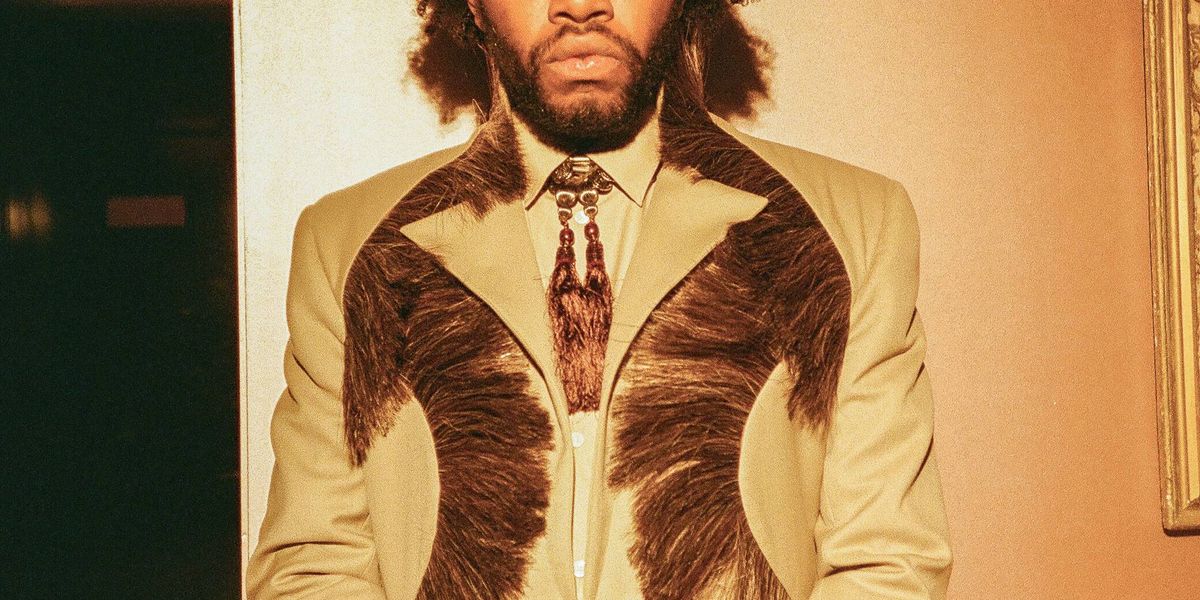
"She was basically telling everyone, ‘Hey, my uncle might be dying… When that happens, I’ll need three weeks.’ And when he passed, everyone saying, ‘I think the most we can give you is three days.’ That was literally almost verbatim what happened to me when my grandpa died and then my grandma died… Can you grieve in 72 hours and come back to us?"
This systemic lack of empathy, Harris argues, stems from an industry that views art purely as a fungible product rather than an extension of an individual’s psychological and emotional core. When executives demand adherence to rigid deadlines regardless of personal tragedies, writers are forced to place their actual lives on the back burner—a dangerous balancing act that frequently leads to burnout, alienation, and psychological distress.
Democratizing Access and Dismantling Class Barriers
A central pillar of Harris’s ethos is his working-class background. Growing up in relative poverty in Danville, Virginia, Harris remains sharply critical of how class privilege dictates who is allowed to participate in the arts—both as creators and as consumers.
While upper-middle-class and wealthy elites take institutional access for granted, Harris argues that storytelling should be as universally accessible as playing soccer:
"Outside of America, it is not expensive to play football. It is the cheapest sport in the world to play. I think telling a story should be the most accessible thing in the world to us… People should be able to pay for this the way they pay to go see the World Cup."
He voiced open bewilderment at skyrocketing ticket prices for hit theatrical runs—such as Oh Mary!, where tickets routinely command $400 to $500—arguing that working-class families and young people are systematically priced out of cultural participation unless deliberate, structural interventions are made.
Official Statements and Industry Insights
Throughout their conversation, Harris and Carey provided incisive commentary on the mechanics of the entertainment business, the peculiarities of internet fandoms, and the shifting definitions of literacy in the digital age.
Protecting the Artist: The Birth of a Production Company
Prompted by the isolation and economic instability of the COVID-19 pandemic, Harris launched his own production company with producing partner Josh Godfrey (formerly of K Period Media, the banner behind Manchester by the Sea).
The company grew organically out of Harris’s pandemic-era mutual aid efforts, which included funding slush accounts for the New York Theater Workshop, establishing rent-relief "pet project grants" in partnership with the Bushwick Starr, and collaborating with the theater collective Fake Friends.

"I really try to, especially in my company, to protect writers and celebrate writers and really make a place for them to do their best work… I don’t think that, in a product-focused arena, when filmmaking or theater making becomes about the product and not about the process, we forget about the person who created this thing."
The Internet, Literacy, and Parasocial Media Culture
As someone deeply fluent in digital discourse, Harris offered a nuanced take on how internet subcultures, TikTok, and social media platforms dictate contemporary sensibilities. However, he also issued cautionary warnings regarding the toxic parasocial vitriol directed at public figures.
Reflecting on the digital pile-ons directed at young celebrities—such as the intense backlash faced by Lena Dunham in the early 2010s or modern reality television contestants—Harris observed:
"The amount of grace no one lent her because everyone was so jealous… She was literally 24. 40-year-old men were saying evil things about her. And I’m like, I get it. We all want to be the one who gets to do it when they’re 20, but also, it’s not great. It doesn’t feel good."
Furthermore, Harris and Carey explored the linguistic shifts occurring among Gen Z, noting how digital education and "Zoom school" have altered traditional literacy and pronunciation, giving rise to unique cultural vernaculars that writers must navigate without losing touch with foundational texts.
Future Outlook: Cultivating the Next Generation of Wonderkinds
Despite the friction points of modern development hell and corporate interference, Harris remains intensely optimistic about the future of storytelling, largely due to the fresh wave of emerging talent he actively champions through his residencies and mentorship initiatives.
When asked who is currently energizing him within the literary and cinematic spaces, Harris highlighted a dynamic roster of fresh voices:
- Alex Ullom: A Gen Z wunderkind whose upcoming film with Neon, 4 X 4: The Event, showcases an exquisite command of prose and narrative tension.
- Rianna Simons and Asa Haynes: Standout writers emerging from Harris’s collaborative Gucci-sponsored substratum residency.
- Charlie Oh: An innovative playwright whose sharp scripts have recently entered Harris’s radar.
- Camryn Lewis: A Danville, Virginia native, writer-director, and Telluride alumnus who transitioned from connecting with Harris’s mother to developing his own independent cinematic projects in Chicago.
Conclusion: Writing for the Long Haul
Offering definitive advice to aspiring writers, Harris dismantled the mechanical formulas peddled by conventional screenwriting guidebooks (such as Save the Cat!), advocating instead for an insatiable appetite for reading across all mediums—plays, screenplays, and literature alike.
For Jeremy O. Harris, the ultimate goal of a creator is not to manufacture a frictionless, mass-produced commodity designed solely for instantaneous commercial return, but to endure the long, often arduous process of bringing something genuinely unique into the world. By building protective infrastructure for writers and steadfastly refusing to divorce art from human empathy, Harris continues to prove why he remains the coolest, most essential person in any room he enters.