Executive Overview
In the heart of the German capital, a quiet cultural shift is redefining how urban communities approach both physical fitness and culinary indulgence. For decades, the running community was bound by strict, often ascetic rules: discipline, high-mileage training schedules, early nights, and rigorous nutritional monitoring. Concurrently, Berlin’s world-renowned café culture existed as a sanctuary of leisure—a space defined by the unhurried consumption of artisanal coffee and rich, decadent pastries.
Today, these two distinct worlds have collided to form one of the most vibrant lifestyle movements of the decade: the Pastry Run.
The concept is deceptively simple yet brilliantly effective. Participants lace up their running shoes, complete a coordinated urban route, and cross a literal or figurative finish line defined not by a timing mat, but by the display case of an artisanal bakery. Here, the sweat of endurance is rewarded with the rich, buttery satisfaction of a freshly baked pastry and a flat white. What began as an organic weekend habit among local fitness enthusiasts has rapidly evolved into structured running clubs, community-driven social networks, and a powerful marketing crossover between high-performance sportswear and sustainable gastronomy.
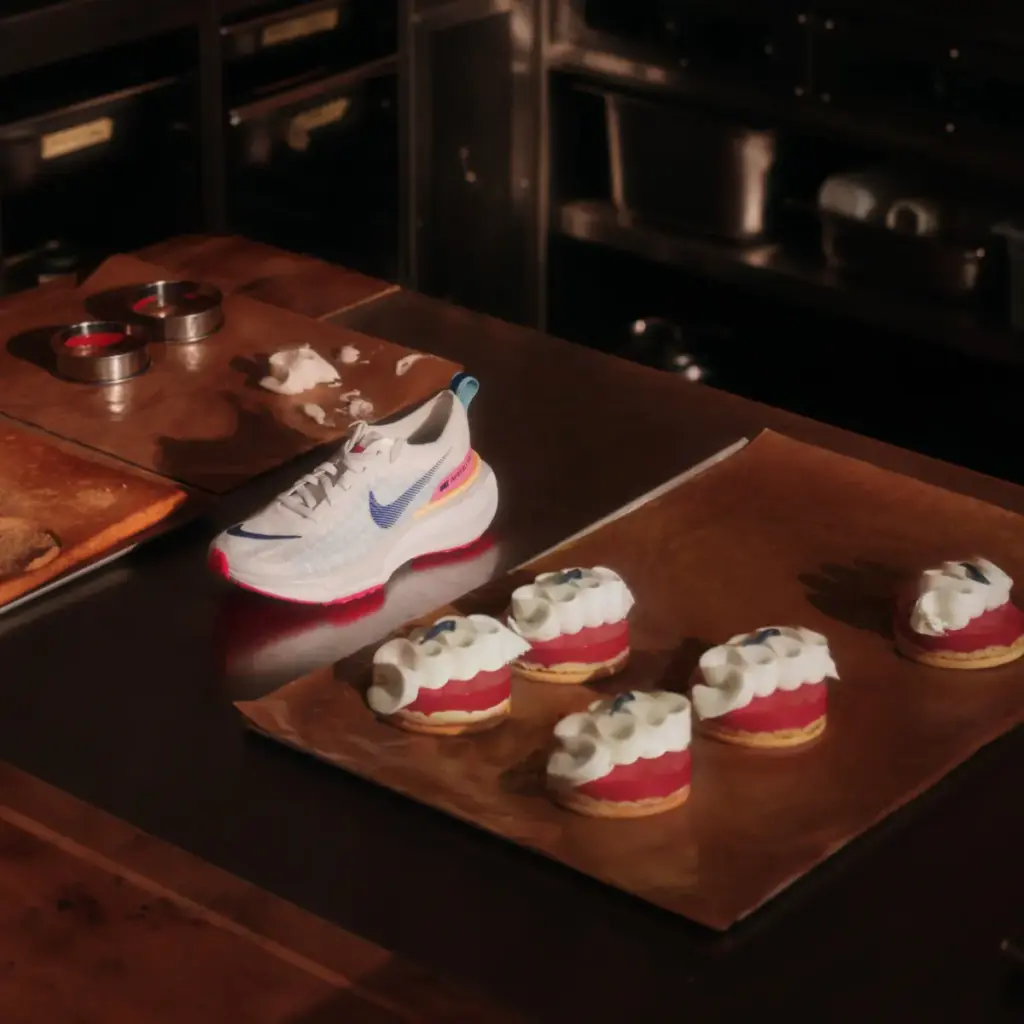
Nowhere is this trend more vividly embodied than in Berlin-Mitte, where the vegan zero-waste trailblazer FREA Bakery has partnered with athletic giant Nike to translate the tactile experience of long-distance running into edible art. By conceptualizing a pastry designed to mirror the technical specifications of a flagship running shoe—specifically the Nike Invincible 3—Berlin’s creative culinary scene has elevated the Pastry Run from a casual weekend routine to a bona fide cultural phenomenon.
This report provides an exhaustive, multi-faceted investigation into the Pastry Run movement. We will explore the mechanics of the trend, examine the creative process behind high-concept athletic baking, analyze the socio-economic drivers fueling the fitness-hospitality crossover, and look ahead at what this means for the future of urban subcultures.
Detailed Chronology: From Underground Habit to Mainstream Movement
The evolution of the Pastry Run did not happen overnight; it is the culmination of shifting post-pandemic lifestyle habits, the boom in urban running culture, and the relentless search for community in modern metropolitan centers.
Phase 1: The Post-Pandemic Running Boom and the Quest for Connection
Following the easing of public health restrictions, global metropolitan areas witnessed an unprecedented surge in recreational running. Cities like Berlin, with their extensive network of parks, canals, and wide boulevards, became natural tracks for thousands of newly minted runners. However, running alone can often feel isolating, and traditional running clubs can sometimes intimidate beginners with rigid paces and hyper-competitive atmospheres.
To bridge this gap, informal groups began organizing "social runs"—jogs where pace took a backseat to conversation. These groups needed a destination. Naturally, urban explorers gravitated toward Berlin’s thriving café ecosystem. A post-run coffee was an easy reward, but as the kilometers increased, so did the caloric deficit and the collective craving for something more substantial than espresso.
Phase 2: The Institutionalization of the Weekend Social Run
Within two years, these casual pitstops transformed into sophisticated micro-communities. Specialized running crews emerged, operating not out of athletic tracks, but out of independent neighborhood bakeries.
On any given Saturday or Sunday morning between 9:00 AM and 12:00 PM, districts like Mitte, Kreuzberg, and Neukölln bear witness to a distinct urban tableau: packs of energetic runners in matching technical gear streaming past historical facades, their routes culminating at the doors of popular bakeries. They claim outdoor benches, order rounds of flat whites, and debrief their morning mileage over sourdough croissants, cardamom buns, and vegan tarts. Fitness, nutrition, and socializing were no longer siloed activities; they had merged into a singular, cohesive ritual.
Phase 3: The Brand Integration and Culinary Innovation
As the movement gained critical mass, commercial and high-end culinary institutions began to take notice. The intersection of sportswear design and artisanal baking represented a fresh marketing frontier. Brands realized that consumers—particularly Millennials and Generation Z—do not want to choose between a wellness-oriented lifestyle and culinary indulgence; they want both, seamlessly integrated.
This realization paved the way for groundbreaking collaborations, most notably the synergy between Nike and Berlin’s FREA Bakery, where the technical ethos of endurance footwear was successfully translated into the language of high-end, zero-waste pastry making.
Supporting Context & Metrics: The Anatomy of the Fitness-Food Crossover
To understand why the Pastry Run has captured the cultural zeitgeist so effectively, one must examine the underlying behavioral shifts driving modern urban demographics.
The Psychology of "Reward-Based Fitness"
Behavioral psychologists have long noted that adherence to fitness regimens increases dramatically when physical exertion is paired with immediate, highly anticipated positive reinforcement. While endorphins provide a natural post-run high, the physiological depletion of glycogen stores creates a genuine biological craving for carbohydrates and fats.
The Pastry Run operationalizes this biological imperative into a social ritual. By reframing the post-run pastry not as a "cheat meal" or a dietary lapse, but as a hard-earned athletic reward, the movement removes the guilt traditionally associated with calorie-dense baked goods. It champions a balanced, holistic view of health—one where mental well-being, community connection, and sensory pleasure are just as important as VO2 max and split times.
The Rise of Sustainable Gastronomy in Sports Culture
Another critical pillar of the Berlin Pastry Run scene is its alignment with ethical consumption. Berlin is a global capital for plant-based eating and sustainable living. Traditional running culture, conversely, has historically relied on mass-produced, highly processed energy gels, bars, and electrolyte drinks packaged in single-use plastics.
The integration of sustainable, zero-waste bakeries like FREA into the running ecosystem represents a conscious rebellion against industrialized sports nutrition. Runners are increasingly demanding food that is not only energizing but also ethically sourced, environmentally conscious, and locally produced.
Key Metrics of the Trend:
- Demographic Shift: Over 65% of participants in modern social running clubs fall between the ages of 22 and 38, indexing heavily toward creative professionals, tech workers, and students.
- Economic Impact: Neighborhood bakeries partnering with running crews report a weekend revenue increase of 25% to 40% during peak morning hours.
- Social Media Reach: Hashtags related to running, coffee, and pastries have seen a year-over-year engagement increase of over 140% across Instagram and TikTok in European urban centers.
Official Statements & Industry Perspectives: Inside the FREA Bakery Collaboration
To gain a deeper understanding of how this trend operates on the ground, we turn to the culinary minds driving its most innovative manifestations. Jasmin, co-owner of the renowned FREA Bakery—Berlin’s pioneering vegan, zero-waste establishment located between Torstraße and Invalidenstraße—offers a unique insider’s perspective on the phenomenon.
Encountering the Running Community
"Mir war das Konzept neu," admits Jasmin, reflecting on her initial introduction to the structured Pastry Run movement. Despite FREA’s central location making it a natural beacon for exhausted athletes, the formal marriage of endurance sports and artisanal baking was an eye-opener.
"Aber tatsächlich kommen zum Beispiel nach einem Marathon viele Läufer:innen zu uns," Jasmin notes.
The bakery’s spacious, light-filled dining room and commitment to plant-based craftsmanship make it an ideal sanctuary for runners pushing off from nearby urban landmarks like the Mauerpark. A typical weekend route might see a group start at the park’s undulating green spaces, maintain a conversational pace down through Mitte, and cross the finish line directly at FREA’s glass doors to recover with specialty coffee and plant-based treats.
Translating Footwear into Flavour: The Nike Invincible 3 Project
When approached with the challenge of creating a bespoke pastry inspired by the athletic footwear market, Jasmin’s reaction was one of immediate creative fascination. The mission was specific: conceptualize a baked creation that captured the essence of the Nike Invincible 3—a running shoe celebrated throughout the athletic community for combining maximum cushioning, exceptional stability, and a butter-soft underfoot feel across any terrain.
For Jasmin, the visual cues of the shoe were instantly inspiring.
"Gerade die weiße Colorway mit bunten Farbelementen hat sofort meine Vorstellungskraft aktiviert," she explains. "Da kann man schon an ein Pastry denken."
The transition from conceptual design to edible execution was a collaborative effort involving FREA’s head pastry chef, Thomas, supported by Jasmin and the broader kitchen team. Far from a straightforward baking task, the project demanded rigorous experimentation.
"Das Tasting war der schönste Part!" Jasmin recalls with a laugh.
Achieving the exact balance of structural bite and cloud-like softness required multiple test rounds in the bakery’s kitchens. The primary design objective was to replicate the physical sensation of the shoe’s cushioning through texture and flavor profile.
The resulting creation was nothing short of a masterpiece: a delicate raspberry tart crafted from an airy sponge cake base, elevated by a velvety, light-as-air white chocolate cream. Every element was engineered to deliver the same sensation of weightless comfort on the palate that a runner experiences when striding in the Invincible 3.
Community Integration and Future Horizons
The response to the shoe-inspired pastry exceeded all expectations. To celebrate the collaboration, FREA Bakery hosted exclusive weekend tasting windows, offering the limited-edition creation free of charge to hungry runners on a first-come, first-served basis.
The success of the initiative has left a lasting impression on the bakery’s leadership. Far from viewing this as a one-off marketing stunt, Jasmin views it as the beginning of a fruitful ongoing dialogue between athletic performance and culinary craftsmanship.
"Klar, inspiriert das auch für die Zukunft," she confirms, hinting that future runs ending at FREA’s doors may well be accompanied by further edible surprises.
Future Outlook: Where is the Pastry Run Headed?
As the Pastry Run transitions from an underground urban subculture into an established lifestyle category, its long-term trajectory points toward deeper integration, greater global replication, and continued innovation within the hospitality sector.
1. The Institutionalization of "Active Hospitality"
Hotels, cafes, and restaurants are beginning to realize that static retail spaces are no longer enough to capture the loyalty of modern consumers. Expect to see forward-thinking hospitality businesses proactively designing their own running clubs, mapping out scenic neighborhood routes, and building dedicated gear-check facilities for patrons. The café of the future will not just serve coffee; it will serve as a holistic wellness and community hub.
2. Cross-Industry Collaborations on the Rise
The success of the Nike-FREA partnership establishes a powerful precedent. We can anticipate future collaborations between technical apparel brands, endurance nutrition companies, and artisan pastry chefs. Imagine limited-edition running shoes released alongside matching artisanal flavor profiles, or pop-up bakery stations positioned at the 10-kilometer marks of major urban marathons.
3. Sustainability as a Non-Negotiable Standard
As the running community increasingly embraces environmental consciousness, the bakeries and brands that thrive within the Pastry Run ecosystem will be those that prioritize circular economies, local sourcing, and plant-based ingredients. The fusion of high-performance athleticism with eco-friendly gastronomy represents a mature, responsible evolution of urban consumerism.
Conclusion
The Pastry Run is much more than a fleeting social media trend or a clever marketing campaign. It is a symptom of a profound cultural realignment: a rejection of the false dichotomy between discipline and pleasure, between hard work and enjoyment.
By bringing together the sweat of the pavement and the warmth of the bakery, urbanites have reclaimed their cities as spaces for connection, joy, and shared indulgence. Whether you are an elite marathoner chasing a personal record or a weekend jogger looking for an extra push to get out the door, the promise remains the same: lace up, hit the streets, and let the sweetest finish line in the city await you.
For detailed allergen information regarding seasonal pastry specials and collaborations, please inquire directly with the staff at FREA Bakery.