Executive Overview
In the opening musical sequence of the 1957 classic film Funny Face, Audrey Hepburn’s character watches in awe as a vibrant, bubblegum-pink fabric sweeps across a Parisian studio. A joyous song breaks out, punctuated by the memorable lyric: "Everything goes pink! I want the whole country pink!" Nearly seventy years later, Hollywood’s biggest trendsetters, elite beauty brands, and top-tier celebrity stylists are taking those cinematic instructions entirely to heart.
The beauty zeitgeist has officially pivoted. Moving away from the ultra-dark, moody tones that dominated recent seasons—such as the viral "cherry cola burgundy"—the pendulum has swung decisively toward optimism, playfulness, and high-impact color. From soft, understated rose gold to electric, high-saturation fuchsia and salmon, pink hair has transitioned from a fringe counter-culture statement into mainstream luxury.
This resurgence is not merely a fleeting social media blip; it represents a coordinated shift in how consumers view personal transformation. According to celebrity hairstylist and Schwarzkopf Professional global color ambassador Chris Appleton, today’s pink is versatile, sophisticated, and surprisingly accessible. Whether executed as a subtle champagne-tinted gloss or a bold, head-turning statement, rosy hair acts as an aesthetic reset for a culture eager to embrace color, playfulness, and a touch of cinematic nostalgia.
Detailed Chronology: The Evolution of Pink Hair in Pop Culture
While pink hair currently occupies the top spot on modern beauty trend reports, its journey to mainstream dominance is built upon decades of subcultural rebellion, runway experimentation, and pop-star reinvention.

From Punk Subculture to High Fashion
Historically, brightly colored hair—particularly pink, blue, and green—was synonymous with the 1970s and 80s punk rock movements, signaling non-conformity, anti-establishment views, and counter-culture resistance. It wasn’t until the late 1990s and early 2000s that high-end fashion and early pop icons began softening these radical hues for mainstream audiences. Runway shows began experimenting with pastel rinses, but it remained largely a temporary, high-fashion editorial trick rather than an everyday lifestyle choice.
The 2010s: The Era of Bold Expression and "King Kylie"
The true modern democratization of pink hair arrived in the mid-2010s, catalyzed by social media platforms like Instagram and Tumblr.
- 2014: Rihanna stunned the fashion world by stepping courtside at an NBA playoff game between the Oklahoma City Thunder and the Los Angeles Clippers sporting a razor-sharp, bubblegum-pink pixie cut. The look instantly went viral, cementing itself as one of the most referenced pop-culture beauty moments of the decade and inspiring thousands of imitations.
- 2016: Kylie Jenner ushered in her iconic "King Kylie" era, stepping out at Coachella and various public appearances with luminous, neon-pink tresses. This era fundamentally shifted how young consumers viewed hair dye, proving that vivid colors could be paired seamlessly with luxury fashion and glam makeup.
The Modern Renaissance (2024–Present)
Fast-forward to the present day, and the pink hair movement has matured. Rather than being restricted to edgy neon or rebellious punk styles, contemporary pink spans a sophisticated spectrum.
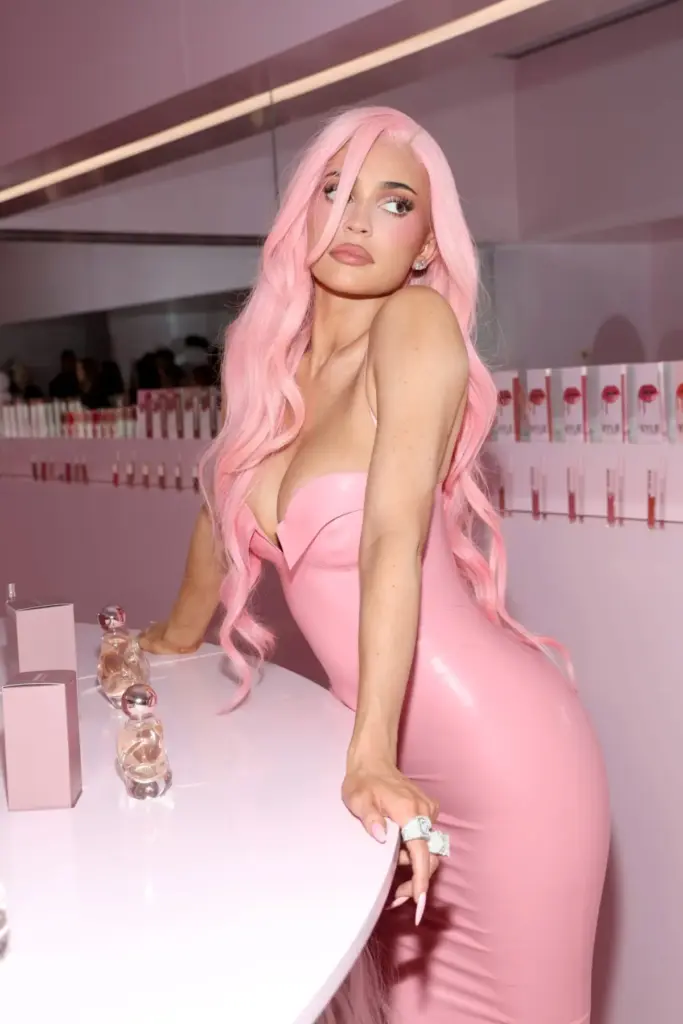
- Late last year, Kylie Jenner revisited her roots, debuting a refined version of her signature pink hair to celebrate the 10th anniversary of Kylie Cosmetics.
- In early 2025, style icons and Hollywood elite swiftly followed suit. Martha Stewart debuted a chic, side-swept rose gold bob courtesy of Chris Appleton, proving that rosy hues transcend generational boundaries.
- Reality television and music stars have further fueled the fire. Love Island USA finalist Melanie Moreno shocked and delighted fans after leaving the villa with a high-impact, bright fuchsia barrel-curled hairstyle. Meanwhile, rap star Ice Spice transitioned from her signature vibrant orange to a soft, alluring salmon-toned shade, telling media outlets that she "naturally gravitates" toward the color.
Supporting Context & Metrics: The Science and Versatility of Rosy Tones
The modern consumer’s appetite for pink hair is supported by advancements in hair color technology, making pastels and vivids safer, shinier, and easier to maintain than ever before.

Decoding the Spectrum: From Rose Gold to Fuchsia
One of the primary reasons for pink’s current ubiquity is its immense versatility. Unlike rigid color trends that demand a specific aesthetic, pink adapts to the wearer.
- Rosy Champagne and Rose Gold: These muted, warm tones offer a sophisticated entry point for individuals who want to experiment with color without committing to a high-maintenance vivid hue. They complement neutral and warm skin tones beautifully, offering a sun-kissed, ethereal glow.
- Bubblegum and Salmon: Mid-tone pinks strike a balance between playful and chic, offering enough saturation to make a statement while retaining a soft, approachable finish.
- Fuchsia and Magenta: Reserved for the boldest style statements, these high-pigment shades deliver maximum visual impact, often styled in glossy waves, sleek bobs, or voluminous curls.
Hair Health and Technical Considerations
Achieving the perfect shade of pink is an art form that requires careful planning between the client and colorist. Chris Appleton emphasizes that the starting canvas dictates the process.
"The starting point of the hair really matters," Appleton explains. "If you have darker hair and want a lighter, more pastel pink, your colorist will typically need to lift the hair first to create a clean canvas for that tone. That’s where the products your colorist uses become really important."
For those hesitant about the damaging effects of bleaching, modern chemistry offers a wealth of protective solutions. Bond-building treatments (such as Olaplex or K18) integrated into the coloring process ensure hair structural integrity remains intact. Furthermore, demi-permanent formulas and color-depositing masks—such as the Madison Reed ColorWonder Demi-Permanent Kit in Pink Orchid, Schwarzkopf Professional Igora Vibrance, and the IGK Color Depositing Mask—allow beauty enthusiasts to experiment with low-commitment, nourishing pink hues at home or in the salon with minimal risk of permanent damage.

Official Statements and Industry Insights
Top-tier beauty professionals agree that the current wave of pink hair is rooted in a cultural desire for joy and psychological upliftment. After years of minimalist aesthetics, neutral palettes, and economic uncertainty, consumers are seeking ways to express optimism through their appearance.
According to Appleton, pink acts almost like a cosmetic filter for the hair:
"Pink feels optimistic and playful right now. It can be incredibly chic when you get the tone right. A soft rose or blush catches the light beautifully and almost works like a filter for the hair. It gives it this really luminous, expensive-looking finish."
Beauty psychologists and trend forecasters often note that hair color serves as an external manifestation of internal transformation. Dyeing one’s hair pink signals a conscious rejection of monotony. It is an intentional act of self-care and creative expression that invites positive engagement from the world.

Celebrity endorsements have validated this psychological shift. Icons spanning decades—from supermodels like Kate Moss and high-fashion fixtures like Adéla, to powerhouse actresses including Helen Mirren and Cate Blanchett—have all embraced rosy hues at various points, proving that pink is not merely a youthful novelty, but a timeless expression of personal reinvention.
Future Outlook: Where is the Trend Headed?
As we look toward the future of beauty and hair trends, the "Think Pink" movement shows no signs of slowing down. Industry analysts predict that hair color will continue to merge with skincare and wellness philosophies, prioritizing formulas that impart high-shine, glass-like finishes alongside vibrant pigmentation.
1. Low-Maintenance Pastel Maintenance
Consumers are increasingly demanding high-reward looks with lower upkeep requirements. Expect to see a rise in root-smudged pinks—where natural or darker roots seamlessly melt into pastel rose ends—allowing wearers to extend salon visits without sacrificing style.
2. Temporary and Semi-Permanent Innovation
The proliferation of at-home color-depositing masks, glosses, and temporary sprays means that commitmentphobes can test out the trend for a weekend or a single event. This accessibility ensures that the pink hair phenomenon will continue to trickle down from the red carpets of Hollywood to everyday college campuses and corporate offices alike.

3. The Ultimate Aesthetic Reset
Ultimately, pink hair has established itself as more than a cyclical trend; it is a permanent fixture in the modern colorist’s toolkit. As cultural appetite leans further into joyful maximalism and self-expression, the message from the beauty community remains clear. To quote Audrey Hepburn’s immortalized words in Funny Face:
"Now, I wouldn’t presume to tell a woman what a woman ought to think, but tell her if she’s gotta think: think pink."