Executive Overview
The British Royal Family’s summer retreats to Balmoral Castle in Aberdeenshire have long been a cornerstone of their annual calendar, offering a pastoral reprieve from the intense public scrutiny of London. However, even within the private, tree-lined sanctuary of the Scottish highlands, the family remains a focal point of global fashion and lifestyle discourse. Over the weekend, eagle-eyed royal watchers and beauty enthusiasts caught a glimpse of a notable aesthetic update from Catherine, Princess of Wales, as she traveled alongside Prince William and their three children—Prince George, Princess Charlotte, and Prince Louis—to a Sunday service at Crathie Kirk.
Through the window of their Range Rover, framed beneath a sophisticated, statement-making pillbox hat, the Princess debuted a visibly brighter, summer-ready hair refresh. Moving away from her historically uniform, ultra-rich chestnut brown tones, the royal subtly introduced luminous blond highlights that catch the Scottish light. This calculated evolution in her personal style builds upon a trajectory of recent beauty updates, including her appearances earlier this month at the 2026 Commonwealth Games in Glasgow.
Far from a random stylistic whim, royal beauty transitions are frequently parsed by industry analysts as markers of personal resilience, seasonal adaptation, and modern royal relatability. This comprehensive report examines the nuances of Princess Kate’s latest look, contextualizes it within her broader beauty timeline—including her celebrated transformations following her chemotherapy treatments—and explores the psychological and cultural impact of royal hair updates in the public eye.
Detailed Chronology: From Glasgow to Crathie Kirk
To fully understand the significance of the Princess of Wales’s recent hair evolution, it is necessary to trace the timeline of her public appearances over the late summer of 2026. The progression highlights a deliberate, graduated lightening process that mirrors the transition from high-energy public engagements to private family recuperation.
August 1: The Glasgow Commonwealth Games Appearance
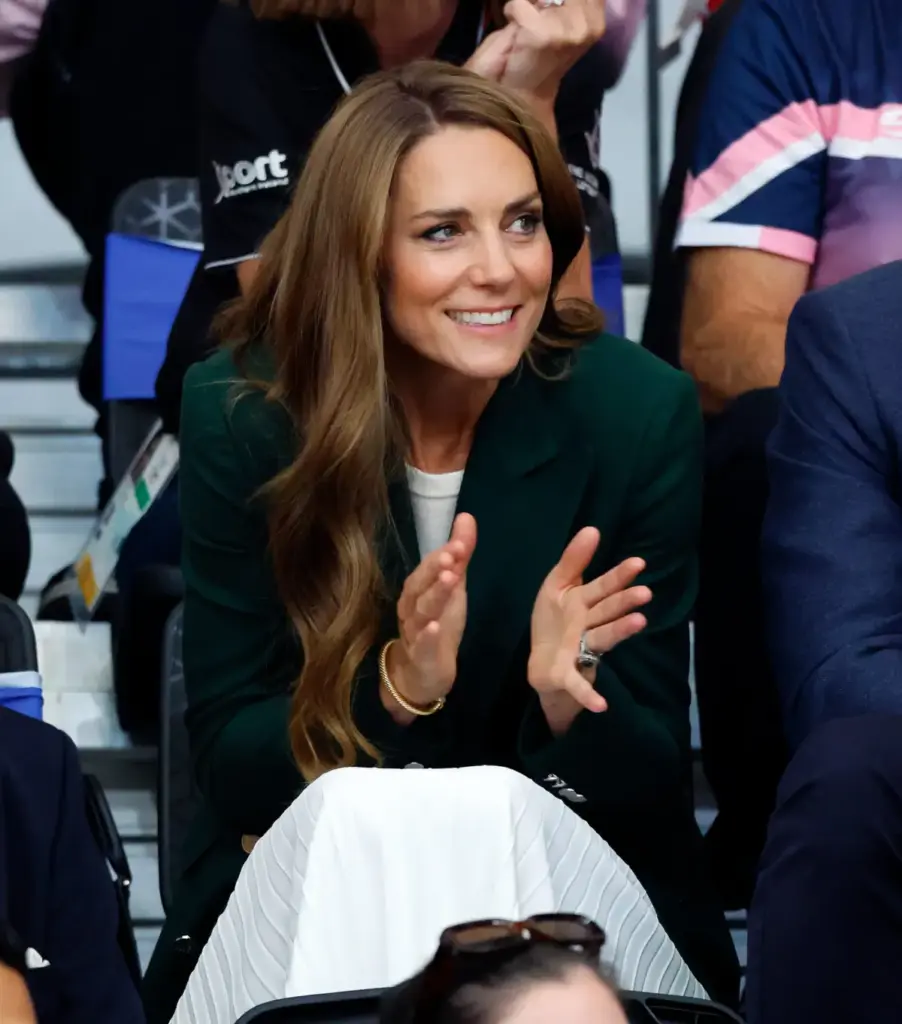
The groundwork for this current beauty narrative was visibly laid on August 1, when the Prince and Princess of Wales stepped out courtside at the 2026 Commonwealth Games in Glasgow. Attracting immense media attention, Princess Kate wore a sophisticated ensemble that was complemented by her hair styled in soft, voluminous waves. At this juncture, observers noted that her locks retained their foundational chestnut warmth, yet displayed a slightly more dimensional texture than in previous years. Fine, delicately woven honey-toned ribbons were interspersed near the crown and framing her face, hinting at a forthcoming shift.
Mid-August: The Transition to the Scottish Highlands
Following the high-profile engagements in Glasgow, the Wales family transitioned northward to their traditional Scottish estate, mirroring the long-standing traditions established by Queen Elizabeth II. During this private travel phase, public sightings are inherently limited to fleeting paparazzi captures as the family navigates local infrastructure, such as the historic Crathie Kirk church near Balmoral.

The Weekend Service at Crathie Kirk
It was during the weekend commute to Crathie Kirk—with Prince William reliably operating the vehicle and Princess Kate riding shotgun—that photographers captured the clearest views of her refreshed aesthetic. Even partially obscured by the vehicle’s glass and styled beneath a tailored pillbox hat, the dimension of her hair was unmistakable. The highlights appeared visibly brighter and more concentrated than those observed in Glasgow just weeks prior. The seamless integration of these sun-kissed strands against her natural dark base demonstrated the work of a master colorist, prioritizing a soft, grown-out dimension rather than a harsh, high-contrast dye job.
Supporting Context & Metrics: The Psychology of Royal Hair Transformations
Hair, within the strict parameters of royal protocol, is rarely "just hair." For high-profile public figures like the Princess of Wales, every aesthetic choice is subjected to intense semiotic analysis. Beauty industry analysts, celebrity stylists, and royal biographers frequently study these choices as indicators of internal state, confidence, and shifting public roles.
The "Kate Effect" and Economic Impact
The concept of the "Kate Effect"—the phenomenon wherein any garment, accessory, or beauty product worn by the Princess instantly sells out globally—extends seamlessly into the realm of hair styling and coloring. According to retail and beauty analytics firms, requests for "expensive brunette" color formulas, curtain bangs, and dimensional low-maintenance highlights consistently surge following any major public appearance by the Princess.
When royal figures introduce subtle lightening agents or seasonal tones, it frequently dictates the macro-trends for hair salons across the United Kingdom, Europe, and North America. The introduction of warmer, face-framing blond elements serves as a masterclass in transitional coloring, offering consumers a wearable, low-commitment template for end-of-summer beauty updates.
Post-Treatment Renewal and Empowerment
The conversation surrounding the Princess’s hair carries additional weight given her well-documented health journey over the past couple of years. Following her preventative chemotherapy treatments, royal commentators noted a profound resilience in how the Princess approached her public re-entry.
Last September, during an engagement at the Natural History Museum in London, Princess Kate debuted a significantly brighter, blonder look that marked one of her boldest visual departures to date. Stylists noted at the time that embracing lighter tones can serve as an empowering visual tool for individuals reclaiming their personal style and vitality after navigating significant health challenges. The continuation of these sun-kissed, luminous highlights through the summer of 2026 reinforces a narrative of sustained wellness, optimism, and personal agency.

Seasonal Adaptation and Practicality
Beyond psychological narratives, the practical realities of royal life dictate beauty choices. Summer months spent outdoors—whether sailing off the coast of Norfolk, walking the Balmoral estates in Scotland, or attending sporting events—naturally expose hair to environmental elements. Stylists point out that incorporating delicate, low-maintenance highlights allows naturally dark hair to blend seamlessly with the natural lightening effects of the sun, minimizing the need for constant maintenance and harsh root touch-ups during active family holidays.
Official Statements and Industry Perspective
While Kensington Palace maintains a strict policy of declining to comment on private aesthetic choices—adhering to the philosophy that personal grooming details fall outside the scope of official press communiqués—industry authorities and top-tier stylists have offered deep insights into the technical execution of the look.
Leading London-based colorists have weighed in on the craftsmanship visible in the recent Crathie Kirk photographs. Industry consensus suggests that the Princess utilizes a specialized technique known as "strategic balayage" or fine-foil baby-lights. This approach ensures that the color remains entirely harmonious with her skin tone and eye color, avoiding the brassiness that can often afflict darker hair types when exposed to lightening agents.
"What makes the Princess of Wales’s hair strategy so enduringly successful is its refusal to chase fleeting, aggressive trends," notes a prominent London celebrity hair stylist. "Instead, she opts for classic, elevated refinement. By introducing these soft golden and honey tones toward the ends and around the face, she achieves a youthful, luminous glow that feels entirely effortless, even when dressed for formal church services or high-security public engagements."
Furthermore, cultural historians emphasize that modern royal women—from Diana, Princess of Wales, to Catherine—have historically utilized subtle shifts in personal style to signal accessibility and modernity. By gradually softening her signature look, the Princess strikes a delicate balance between institutional tradition and contemporary relatability.
Future Outlook: What’s Next for the Royal Aesthetic?
As the British Royal Family prepares to conclude their annual summer holiday in Scotland and transition back to their primary residence at Adelaide Cottage in Windsor ahead of the autumn school term for Prince George, Princess Charlotte, and Prince Louis, public attention will inevitably pivot toward their upcoming autumn calendar.

Anticipated Autumn Transitions
Historically, royal beauty and fashion choices pivot decisively with the changing of the seasons. As the crisp weather of September and October settles over the UK, observers will be watching closely to see whether the Princess retains these bright summer highlights or transitions back to a richer, deeper chestnut tone befitting the autumn wardrobe.
Fashion and beauty editors anticipate a continuation of the "quiet luxury" aesthetic that has come to define the Princess of Wales’s public persona. Rather than dramatic, unannounced transformations, her style trajectory relies on subtle, highly polished refinements that respect tradition while quietly subverting expectations.
Ongoing Influence on Global Beauty Standards
As the Princess steps into the final quarter of 2026, her influence on the global beauty landscape remains undisputed. Whether sparking global interest in Victorian-style blouses, championing sustainable British fashion, or setting the benchmark for elegant, approachable haircare, Catherine continues to define the intersection of modern royalty and contemporary lifestyle trends.
The subtle blond highlights debuted at Crathie Kirk will likely serve as the blueprint for autumn transition color charts in salons worldwide, proving once again that in the world of royal style, the most powerful statements are often the quietest ones.