Executive Overview
The landscape of cosmetic enhancement underwent a profound transformation in 2025, marked by a dynamic resurgence in procedural volume, shifting cultural ideals, and the undeniable influence of modern pharmacotherapy. According to the latest data released in the American Society of Plastic Surgeons (ASPS) 2025 Procedural Statistics Report, cosmetic procedures experienced a robust growth rate of 7 percent globally. This represents a substantial rebound from the modest 1 percent increase recorded in the previous year’s report, signaling that consumer confidence, lifestyle optimization, and advanced medical technologies have converged to propel the industry into a new era.
Rather than chasing dramatic, hyper-exaggerated transformations, the overarching narrative of 2025 centered on restoration, anatomical refinement, and longevity. Lifts of all varieties—spanning both the face and the body—surged dramatically, while breast augmentations grew alongside a noticeable cultural pivot toward smaller, more proportionate implants. At the same time, the pervasive cultural conversation surrounding GLP-1 receptor agonists (such as Ozempic and Wegovy) manifested robustly inside surgical practices, generating a massive wave of consultations and post-weight-loss skin-tightening operations.
Perhaps the most fascinating demographic development of 2025 was the surge in older populations seeking cosmetic interventions. Adults aged 66 and older recorded a remarkable 24 percent increase in procedures—the largest percentage gain of any age group. As society redefines the visual markers of aging, wellness, and vitality, plastic surgery is no longer viewed merely as a tool for vanity, but as a critical component of holistic self-care and quality of life.
Detailed Chronology of the 2025 Aesthetic Shift
To understand how the modern cosmetic landscape arrived at its current state, it is helpful to examine the progressive evolution of patient demands, technological integration, and societal trends that defined the year 2025.
Q1: The Post-Holiday Reflection and the GLP-1 Wave
As the year began, plastic surgery practices across the country experienced an immediate influx of consultations driven by two primary forces: New Year resolutions centered on wellness and the compounding effects of the ongoing "Ozempic phenomenon." Surgeons reported that nearly 82 percent of ASPS members were fielding consultation requests explicitly tied to GLP-1 weight-loss medications. While not all consultations immediately translated into operations, the sheer volume of patients experiencing rapid, significant weight loss set the operational agenda for the entire year. Patients who had successfully shed double digits of body weight arrived at clinics eager to address the inevitable laxity of skin and loss of subcutaneous volume.
Q2: The Spring Surge in Gravitational Defiance
By the second quarter of the year, procedural trends solidified around "the lift." As warmer weather approached, patients increasingly sought remedies for tissue sagging that exercise and diet could not correct. Practices noted historic spikes in localized lifting procedures—most notably browlifts, necklifts, and arm lifts. Concurrently, facial fat grafting saw an unprecedented 39 percent surge, marking it as the fastest-growing single procedure tracked by the ASPS. Surgeons utilized autologous fat transfer to combat the gaunt, hollowed facial appearance ("Ozempic face") resulting from rapid weight loss, marrying structural volumization with surgical skin tightening.
Q3: Mid-Year Moderation and the Counter-Trend in Body Contouring
Mid-year data illuminated striking shifts in body augmentation philosophies. While breast augmentation grew by 11 percent, a striking counter-trend emerged: 36 percent of surgeons reported a distinct patient preference for smaller, more moderate implants, eclipsing the mere 12 percent who reported requests for larger volumes.
Conversely, hyper-prominent trends from previous years experienced a cooling-off period. Brazilian butt lifts (BBLs) and rhinoplasties both declined by 5 percent, while male breast reduction (gynecomastia) fell by 8 percent. Practices nationwide noted that BBL requests were being actively replaced by requests for BBL reductions or reversals, indicating a definitive cultural fatigue with exaggerated, disproportionate body silhouettes in favor of streamlined, athletic contours.
Q4: The Senior Surge and Year-End Consolidation
The final quarter of 2025 cemented the dominance of the older demographic. Adults aged 66 and older drove unprecedented growth, demonstrating that retirement no longer signals an end to personal investment in physical wellness. Combined with sophisticated non-surgical protocols utilizing advanced biostimulatory fillers and energy-based devices, the year concluded with a unified philosophy: restoration, not transformation.
Supporting Context & Metrics: The Numbers Behind the Trend
A granular analysis of the ASPS 2025 Procedural Statistics Report reveals where capital, patient time, and surgical expertise were directed throughout the year. The data underscores a definitive pivot toward structural restoration and multi-modality treatments.
The Anatomy of a Boom: Key Statistical Takeaways
| Procedure Category | 2025 Trend / Percentage Change | Primary Driver |
|---|---|---|
| Overall Cosmetic Procedures | +7% (up from +1% previously) | Broader wellness and anti-aging focus |
| Browlifts | +29% | Facial rejuvenation and posture correction |
| Arm Lifts & Necklifts | +21% each | Post-weight loss and localized skin tightening |
| Facial Fat Grafting | +39% (highest single-procedure gain) | Volume restoration and fat redistribution |
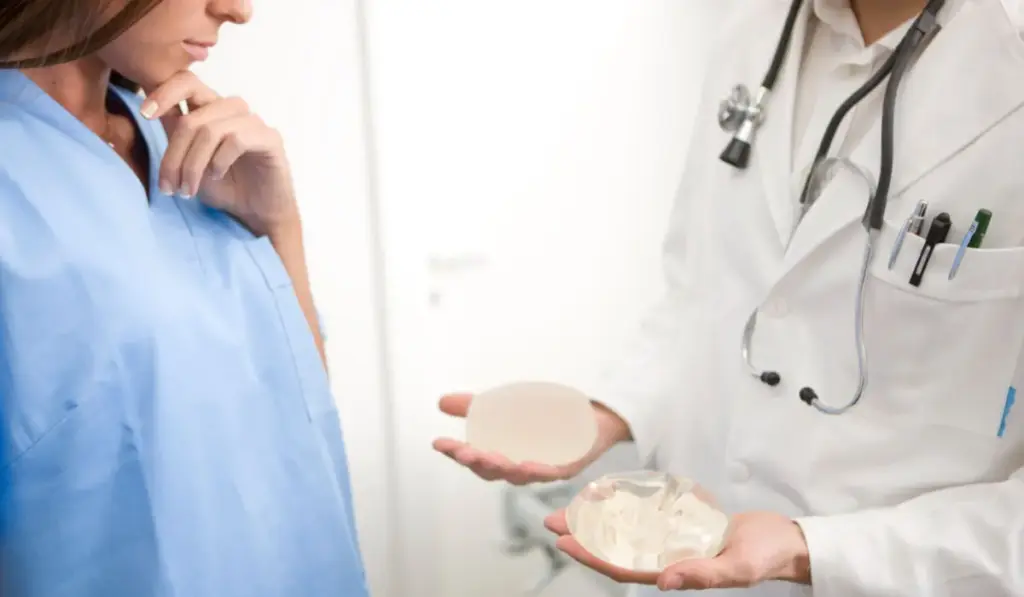
| Breast Augmentation | +11% | Continued popularity with a shift to smaller sizes |
| Brazilian Butt Lifts (BBL) | -5% | Cultural shift toward natural, subtle contours |
| Rhinoplasty | -5% | Maturation of aesthetic preferences |
| Male Breast Reduction | -8% | Shifting demographic focus in male aesthetics |
| Patients Aged 66+ | +24% (highest demographic gain) | Increased longevity and active lifestyles |
The GLP-1 Multiplier Effect
The intersection of endocrinology and plastic surgery proved to be one of the most significant clinical storylines of 2025. With upwards of 80% of surgeons consulting on GLP-1-adjacent cases, the nature of surgical planning changed. Traditional procedures like tummy tucks (abdominoplasties) frequently evolved into comprehensive circumferential body lifts (belt lipectomies) to properly address circumferential skin excess caused by massive weight loss.
Furthermore, the loss of deep facial fat pads triggered by rapid weight loss required a sophisticated blend of surgical and non-surgical interventions. Surgeons increasingly relied on combination therapies—pairing surgical lifts with biostimulatory injectables like Sculptra and advanced energy devices to restore dermal thickness and structural integrity without imparting an "overfilled" or unnatural appearance.
Official Statements & Expert Perspectives
Industry leaders and practicing board-certified plastic surgeons have offered profound insights into the psychological and clinical shifts driving these statistics.
"Plastic surgery in 2025 reflects a broader shift in how people think about aging, wellness and quality of life. Many are looking to reverse physical changes that no longer reflect how they feel on the inside."
— C. Bob Basu, MD, Houston Plastic Surgeon and ASPS President
Dr. Basu’s sentiment highlights an ongoing psychological evolution among patients. The modern aesthetic consumer is not necessarily attempting to look twenty years younger; rather, they are seeking alignment between their exterior physical vitality and their internal psychological vigor.
Addressing the Post-Weight-Loss Patient
The operational reality of treating patients who have undergone profound weight fluctuations requires a nuanced clinical touch. Dr. Olga Bachilo, a plastic surgeon based in Houston, emphasizes the anatomical complexity of these cases:
"I recommend many more circumferential body lifts rather than tummy tuck alone due to weight loss. I am also performing more arm lifts and breast lifts on younger patients, whose concerns extend beyond the abdomen."
Echoing this sentiment, New York-based plastic surgeon Dr. Elie Levine points out a distinct psychological maturity among contemporary patients:
"Many are coming in after significant weight loss saying, ‘I’ve done the work, I’ve lost the weight, and now I want to tighten and refine the result.’ That shifts the conversation from choosing a procedure to looking at the patient as a whole and determining what combination of surgical and non-surgical treatments will best address their concerns."
The Philosophy of Restoration over Transformation
In Pittsburgh, plastic surgeon Dr. Leo R. McCafferty estimates that between 25 and 33 percent of his active patient base utilizes GLP-1 medications, directly driving consultations for facial aging and body contouring. This sentiment is mirrored in non-surgical suites, as noted by New York dermatologist and aesthetic physician Dr. Andrew Peredo:
"We’re doing a lot of combination treatments with Sculptra and AVAVA, both for patients after GLP-1 weight loss and for those looking for what I call ‘restoration, not transformation.’"
This mantra—restoration, not transformation—serves as the ideological anchor for the entire contemporary movement. Patients across all age brackets are rejecting the hyper-stylized, homogenized aesthetic trends of the early 2020s in favor of bespoke, age-appropriate enhancements that honor their unique anatomical foundations.
Future Outlook: What Lies Ahead for Aesthetic Medicine
As the industry looks beyond 2025, several clear trajectories are poised to define the future of plastic surgery and aesthetic medicine.
1. The Mainstreaming of Longevity Medicine
The dramatic 24 percent spike in patients aged 66 and older is not an isolated anomaly, but the vanguard of a permanent demographic shift. As global life expectancies rise and older generations remain professionally, socially, and physically active, the demand for procedures that enhance functional vitality alongside aesthetic appeal will only intensify. Plastic surgery is increasingly integrated into the broader architecture of longevity medicine—a multidisciplinary approach aimed at maximizing healthspan, not just lifespan.
2. Refinement of Post-GLP-1 Protocols
The intersection of weight-loss pharmacology and surgical intervention will continue to mature. As pharmaceutical companies develop next-generation metabolic medications with targeted muscle-preservation properties, plastic surgeons anticipate a more predictable pattern of fat-versus-muscle loss in patients. Consequently, surgical protocols will likely adapt to incorporate preemptive non-surgical skin tightening and targeted muscle toning during the weight-loss phase, minimizing the need for radical excisional surgery later on.
3. The Enduring Reign of the "Quiet Luxury" Aesthetic
The simultaneous decline of hyper-augmented procedures (such as extreme BBLs and oversized implants) and the rise of subtle interventions (such as facial fat grafting, browlifts, and moderate implant sizing) signal a cultural maturation. The "quiet luxury" ethos that has permeated fashion and interior design has firmly taken root in aesthetic medicine. Future consumers will continue to prioritize undetectable interventions, precision engineering, and harmonious proportions that respect individual anatomical blueprints.
Ultimately, the 2025 ASPS report paints a portrait of an industry that listens closely to its patients. By aligning technical surgical excellence with a compassionate, wellness-oriented philosophy, plastic surgery has cemented its role as a vital partner in the modern pursuit of health, confidence, and self-actualization.