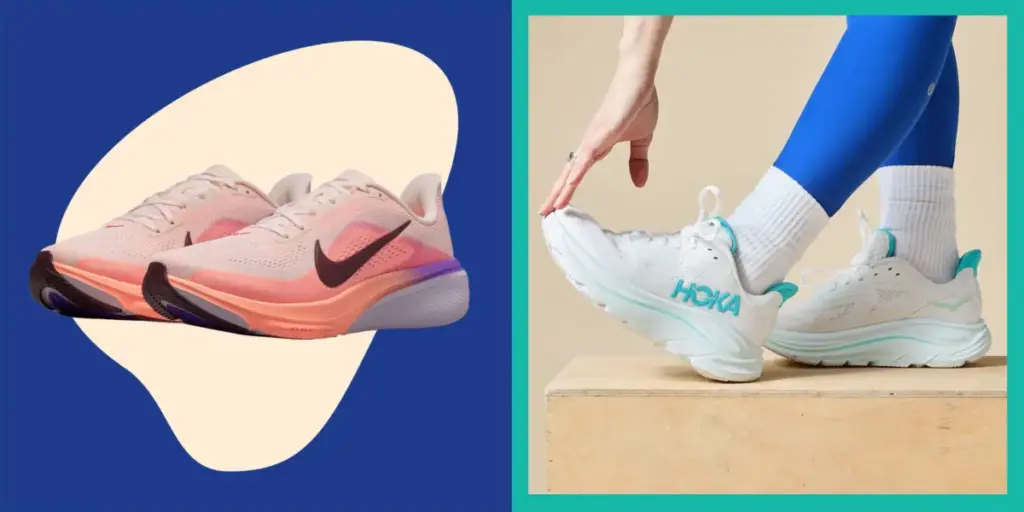
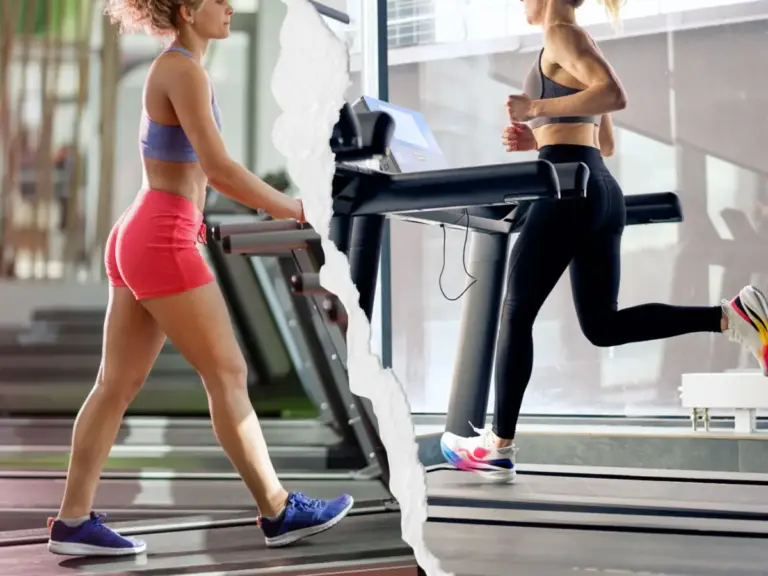
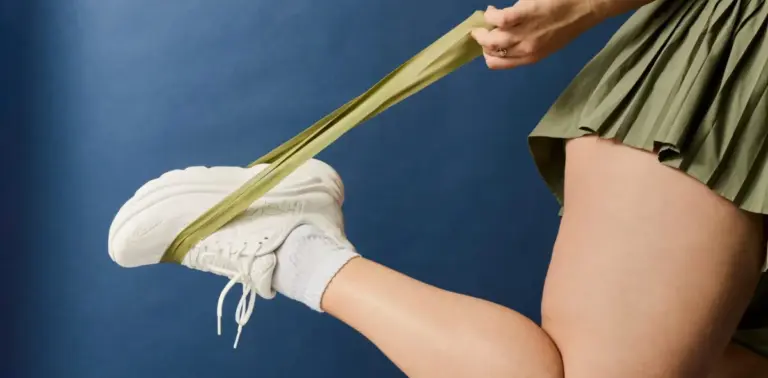
Foot health is fundamentally foundational to overall physical well-being, yet it is frequently overlooked until acute pain forces our attention. Whether you are an avid distance runner, a fitness walker logging daily step goals, someone who spends prolonged hours standing on hard surfaces, or an individual managing chronic conditions such as plantar fasciitis and overpronation, the choice of footwear plays a critical role in your daily comfort and long-term mobility.
In recent years, the intersection of podiatric medicine, biomechanical engineering, and athletic footwear design has produced shoes that offer unprecedented levels of support, impact absorption, and structural alignment. However, navigating the crowded marketplace of athletic brands, proprietary foams, and specialized stability systems can be overwhelming.
This comprehensive report examines the top-rated, expert-endorsed walking and running shoes on the market today. Drawing insights from leading podiatric surgeons, foot and ankle specialists, and rigorous fitness testing panels, we explore how specific footwear designs alleviate chronic pain, optimize gait efficiency, and provide all-day comfort. From the high-performance cushioning of the Hoka Clifton series to the specialized stability posts of New Balance and the versatile everyday wearability of Dr. Scholl’s and Brooks, this guide provides the authoritative breakdown you need to make an informed investment in your foot health.
Detailed Chronology & Evolution of Footwear Engineering
The evolution of modern athletic footwear has transformed dramatically over the past several decades. What once began as rudimentary canvas sneakers with minimal rubber soles has evolved into highly sophisticated biomechanical equipment designed to protect the human body from the repetitive impact forces of walking and running.
Early Milestones in Biomechanical Support
The Mid-20th Century Shift: Early athletic shoes focused primarily on traction and basic durability. However, as the running boom of the 1970s took hold, manufacturers began recognizing the need for specialized cushioning systems to absorb the high-impact forces generated during road running.
The Rise of Motion Control (1980s–1990s): Recognizing that runners and walkers experience varied biomechanical deviations—such as overpronation (the inward rolling of the foot) and supination (the outward rolling)—brands began introducing firmer medial posts, dual-density EVA foams, and reinforced heel counters to control foot motion.
The Maximalist Revolution (2010s–Present): Pioneered by brands like Hoka, the industry shifted toward high-stack, maximalist cushioning. Contrary to the minimalist trend that preceded it, maximalist shoes proved that thick layers of lightweight foam could absorb shock efficiently without compromising energy return or stability, providing immense relief for individuals suffering from chronic foot ailments.
The Modern Era: Nitrogen-Infused Foams and Precision Fit
Today, technological advancements have ushered in an era of nitrogen-infused cushioning (seen in models like the Brooks Ghost series) and computer-mapped mesh uppers. These innovations allow footwear manufacturers to reduce overall shoe weight while simultaneously increasing energy return and durability. Furthermore, podiatrists now work collaboratively with design teams to ensure that modern footwear promotes a natural heel-to-toe roll, reducing unnecessary strain on the Achilles tendon and the plantar fascia.
Supporting Context & Metrics: Analyzing the Top Podiatrist-Recommended Footwear
To provide a rigorous and objective evaluation, we examine the leading footwear models recommended by foot and ankle specialists, highlighting their distinct design philosophies, structural features, and ideal use cases.
1. Hoka Clifton Series (e.g., Clifton 10)
Primary Focus: Maximal cushioning, shock absorption, and propulsion.
Podiatric Insight: Endorsed by Dr. Diana Rogers (podiatric foot and ankle surgery specialist in Crystal Lake, IL) and Dr. Casey Pidich (podiatrist and foot and ankle surgeon in the Bronx, NY).
Biomechanical Benefits: Dr. Pidich highlights that the Clifton’s unique geometry encourages superior walking and running form by ensuring the foot rolls off the ground naturally rather than forcing a harsh push-off from the toes. Dr. Rogers specifically recommends this model to patients managing plantar fasciitis. The lightweight construction propels the foot forward, minimizing the muscular effort required during long strides.
2. Brooks Ghost 17
Primary Focus: Versatility, neutral cushioning, and all-day wearability.
Biomechanical Benefits: Featuring upgraded nitrogen-fused cushioning, the Ghost 17 offers a higher stack height at the heel without feeling unstable or overly "squishy." The midsole provides a balanced level of impact absorption—neither too firm nor too marshmallowy. A breathable air mesh upper and a plush, non-chafing ankle collar make it an exceptional do-it-all shoe for long walks, standing shifts, and moderate running.
3. Dr. Scholl’s Time Off Sneaker
Primary Focus: Lifestyle-athletic hybrid, elevated platform comfort, and travel.
Biomechanical Benefits: Earning a prominent spot in guides for the best platform and travel shoes, this TikTok-famous sneaker delivers all-day comfort without an overtly athletic appearance. The 1.5-inch platform elongates the legs and provides extra height without the heavy, clunky feel typical of traditional platform shoes, making it ideal for urban exploration and light walking.
4. Brooks Adrenaline GTS 24
Primary Focus: Stability, overpronation control, and plantar fasciitis mitigation.
Biomechanical Benefits: Recognized as a top-tier option for heel pain and recognized in fitness awards, the Adrenaline GTS 24 is packed with proprietary stability features. It utilizes holistic support systems that keep the runner’s or walker’s body aligned, safeguarding the plantar fascia over extended distances.
5. Asics Gel-Kayano Series (e.g., Gel-Kayano 32)
Primary Focus: Overpronation correction and flat-foot support.
Biomechanical Benefits: A classic staple for individuals whose ankles roll inward excessively (overpronation) or who possess low arches. Thick, supportive foam borders each side of the shoe to guide the foot into proper alignment throughout the gait cycle. Deep heel cups further anchor the heel and provide secure arch support.
6. Nike Pegasus 42
Primary Focus: Low-profile responsiveness and smooth cadence.
Biomechanical Benefits: Lined with ultra-breathable mesh, the Pegasus 42 features a slim, low heel designed to maintain a smooth walking and running cadence. Compared to previous iterations, this model is lighter and boasts a curvier toe box, delivering increased toe spring, a smoother ride, and a more accommodating fit.
7. New Balance 608 V5 Casual Comfort Cross Trainer
Primary Focus: Joint impact reduction and inclusive sizing.
Biomechanical Benefits: Backed by tens of thousands of consumer reviews, this cross-trainer integrates New Balance’s signature ABZORB midsole. This technology is engineered to mitigate the shock transmitted to joints during walking through superior cushioning and compression resistance. Furthermore, it is available in narrow, standard, and wide sizing options.
8. Skechers Go Walk Flex Azriel
Primary Focus: Slip-on convenience, breathability, and casual strolls.
Biomechanical Benefits: Designed for individuals who prioritize ease of entry, this shoe features a lightweight, breathable mesh upper that manages moisture effectively. The ultra-cushioned midsole delivers reliable arch support. According to industry reviewers, it serves as a reliable, no-frills option for errands, casual walks, and dog walking, combining the ease of a slip-on with the secure appearance of bungee-laced sneakers.
9. New Balance 1540v3
Primary Focus: Maximum motion control for severe overpronation or supination.
Biomechanical Benefits: For individuals experiencing extreme foot rolling, the New Balance 1540v3 utilizes the brand’s "Rollbar stability post system." This mechanism actively prevents the foot and ankle from rolling inward or outward. Dense midsole foam provides robust arch support, while a rigid collar secures the ankle. Despite its structured firmness, the EVA foam insert maintains a plush feel, and extra-wide sizing options accommodate diverse foot morphologies.
Official Statements & Expert Perspectives
Medical professionals consistently emphasize that footwear should be treated as functional medical equipment rather than mere fashion accessories.
"When patients present with chronic arch pain, heel spurs, or plantar fasciitis, the first thing we evaluate is their footwear," notes Dr. Diana Rogers, DPM. "Shoes that lack structural integrity force the intrinsic muscles of the foot to overcompensate. Investing in a shoe with proper rocker geometry, adequate torsional rigidity, and targeted cushioning can dramatically alter a patient’s recovery timeline."
Furthermore, orthopedic and podiatric organizations emphasize that proper fit extends beyond mere length. Width variations, heel cup depth, and toe box volume are critical parameters.
"A common mistake is purchasing a shoe solely based on brand reputation without considering individual biomechanics," explains Dr. Casey Pidich, MD. "A runner with high arches and supination requires entirely different shock dissipation properties than a walker with flat feet and severe overpronation. Understanding your gait type is the first step toward selecting the correct footwear."
Future Outlook: The Next Horizon in Footwear Technology
As we look toward the future of athletic and therapeutic footwear, several emerging trends promise to further revolutionize how we care for our feet:
AI-Driven Gait Analysis and Customization: Brands are increasingly moving toward digital scanning kiosks and smartphone applications that analyze a consumer’s gait in real time, pairing them with the exact shoe model and insole density required for their specific stride.
Sustainable and Biodegradable Materials: With environmental consciousness rising, manufacturers are heavily investing in eco-friendly, bio-based foams and recycled mesh uppers that match or exceed the performance metrics of petroleum-based synthetics.
Smart Footwear Integration: Future iterations of walking and running shoes may feature embedded micro-sensors capable of tracking stride symmetry, foot strike pressure distribution, and midsole degradation, alerting the wearer precisely when it is time to replace their footwear to prevent injury.
Conclusion
Selecting the ideal walking or running shoe requires a careful balance of personal biomechanics, intended usage, and expert guidance. Whether you require the high-stack propulsion of a Hoka maximalist shoe, the rigid motion control of a New Balance stability trainer, or the everyday convenience of a Skechers slip-on, prioritizing foot health pays dividends in overall mobility and quality of life. Always consult with a podiatric specialist if you experience persistent pain, and remember that replacing your athletic shoes every 300 to 500 miles—or when midsole cushioning degrades—is essential for sustained protection.