Executive Overview
For decades, the standard plank has reigned supreme as the undisputed gold standard for core conditioning. By recruiting the intricate web of muscles surrounding the abdomen, obliques, and lower back, the traditional isometric hold stabilizes the pelvis and protects the spine. Yet, despite its undisputed physiological efficacy, the classic plank suffers from a severe psychological drawback: it is profoundly monotonous. Millions of fitness enthusiasts worldwide force themselves through static holds, watching the seconds tick by on gym clocks or smartphone screens, viewing the exercise as a necessary evil rather than an enjoyable movement practice.
Enter Brontë Terrell, a certified personal trainer, former actress, and elite group fitness presenter for the global fitness brand Les Mills. Terrell has recently upended the traditional fitness landscape by introducing a viral, dance-inspired 360° plank challenge. Debuted on her Instagram account, this dynamic, rhythm-driven sequence injects creativity, coordination, and aerobic dynamism into an otherwise tired abdominal routine.
Beyond its aesthetic appeal and core-scorching intensity, Terrell’s routine addresses a critical component of physical wellness that is frequently overlooked in conventional training: neuroplasticity. By challenging practitioners to transition seamlessly through complex spatial planes—moving from high planks to side planks, rotating into reverse positions, and incorporating balletic leg extensions reminiscent of the iconic film Flashdance—the routine stimulates neural pathways in the brain. This fusion of physical exertion and cognitive challenge offers a holistic approach to fitness that builds functional strength while actively supporting long-term brain health.
This comprehensive report explores the anatomy of Terrell’s viral challenge, analyzes its physical and cognitive benefits, outlines a step-by-step methodology for beginners to master the routine safely, and provides expert insights into the intersection of complex movement and neurological longevity.
Detailed Chronology: The Anatomy of a Viral Fitness Trend
The journey of the 360° plank challenge from a fleeting social media spark to an internationally discussed fitness methodology highlights the evolving nature of modern health content.
The Genesis on Social Media
In early 2024, fitness content creators increasingly focused on functional mobility and movement flow, moving away from isolated bodybuilding movements toward integrated, multi-planar exercises. Brontë Terrell, leveraging her background in both performance arts and elite fitness instruction, sought to bridge the gap between structured core conditioning and expressive movement.
By timing a continuous, fluid sequence of core transitions to an upbeat musical track, Terrell crafted a challenge that demanded not only muscular endurance but also rhythm, spatial awareness, and agility. When she posted the short clip to her Instagram feed, the response was immediate. Followers and fitness enthusiasts alike praised the ingenuity of the routine while simultaneously questioning its accessibility for those lacking advanced coordination or core strength.
Decoding the Choreography
For those attempting to map the routine mentally, the choreography reads like an athletic obstacle course. Terrell breaks down the movement progression as follows:
- The Initiation: The sequence begins in a standard high plank position with wrists stacked beneath shoulders and the core actively braced.
- The Knee Tuck & Pivot: Terrell lifts one leg, draws her knee forward toward the opposite elbow, and pivots smoothly into a high side plank while maintaining the knee tuck.
- The Overhead Reach & Extension: From the side plank position, she extends her top arm overhead while pointing her toes, creating a long, elegant line of tension through the body.
- The 180° Flip: Returning briefly to the knee-tucked high plank, she executes a rapid, controlled 180-degree rotation, flipping her body over into a reverse plank while keeping the working knee tucked.
- The Flashdance Finish: Culminating the sequence, she forcefully kicks her tucked leg up into the air—reminiscent of the iconic cinematic moment—before resetting.
"That was a pretty tough plank challenge," Terrell admits candidly when reflecting on the initial reception of her viral post. "Flipping over from front to back is especially tricky. Figuring out which arm goes where requires real mental focus."
Supporting Context & Metrics: The Science of Core Stability and Neuroplasticity
To fully appreciate the value of Terrell’s dynamic routine, one must examine the physiological and neurological mechanisms at play. Traditional planks are isometric exercises, meaning they generate muscular tension without changing the length of the targeted muscle fibers or the angle of the joints. While exceptional for endurance, isometric training has inherent limitations in preparing the body for the multi-directional forces encountered in daily life and athletic performance.
360-Degree Core Recruitment
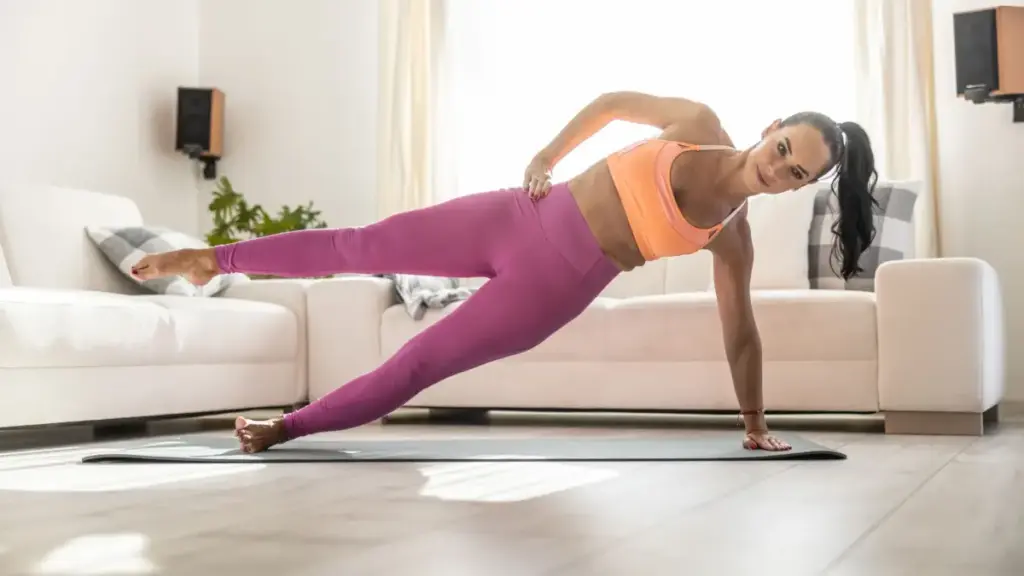
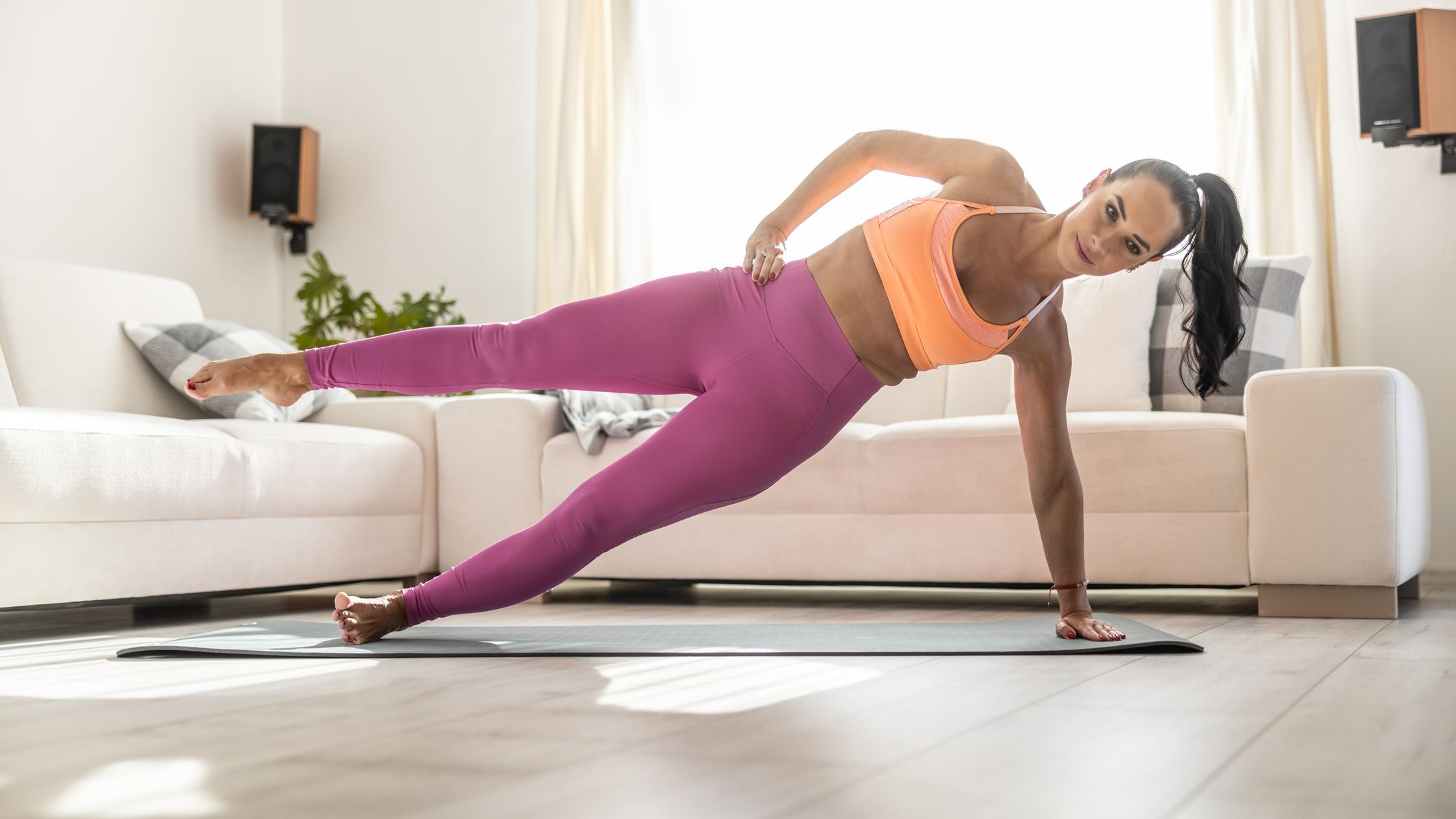
By integrating lateral rotation, hyperextension, and dynamic limb movement, the 360° plank challenge forces the core musculature to operate across all three planes of motion: sagittal, frontal, and transverse.
- Transverse Abdominis: Acts as an internal corset, deeply stabilizing the spine during rotational flips.
- Obliques (Internal and External): Fire intensely during the transition from the high front plank to the lateral side plank.
- Glutes and Erectores Spinae: Engage forcefully during the 180-degree flip into the reverse plank to elevate and maintain hip height against gravity.
"When you flip around, you’re actively squeezing your glutes to lift your hips up high," Terrell explains. "It’s almost like a comprehensive reverse plank challenge. I really felt that deep muscular fatigue the next day, particularly in my posterior chain."
Cognitive Longevity and Neural Pathways
Perhaps the most compelling aspect of Terrell’s routine is its emphasis on neuroplasticity—the brain’s ability to reorganize itself by forming new neural connections throughout life. As adults age, routine physical patterns become ingrained, reducing the demand on the brain to process novel spatial or motor data.
Complex, choreographed movement patterns act as cognitive exercise, forcing the central nervous system to communicate rapidly with peripheral muscle groups. This mind-muscle coordination is vital for preserving neurological health, enhancing balance, and preventing age-related cognitive decline.
Official Statements and Expert Perspectives
As a certified personal trainer and a prominent figure within the global fitness community, Brontë Terrell brings an authoritative yet empathetic perspective to fitness education. Her advocacy extends beyond physical prowess; as an open advocate for individuals living with ADHD and dyslexia, Terrell views movement not merely as a physical chore, but as an essential neurological anchor.
The Importance of Brain-Body Integration
"We spend a great deal of time wanting to keep our bodies strong, healthy, fit, and young," Terrell notes. "However, doing anything that challenges those neural pathways in the brain is also exceptionally important for our overall neurological health, especially as we navigate through life and get older."
For Terrell, physical activity is a non-negotiable component of mental well-being. Reflecting on her personal philosophy, she frequently states: "If I can’t exercise, crazy things happen." This visceral connection between physical movement and cognitive regulation underpins her desire to make challenging workouts engaging, creative, and mentally stimulating.
The Les Mills RISE Background
Terrell’s dedication to fitness excellence is further underscored by her professional journey. Before entering the fitness industry full-time, she pursued a career in acting, making her television debut in the British drama series Hollyoaks in 2021. Since transitioning into fitness, she was selected from a global pool of over 100,000 applicants to participate in RISE, a critically acclaimed documentary by Les Mills that follows eight elite trainers competing for a permanent spot on the brand’s global filming team. This rigorous background informs her precise instructional style, ensuring that even the most complex acrobatic movements can be broken down safely for everyday exercisers.
Future Outlook: Adapting Advanced Fitness for Relative Beginners
Recognizing that a full 360° dance-inspired plank sequence can appear intimidating—or outright impossible—to the average fitness enthusiast, Terrell has designed a progressive scaling system. This methodology ensures that beginners can reap the neurological and muscular benefits of the challenge without risking injury or experiencing debilitating frustration.
The Progressive Breakdown Method
If you can comfortably perform a standard plank on your toes, Terrell recommends dissecting the routine into distinct, isolated movements.
- Phase One (Isolate & Hold): Perform each foundational move for 5 to 10 seconds. Rest for 60 seconds, then repeat the sequence on the opposite side.
- Phase Two (Flow Integration): Once you can hold each individual position for 10 seconds without form degradation, begin linking them back-to-back, starting with 5-second holds per position and progressing to 10 seconds.
- Phase Three (Full Execution): Once all five movements can be seamlessly performed for 10 seconds each in a continuous loop, you are prepared to execute the full choreographed routine at tempo.
Foundational Movement Breakdown
- 1. Straight Arm Plank (5–10 sec): Focus on a neutral spine, tucked pelvis, and fully protracted shoulder blades to establish core bracing.
- 2. Knee to Elbow (5–10 sec): Drive the working knee forward while maintaining hip stability and preventing lower back sagging.
- 3. Rotate to Side Plank (5–10 sec): Pivot cleanly onto the outer edge of the foot, stacking shoulders and lifting the hips away from the floor.
- 4. Rotate to Reverse Plank (5–10 sec): Smoothly transition from the side position, rolling backward to elevate the torso while keeping the working leg engaged.
- 5. Single-Leg Reverse Plank Lift (5–10 sec): Drive through the grounded heel, squeezing the glutes to achieve maximum hip extension before performing the dynamic leg raise.
Modifications for Absolute Beginners
For those who cannot yet sustain a full plank on their toes, Terrell emphasizes that regression is a tool for progress, not a sign of failure.
"Start on your knees," she advises. "Even if you initiate the workout with a 10-second knee hold, come up onto your toes for just one single second before dropping back down. Eventually, that one second naturally transforms into two seconds, and before you realize it, you have successfully built the requisite functional strength."
Conclusion
The 360° dance-inspired plank challenge championed by Brontë Terrell represents a refreshing evolution in core conditioning. By fusing the biomechanical demands of multi-planar stabilization with the cognitive engagement of dance choreography and neuroplasticity training, Terrell has transformed a universally dreaded exercise into an invigorating movement art form.
Whether approached as an advanced athletic test or broken down into manageable, beginner-friendly progressions, this routine offers a blueprint for modern fitness: one where physical strength, mental agility, and creative expression harmoniously intersect. As fitness enthusiasts continue to share their attempts online, the movement serves as an enduring reminder that caring for the body and challenging the brain should remain an engaging, lifelong journey.